EA888 / DNUE Engine
- Engine
- 1984 cm3
- Aspiration
- Turbocharger, Intercooler
- Fuel
- Petrol (Gasoline)
- Fuel injection system
- Direct injection
- Power
- 300 hp
- Torque
- 400 Nm
- Cylinders
- 4
- Valves
- 16, 4 per cylinder
- Cylinders position
- Inline
- Valvetrain
- DOHC
- Oil capacity
- 5.7 l
- Systems
- Start & Stop System, Particulate filter
# Vehicles powered by this engine

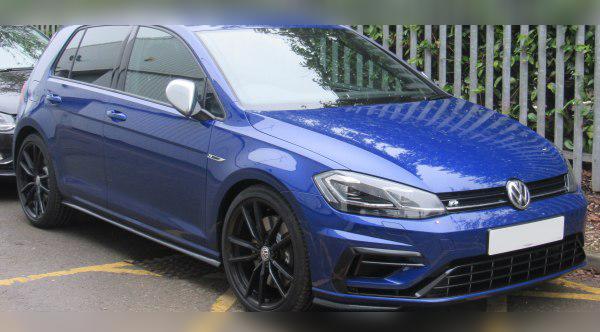
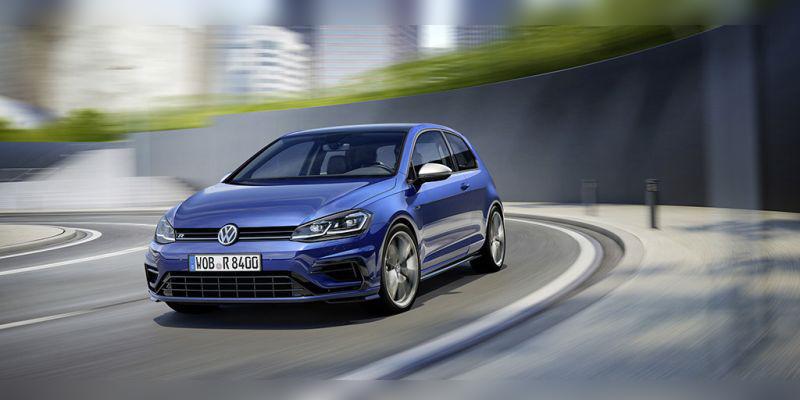
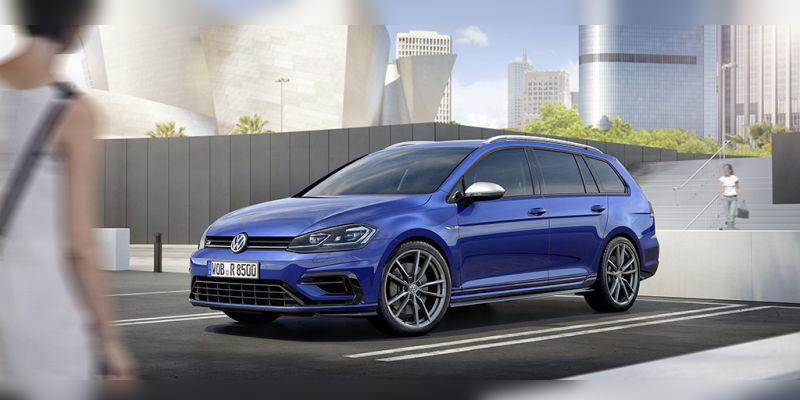
EA888 / DNUE 2.0 TSI (300 hp) – Experiences, issues, fuel consumption and buying used
Key points (TL;DR)
- Supercar performance in a “civilian” package: With 300 hp and 400 Nm, this is one of the most capable 2.0 engines on the market.
- Thermostat and water pump: The most well‑known weak spot. The housing is plastic, deforms over time and causes coolant leaks.
- IS38 Turbo: A large turbo that delivers huge power, but requires careful warm‑up and cool‑down. Older revisions had issues with the shaft.
- Timing chain, not belt: Although the Gen 3 chain system is much better than older generations, it still needs to be checked after 150,000 km.
- GPF/OPF filter: The DNUE code indicates the presence of a gasoline particulate filter, which affects the sound and requires specific oil.
- Tuning potential: A Stage 1 remap easily takes it to 350+ hp without mechanical changes.
- Maintenance is not cheap: Requires premium fuel, high‑quality oil and regular servicing of the DSG gearbox and Haldex system.
Contents
- Introduction and Models
- Technical Specifications
- Reliability and Maintenance
- Specific Parts and Costs
- Fuel Consumption and Performance
- Additional Options and Modifications
- Gearbox and Drivetrain
- Buying Used and Conclusion
Introduction
The EA888 Gen 3 engine in its most powerful variant (code DNUE) represents the pinnacle of Volkswagen Group engineering in the four‑cylinder class. This unit is not just an “uprated” engine from a regular Golf; it has reinforced pistons, a larger turbo (IS38) and a modified cylinder head. It is installed in halo models such as the VW Golf 7 R (facelift/7.5) and Seat Leon Cupra ST. The DNUE code is specific because it denotes engines adapted to stricter Euro 6d‑TEMP standards, which means they come with a particulate filter (OPF/GPF) – an important point buyers must be aware of due to maintenance and sound.
Technical Specifications
| Specification | Data |
|---|---|
| Displacement | 1984 cc (2.0 L) |
| Power | 221 kW (300 hp) at 5300–6500 rpm |
| Torque | 400 Nm at 2000–5200 rpm |
| Engine code | DNUE (EA888 Gen 3) |
| Fuel injection system | Combined (Direct TSI + MPI into intake manifold) or Direct only (depending on GPF implementation) |
| Forced induction | IS38 Turbocharger + Intercooler |
| Camshaft drive | Chain |
Reliability and Maintenance
Timing system: Chain or belt?
This engine uses a chain to drive the camshafts. Unlike the notorious EA888 Gen 2 series (which had catastrophic issues with chain stretch and tensioners), the Gen 3 in DNUE form has a significantly improved system. The chain is robust and not intended for replacement at a fixed interval. However, “lifetime” does not really exist in the car industry. It is recommended to check the chain condition (stretch) via diagnostics (camshaft phase reading) at every service after 150,000 km. A rattling noise on cold start (lasting longer than 2–3 seconds) is the first warning sign.
Most common failures and symptoms
The Achilles’ heel of this engine is the thermostat and water pump module. The housing is made of plastic, which deforms over time due to heat cycles. The symptom is coolant loss, often invisible until the under‑engine cover is removed, or a smell of coolant in the cabin.
Another common issue is the PCV valve (oil vapor separator). When it fails, the engine may idle roughly, whistle, or consume oil.
Major service
Since the engine has a chain, a classic “major service” (timing belt replacement) does not exist. However, the serpentine belt (auxiliary/PK belt) and its tensioners are usually replaced between 100,000 and 120,000 km or after 5–6 years. At that time the water pump is often replaced preventively, if it hasn’t already started leaking.
Oil: Capacity and consumption
The engine takes approximately 5.7 liters of engine oil. The recommended grade for DNUE engines (due to the GPF filter) is usually 0W‑30 or 5W‑30 that meets the strict VW 504.00 / 507.00 specification. Do not use oils that are not “Low SAPS”, as you will damage the GPF filter.
As for oil consumption, the EA888 Gen 3 is drastically better than its predecessors. Consumption of 0.5 liters per 5,000–8,000 km is considered acceptable for such a powerful engine, especially if driven aggressively. If it uses a liter per 2,000 km, you have a problem (PCV valve, turbo or piston rings).
Spark plugs and injectors
On a petrol engine with this level of power, spark plugs are critical. The factory interval is often 60,000 km, but that is overly optimistic for a 300 hp engine. Recommendation: replace spark plugs every 30,000 to 40,000 km. Use only NGK or OEM plugs specified for “R” models. Old plugs can lead to overheating of the electrode and catastrophic failure in the cylinder.
Specific Parts (Costs)
Dual‑mass flywheel
Yes, this engine has a dual‑mass flywheel, regardless of whether it is paired with a manual or DSG gearbox. In DSG applications, the flywheel serves to dampen engine vibrations before they are transmitted to the gearbox. When it fails (usually at 150,000+ km), you can hear a metallic knocking at idle that disappears when you rev the engine. Replacement is expensive (depends on the market).
Fuel injection system and GPF
The DNUE engine uses an advanced high‑pressure injection system. Injectors are generally reliable but sensitive to poor fuel quality. What is specific to the DNUE engine code (compared to the older CJXC) is the presence of an OPF/GPF filter (Otto Particulate Filter). It does not clog as easily as a diesel DPF because petrol exhaust temperatures are higher, but it does require low‑ash oil. An EGR valve in the classic sense (as on old diesels) is not an issue here, because exhaust gas recirculation is handled via variable valve timing (VVT).
There is no AdBlue – this is a petrol engine.
Turbocharger
The engine has a single but large IS38 IHI turbocharger. This is the “heart” of its performance. Service life depends directly on the owner. If the engine is switched off immediately after hard driving on the motorway, the oil in the turbo cokes and destroys the bearings. With proper cool‑down and regular servicing, the turbo can last over 200,000 km, but keep in mind that it is a consumable part on a performance car. Rebuilding is possible, but a new unit is often recommended.
Fuel Consumption and Performance
City driving
Let’s be realistic – you are buying a 300 hp car with all‑wheel drive. In the city, real‑world fuel consumption ranges from 11 to 14 liters per 100 km. In heavy traffic and with a “heavy right foot”, it easily goes over 15 liters. This is not an economical city car.
Is the engine “lazy”?
Absolutely not. With 400 Nm available from just 2000 rpm, the engine pulls the Golf or Leon ST body without any effort. Throttle response is instant, especially in “Cupra” or “Race” driving modes. The sensation of acceleration is linear and brutal all the way to the redline.
On the motorway
This is the engine’s natural habitat. At 130 km/h, thanks to the 7‑speed DSG gearbox, the engine spins at a relaxed 2,600–2,800 rpm (depending on gearing). Cabin noise is low and fuel consumption drops to around 8–9 liters. Overtaking is laughably easy and does not even require a downshift, although the gearbox will gladly do it.
Additional Options and Modifications
LPG conversion
Yes, it is possible, but it is very expensive and complicated. Due to direct injection (DI), a “liquid injection” system or a system that mixes petrol and LPG is required to cool the petrol injectors. Installation costs over 1000–1500 EUR (depending on the market), and cost‑effectiveness is questionable unless you cover huge mileages. You also lose boot space (which is already reduced in the Golf R due to the rear differential). Most enthusiasts consider fitting LPG to R/Cupra models to be “sacrilege”.
Remap (Stage 1)
The EA888 Gen 3 is a tuning king. Stage 1 (software only, no mechanical changes) safely raises power to 350–370 hp and torque to nearly 500 Nm. The engine can handle this increase without issues, provided it has been regularly maintained. However, keep in mind that higher torque wears out gearbox clutches faster.
Gearbox and Drivetrain
Types of gearboxes
With the DNUE engine in the Golf 7.5 R and Leon Cupra ST 4Drive, you most commonly get the 7‑speed DSG (code DQ381). This is a gearbox with wet clutches, significantly improved compared to the older 6‑speed DQ250 in terms of reducing fuel consumption and CO2 emissions.
Gearbox maintenance
The manufacturer often states a 120,000 km interval for the DQ381, but workshop experience says: change the DSG oil every 60,000 km. This is key to the longevity of the mechatronics. The service cost is moderately high because it uses specific oil and a filter, but it is negligible compared to the cost of gearbox repairs.
Issues
- DSG: If the oil is not changed, the valves in the mechatronics fail, resulting in jerking when setting off or delayed gear changes.
- Haldex (4x4 system): This is critical! The Haldex coupling (usually 5th generation) requires an oil change every 45,000–60,000 km. Cleaning the Haldex pump strainer is often forgotten; it clogs with sludge, after which the rear‑wheel drive stops working (the car becomes front‑wheel drive only and wheelspin appears on hard launches).
Buying Used and Conclusion
When buying a used car with the DNUE engine, make sure to check:
- Cold start: Listen for any chain rattle.
- Leaks: Look under the intake manifold for white traces of dried coolant (thermostat housing).
- Turbo: Is there a “siren” sound when you apply throttle?
- Launch Control: Use diagnostics to check how many times Launch Control has been used. If the number is high (e.g. over 50–100 times), be aware that the gearbox and drivetrain have been under heavy stress.
Conclusion: The EA888 DNUE is a fantastic engine. It offers performance that, 10 years ago, was reserved for Porsche, all in a practical estate or hatchback. It is aimed at drivers who want excitement and are willing to pay for meticulous and regular maintenance. If you are looking for a “fill up and drive” car with minimal running costs – skip it. If you want a smile every time you press the throttle – this is the right choice.
Was this content useful to you?
Your opinion helps us to improve the quality of the content.