CEGA Engine
- Engine
- 1968 cm3
- Aspiration
- Turbocharger, Intercooler
- Fuel
- Diesel
- Fuel injection system
- Diesel Commonrail
- Power
- 170 hp @ 4200 rpm
- Torque
- 350 Nm @ 1800 rpm
- Cylinders
- 4
- Valves
- 16, 4 per cylinder
- Cylinders position
- Inline
- Valvetrain
- DOHC
- Oil capacity
- 4.3 l
- Coolant
- 8.4 l
- Systems
- Particulate filter
# Vehicles powered by this engine
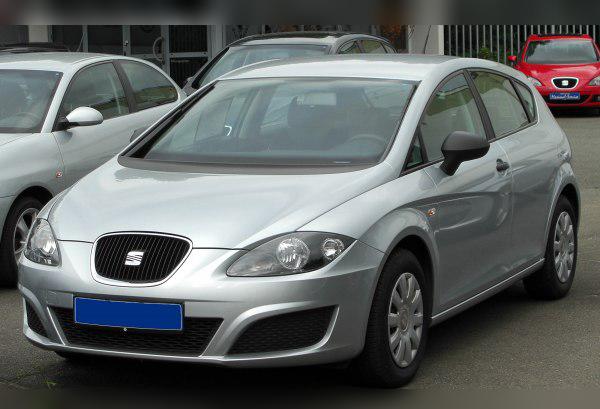
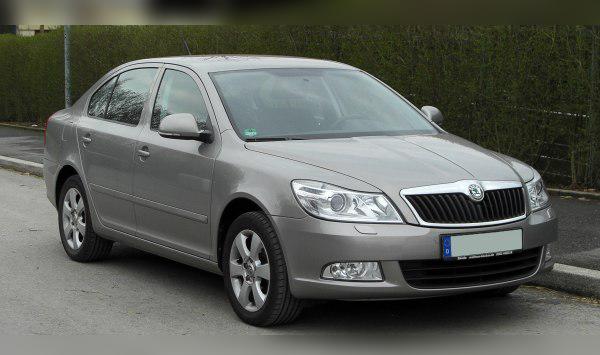
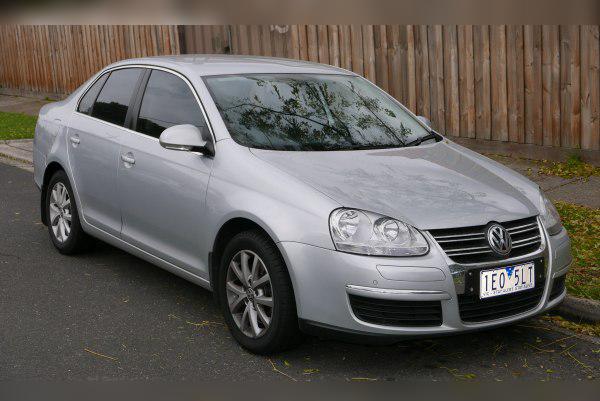
2.0 TDI CR (CEGA) 170 HP – Experiences, problems, fuel consumption and buying used
If you’re looking at sportier versions from the VAG group from around 2009 to 2012, such as the Škoda Octavia RS or Seat Leon FR, there’s a high chance you’ll find an engine with the code CEGA under the hood. This is a very important engine because it marks the transition from the problematic "Pumpe-Düse" (PD) technology to the more modern, quieter and more reliable Common Rail (CR) injection system. Although it solved many of the teething problems of its predecessor (code BMN), the CEGA engine also has its own specific quirks you need to watch out for.
In short (TL;DR)
- Big improvement over PD engines: Quieter operation, more linear power delivery and more reliable injectors.
- Intake manifold issue: Plastic flaps and the intake actuator (fault code P2015) are a common failure.
- DPF filter: Sensitive to city driving, requires regular highway runs.
- Fuel consumption: Extremely economical on the open road, but can be thirsty in the city.
- Dual-mass flywheel: A wear item, especially on models with DSG gearboxes.
- Recommendation: Excellent balance between performance and economy, ideal for longer trips.
Contents
- Technical specifications
- Reliability and maintenance
- Specific parts and costs
- Fuel consumption and performance
- Gearbox and transmission
- Additional options and tuning
- Conclusion and buying advice
Technical specifications
| Parameter | Data |
|---|---|
| Engine displacement | 1968 cc (2.0 L) |
| Power | 125 kW / 170 HP |
| Torque | 350 Nm at 1750–2500 rpm |
| Engine code | CEGA (EA189 family) |
| Injection type | Common Rail (Piezo injectors) |
| Charging | Variable geometry turbocharger (VGT) + intercooler |
| Number of valves | 16v (DOHC) |
| Emissions standard | Euro 5 |
Reliability and maintenance
The move to the Common Rail system was a big relief for owners. The CEGA engine is generally a reliable unit, capable of covering high mileages (over 400,000 km) with proper maintenance. However, like any complex diesel, it requires discipline.
Timing belt or chain?
This engine uses a timing belt for the valvetrain. The factory replacement interval is often listed as 180,000 km or even 210,000 km for some markets, but in practice that’s overly optimistic. Experienced mechanics recommend doing the major service at a maximum of 120,000 to 150,000 km or every 5 years, whichever comes first. A snapped belt will destroy the engine, so trying to save money here is very risky.
Most common failures
Besides standard diesel issues, the CEGA engine has one specific weak point: the intake manifold flaps (swirl flaps). The plastic mechanism wears out over time or the actuator that drives them fails. The symptom is a lit "Check Engine" light and fault code P2015 on diagnostics. The solution is to replace the intake manifold (expensive) or install repair kits (aluminium stops) that permanently solve the problem for much less money.
Also, on the first series of CR engines, there was sometimes a problem with the high-pressure fuel pump (CP4), which can start to wear and send metal shavings into the fuel system, requiring replacement of the entire injection system. This is not as widespread as with some other brands, but it does happen if poor-quality fuel is used or the fuel filter is not changed regularly.
Oil and oil consumption
The engine takes approximately 4.3 litres of oil. Since the engine is equipped with a DPF filter, it is mandatory to use oil that meets the VW 507.00 specification. The recommended viscosity is usually 5W-30.
As for oil consumption, the CEGA is significantly better than older PD engines. Between two services (if done every 10,000–15,000 km), there should be no need for significant topping up. Consumption of about 0.5 litres per 10,000 km is perfectly acceptable. If it uses more than that, check the turbocharger or for leaks at the seals.
Injector lifespan
The CEGA uses piezoelectric injectors. They are faster, more precise and quieter than the old solenoid ones. They have proven to be very durable and often easily exceed 250,000 km. Symptoms of bad injectors are rough idle, increased smoke and harder starting. Repairing piezo injectors is difficult and often impossible, so they are usually replaced or swapped for factory-refurbished units, which fall into the "very expensive" category (depends on the market).
Specific parts (costs)
When buying a used car with this engine, you must factor in potential costs of the "holy trinity" of modern diesels: flywheel, turbo, DPF.
Dual-mass flywheel
Yes, this engine has a dual-mass flywheel. Due to the high torque (350 Nm), the flywheel is under heavy load, especially during hard acceleration from low revs. Typical lifespan is between 150,000 and 200,000 km, depending on driving style. Symptoms are metallic noises (rattling) when starting and shutting off the engine, as well as vibrations in the clutch pedal.
Turbocharger
The engine uses a single variable geometry turbocharger. The turbo is robust and, with regular oil changes and proper cooldown after spirited driving, will last as long as the engine. However, the variable-geometry mechanism can get clogged with soot (especially with city driving), which leads to the engine going into "safe mode" at higher speeds (so-called "overboost").
DPF and EGR
This engine comes with a DPF filter and an EGR valve. The CEGA engine meets the Euro 5 standard. The EGR valve tends to clog with soot, which chokes the engine. The DPF filter is sensitive to short trips. If the car is driven exclusively in the city, regeneration will not complete successfully, which leads to permanent blockage. Replacing the DPF is very expensive, while cleaning is only a temporary solution.
AdBlue: Most models with the CEGA engine (Golf 6 generation, Octavia A5 FL, Leon 1P) do not have an AdBlue system. They meet the Euro 5 standard using only the DPF and EGR, which is one less maintenance concern.
Fuel consumption and performance
This is where the CEGA engine really shines. It offers an excellent balance of power and economy.
- City driving: Real-world consumption is between 7.5 and 9.0 l/100 km. In heavy traffic and cold weather it can go up to 10 litres, especially with automatics.
- Open road: On country roads it’s possible to get consumption down to 4.5–5.5 l/100 km.
- Motorway: At 130 km/h (cruise control), the engine spins at a comfortable 2,200–2,400 rpm (in 6th gear) and uses around 5.8–6.5 l/100 km.
The engine is anything but "lazy". With 170 HP and 350 Nm, it easily handles the bodies of the Octavia, Leon or Jetta. Overtaking is safe and in-gear acceleration is strong. Even under full load (passengers + luggage), the engine shows no signs of struggle on inclines.
Gearbox
The CEGA engine comes with two types of gearboxes, both generally good, but each with its own requirements.
Manual gearbox (6-speed)
Precise and durable. There are no specific issues with the gearbox itself. The main cost here is the clutch kit with the dual-mass flywheel. Replacement is inevitable at a certain mileage, and the price falls into the "expensive" category (depends on the market).
DSG automatic gearbox (6-speed – DQ250)
This is a dual-clutch gearbox with wet clutches ("wet clutch"). It is much more reliable than the notorious 7-speed "dry" DSG used on lower-powered engines.
Maintenance: Oil and filter in the DSG gearbox MUST be changed every 60,000 km. If this is skipped, the mechatronics unit (the gearbox brain) will fail, and repairs are very expensive (often over 1000 EUR).
Also, DSG models have a dual-mass flywheel as well, which can be heard as a rattling noise at idle ("tak-tak-tak") that disappears when you rev the engine.
Additional options and modifications
LPG: Since this is a diesel engine, LPG conversion is neither standard nor cost-effective for passenger cars (although there are diesel–LPG mix systems for trucks, this is not done here).
Chiptuning (Stage 1): The CEGA engine responds very well to remapping. The stock components are quite overengineered.
A safe "Stage 1" tune raises power to around 200–210 HP and torque to 420–430 Nm. After remapping, the car becomes a serious "rocket" on the road, and fuel consumption in normal driving can even drop slightly. Still, keep in mind that higher power wears out the clutch and flywheel faster, and you should also shorten the intervals between minor services.
Buying used and conclusion
The 2.0 TDI CR (170 HP) engine is probably the best choice for those who want performance in the compact VW group class from that period, while avoiding the issues of the old PD engines.
What to check before buying?
- Cold start: Listen to the flywheel. There should be no metallic knocking.
- Diagnostics: Check DPF saturation (ash mass) and look for any intake manifold-related faults (P2015).
- Test drive: Accelerate hard in 3rd and 4th gear from 1500 rpm. There should be no jerking or clutch slip (rev flare without acceleration).
- Service history: If it’s a DSG, proof of gearbox oil changes is crucial.
Conclusion: The CEGA engine is intended for drivers who spend a lot of time on the open road and appreciate having power in reserve for overtaking. It is not ideal for short city trips because of the DPF. If you find a well-maintained example, you’ll get a reliable, fast and relatively economical car which, even today, years after production, still offers an excellent driving experience.
Was this content useful to you?
Your opinion helps us to improve the quality of the content.