CHYA Engine
- Engine
- 999 cm3
- Aspiration
- Naturally aspirated engine
- Fuel
- Petrol (Gasoline)
- Fuel injection system
- Multi-port manifold injection
- Power
- 60 hp @ 5000 rpm
- Torque
- 95 Nm @ 3000 rpm
- Cylinders
- 3
- Valves
- 12, 4 per cylinder
- Cylinders position
- Inline
- Valvetrain
- DOHC
- Oil capacity
- 3.4 l
- Coolant
- 4.2 l
# Vehicles powered by this engine
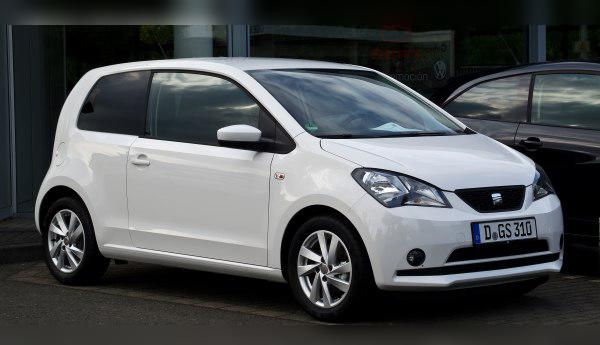
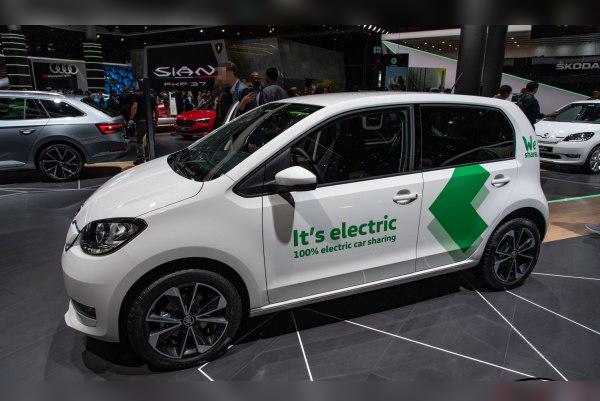

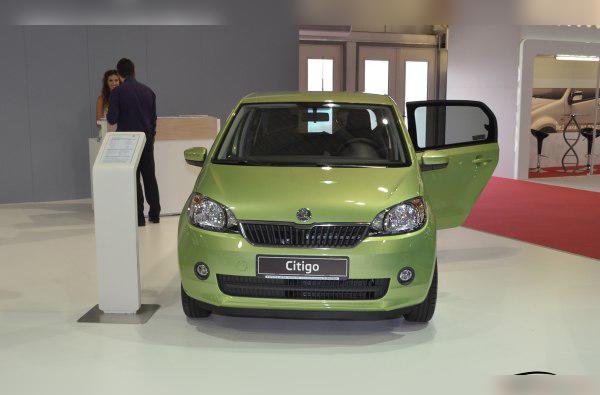
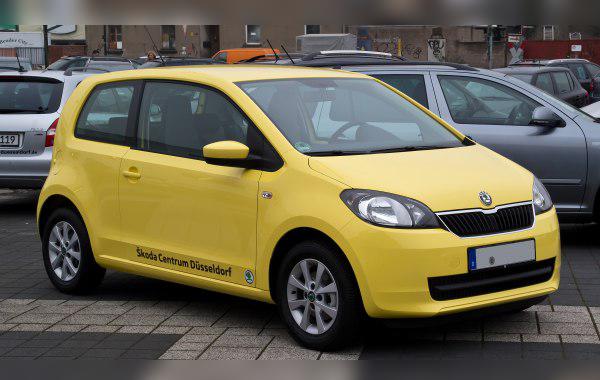
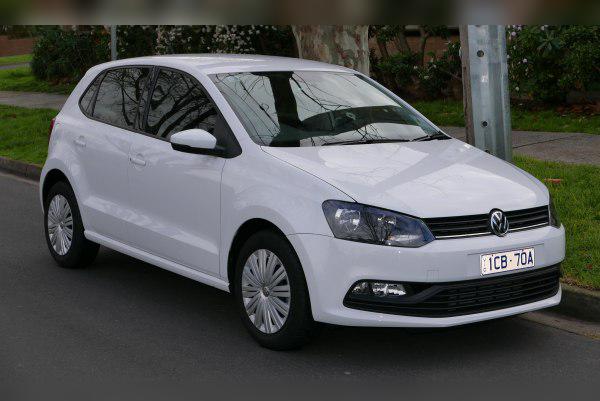
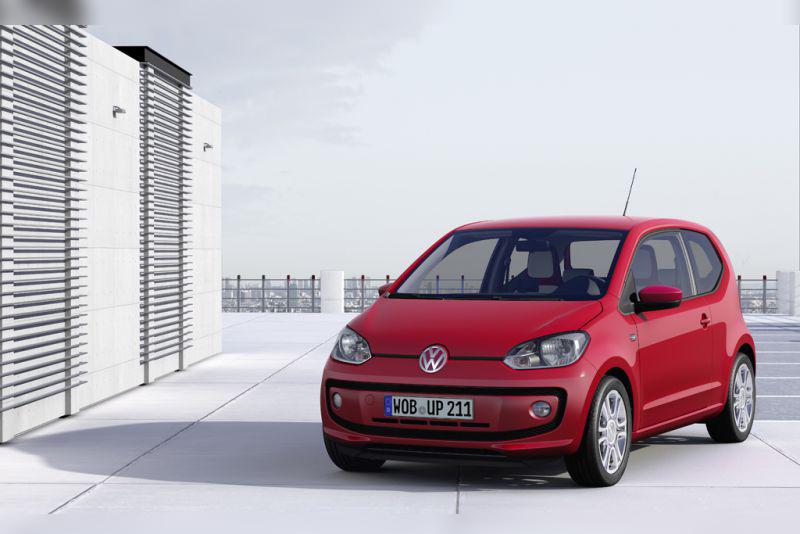
1.0 MPI (CHYA) – Experiences, issues, fuel consumption and used-car buying tips
This small three-cylinder engine is the heart of VAG’s “City” segment. If you’re thinking about buying a VW Up!, Škoda Citigo or Seat Mii, there’s a good chance you’re looking at this exact engine. Although it seems modest on paper, in practice it has proven to be one of the most cost-effective engines of the modern era, provided you understand its limitations.
Key points in short (TL;DR):
- Extremely reliable: Belongs to the EA211 series, which fixed the flaws of the old chain-driven engines.
- Low fuel consumption: In the city it’s “on home turf”, but on the motorway consumption rises drastically.
- Cheap to maintain: No dual-mass flywheel, no turbo, no expensive injectors.
- Ideal for LPG: Conventional port injection makes it a perfect candidate for LPG conversion.
- Avoid the ASG gearbox: The automated manual is slow, jerky and ruins the driving experience.
- Water pump: The most common, and practically the only serious failure you really need to watch out for.
Contents:
- Technical specifications
- Reliability and maintenance
- Specific components and emissions
- Fuel consumption and performance
- LPG and remapping
- Gearbox (Manual vs ASG)
- Buying used and conclusion
Technical specifications
| Parameter | Data |
|---|---|
| Name / Engine code | CHYA (EA211 family) |
| Displacement | 999 cc (1.0 litre) |
| Configuration | Inline, 3 cylinders, 12 valves |
| Power | 44 kW (60 hp) at 5000–6000 rpm |
| Torque | 95 Nm at 3000–4300 rpm |
| Injection type | MPI (Multi-Point Injection) – Indirect |
| Aspiration | Naturally aspirated – No turbo |
Reliability and maintenance
The CHYA engine belongs to the newer EA211 engine family. This is a key piece of information because older VAG engines had timing chain issues. Here the engineering has been done much more sensibly, with a focus on simplicity and longevity.
Timing belt or chain?
This engine uses a timing belt. That’s very good news. Unlike the old 1.2 engines with problematic chains, the timing belt on the CHYA is extremely durable. The manufacturer specifies the first inspection only at 240,000 km, but that’s overly optimistic for real-world use. In practice, mechanics recommend replacing the timing kit (belt, tensioner, water pump) at intervals between 160,000 km and 180,000 km or every 8–10 years, whichever comes first.
Minor and major service
Major service: As mentioned, it’s done preventively at around 160,000–180,000 km. Parts are affordable (depends on the market), because the engine is structurally simple.
Oil: The sump holds approximately 3.4 to 3.7 litres of oil (with filter). The most commonly recommended grade is 5W-30 (VW 504.00 standard), although newer models may require thinner oils such as 0W-20 (VW 508.00). Always check the sticker under the bonnet or the owner’s manual.
Oil consumption: Unlike some TSI engines, the 1.0 MPI is not known for high oil consumption. If the engine uses more than 0.5 litres per 10,000 km, this may indicate stuck piston rings (often due to stop‑and‑go city driving and infrequent oil changes) or leaks at the oil seals. Normal consumption is negligible between services.
Spark plugs and ignition coils
As it’s a petrol engine, spark plugs are crucial. They should be replaced every 60,000 km or 4 years. Symptoms of worn plugs include uneven idle (which is present to some extent on any three‑cylinder, but becomes more pronounced) and increased fuel consumption.
Most common failures
This engine rarely fails, but it does have one weak point: the water pump and thermostat housing. It’s often made of plastic which, over time and repeated heat cycles, becomes brittle and cracks, leading to coolant loss. Symptoms include pink stains under the car or a dropping coolant level in the expansion tank.
Specific components (costs)
This is where the CHYA engine really shines – it lacks most of the expensive parts that give diesel owners headaches.
- Dual-mass flywheel: NONE. The engine uses a conventional solid flywheel. The clutch is simple and cheap to replace.
- Turbocharger: NONE. This is a naturally aspirated engine. No turbo to “let go”, no intercooler, no complex pressurised pipework.
- Injectors (fuel injection): Uses an MPI (Multi-Point Injection) system. Injectors spray fuel into the intake manifold, not directly into the cylinder. These injectors are very tolerant of poorer fuel quality, inexpensive and rarely fail.
- DPF / EGR / AdBlue: No DPF (diesel particulate filter). There is an EGR valve, but given the petrol design it rarely clogs as badly as on diesels. It does not use AdBlue.
Note: Models produced after 2018/2019 (Euro 6d‑TEMP) may have a GPF (gasoline particulate filter), but on MPI engines it rarely causes issues because exhaust gas temperatures are high enough for passive regeneration.
Fuel consumption and performance
Is the engine “sluggish”?
With 60 hp and 95 Nm, you can’t expect miracles.
In VW Up!, Citigo and Mii models (weighing around 900 kg), the engine is surprisingly lively up to speeds of 60–70 km/h. The gearbox has short ratios in the first three gears, which makes it ideal for city getaways from the lights.
However, in the VW Polo, which is heavier and larger, this engine feels anaemic. Overtaking requires serious planning, and on inclines you’ll often find yourself dropping down to second gear.
Fuel consumption
- City driving: Expect between 5.5 and 6.5 l/100 km. If you’re very gentle, it can go below 5, but in heavy traffic it can reach 7.
- Country roads: This is where it’s a champion – consumption drops to 4.0–4.5 l/100 km at speeds of around 80 km/h.
- Motorway (130 km/h): Here the engine is out of its comfort zone. At 130 km/h it spins at a high 3,800–4,000 rpm. Noise increases and fuel consumption rises to 6.5–7.5 l/100 km because the engine is working hard to overcome aerodynamic drag.
Additional options and modifications
LPG conversion
The answer is a loud YES. This is one of the best modern engines for LPG conversion. Thanks to the MPI injection system, installation is simple, cheap (a “standard” sequential system) and cost‑effective. There’s no need for expensive systems for direct injection. The only thing to watch out for is that the installer doesn’t damage the plastic intake manifold while drilling.
Remapping (Stage 1)
Given that this is a small‑displacement naturally aspirated engine, remapping is a waste of money. You might gain 4–6 hp, which you won’t really feel in everyday driving. There is a 75 hp version of this engine (hardware‑identical, only unlocked in software at higher revs), so by remapping the CHYA you can “unlock” it to that power, but you’ll only notice it above 4,500 rpm. Torque (the thing that “pushes” you into the seat) remains almost the same.
Gearbox: Manual or ASG?
Two types of gearboxes are offered with this engine:
- Manual gearbox (5-speed): Precise, light and very reliable. The clutch is soft and ideal for city use. This is the recommended option.
- ASG / Automated manual (SQ100): This is NOT a conventional automatic with a torque converter, nor a DSG. It’s actually a manual gearbox with a “robot” (electric actuators) bolted on that operates the clutch and shifts gears instead of you.
Gearbox failures and maintenance
- Manual: Clutch kit replacement is cheap (depends on the market, but it’s among the cheapest). The gearbox oil is “lifetime fill” from the factory, but it’s recommended to replace it at around 150,000 km for smoother shifting.
- ASG (automatic): Avoid if possible. Driving is unpleasant – you feel your head “nodding” with every gear change (power interruption). Actuator (robot) failures are common, and the clutch wears out faster than on the manual because the robot sometimes lets it “slip” unnecessarily. Electronic gearbox repairs can be expensive.
Buying used and conclusion
The 1.0 MPI (CHYA) engine is an excellent choice for drivers who spend most of their time in the city or on secondary roads. Its simplicity is its biggest asset.
What to check before buying?
- Noise at start-up: Even though it’s belt‑driven, listen for any knocking until oil pressure builds up.
- Coolant leaks: Look around the thermostat housing (right-hand side of the engine when viewed from the front). If you see white or pink traces, budget for a new housing.
- Clutch: On the manual, check where it “bites”. A high biting point usually means it’s near the end of its life (very common on city cars).
- Idle quality: Mild vibrations are normal for a 3‑cylinder, but if the engine “jumps” or stalls, the problem may be a dirty throttle body or worn spark plugs.
Conclusion: If you’re buying a VW Up!, Citigo or Mii, this engine is a “perfect match”. It’s reliable, economical and cheap to maintain. If you’re buying a Polo, this engine is underpowered and it’s better to look for a 1.2 TSI or 1.0 TSI which, despite being more complex, offer an incomparably better out‑of‑town driving experience.
Was this content useful to you?
Your opinion helps us to improve the quality of the content.