EA211 evo / DPCA Engine
- Engine
- 1498 cm3
- Aspiration
- Turbocharger, Intercooler
- Fuel
- Petrol (Gasoline)
- Fuel injection system
- Direct injection
- Power
- 150 hp
- Torque
- 250 Nm
- Cylinders
- 4
- Valves
- 16, 4 per cylinder
- Cylinders position
- Inline
- Valvetrain
- DOHC
- Oil capacity
- 4.3 l
- Coolant
- 10 l
- Systems
- Start & Stop System, Particulate filter
# Vehicles powered by this engine
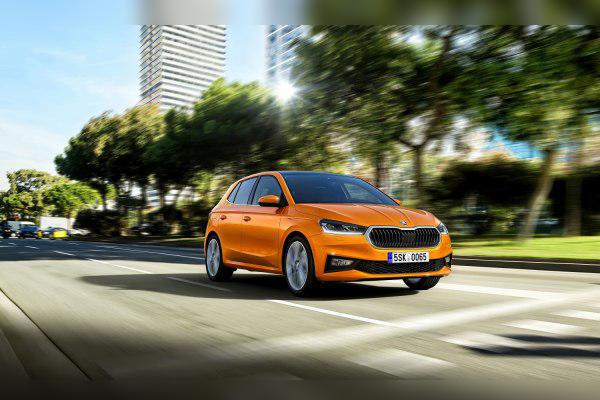
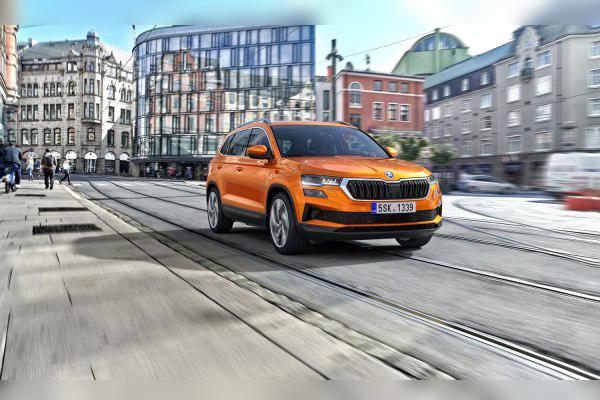

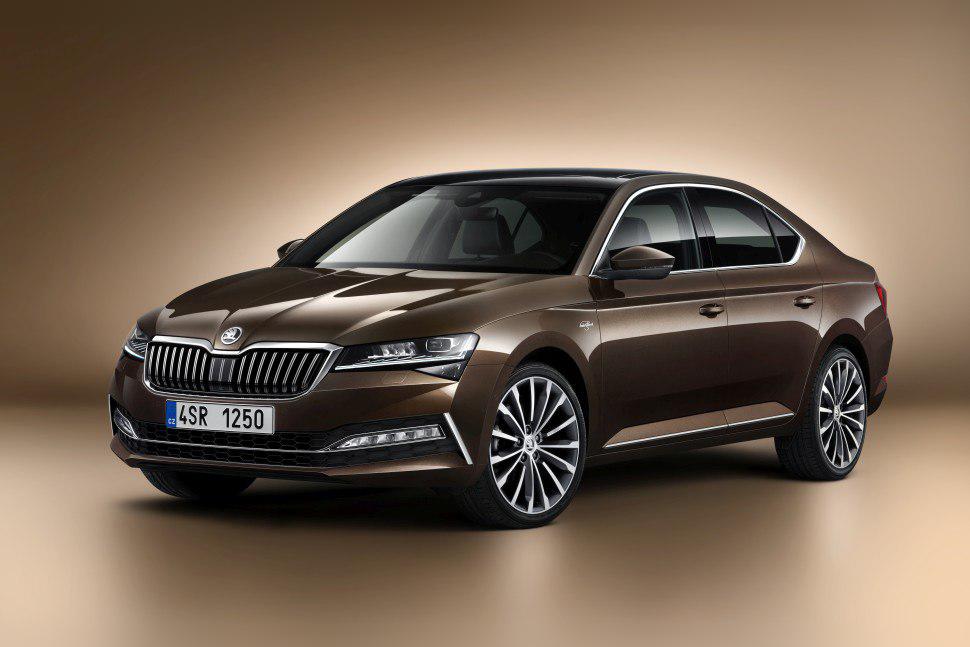
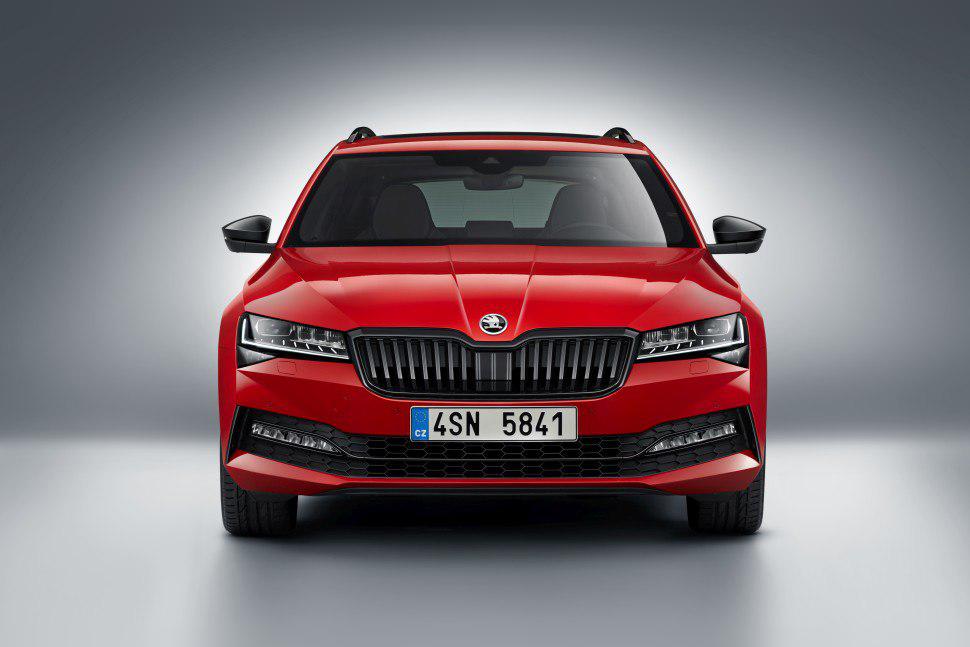

1.5 TSI (EA211 evo / DPCA) – Experiences, issues, fuel consumption and buying advice
Key points (TL;DR)
- Timing belt: The engine uses a timing belt, not a chain, which is generally good news for longevity, but it does require replacement.
- ACT technology: The cylinder deactivation system (Active Cylinder Technology) saves fuel, but can cause slight vibrations while cruising.
- Oil consumption: The modern 0W-20 standard (“water-like” oil) means the engine may consume a small amount of oil, but excessive consumption is not a systemic fault like on older TSI engines.
- “Kangaroo” effect: Early series (DADA code) had an issue with jerking when setting off (kangarooing). The DPCA version has mostly solved this, but check that the software has been updated.
- DSG gearbox (DQ200): The biggest “landmine” is not the engine, but the 7-speed DSG gearbox with dry clutch if the car is driven exclusively in heavy city traffic.
- Turbocharger: Uses a variable geometry turbo (VTG), which is rare on petrol engines – excellent response, but a more expensive part.
- Recommendation: Excellent balance of power and fuel consumption for the Fabia, Taigo, Karoq and Superb. For the Kodiaq it can feel a bit “stressed” if you drive fully loaded.
Contents
- Technical specifications
- Reliability, Maintenance and Oil
- Specific Parts and Costs (Injectors, Turbo, GPF)
- Fuel Consumption and Performance
- Gearbox: Manual vs DSG and Dual-mass flywheel
- Additional options (LPG and Remapping)
- Conclusion and Pre-purchase checks
Introduction
The 1.5 TSI EA211 evo engine (engine code DPCA) is the direct successor to the popular 1.4 TSI and forms the backbone of the Volkswagen Group’s petrol engines for mid-size models. This unit brings a number of technological innovations borrowed from the diesel world (such as the VTG turbo) and operates in the so‑called Miller cycle to reduce fuel consumption.
It is installed in a wide range of vehicles, from the small Volkswagen Taigo and Škoda Fabia, through saloons such as the Škoda Superb, all the way to heavy SUVs like the Kodiaq. This very versatility raises the main question: is this engine the “golden middle ground” or a compromise that will cost you your nerves?
Technical specifications
| Specification | Value |
|---|---|
| Displacement | 1498 cc (1.5 litres) |
| Power | 110 kW / 150 hp |
| Torque | 250 Nm at 1500–3500 rpm |
| Engine code | DPCA (EA211 evo) |
| Injection type | Direct injection (TSI/FSI), up to 350 bar |
| Induction | Variable geometry turbocharger (VTG) + intercooler |
| Cylinders / Valves | 4 cylinders / 16 valves (ACT 2‑cylinder deactivation system) |
Reliability and Maintenance
Timing belt or chain?
Good news for anyone who remembers the horror stories about chains on older TSI engines: the 1.5 TSI DPCA uses a timing belt. This system has proven to be very reliable. The manufacturer often states “lifetime” or very long replacement intervals (up to 210,000 km in some manuals for Western markets), but real‑world experience says otherwise.
Major service
Although the Volkswagen Group sometimes optimistically quotes huge mileage intervals, the recommendation for our conditions (poorer fuel, extreme temperatures, city driving) is:
- First belt inspection: at 120,000 km or 5 years.
- Timing kit replacement (Major service): Ideally between 150,000 km and 180,000 km or at the latest after 7–8 years due to rubber ageing.
Most common issues
The DPCA is a revised version of the original 1.5 TSI (DADA) engine and most of the early teething problems have been resolved, but pay attention to:
- “Kangarooing”: On a cold start, the engine may jerk in first and second gear. This is mostly a software issue with mixture control. It is resolved by a software update at an authorised dealer.
- ACT system (Active Cylinder Technology): The system deactivates the two middle cylinders under light load. Although mechanically reliable, it can cause unpleasant vibrations or a strange engine sound. Some drivers also report increased oil consumption if the car is driven predominantly in this mode.
- Coolant leaks: The water pump and thermostat module is complex and made of plastic. Over time, leaks may appear on the housing.
Oil: Capacity and Consumption
This engine takes approximately 4.3 litres of oil. It is crucial to use the correct grade. VW specifies standard VW 508.00 / 509.00 for this engine (due to the GPF and low friction), which is most often viscosity 0W-20. This is an extremely thin oil, “almost like water”.
Does it consume oil? Yes, it can. Due to the thin oil and low‑friction piston rings, consumption of 0.2 to 0.4 litres per 1000 km can be considered “technically acceptable” according to factory standards, even though it is frustrating for owners. In practice, most modern DPCA engines do not consume alarming amounts, but you should check the oil level every 2–3 thousand kilometres, especially before long trips.
Specific Parts (Costs)
Dual-mass flywheel
Yes, this engine has a dual-mass flywheel (DMF). This applies to both manual gearbox versions and most DSG models. Its service life is usually around 150,000–200,000 km, depending on driving style. Symptoms of failure include metallic rattling when switching off the engine and vibrations at idle. Replacement is expensive (expect costs of €500 to €800 including the clutch kit, depending on brand and workshop).
Injection system and injectors
The system operates at very high pressure (up to 350 bar). The injectors are precise and sensitive to poor fuel quality. They are not prone to widespread failure, but when they do fail, replacement is very expensive. Also, as with all direct‑injection engines, carbon build‑up on the intake valves becomes a reality after 100,000+ km, which may require mechanical cleaning (walnut shell blasting).
Turbocharger
The engine has a single turbocharger, but a specific one – with variable geometry (VTG). This is technology borrowed from diesels. It provides excellent throttle response even at low revs. The turbo is generally reliable and water‑cooled, so its service life is long, often matching the life of the engine, provided the oil is changed regularly.
GPF (petrol particulate filter) and EGR
All models with the DPCA code (Euro 6d standards) have an OPF/GPF filter (Otto Particulate Filter). Unlike diesel DPFs, petrol particulate filters heat up faster and regenerate more easily and passively while driving. Clogging is very rare, unless the car is driven exclusively on very short trips (under 3–4 km) in winter. There is an EGR valve and it can get dirty, but this is not a primary issue with this engine.
Fuel Consumption and Performance
Real-world fuel consumption
This engine is an efficiency champion when everything is working correctly. Thanks to cylinder deactivation (ACT), it is extremely economical on the open road.
- City driving:
- Škoda Fabia / VW Taigo: 6.5–7.5 l/100 km
- Škoda Karoq / Superb: 7.5–9.0 l/100 km
- Škoda Kodiaq: 8.5–10.0 l/100 km (the heavy body takes its toll in stop‑and‑go traffic).
- Country roads: It is possible to get down to around 5.0 l/100 km.
- Motorway (130 km/h): Consumption is around 6.5–7.5 l/100 km, depending on the vehicle’s aerodynamics (SUVs use more).
Performance and “sluggishness”
With 150 hp and 250 Nm, the engine is not sluggish in most models.
For the Fabia, Taigo and Karoq, this is “more than enough” power; the car feels lively.
For the Superb, it is an adequate engine for normal driving; overtakes are safe.
For the Kodiaq (especially fully loaded with passengers and luggage), the engine will need to rev high when overtaking uphill. The lack of torque is noticeable compared to the 2.0 TDI in the same body.
Motorway and cruising
Thanks to the 7‑speed DSG gearbox or the 6‑speed manual with long gearing, at 130 km/h the engine runs quietly and relaxed, usually at around 2,200–2,500 rpm. This makes it an excellent long‑distance cruiser.
Additional Options and Modifications
LPG conversion
Not recommended and expensive. Since this is a direct‑injection engine, it requires a special (and costly) sequential LPG system that still uses a certain percentage of petrol to cool the petrol injectors, or an even more expensive liquid LPG injection system. The cost‑effectiveness is questionable unless you drive more than 30,000 km per year.
Remapping (Stage 1)
The engine has potential. A safe Stage 1 remap usually raises power to around 170–180 hp and torque to about 300–320 Nm. However, be careful if you have a DSG gearbox (DQ200), as it is factory‑rated for a maximum of 250 Nm. Excessive torque can shorten the life of the gearbox clutches.
Gearbox: Manual and Automatic (DSG)
Types of gearboxes
- Manual (6‑speed): Usually code MQ281. Precise, reliable, easy to use.
- Automatic (7‑speed DSG): Code DQ200. This is a gearbox with a dry clutch.
Most common issues and maintenance
Manual gearbox: Very reliable. Oil change is not officially prescribed, but is recommended every 100,000 km. The main expense is the clutch kit and dual‑mass flywheel.
DSG (DQ200): This is the weak point. Because it has dry clutches, it does not like “creeping” in traffic jams (stop‑and‑go driving without fully releasing the brake).
Symptoms of failure: Shuddering when setting off, jolts when changing gears, delayed response.
Mechatronics: The electro‑hydraulic “brain” of the gearbox can fail; repair is expensive (often €500–€1000).
DSG maintenance: Although VW claims the DQ200 is “maintenance‑free” (sealed for life), experienced mechanics recommend changing the oil in the mechatronics and gear set every 60,000–80,000 km to extend its life.
Used car purchase and Conclusion
What to check before buying?
- Cold start: Insist on starting the car when the engine is completely cold. Listen for any chain‑like rattling (even though it has a belt, the cam phasers can make noise) and check that the engine runs smoothly without “kangarooing” when setting off.
- Test drive: Pay attention to the transition into 2‑cylinder mode (ACT). The instrument cluster will show “Eco” or similar. There should be no strong jerk.
- DSG behaviour: If it’s an automatic, release the brake on level ground – the car should move off immediately and smoothly. Any hesitation or jerk is a sign of worn clutches.
- Service history: Check whether servicing has been done on time and whether 0W‑20 or 5W‑30 oil of the correct specification has been used.
Final verdict
The 1.5 TSI (DPCA) engine is a technological gem that offers diesel‑like fuel consumption in a petrol package. It is ideal for drivers who cover up to 20–25 thousand kilometres per year, drive a mix of city and highway, and want the refinement of a petrol engine.
Who is it NOT for? Drivers who tow heavy trailers, those who drive exclusively in stop‑and‑go rush‑hour traffic (because of the GPF and DSG clutches), or those who expect sports‑car performance from a heavy Kodiaq.
If you are choosing between this and the 2.0 TDI: the 1.5 TSI is cheaper to buy and quieter, but the 2.0 TDI is still the king of long‑distance journeys and heavy bodies.
Was this content useful to you?
Your opinion helps us to improve the quality of the content.