B58B30S Engine
- Engine
- 2998 cm3
- Aspiration
- Twin-power turbo, Intercooler
- Fuel
- Petrol / electricity
- Fuel injection system
- Direct injection
- Power
- 381 hp
- Torque
- 520 Nm
- Cylinders
- 6
- Valves
- 24, 4 per cylinder
- Cylinders position
- Inline
- Valvetrain
- DOHC
- Systems
- Start & Stop System, Particulate filter
# Vehicles powered by this engine
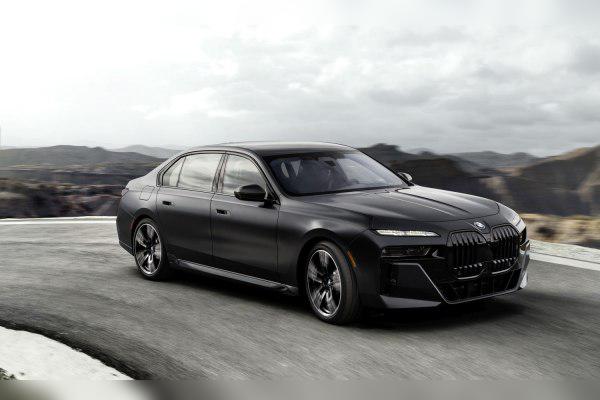
BMW B58B30S (M760e) – Experiences, issues, fuel consumption and buying a hybrid beast
Key points (TL;DR)
- Powertrain type: Inline six-cylinder (R6) paired with a powerful electric motor (PHEV). One of the best BMW engines of the modern era.
- Reliability: Extremely high for this class. The B58 block is “bulletproof”, but peripherals (cooling, sensors) can cause problems.
- Maintenance: Requires strict maintenance. Oil changes every 10,000–15,000 km at most are a must, despite factory recommendations.
- Biggest downside: Complex cooling system and potential coolant leaks. The timing chain is at the back, which makes any replacement more expensive.
- Fuel consumption: As a hybrid it can use 0 l/100 km, but with an empty battery on the motorway expect 9–11 l/100 km due to the vehicle’s high weight.
- Recommendation: Highly recommended for those who want V8 performance with registration costs and fuel consumption of a straight-six.
Contents
The engine with the code B58B30S represents the pinnacle of Munich engineering in the three‑liter petrol class. In this specific case, we are talking about the variant installed in the BMW 7 Series (G70) M760e. This is not an ordinary engine; it is the heart of the plug‑in hybrid system that has to move a huge limousine, delivering sports‑car performance while remaining environmentally acceptable. The B58 has already achieved cult status (it is even used in the Toyota Supra), and in this “S” iteration it brings optimizations for hybrid drive. Although it seems perfect, the complexity of the system in the G70 brings specific challenges that every future owner needs to be aware of.
Technical specifications
| Engine displacement | 2998 ccm (3.0 l) |
| Power (ICE engine) | 280 kW (381 hp) |
| System power (Hybrid) | 420 kW (571 hp) |
| Torque (ICE engine) | 520 Nm |
| Configuration | Inline 6 cylinders (Inline‑6) |
| Engine code | B58B30S (B58 TU2 variants) |
| Charging method | TwinPower Turbo (single turbo, twin‑scroll) |
| Injection | Direct injection (High Precision Injection) |
Reliability and Maintenance
Chain or belt?
This engine uses a timing chain. What you need to know is that the chain is located on the rear side of the engine (towards the gearbox/cabin). Although the chain on B58 engines has shown exceptional durability and rarely causes issues before 200,000 km, if it does need to be replaced (due to rattling or stretching), it is a very expensive job because the engine has to be removed from the car. (Cost: Very expensive, depends on the market).
Most common failures
Although the B58 is more reliable than its predecessors (N54/N55), M760e owners should pay attention to:
- Coolant loss: This is the most common issue. Causes can be the expansion tank cap, the tank itself, but also the Heat Management Module or the water pump. Symptoms include frequent need to top up coolant and a sweet smell of vapor under the hood.
- PCV valve (crankcase ventilation): It is integrated into the valve cover. When it fails, you can hear a characteristic whistling sound and oil consumption increases. The solution is often to replace the entire valve cover.
- Oil leaks at the filter housing: The seals weaken over time due to thermal cycles, which leads to oil leaking down the engine block.
- VANOS solenoids: They can get dirty or fail, causing rough running and a “check engine” light. Regular oil changes prevent this.
Service intervals and oil
Do not follow the factory 30,000 km “Long Life” intervals. For this engine, especially in a heavy body like the G70, you should do a minor service every 10,000 to 12,000 km or once a year. A major service (timing chain) is not done preventively at a fixed mileage; instead, the condition of the chain is checked by listening to a cold start after 150,000 km.
The engine takes approximately 6.5 liters of oil. The recommended grade is usually 0W‑20 (BMW Longlife‑17 FE+) due to tight tolerances and the hybrid operating mode (frequent starts/stops), although in warmer climates 5W‑30 can also be used (after checking the specification).
Oil consumption and spark plugs
A healthy B58 engine should not consume a significant amount of oil. Consumption of 0.5 liters per 10,000 km is acceptable, but anything over 1 liter points to an issue with the PCV valve, piston rings or turbo. Spark plugs, due to direct injection and high performance, should be replaced every 40,000 to 60,000 km. Skipping replacement can lead to ignition coil failure.
Specific Parts (Costs)
Dual‑mass flywheel and injection
Since this is a plug‑in hybrid with an automatic gearbox, the torque transfer system is specific. There is a vibration damping system (similar in function to a dual‑mass flywheel) integrated into the hybrid gearbox assembly. Failures are rare, but repairs are expensive. The injection system uses high‑pressure injectors (direct injection) operating at pressures above 200 bar. They are generally reliable, but sensitive to poor fuel quality. Symptoms of problems include hesitation under acceleration or black smoke from the exhaust.
Turbocharger
The “TwinPower Turbo” label is often confusing. This engine has a single turbocharger with twin‑scroll technology (two exhaust gas channels). Their service life is very long (over 200,000 km) with regular oil changes and proper cooldown after spirited driving.
Emissions: GPF and EGR
This model, as a modern petrol engine (Euro 6d and newer), is equipped with a OPF/GPF filter (gasoline particulate filter). It rarely clogs compared to a diesel DPF because petrol burns cleaner and at higher temperatures. An EGR valve is present, but on petrol engines it causes far fewer issues than on diesels and rarely needs cleaning before high mileage. AdBlue is NOT used; it is reserved exclusively for diesel engines.
Fuel Consumption and Performance
Real‑world consumption and city driving
Fuel consumption in the M760e depends heavily on whether you charge the battery.
- With a full battery: In the city you can drive with 0 l/100 km of petrol until the battery is depleted (a realistic 40–60 km of electric‑only range).
- With an empty battery (Hybrid mode): In heavy city traffic, expect consumption of 10 to 13 l/100 km. Keep in mind that the car weighs over 2.5 tons.
Is the engine “lazy”?
Absolutely not. With a combined 571 hp and 800 Nm (system output), this car “flies”. The electric motor instantly fills any “gap” before the turbo spools up, so throttle response is brutal and immediate. The sense of weight disappears under acceleration, but you can feel it under hard braking or in corners.
Motorway
This is the natural habitat of the 7 Series. At 130 km/h the engine is “relaxing” thanks to the 8‑speed gearbox, spinning at around 1,800–2,000 rpm. Motorway consumption (where the hybrid system helps less) ranges between 8.5 and 10.5 l/100 km, depending on driving style.
Additional Options and Modifications
LPG conversion
Theoretically, it is possible to install a liquid‑injection LPG system (LDI), but in practice – do not do it. The engine has direct injection, complex electronics and a hybrid setup. An LPG conversion would be extremely expensive (over 1500–2000 EUR), would ruin the luggage space (already reduced by the batteries) and would drastically lower the vehicle’s value. Also, the risk of cylinder head overheating is higher.
Remap (Stage 1)
The B58 is known as the “modern 2JZ” because of its tuning potential. A Stage 1 software tune of the petrol engine alone can safely raise power to around 420–440 hp (engine only), which pushes system output close to 600+ hp. However, with the M760e you need to be careful because of the integration with the hybrid system and gearbox. Excessive torque can shorten the life of the hybrid transmission.
Gearbox
Type of gearbox and reliability
This engine is paired exclusively with a ZF 8‑speed automatic gearbox (Steptronic), specifically adapted for PHEV vehicles (the electric motor is inside the gearbox housing, where the torque converter would normally be). A manual gearbox is not available with this setup.
Failures and maintenance
This is one of the best gearboxes in the world. Mechanical failures are rare. The most common issues are software‑related or due to overheating if the car is driven extremely hard. Although BMW claims the gearbox oil is “lifetime”, the gearbox manufacturer (ZF) recommends changing the oil and pan (which contains the filter) every 80,000 to 100,000 km. On a heavy vehicle like the M760e, this is essential to preserve the mechatronics.
There is no clutch replacement cost here in the classic sense as with a manual, but any overhaul of the hybrid gearbox is extremely expensive (several thousand euros).
Buying used and Conclusion
When buying a used M760e with this engine, make sure to check:
- Cold start: Listen for timing chain rattle in the first 3–5 seconds or whistling from the PCV valve.
- Signs of leaks: Inspect the engine bay for white traces of dried coolant.
- Service history: Check whether the oil was changed more frequently than the factory 30,000 km interval.
- Condition of the hybrid battery: Use diagnostics to check the State of Health (SOH) of the high‑voltage battery.
Conclusion: The B58B30S in the M760e is a fantastic engineering achievement. It offers smoothness, silence and brutal power. It is more reliable than the V8 engines it replaces, but the complexity of the hybrid system and the electronics of the G70 series means this is not a car for those with shallow pockets when it comes time for maintenance. It is intended for drivers who want absolute luxury and technological dominance and are willing to pay for proper maintenance.
Was this content useful to you?
Your opinion helps us to improve the quality of the content.