EA189 / CAYC Engine
- Engine
- 1598 cm3
- Aspiration
- Turbocharger, Intercooler
- Fuel
- Diesel
- Fuel injection system
- Diesel Commonrail
- Power
- 105 hp @ 4400 rpm
- Torque
- 250 Nm
- Cylinders
- 4
- Valves
- 16, 4 per cylinder
- Cylinders position
- Inline
- Valvetrain
- DOHC
- Oil capacity
- 4.3 l
- Coolant
- 8 l
- Systems
- Particulate filter
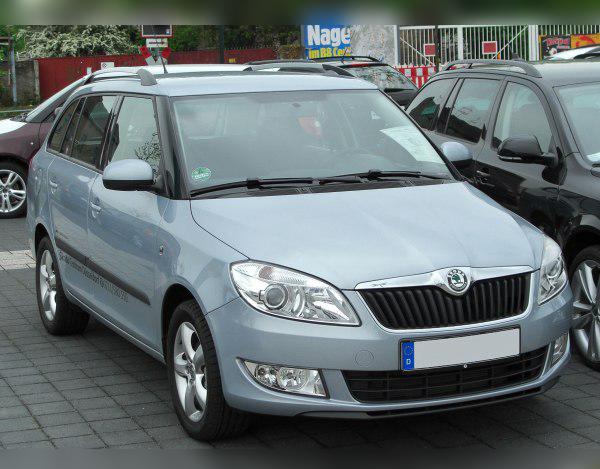
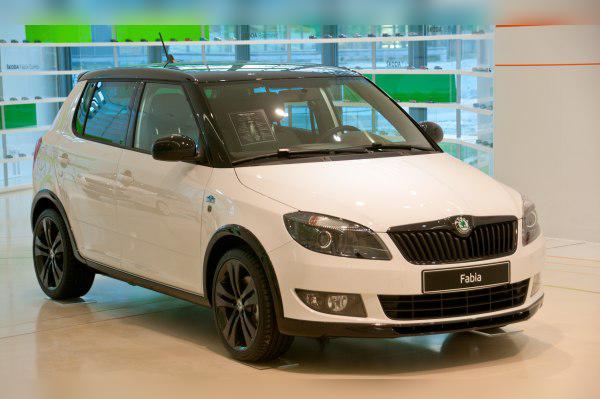
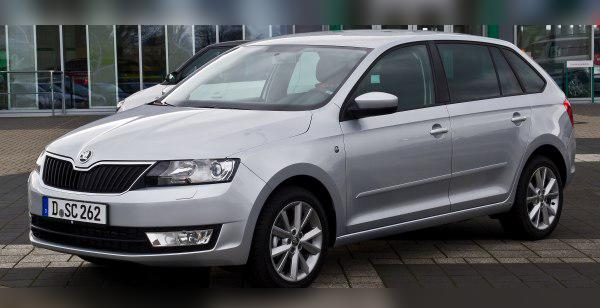
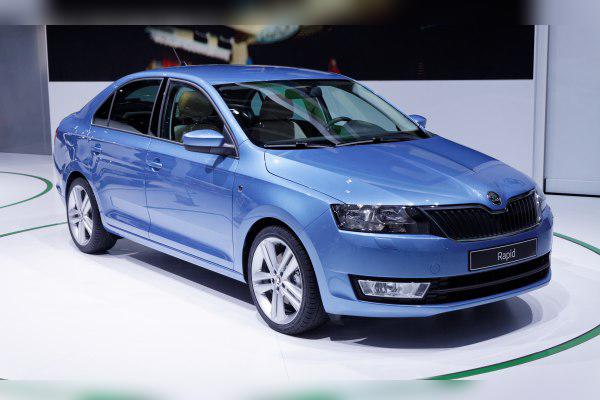
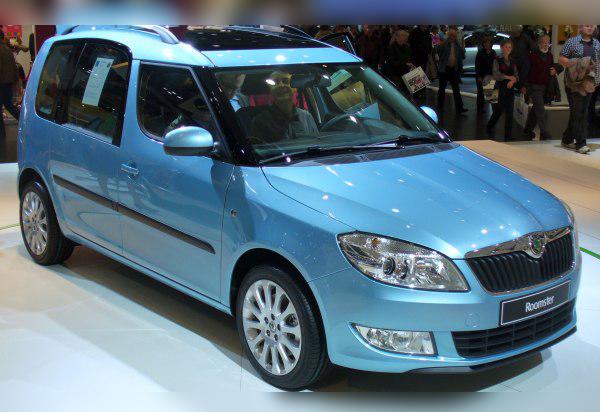
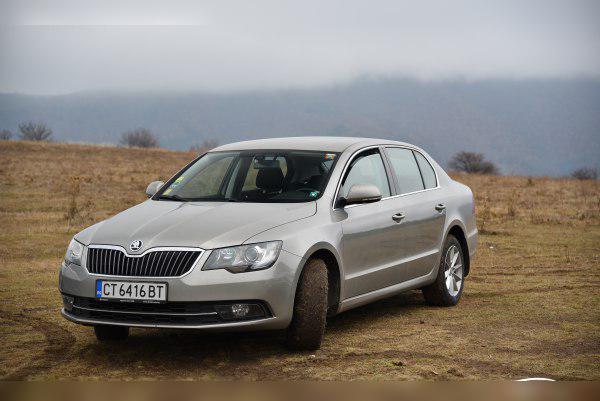
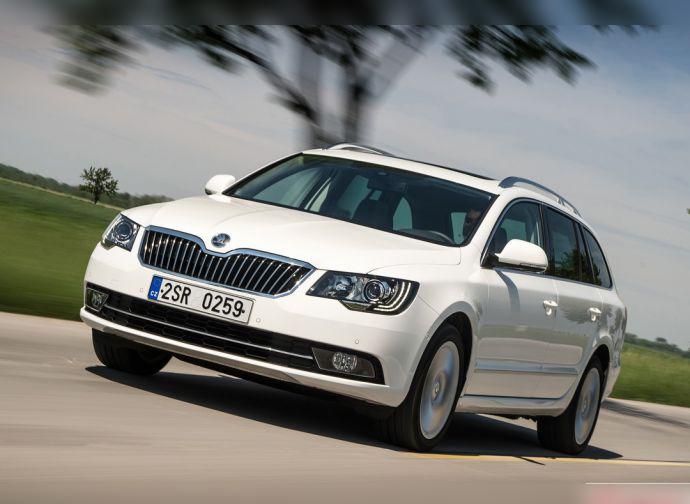
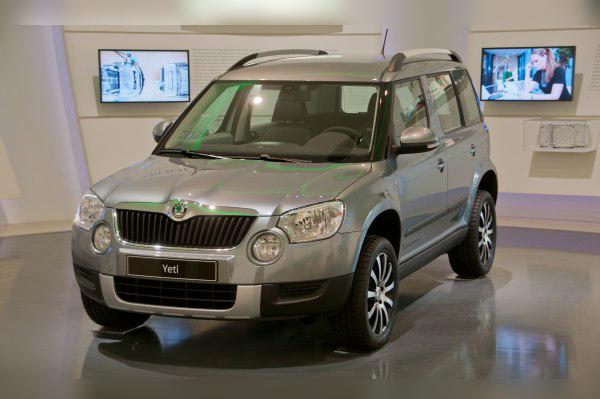
# Vehicles powered by this engine
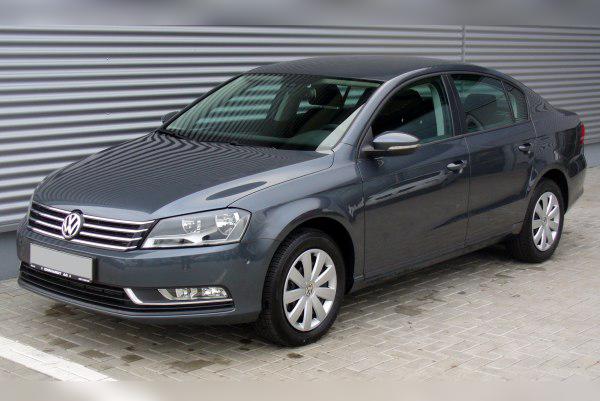
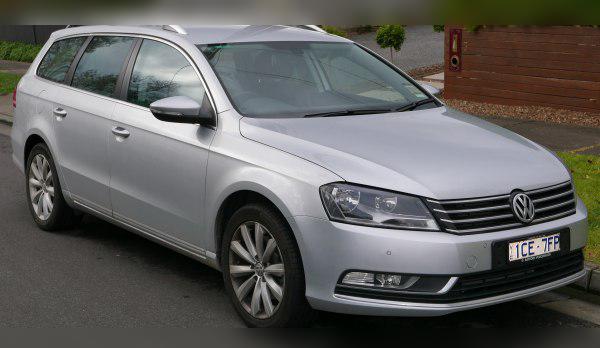
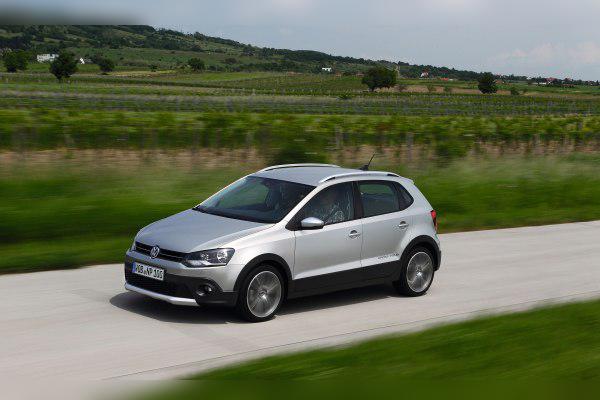
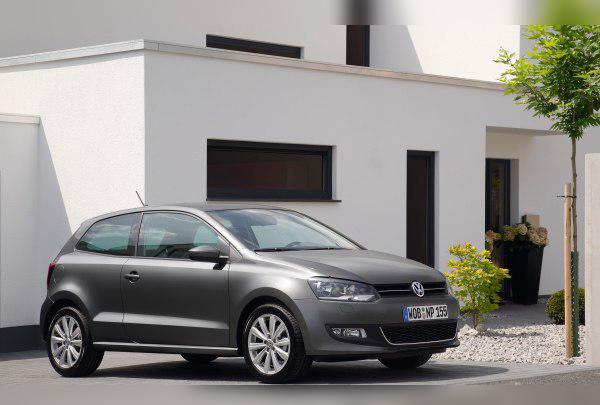
1.6 TDI EA189 (CAYC) 105 HP – Experiences, Problems, Fuel Consumption and Buying Tips
Key points in short (TL;DR)
- Successor to a legend: This engine replaced the famous 1.9 TDI, bringing quieter operation (Common Rail) and lower fuel consumption, but also more expensive maintenance.
- Injectors are the weak spot: Piezo injectors (Siemens/Continental) are known for being sensitive to poor-quality fuel and expensive to replace.
- EGR and DPF issues: Especially after the infamous "Dieselgate" software update, EGR valves and coolers are prone to failure.
- Timing belt service: The camshaft is driven by a timing belt, and factory intervals are long, although mechanics recommend shortening them.
- Dual-mass flywheel: Yes, the 105 HP version almost always has it, and it is considered a consumable part.
- Intended use: Ideal for country roads and highway driving where it sips fuel; in city driving the DPF clogs quickly.
Contents
- Introduction: Successor to the 1.9 TDI throne
- Technical specifications
- Reliability, Maintenance and Failures
- Specific parts and injection system
- Fuel Consumption and Performance
- Tuning and Modifications
- Gearbox: Manual and DSG
- Buying used and Conclusion
Introduction: Successor to the 1.9 TDI throne
The engine with the code CAYC belongs to the EA189 family and is one of the most important powerplants of the Volkswagen Group in the period from 2009 to 2015. Its task was anything but easy – it had to replace the legendary, "indestructible" 1.9 TDI PD engine. Unlike its predecessor, which used the unit injector system, the 1.6 TDI uses a more modern and quieter Common Rail injection system.
It was installed in practically everything – from the small VW Polo and Škoda Fabia, through family cars such as the Golf and Octavia, all the way to large saloons like the VW Passat B7 and Škoda Superb. The 105 HP (77 kW) version is the "golden middle" – not as underpowered as the 75/90 HP versions, yet economical enough to be the first choice of fleet buyers across Europe.
Technical specifications
| Specification | Data |
|---|---|
| Displacement | 1598 cc |
| Power | 77 kW (105 HP) at 4400 rpm |
| Torque | 250 Nm at 1500–2500 rpm |
| Engine code | CAYC (EA189 family) |
| Injection | Common Rail (Piezo injectors) |
| Turbocharger | VGT (Variable geometry) |
| Camshaft drive | Timing belt |
| Emission standard | Euro 5 |
Reliability, Maintenance and Failures
Timing system: Belt or chain?
This engine uses a timing belt to drive the camshafts. The factory-recommended replacement interval is an optimistic 210,000 km. However, as an experienced editor, I advise you to ignore that interval. In practice, the water pump (driven by the belt) is a weak point and can start leaking or seize earlier. Recommendation: Do the full timing service at a maximum of 160,000 to 180,000 km or every 5 to 7 years, whichever comes first. A snapped belt means catastrophic engine damage.
Oil and oil consumption
The engine takes approximately 4.3 litres of oil. Due to the presence of a DPF filter, it is mandatory to use oil that meets the VW 507.00 specification (Low SAPS), most commonly in 5W-30 grade. Using the wrong oil will permanently destroy the DPF filter.
As for oil consumption, the 1.6 TDI CAYC is generally good. A healthy engine should not consume more than 0.5 litres per 10,000 km. If it consumes more, this is often a sign of turbocharger issues or worn piston rings (on very high-mileage engines).
Most common failures
- EGR valve and cooler: This is the "cancer" of this engine. Soot builds up in the EGR mechanism, causing it to stick. Symptoms include loss of power ("safe mode") and the glow plug warning light coming on. The EGR cooler often fails as well, leading to a slight loss of coolant. Replacement is expensive (depends on the market, but expect a serious bill).
- Exhaust gas pressure sensor (G450): A very common and cheap failure. When it fails, the car does not know how full the DPF is and can go into limp mode.
- Oil leaks: Often occur at the valve cover gasket around the injectors.
Specific Parts and Costs
Injectors – Achilles’ heel
Unlike Bosch solenoid injectors, which are cheaper to refurbish, the 1.6 TDI CAYC uses Siemens/Continental Piezo injectors. They are extremely precise but also sensitive. The problem is that over time they clog up or the electronics inside them fail ("short circuit" in the piezo element).
Symptoms: Knocking noise from the engine on cold start, rough idle, engine stalling while driving. Overhauling these injectors is difficult and often unsuccessful; usually you have to buy new or factory-refurbished ones, which is very expensive (depending on the market, a set of injectors can cost a significant percentage of the vehicle’s value).
Dual-mass flywheel
Yes, the 105 HP version has a dual-mass flywheel in about 95% of cases. Its lifespan is usually around 200,000 km, but this depends heavily on driving style. City driving kills it faster. Symptoms include a metallic knocking sound when switching off the engine and vibrations in the clutch pedal.
Turbo, DPF and AdBlue
The engine has a single turbocharger with variable geometry. It is durable, provided that the oil is changed on time (ideally every 10–15,000 km, not at 30,000 as prescribed by LongLife service).
The DPF filter is standard. If you only drive in the city, it will clog. You need to take the car out on the open road from time to time.
AdBlue: This generation (EA189 Euro 5) does not have AdBlue in most cases. This is good news for maintenance, as there are no AdBlue heaters and pumps that tend to fail on newer models.
Fuel Consumption and Performance
Real-world fuel consumption
This is the strongest card of this engine.
- City: Expect between 6.0 and 7.5 l/100 km, depending on traffic and how heavy your right foot is. Slightly more in winter.
- Country roads: This is where the engine shines. It is possible to get down to 4.0–5.0 l/100 km.
- Motorway (130 km/h): Consumption is around 5.5–6.0 l/100 km.
Is the engine "lazy"?
The answer depends on the body style. In a VW Polo, Škoda Fabia or Rapid, this engine is more than adequate and the car feels lively. However, in a Passat B7 or Superb, the lack of displacement can be felt. For normal driving it is perfectly fine, but overtaking on country roads with a fully loaded car requires dropping a gear and planning ahead. It’s not a sprinter, it’s a marathon runner.
At 130 km/h the engine runs at about 2200–2500 rpm (depending on whether the gearbox has 5 or 6 gears), which is comfortable for cruising.
Additional Options and Modifications
Chip tuning (Stage 1)
The 1.6 TDI CAYC is a heavily "detuned" engine. It can be very easily uprated via software. A safe Stage 1 tune raises power to about 135–140 HP and torque to about 300–310 Nm.
Risk: Although the engine can handle this increase, keep in mind that the clutch and dual-mass flywheel are under more stress. Also, if the injectors are already worn, a remap will speed up their failure.
Gearbox
Manual gearbox
Most commonly paired with a 5-speed manual gearbox (code MQ250). These gearboxes are generally reliable. In some BlueMotion or 4x4 versions (e.g. Yeti) you can find a 6-speed gearbox. The factory does not prescribe oil changes in the manual gearbox, but it is recommended to change it every 150,000 km for smoother shifting.
Automatic gearbox (DSG)
Be careful here. With the 1.6 TDI you only get the 7-speed DSG with dry clutch (DQ200). This gearbox has a bad reputation, especially in the early production years.
Problems: Clutch pack wear in city stop-and-go driving and mechatronic unit failures.
Maintenance: Although VW says the oil is "lifetime", service specialists recommend changing the oil in the mechatronic unit and in the gearbox itself. DSG repairs are very expensive (depending on the market, they often exceed 1000 EUR).
Buying Used and Conclusion
What to check before buying?
- Injector diagnostics: Be sure to check injector correction values on a cold engine. If the deviations are large, prepare for a big expense.
- Flywheel noise: Listen for metallic knocking while the car is idling and whether the car shakes when you switch it off.
- DPF status: Check the soot mass / DPF load via diagnostics.
- Cooler: Look for traces of coolant leakage around the EGR valve.
Final conclusion
The 1.6 TDI CAYC engine is a rational choice for drivers who cover a lot of kilometres, mainly on open roads. It is extremely economical and reasonably refined. However, as a used car it carries the risk of higher maintenance costs (injectors, EGR, flywheel) compared to older diesels. If you are buying an example with more than 200,000 km, make sure you have a "rainy day fund" for potential injection system repairs.
For city driving and short trips, this engine is not recommended because of the DPF filter – in that case a petrol engine is a better choice.
Was this content useful to you?
Your opinion helps us to improve the quality of the content.