EA189 / CAYA Engine
- Engine
- 1598 cm3
- Aspiration
- Turbocharger, Intercooler
- Fuel
- Diesel
- Fuel injection system
- Diesel Commonrail
- Power
- 75 hp @ 4000 rpm
- Torque
- 195 Nm
- Cylinders
- 4
- Valves
- 16, 4 per cylinder
- Cylinders position
- Inline
- Valvetrain
- DOHC
- Oil capacity
- 4.3 l
- Coolant
- 8 l
- Systems
- Particulate filter
# Vehicles powered by this engine
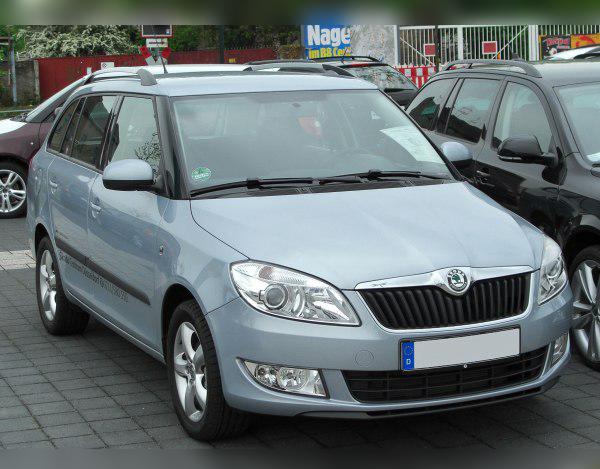
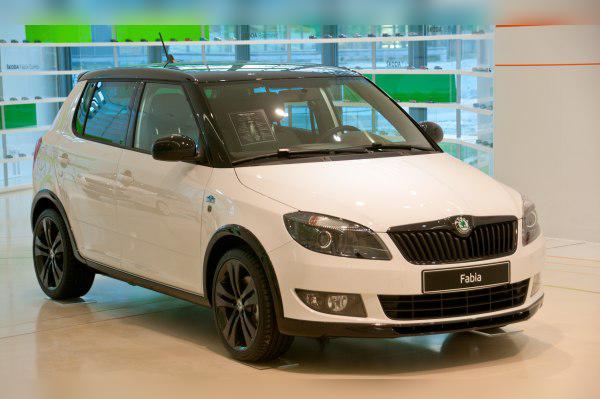
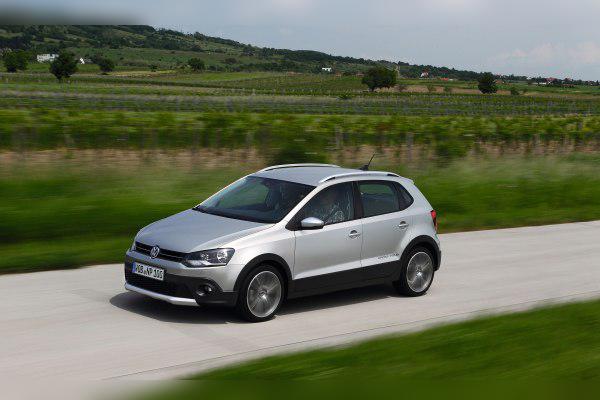
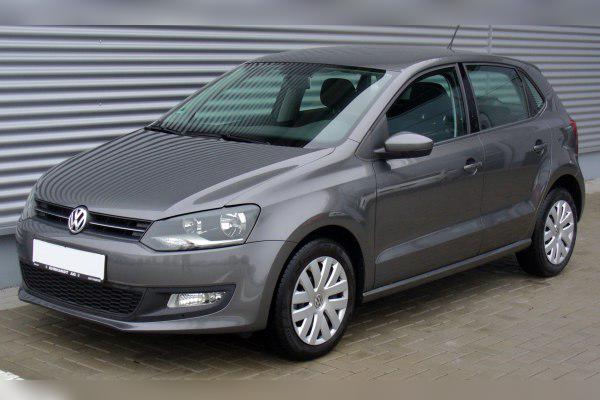
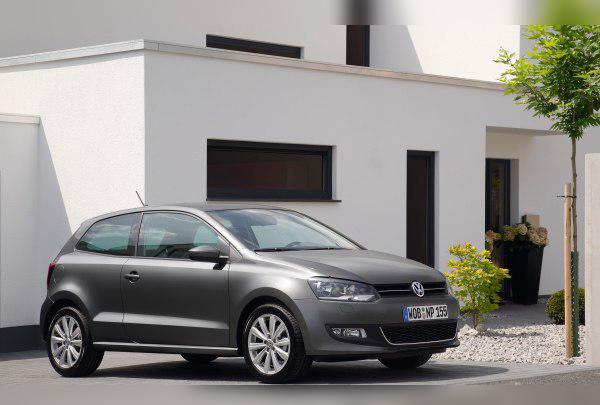
1.6 TDI (CAYA) 75 HP – Experiences, problems, fuel consumption and buying tips
Key points in short (TL;DR)
- Injectors: The Achilles' heel of this engine. Piezo injectors (Siemens/Continental) are sensitive and expensive to refurbish.
- EGR valve and DPF: Frequently fail, especially after the "Dieselgate" software update and with predominantly city driving.
- Flywheel: Good news – the 75 HP version in the Polo and Fabia usually comes with a solid flywheel, which makes maintenance cheaper.
- Power: In the stock 75 HP version the engine is quite sluggish on open roads, but perfectly adequate for city driving.
- Tuning potential: Huge. This engine is almost hardware-identical to the 90 and 105 HP versions, so it can be easily "unlocked" via software.
- Fuel consumption: Extremely low, one of the most economical in its class.
- Timing belt drive: Reliable, but must be replaced on time together with the water pump.
Contents
- Introduction and applications
- Technical specifications
- Reliability and maintenance
- Specific parts and injection system
- Fuel consumption and performance
- Tuning and modifications
- Gearbox and drivetrain
- Buying used and conclusion
Introduction: Successor to legends with modern problems
The engine with the code CAYA belongs to the EA189 family of engines. This was Volkswagen’s attempt to replace the legendary 1.9 TDI engines and the noisy three‑cylinder 1.4 TDI engines (PD system) with a newer, quieter and cleaner Common Rail technology.
The specific 75 HP (55 kW) version is the entry‑level diesel for the VAG group of that era. It was primarily installed in B‑segment models such as the VW Polo V and Škoda Fabia II. Although it looks weak on paper, this engine was designed as a workhorse for fleets, delivery vehicles and drivers who value low fuel consumption and longevity more than acceleration.
Technical specifications
| Engine displacement | 1598 cc (1.6 litres) |
| Power | 55 kW (75 HP) at 4000 rpm |
| Torque | 195 Nm at 1500–2500 rpm |
| Engine code | CAYA (EA189 family) |
| Injection type | Common Rail (Piezo injectors) |
| Induction | Turbocharger with variable geometry (VGT) + intercooler |
| Number of cylinders / valves | 4 / 16 (DOHC) |
| Emissions standard | Euro 5 |
Reliability and maintenance
Timing belt or chain?
This engine uses a timing belt to drive the camshafts. This is good news because the system is quieter and generally more predictable than the chains on some TSI engines from the same period.
Major service and intervals
The factory recommendation for timing belt replacement is often an optimistic 210,000 km. However, real‑world experience has shown that this is too long. Experienced mechanics recommend doing the major service at a maximum of 160,000–180,000 km or every 5 to 7 years, whichever comes first.
Important: The water pump is a weak point. It often starts leaking or seizes before the scheduled major service, which can lead to overheating or the belt jumping off. When doing the major service, always replace the water pump as well.
Engine oil: Capacity and grade
The engine takes approximately 4.3 litres of oil. Since the engine is equipped with a DPF filter, using low‑ash (Low SAPS) oil is mandatory.
- Standard: VW 507.00
- Grade: Most commonly 5W‑30.
Oil consumption on a healthy 1.6 TDI engine is minimal. If the engine consumes more than 0.5 litres per 10,000 km, this may indicate a problem with the turbocharger or piston rings, although these engines are not known as "oil burners" while in good condition.
Most common failures
In addition to regular maintenance, owners most often encounter the following issues:
- EGR valve (exhaust gas recirculation cooler): Soot and oil vapours clog the valve flap. Symptoms include a "Check Engine" light, loss of power (safe mode) and jerking. Replacement is expensive because the valve is integrated with the cooler and is located in a hard‑to‑reach place behind the engine (depends on market, but expect a higher cost).
- Oil leak from the valve cover: The plastic cover deforms over time.
- DPF differential pressure sensor: A cheap failure that often triggers the check engine light.
Injectors – durability and issues
This is the most critical point of the 1.6 TDI CAYA engine. It uses Siemens/Continental piezo injectors. Unlike the old Bosch solenoid injectors, these are more sensitive to fuel quality.
- Symptoms: Rough idle (engine "shakes"), hard starting, white smoke on cold start and a characteristic "clicking" sound under acceleration.
- Durability: Problems often start as early as 150,000–200,000 km.
- Solution: These injectors are difficult to refurbish (many workshops do not do it successfully), so often the only solution is to buy new ones, which is very expensive (often over 1000 EUR for a set).
Specific parts (costs)
Dual‑mass flywheel
Excellent news for potential buyers: the 75 HP (CAYA) version in the Polo and Fabia, paired with a five‑speed gearbox, in 99% of cases comes from the factory with a solid (single‑mass) flywheel. This drastically reduces clutch kit replacement costs compared to the more powerful versions (105 HP) which have a dual‑mass flywheel.
Turbocharger
The engine uses a single variable‑geometry turbocharger. It is generally durable and can last over 250,000 km with regular oil changes. Problems can occur with the turbo actuator (vacuum or electronic valve that controls the geometry), which leads to loss of power or excessive boost (overboost).
DPF and AdBlue
This engine (Euro 5) is equipped with a DPF filter, but does not have an AdBlue system. That means less worry about the urea pump and tank heaters.
- DPF issues: The filter clogs quickly if the car is driven exclusively in the city. Passive regeneration cannot start if the engine does not reach operating temperature. A symptom is frequent active regeneration (increased idle speed, radiator fan running even after the engine is switched off).
Fuel consumption and performance
Is the engine "lazy"?
With 75 HP and 195 Nm, to be honest – yes, it is lazy, especially in body styles such as the Fabia Combi or CrossPolo when fully loaded. 0–100 km/h takes around 14 seconds.
- In the city: Torque is available low down (from about 1500 rpm), so the car feels lively up to 60 km/h.
- On the motorway: Here the lack of power is noticeable. Overtakes must be well planned. At 130 km/h in fifth gear the engine spins at around 2500–2700 rpm (depending on gearbox), which is acceptable but noisier than on versions with a 6‑speed gearbox.
Real‑world fuel consumption
- City driving: 5.5 to 6.5 l/100 km (depends on traffic and DPF regenerations).
- Open road: 3.8 to 4.5 l/100 km.
- Motorway (130 km/h): Around 5.0 to 5.5 l/100 km.
Additional options and modifications
Remapping (Stage 1) – Hidden potential
This is one of the biggest advantages of the CAYA engine. It is almost hardware‑identical to the CAYC version which has 105 HP from the factory (same turbo, same injectors, same block). The factory has only limited the power via software (so‑called detuned version).
With a safe remap (Stage 1), this engine can easily be raised to 100 to 135 HP and torque jumps from 195 Nm to about 250–280 Nm. After that, the car feels transformed, fuel consumption often drops slightly, and reliability remains the same, provided it is driven sensibly.
Gearbox
Gearbox type and maintenance
The 75 HP engine is usually paired with a 5‑speed manual gearbox (often code MQ250). This gearbox is robust and can handle much more torque than the engine delivers in stock form.
- Issues: The gearbox is reliable. Occasionally there may be difficulty engaging first gear or reverse (cable adjustment needed).
- Service: Although the manufacturer claims the gearbox oil is "lifetime", it is recommended to replace it every 100,000 to 150,000 km or when replacing the clutch. 75W‑80 or 75W‑90 is used (check the exact specification by VIN).
- Automatic gearbox: The CAYA (75 HP) variant is very rarely (almost never) found with a DSG gearbox. The DSG (DQ200 with dry clutch) was mostly reserved for the 90 HP and 105 HP versions.
Buying used and conclusion
Before buying a Škoda Fabia or VW Polo with this engine, pay attention to:
- Cold start: The engine should start immediately. If it cranks for a long time or emits a cloud of white smoke that smells of unburnt diesel, the injectors are probably at the end of their life.
- Idle: Listen for changes in engine sound (clicking that appears and disappears). This is a sign of poor injector correction.
- Soot on the exhaust tip: If the exhaust tip is black and sooty, the DPF has probably been removed or damaged (honeycomb broken). On a car with a healthy DPF, the exhaust tip should be metallically clean.
Conclusion: The 1.6 TDI (75 HP) is an excellent choice for drivers who cover a lot of kilometres in mixed driving and want low fuel costs. The absence of a dual‑mass flywheel is a big plus for your wallet. However, you should have 500–1000 EUR set aside for potential injector and EGR valve issues. If you are not happy with the power, this engine is an ideal candidate for a software power increase.
Was this content useful to you?
Your opinion helps us to improve the quality of the content.