B58B30S Engine
- Engine
- 2998 cm3
- Aspiration
- Twin-power turbo, Intercooler
- Fuel
- Petrol / electricity
- Fuel injection system
- Direct injection and Multi-port manifold injection
- Power
- 313 hp
- Torque
- 450 Nm
- Cylinders
- 6
- Valves
- 24, 4 per cylinder
- Cylinders position
- Inline
- Valvetrain
- Double-VANOS
- Systems
- Start & Stop System, Particulate filter
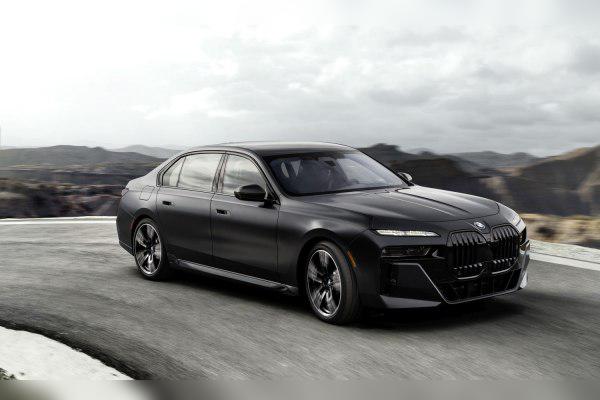
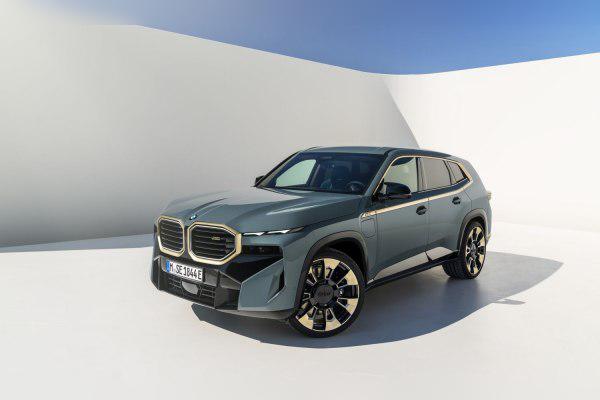
# Vehicles powered by this engine
BMW B58B30S (3.0 PHEV): Experiences, Issues, Fuel Consumption and Maintenance
Key points in short (TL;DR)
- One of the best modern engines: The B58 series is considered the “new 2JZ” thanks to the exceptional durability of the block and its power potential.
- Hybrid complexity: The “S” designation indicates a specific version for Plug-in hybrids (PHEV), which means the engine comes with a complex high-voltage system.
- Timing chain at the back: The timing chain is located at the rear of the engine (near the flywheel), which makes any potential replacement very expensive (requires engine removal), but the chain itself is generally long-lasting.
- Coolant leaks: The most common issue is coolant loss due to weaker plastic components in the cooling system.
- ZF gearbox with integrated electric motor: Top-notch comfort, but gearbox repairs are more expensive than on regular petrol models.
- Fuel consumption: Varies drastically – from 0 l/100 km (on electric power) to over 12 l/100 km once the battery is empty in a heavy body (XM, 7 Series).
Contents
Introduction and Applications
The B58B30S engine is at the heart of BMW’s modern hybrid offensive in the top luxury segment. This is not an ordinary inline-six; it is a technological gem that combines traditional BMW refinement with modern electrification. It is a 3.0-liter inline six-cylinder turbo petrol engine which, in this specific variant (313 hp from the petrol engine alone), serves as the base for Plug-in Hybrid systems in heavy cruisers such as the new 7 Series (G70) and the controversial BMW XM (G09).
Unlike older hybrids where the engine was merely “assistive”, here the B58 still plays the main role, but it is relieved during take-off thanks to a powerful electric motor. For a used or new car buyer, this is probably the best choice in the lineup – it offers a level of reliability that the V8 engines (N63/S63 series) often lacked, with more than adequate performance.
Technical Specifications
| Parameter | Data |
|---|---|
| Engine code | B58B30S |
| Configuration | I6 (Inline six-cylinder) |
| Displacement | 2998 cc |
| Power (ICE engine) | 230 kW (313 hp) |
| Torque (ICE engine) | 450 Nm |
| Induction | TwinPower Turbo (twin-scroll turbocharger) |
| Fuel injection | Direct injection (High Precision Injection) |
| Hybrid system | PHEV (Plug-in Hybrid Electric Vehicle) |
Reliability and Maintenance
Timing system: Chain or belt?
The B58B30S uses a timing chain. However, the engineers placed it at the rear of the engine (towards the gearbox/firewall). Although the chain on B58 engines is far more durable than on the notorious N47 diesels and rarely fails, its position makes any potential replacement extremely expensive, as it requires removing the engine or gearbox. In practice, the chain should last over 200,000–250,000 km with regular maintenance.
Most common issues
Although reliable, the B58B30S has a few weak points:
- Coolant loss: This is issue number one. The expansion tank cap often fails, the tank itself can crack (plastic fatigue), or the Heat Management Module can cause problems. Symptoms include low coolant level and white stains in the engine bay.
- VANOS solenoids: Sensitive to oil quality. If oil is not changed regularly, the solenoids can clog, leading to rough running and power loss.
- PCV valve (oil separator): Integrated into the valve cover. When the membrane tears (usually around 100,000 km), the engine may start whistling, consuming oil or emitting blue smoke. Unfortunately, the entire valve cover often has to be replaced, which is not cheap.
Service intervals and engine oil
The major service (timing chain replacement) is not prescribed by mileage but is done as needed (when rattling is heard). An oil service is recommended every 10,000 to 15,000 km, even though the manufacturer allows up to 30,000 km (which should be avoided).
Oil capacity: The engine takes approximately 6.5 liters. The most commonly recommended grades are 0W-20 (to reduce friction and enable faster warm-up in hybrid operation) or 5W-30 with BMW Longlife-17 FE+ specification.
Oil consumption
B58 engines are generally “tighter” than older series. Consumption of 0.5 to 1 liter per 10,000 km is considered acceptable and normal, especially with more spirited driving. If it consumes more than that, the first things to check are the PCV valve or leaks around the oil filter housing.
Spark plugs
Since this is a turbocharged direct-injection petrol engine, the spark plugs are heavily stressed. It is recommended to replace them every 50,000 to 60,000 km. In PHEV models, the engine often starts and stops while cold (when the battery is depleted during sudden acceleration), so proper spark plug operation is crucial for smooth running.
Specific Parts (Costs)
Dual-mass flywheel
Yes, this system uses a dual-mass flywheel (or a torsional vibration damper adapted to the hybrid gearbox). Its purpose is to absorb engine vibrations before they reach the transmission. Due to frequent start-stop cycles in the hybrid system, this component is under stress, but it is robust. Replacement is expensive (varies by market).
Fuel injection system and turbocharger
It uses high-pressure piezo injectors (direct injection). They are precise but sensitive to poor-quality fuel. A single injector is expensive (very costly). Failures are not common but can occur at higher mileages.
The engine has one turbocharger (twin-scroll technology). The TwinPower Turbo label often confuses people – it does not mean two turbos, but one turbo with two exhaust gas channels. Service life is long, often over 200,000 km, provided the engine is not switched off immediately after hard driving (although the electric water pump helps cool it down after shutdown).
DPF, GPF and EGR
Since this is a petrol engine, it does not have a classic DPF, but it does have a GPF (OPF) – a gasoline particulate filter. It rarely clogs because exhaust gas temperatures on petrol engines are higher. An EGR valve is present and can get dirty from city driving, but issues are less frequent than on diesels. This engine DOES NOT have an AdBlue system; that is reserved exclusively for diesels.
Fuel Consumption and Performance
City driving
This is where things get complicated.
- With a full battery: Fuel consumption is 0 l/100 km as long as there is charge (real-world electric range is usually 50–80 km depending on model and conditions).
- With an empty battery: Once the battery is depleted, the engine has to pull a heavy body (XM and G70 weigh over 2.5 tons). In that case, expect fuel consumption of 11 to 14 l/100 km in city driving.
Is the engine sluggish?
Absolutely not. Even though the cars are heavy, the electric motor provides instant torque while the turbo spools up. The synergy between the 313 hp petrol engine and the powerful electric motor makes the car “take off” as soon as you touch the throttle. There is no “turbo lag” because the electric motor fills it in.
Highway and cruising
On the highway, the hybrid system is used less and the B58 takes the lead. At 130 km/h the engine spins at a pleasantly low 1,800–2,000 rpm (thanks to the 8th gear). Fuel consumption on open roads is around 8 to 10 l/100 km, which is an excellent result for vehicles of this weight.
Additional Options and Modifications
LPG conversion
In theory, it is possible to install a liquid direct-injection LPG system, but this is absolutely not recommended and economically unjustified for a PHEV model. The boot is already reduced due to the batteries, and the complexity of the electronics makes LPG installation risky for the warranty and the proper operation of the hybrid system.
ECU remap (Stage 1)
The B58 is a legend in the tuning scene.
- Potential: The petrol engine alone can safely be taken to 360–380 hp and over 550 Nm with a simple software tune (Stage 1).
- Limitation: On PHEV models (750e, XM 50e), tuning is more complicated because the gearbox and hybrid system need to “know” about the increased power to avoid synchronization errors. Still, there is plenty of headroom and the engine can handle it without issues.
Transmission
Type of transmission
In the mentioned models (G70, XM), this engine is paired exclusively with an 8-speed ZF 8HP automatic transmission (a specific hybrid version). There is no manual gearbox in this configuration.
Issues and failures
This is one of the best gearboxes in the world. Mechanical failures are rare. The most common issue in hybrids can be jerking when switching from electric to petrol drive if the engine/gearbox mounts are worn or if the gearbox software is outdated (requires an update). The electric motor is integrated into the gearbox housing instead of a torque converter, which makes repairs more complicated.
Transmission service
BMW claims the oil is “lifetime”, but ZF (the gearbox manufacturer) strictly recommends changing the oil and the pan (which contains the filter) every 80,000 to 120,000 km. For heavy vehicles such as the XM and 7 Series, it is advisable to change it closer to the lower limit (80,000 km) due to the high load.
Buying Used and Conclusion
Before buying a used car with the B58B30S engine, make sure to check:
- Signs of coolant leaks: Look around the water pump and under the intake manifold.
- Cold start: The engine must run smoothly right away. Rattling in the first few seconds may indicate an issue with the timing chain or VANOS.
- Hybrid battery condition: Use diagnostics to check the battery SOH (State of Health), as replacement is extremely expensive.
- Service history: Oil must have been changed on time, not every 30,000 km.
Conclusion: The B58B30S is probably the smartest and safest purchase in the used luxury hybrid class. It is powerful enough for prestigious models, yet far more reliable and cheaper to maintain than V8 engines. It is aimed at drivers who want luxury and performance, have a place to charge the battery (home/garage), and want to avoid astronomical maintenance costs of older engines.
Was this content useful to you?
Your opinion helps us to improve the quality of the content.