EA111 / CGPA Engine
- Engine
- 1198 cm3
- Aspiration
- Naturally aspirated engine
- Fuel
- Petrol (Gasoline)
- Fuel injection system
- Multi-port manifold injection
- Power
- 70 hp @ 5400 rpm
- Torque
- 112 Nm @ 3000 rpm
- Cylinders
- 3
- Valves
- 12, 4 per cylinder
- Cylinders position
- Inline
- Valvetrain
- DOHC
- Oil capacity
- 2.8 l
- Coolant
- 5.6 l
- Systems
- Start & Stop System
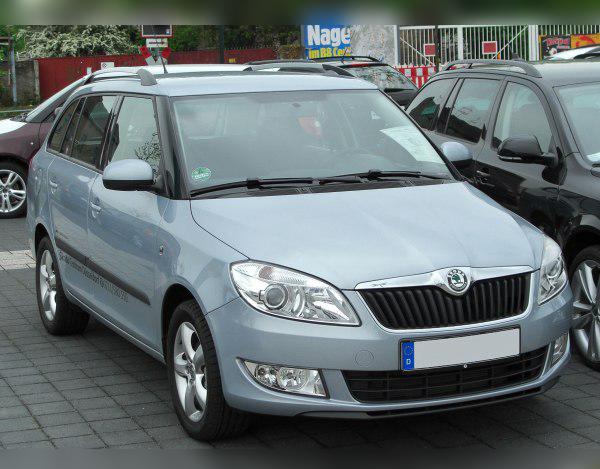
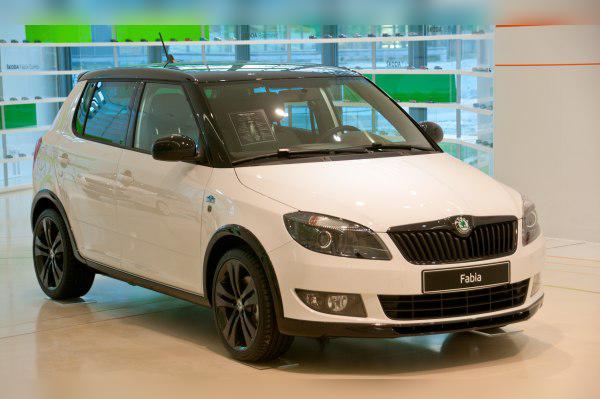
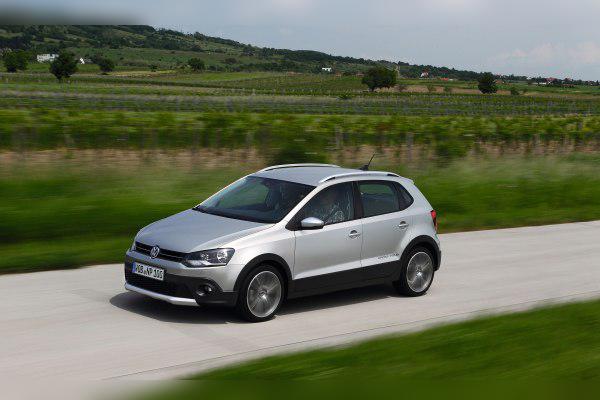
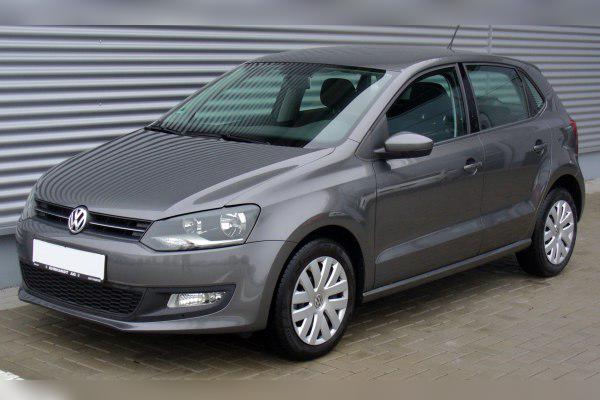
# Vehicles powered by this engine
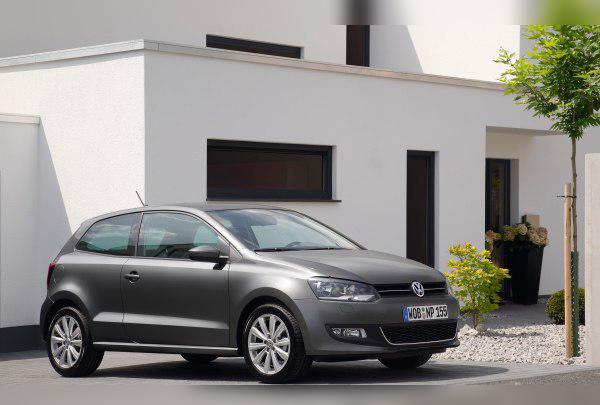
VW / Škoda 1.2 12V (CGPA) EA111 – Experiences, problems, fuel consumption and used-car buying tips
Key points (TL;DR)
- Ideal for the city: The engine is lively at low revs and perfect for stop‑and‑go driving.
- Cheap to maintain: No turbo, no dual-mass flywheel, no DPF filter.
- Timing chain as a weak point: Although CGPA is an improved version, the chain still requires attention and regular replacement.
- Fuel consumption on the highway: Due to lack of power and a 5-speed gearbox, it uses more fuel on the motorway than more powerful engines.
- Vibrations: As a three-cylinder, the engine naturally runs rougher at idle.
- Suitable for LPG: Handles LPG installations very well thanks to MPI injection.
- Sensitive to oil level: It has a small oil sump, so low oil level quickly leads to overheating and chain damage.
Contents
Introduction: A small giant for city streets
The engine with the code CGPA belongs to the famous, but also controversial EA111 family of the Volkswagen Group. It is a three-cylinder petrol engine with a displacement of 1.2 litres and 12 valves. It is the direct successor to older engines (such as BZG) and was installed in popular B‑segment models like the VW Polo V and Škoda Fabia II (facelift).
This engine was the entry ticket into the Volkswagen world – the cheapest and simplest option. Although many underestimate it because of its three cylinders and modest 70 hp, it was designed with a clear goal: to be cheap to run in urban environments. However, as a used car, it carries certain baggage from the past that every buyer needs to be aware of.
Technical specifications
| Parameter | Data |
|---|---|
| Engine displacement | 1198 ccm (1.2 l) |
| Configuration | Inline, 3 cylinders, 12 valves |
| Power | 51 kW (70 hp) at 5400 rpm |
| Torque | 112 Nm at 3000 rpm |
| Engine code | CGPA (EA111 family) |
| Injection type | MPI (Multi-Point Injection) – indirect |
| Aspiration | Naturally aspirated (no turbo) |
| Camshaft drive | Chain |
Reliability and maintenance
Timing belt or chain?
This engine uses a timing chain to drive the valves. This is also the most sensitive point of this engine. Although in the CGPA version (from 2010 onwards) the tensioner system and the chain itself were improved compared to older versions that were notorious for chain jumping, the problem has not been completely eliminated.
Most common failures and symptoms
Owners of this engine most often encounter the following problems:
- Stretched chain and tensioner: The symptom is a metallic rattling noise on cold start that lasts a few seconds. If ignored, the chain can jump teeth, which leads to piston-to-valve contact (catastrophic failure). The hydraulic chain tensioner depends on oil pressure, so good-quality oil is crucial.
- Ignition coils: A very common failure. The engine starts running on two cylinders, shakes, loses power and the "Check Engine" light comes on. It is recommended to always keep a spare coil in the boot.
- Catalytic converter: In engines that burn oil or have poor combustion, the honeycomb of the catalytic converter can disintegrate. The danger is that exhaust gas pulses can suck ceramic particles back into the cylinders, which leads to permanent cylinder wall damage.
- PCV valve (crankcase ventilation): If it clogs, crankcase pressure rises, which leads to oil leaks at the seals.
Service intervals and major service
Since the engine has a chain, a "major service" in the classic sense (at a fixed mileage like with a belt) is not strictly prescribed; instead, the chain is replaced as needed. However, workshop experience shows that preventive replacement of the chain, guides and tensioner is recommended every 100,000 to 120,000 km, or as soon as the first suspicious noise is heard.
Oil: quantity, grade and consumption
This is a critical point. The engine holds very little oil – only about 2.8 litres (including the filter). Because of the small quantity, the oil degrades faster and is more thermally stressed.
- Recommendation: Use 5W-30 or 5W-40 oil that meets VW standards (VW 502.00 or 504.00).
- Oil consumption: These engines are known to consume oil, especially on motorway driving at high revs. Consumption of up to 0.5 litres per 1,000 km is (unfortunately) considered "normal" by factory specifications, but in practice a healthy engine should not consume more than 1–1.5 litres between services (10–15 thousand km).
- Tip: Due to the small sump, check the oil level every two weeks. If the level drops below minimum, the chain loses lubrication and tension, which leads to failure.
Spark plugs and injectors
Since this is a petrol engine:
Spark plugs: Replacement is recommended every 40,000 to 60,000 km. If you mostly drive in the city, shorten this interval to 30,000 km to protect the coils.
Injectors: MPI injectors are very robust and rarely cause problems. They can last over 200,000 km without any service, unless extremely poor-quality fuel is used.
Specific parts (costs)
The good news for owners of this engine is its simple design. Many expensive parts that give diesel owners headaches simply do not exist here.
- Dual-mass flywheel: NONE. The engine uses a simple, solid flywheel that is practically lifetime.
- Turbocharger: NONE. This is a naturally aspirated engine, which means one (expensive) worry less.
- DPF filter: NONE.
- EGR valve: It does have an EGR valve. It can clog with soot, which shows up as rough idle and a warning light. Cleaning is usually sufficient and not expensive (depends on the market).
- AdBlue: NONE.
Fuel consumption and performance
City driving
This is the natural habitat of the 1.2 CGPA engine. Real-world city consumption (e.g. traffic jams, short trips) is between 7 and 9 litres per 100 km. Although the engine is small, it still has to pull the body of a Polo or Fabia, which is not exactly feather-light, so fuel consumption is not as low as people expect from a 1.2 engine.
Is the engine "sluggish"?
For city conditions – it is not sluggish. The gearbox is short-geared, so the car "jumps" off the line at traffic lights and feels agile up to 60–70 km/h. However, as soon as the car is loaded with passengers and the air conditioning is on, the lack of power becomes obvious. Overtaking on country roads requires good planning and shifting down (often into third gear).
Motorway and cruising
On the motorway the engine struggles. At a speed of 130 km/h, the engine spins at a high 3,800 to 4,000 rpm (in fifth gear).
The consequences are:
- High noise levels in the cabin.
- Fuel consumption rising to 8–9 litres per 100 km.
- Increased oil consumption due to high revs.
Additional options and modifications
LPG conversion
YES. This engine is an ideal candidate for LPG conversion. It has indirect (MPI) injection, which means standard, more affordable sequential systems can be used. There are no complications like with TSI/FSI engines. The cylinder head is sufficiently durable, but occasional driving on petrol is recommended.
Remap (Stage 1)
Since the engine is naturally aspirated (no turbo), a remap is basically a waste of money. The power gain would be negligible (maybe 3–5 hp), which you will not feel in real driving. It is better to invest that money in quality tyres or regular servicing.
Gearbox
Types of gearboxes
With this engine (70 hp version) it was almost exclusively paired with a 5-speed manual gearbox (02T series). Automatic gearboxes (DSG) were mostly reserved for the more powerful 1.2 TSI versions or 1.4 engines in this generation.
Most common manual gearbox issues
The gearboxes are generally precise and reliable, but they have a few characteristics:
- Reverse gear: Sometimes it is hard to engage reverse (it "crunches"). You need to wait a second after pressing the clutch before selecting it.
- Bearings: At higher mileages, gearbox bearings can start to whine.
- Clutch: The clutch kit is conventional, without a dual-mass flywheel. Replacement is affordable and counts as a relatively cheap job.
Gearbox service: Although the manufacturer often states that the gearbox oil is "lifetime fill", it is recommended to change the gearbox oil every 80,000 to 100,000 km. Use 75W-90 or original VW oil. This significantly extends the life of the bearings and synchros.
Buying used and conclusion
What to check before buying?
- Cold start: Insist on starting the car when the engine is completely cold. Listen to the chain – if it rattles for more than 2–3 seconds, it is ready for replacement.
- Check Engine light: Check whether it is on. If it is not, make sure it actually comes on with ignition (some sellers deliberately disable/tape it over to hide a catalyst or coil fault).
- Oil level and filler cap: Look at the oil filler cap. If there is white sludge ("mayonnaise"), it may mean the car has only been driven on short trips (condensation) or that coolant is mixing with oil.
- Idle: The engine should run smoothly, even though it is a three-cylinder. There should be no sudden jerks that indicate an ignition or compression problem.
Who is this engine for?
The 1.2 12V (70 hp) engine is an excellent choice for:
- Beginner drivers.
- Students and people who need an economical second car in the household.
- Those who drive up to 10–15,000 km per year, mostly in the city.
- Fans of simple mechanics who want cheap maintenance and the option of LPG conversion.
It is not recommended for those who often drive on the motorway, carry heavy loads or expect sporty performance. For such needs, the 1.4 16V or 1.6 TDI are better (although more expensive) choices.
Was this content useful to you?
Your opinion helps us to improve the quality of the content.