EA211 evo2 / DUCB Engine
- Engine
- 1498 cm3
- Aspiration
- Turbocharger, Intercooler
- Fuel
- Petrol / electricity
- Fuel injection system
- Direct injection
- Power
- 150 hp
- Torque
- 250 Nm
- Cylinders
- 4
- Valves
- 16, 4 per cylinder
- Cylinders position
- Inline
- Valvetrain
- DOHC
- Oil capacity
- 4.3 l
- Systems
- Start & Stop System, Particulate filter
# Vehicles powered by this engine

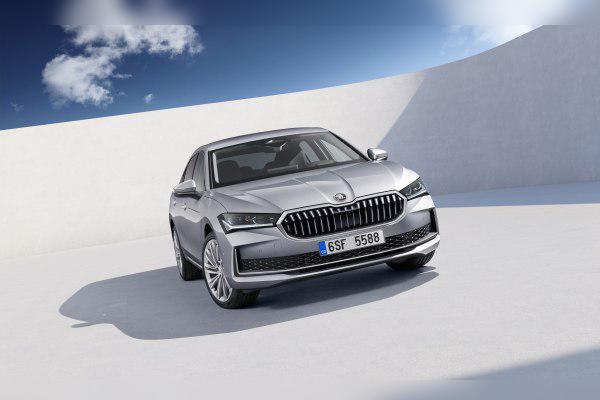
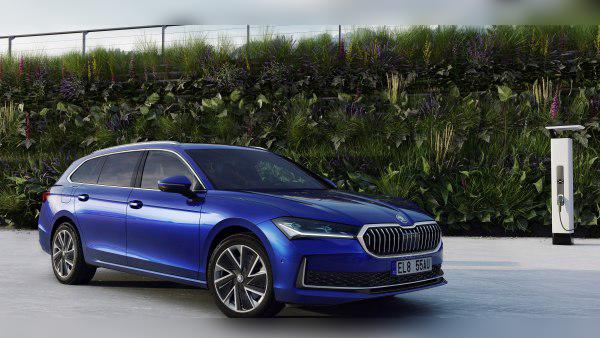

1.5 TSI eHybrid (EA211 evo2 / DUCB) – Experiences, issues, fuel consumption and used car buying guide
Key points in short (TL;DR)
- System: This is the heart of VW Group’s new Plug-in Hybrid (PHEV) drivetrain. The internal combustion engine has 150 hp, but together with the electric motor the system delivers 204 hp.
- Timing drive: Uses a timing belt, not a chain, which is generally a quieter and more reliable solution in newer TSI engines.
- Technology: Equipped with a VTG turbo (variable geometry) and an ACT+ system (deactivation of two cylinders), which makes it very complex.
- Fuel consumption: Excellent if you charge the battery regularly. If you drive with an empty battery, expect the consumption of a regular petrol engine or slightly higher due to the vehicle’s weight.
- Gearbox: Comes exclusively with a specific eDSG automatic transmission. A manual gearbox does not exist in this configuration.
- Recommendation: An excellent choice for those who can charge the car at home/at work and travel longer distances on weekends.
Contents
Introduction and engine application
The engine with the code DUCB belongs to the latest generation of the EA211 evo2 family. This is not an ordinary petrol engine; it is specifically adapted to work in the new generation Plug-in Hybrid (PHEV) systems of the Volkswagen Group. It replaces the older 1.4 TSI that was used in hybrids for many years.
Its role is to provide efficient driving when the battery is depleted, but also to work in tandem with a powerful electric motor in order to give heavy bodies (such as the new Kodiaq or Passat B9) adequate acceleration. It is important to understand that this is a high-tech unit that uses the Miller combustion cycle for higher efficiency.
Technical specifications
| Displacement | 1498 cc (1.5 l) |
| Power (ICE) | 110 kW (150 hp) |
| System power | 150 kW (204 hp) – in combination with the electric motor |
| Torque (ICE) | 250 Nm |
| Engine code | DUCB (EA211 evo2 family) |
| Injection | Direct injection (TSI), up to 350 bar |
| Charging | VTG turbocharger + intercooler |
| Valve system | DOHC, 16 valves, ACT+ (Active Cylinder Technology) |
Reliability and maintenance
Timing system: belt or chain?
The good news for many owners is that this engine uses a timing belt. VW abandoned chains on small TSI engines years ago due to stretching issues. The belt on this engine is reinforced and designed to last a long time.
Major service and spark plug replacement
Although the manufacturer often states very optimistic intervals for the timing belt (sometimes up to 210,000 km or “no limit” with visual inspection), real-world practice and mechanics’ experience call for caution. For peace of mind, it is recommended to replace the timing kit (belt, tensioners, water pump) at around 150,000 to 180,000 km or after 7 to 8 years of age. The water pump is electronically controlled and more complex than on older models.
As for the spark plugs, since this is a direct injection engine, they are under higher stress. It is recommended to replace them every 60,000 km. Do not save money on spark plugs; use only NGK or Bosch according to factory specification, as a bad spark plug can damage the ignition coil.
Oil: capacity and consumption
The engine takes approximately 4.0 to 4.3 litres of oil (always check the exact figure in the manual, as sumps may vary). It requires a very low-viscosity oil, most commonly 0W-20 with specification VW 508.00 / 509.00 (Longlife IV). This “thin” oil is crucial for the operation of the turbocharger and hydraulic lifters.
Does it burn oil? Unlike the notorious TSI engines from the 2008–2012 period, EA211 evo2 engines have drastically improved piston rings. Oil consumption between services is usually negligible (up to 0.5 litres per 10,000 km). However, if the car is driven aggressively on the motorway for a longer period, minimal consumption may occur, which is completely normal for a turbo engine.
Most common failures
Since the DUCB is a relatively new engine, long-term catastrophic failures have not yet been widely reported, but you should pay attention to:
- Carbon buildup: As with any direct injection engine, the intake valves tend to get dirty because they are not washed by fuel. This can lead to rough running and power loss at higher mileage.
- ACT+ system: The cylinder deactivation system has been improved, but remains a complex component. Actuator failures can cause vibrations or warning lights on the dashboard.
- GPF filter: The gasoline particulate filter can clog if the car is driven exclusively on short trips where the engine does not warm up (although hybrids often use electricity for such trips, so the risk is specific – the engine starts less often, but when it does, it needs to reach operating temperature).
- Cold start: Early 1.5 TSI models had an issue with “kangarooing” when setting off with a cold engine. The evo2 version has mostly solved this with new software and injectors.
Specific parts (costs)
Dual-mass flywheel and clutch
Yes, this engine has a dual-mass flywheel. In hybrids it is under particular stress because it has to smooth out transitions between the electric motor and the petrol engine. Replacement is expensive (depends on the market, but think in terms of “expensive”). Symptoms of failure are rattling at idle and jolts when the petrol engine starts/stops while driving.
Injection system and turbo
The injection system operates at very high pressure (up to 350 bar). The injectors are precise and expensive. They are sensitive to poor fuel quality, so avoid suspicious fuel stations. Injector failure manifests as jerking, rough running or smoke from the exhaust.
The engine uses a single VTG turbocharger (variable turbine geometry). This is rare for petrol engines (usually reserved for diesels and Porsche). VTG provides excellent throttle response at low revs. The turbo’s lifespan is closely tied to regular oil changes; if you change the oil every 10–15k km, the turbo should last over 200,000 km.
Emissions: DPF/GPF, EGR, AdBlue
This engine does not have AdBlue (that’s for diesels). However, it does have a GPF (Gasoline Particulate Filter) which works similarly to a DPF on diesels, but regenerates more easily (higher exhaust gas temperatures on petrol engines). It also has an EGR valve, but it is not as problematic as on diesels because petrol produces less soot. Still, pressure sensors around the GPF can sometimes trigger false warnings.
Fuel consumption and performance
Real-world fuel consumption
With plug-in hybrids, fuel consumption is a relative concept:
- With a full battery: For the first 50–80 km (depending on model and conditions) fuel consumption is 0 l/100 km.
- Hybrid mode (empty battery) – city: Expect around 6.5–8.5 l/100 km. Although the system recovers energy when braking, the vehicles this engine is fitted to are heavy (batteries add 200–300 kg).
- Country roads: This is where the engine is most efficient; consumption can drop to around 5.0–6.0 l/100 km.
- Motorway (130 km/h): Here the hybrid system helps the least. Consumption ranges from 6.5 to 8.0 l/100 km, depending on the vehicle’s aerodynamics (a Superb uses less than a Kodiaq).
Is the engine “lazy”?
The 150 hp petrol engine on its own would be “borderline” for the weight of a Kodiaq or Superb Combi loaded with equipment. However, with the help of the electric motor (e-boost), the system’s 204 hp and the instant torque from the electric motor make the car lively and agile in the city. It is not a sports car, but overtaking is safe. A feeling of “laziness” may appear only if the battery is completely empty (0%) and you demand full power on a long uphill stretch.
On the motorway
This is a quiet cruiser. Thanks to the multi-speed gearbox and sufficient torque, at 130 km/h the engine runs at relatively low revs (usually around 2200–2500 rpm, depending on gearing), which contributes to acoustic comfort.
Additional options and modifications
LPG conversion
Not recommended. Technically, it is possible to install an LPG system for direct injection (liquid phase), but it is extremely expensive (depends on the market, but very expensive). In addition, you lose boot space (already reduced due to the batteries), and the savings are questionable because the engine still uses petrol while running on gas to cool the injectors. Combined with the hybrid system, the complexity becomes a nightmare for an average mechanic.
Chiptuning (Stage 1)
The petrol engine can be software-tuned (remapped) to around 170–180 hp. However, on PHEV models this is high risk. The management of the interaction between the petrol and electric motors is very complex. Changing the petrol engine’s parameters can confuse the hybrid controller or overload the gearbox. The recommendation is not to do this, especially while the car is under warranty.
Gearbox
Type of gearbox and maintenance
With the DUCB engine in hybrid models you always get an eDSG gearbox. This is a dual-clutch automatic transmission, specifically designed for hybrids (most often designated DQ400e or its evolutions in newer models, usually 6-speed). The electric motor is integrated into the gearbox housing itself.
Maintenance: This is a gearbox with a wet clutch. An oil change in the gearbox is MANDATORY every 60,000 km. Skipping this service is the fastest way to mechatronics failure.
Most common failures
DSG gearboxes are fast but complex. The most common problem is the mechatronics unit (the “brain” of the gearbox), which can fail due to overheating or old oil. Symptoms are harsh gear changes, delay when engaging “D” or “R”, or shifting into neutral while driving. Clutch pack replacement is also a regular expense at higher mileage and falls into the “very expensive” category.
Buying used and conclusion
When buying a used vehicle with this engine, it is crucial to check not only the engine, but also the hybrid system:
- Diagnostics: Always check the State of Health (SoH) of the high-voltage battery. Replacing the battery often costs several thousand euros.
- Noise: Listen to a cold start. There should be no rattling (flywheel) or rough running (injectors/carbon buildup).
- Service history: Check whether the oil in the DSG gearbox has been changed on time.
Conclusion: The 1.5 TSI eHybrid (DUCB) is a technological gem that offers the best of both worlds – the silence of electric drive and the range of a petrol engine. It is intended for drivers who are disciplined enough to charge it every night. If you plan to drive it like a regular car without charging, buy a regular 2.0 TDI or 1.5 TSI (mild hybrid), because otherwise you will just be hauling unnecessary battery weight without real benefits.
Was this content useful to you?
Your opinion helps us to improve the quality of the content.