EA888 evo4 Engine
- Engine
- 1984 cm3
- Aspiration
- Turbocharger, Intercooler
- Fuel
- Petrol (Gasoline)
- Fuel injection system
- Direct injection
- Power
- 204 hp
- Torque
- 320 Nm
- Cylinders
- 4
- Valves
- 16, 4 per cylinder
- Cylinders position
- Inline
- Valvetrain
- DOHC
- Systems
- Start & Stop System, Particulate filter
# Vehicles powered by this engine


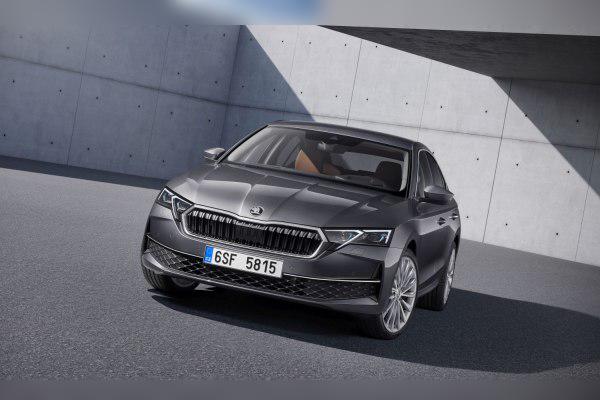


2.0 TSI (EA888 evo4) 204 hp – Experiences, problems, fuel consumption and used car buying guide
Key points (TL;DR)
- Modern and refined: This is the "evo4" version of the legendary EA888 engine, optimized for efficiency (B-cycle) and low emissions.
- Timing chain: Uses a timing chain, which in this generation is significantly more reliable than in earlier versions.
- Performance: With 320 Nm of torque, it offers an excellent power balance for heavier bodies (Kodiaq, Passat), but it is not as sporty as GTI versions.
- Oil consumption: Although improved compared to older generations, aggressive driving can still lead to some oil consumption. Requires 0W-20 specification.
- GPF filter: Equipped with a gasoline particulate filter that requires occasional longer drives, but there is no AdBlue system.
- DSG gearbox: Requires strict maintenance (oil changes) so that the dual-mass flywheel and mechatronics last a long time.
- Recommendation: An excellent choice for those who want diesel-like torque but petrol refinement, with acceptable fuel consumption on the highway.
Contents
Introduction: The heart of the new VAG cruisers
The 2.0 TSI 204 hp engine (EA888 evo4 family designation) is the backbone of the stronger petrol engine lineup in the latest Volkswagen Group models such as the Škoda Kodiaq II, VW Passat B9 and Tiguan III. This is not the same engine as in the Golf GTI (which has a different compression ratio and a larger turbo); instead, this version operates using the so‑called Budack combustion cycle. That means the engineering focus is on efficiency, lower fuel consumption and high torque at low revs, making it an ideal replacement for diesels in large family cars and SUVs.
Technical specifications
| Characteristic | Value |
|---|---|
| Displacement | 1984 cc |
| Power | 150 kW (204 hp) |
| Torque | 320 Nm at 1500–4100 rpm |
| Engine code (approximate) | DNNA / DRFA (depends on exact variant and market) |
| Injection type | Direct injection (FSI/TSI) – up to 350 bar |
| Charging | Turbocharger with variable geometry (VTG is not common on petrol engines, but is used here for efficiency) or classic wastegate |
| Emissions standard | Euro 6d / Euro 6e (with GPF filter) |
Reliability and maintenance
Timing system: Chain or belt?
This engine uses a timing chain. In the "evo4" generation, the chain stretching issues that plagued earlier generations (EA888 Gen 2) have largely been resolved. The chain is designed to last the engine’s service life, but in practice it is recommended to check its condition (elongation) via diagnostics or by listening for sound symptoms (rattling on cold start) after around 150,000 to 200,000 km. Replacing the chain is an expensive job (varies by market, but falls into the higher-cost category).
Most common failures
Although more reliable than its predecessors, the evo4 is not immune to problems:
- Thermostat module and water pump: The housing is plastic and prone to cracking or coolant leaks. Symptoms include coolant loss or engine overheating. This is a well-known weak point of EA888 engines.
- Carbon buildup: Due to direct injection, the valves are not "washed" by fuel. Over time, carbon deposits accumulate on the intake valves, which can lead to rough running and power loss at higher mileages.
- Oil pressure sensors and electronics: Occasional issues with sensors that can trigger warning lights on the dashboard without a real mechanical fault.
Service intervals and oil
There is no traditional “major service” involving a timing belt replacement because of the chain, but the auxiliary belt and tensioners should be replaced at around 120,000 to 150,000 km.
Oil: This engine uses a specific, low-viscosity oil grade 0W-20 (VW standard 508.00 / 509.00). This oil is crucial for efficiency and proper operation of the oil pump. The sump capacity is about 5.7 litres.
Oil consumption: Modern TSI engines consume significantly less oil than before, but consumption of around 0.5 litres per 5,000–8,000 km is considered normal, especially if driven aggressively. Always keep a litre of oil in the boot.
Spark plugs
Spark plugs should be replaced every 60,000 km (or every 4 years). Using quality iridium spark plugs is mandatory due to the high combustion temperatures.
Specific parts (costs)
Dual-mass flywheel
Yes, when paired with the DSG gearbox this engine uses a dual-mass flywheel. Its lifespan depends on driving style (stop‑and‑go city driving wears it out faster), but it usually lasts between 150,000 and 200,000 km. Replacement is a costly operation.
Injection system and turbo
The injection system operates at very high pressure (350 bar). The injectors are precise but sensitive to poor fuel quality. A failing injector manifests as jerking, misfiring or increased fuel consumption. Replacing a full set of injectors is very expensive.
The engine has a single turbocharger. In general, they are durable if you respect the rules of proper warm‑up and cool‑down. The electronic actuator (wastegate) can fail, which sometimes requires turbo repair or replacement.
Emissions: GPF and AdBlue
This petrol engine DOES NOT have an AdBlue system (that’s reserved for diesels). However, it is equipped with a GPF (Gasoline Particulate Filter). Unlike a diesel DPF, a GPF regenerates (heats up) much more easily and quickly because petrol exhaust gases are hotter. Clogging is rare unless the vehicle is used exclusively for very short trips of 2–3 km in winter. There is no EGR valve in the classic problematic sense as on older diesels.
Fuel consumption and performance
Real-world fuel consumption
Thanks to the Budack cycle, this engine is surprisingly economical for its power output, but it is sensitive to how heavy your right foot is.
- City driving: In heavy vehicles such as the Kodiaq or Tiguan, expect 9 to 11 l/100 km (depending on traffic conditions).
- Country roads: This is where the engine shines. Fuel consumption can drop to 6.0 to 7.0 l/100 km.
- Motorway (130 km/h): Consumption is around 7.5 to 8.5 l/100 km, depending on the vehicle’s aerodynamics (SUVs use more).
Is the engine “lazy”?
Absolutely not. With 204 hp and 320 Nm available from low revs, this engine copes very well with the mass of a Passat or Kodiaq. Acceleration is linear and convincing. It’s not as explosive as a GTI, but it is more than sufficient for overtaking and a fully loaded car.
At 130 km/h in 7th gear (DSG), the engine spins at a low 2,000–2,200 rpm, which contributes to cabin quietness.
Additional options and modifications
LPG conversion
Not recommended and very expensive. Since the engine has direct injection, a specific liquid LPG injection system is required, or a system that uses a mixture of petrol and LPG to cool the injectors. The cost-effectiveness of such a setup is questionable unless you cover very high annual mileages.
Remapping (Stage 1)
The engine can be remapped, but caution is advised. As this version is optimized for efficiency (different pistons and compression ratio compared to higher-output models), it does not tolerate extreme power increases as well as older EA888 engines. Nevertheless, a safe Stage 1 can raise power to about 240–250 hp and torque to 400+ Nm. This significantly changes the character of the car, but can shorten the lifespan of the turbo and clutch if not driven sensibly.
Gearbox
Which gearboxes are fitted?
With this engine (2.0 TSI 204 hp) in models such as the Passat B9 and Kodiaq II, you get exclusively a DSG automatic gearbox with a dual clutch and 7 speeds. Most commonly it is the DQ381 (wet clutch) unit, designed to handle higher torque and all‑wheel drive (4Motion / 4x4).
Gearbox issues and maintenance
- Service interval: The manufacturer specifies an oil change in the DSG gearbox, usually at 120,000 km, but experienced mechanics recommend shortening that interval to 60,000 to 80,000 km. This is crucial for the longevity of the mechatronics.
- Failures: The most common failures are related to the mechatronics (the gearbox “brain”) if the oil has not been changed regularly. The clutch pack also wears out and its replacement is expensive (falls into the “very expensive” category).
- Symptoms of problems: Hesitation when setting off, harsh shifts between gears, or a delay when engaging reverse.
Buying used and conclusion
When buying a used car with this engine, pay attention to the following:
- Cold start: Listen to the engine when it is completely cold. Any chain rattling lasting longer than 1–2 seconds is a red flag.
- Coolant leaks: Check the coolant level and visually look for traces of leakage around the thermostat housing (whitish residue).
- Gearbox service history: If the car has covered more than 60,000 km, ask for proof of oil changes in the DSG. If there is no evidence, that’s a major risk.
- Exhaust tips: Although it’s a petrol engine, the exhaust tips should not be excessively sooty (a sign of poor combustion or oil consumption), although a small amount of soot is normal with direct injection.
Conclusion: The 2.0 TSI (204 hp) is an excellent all‑rounder. It is aimed at drivers who want a comfortable and quiet ride, need confident overtaking on open roads, and do not want the complications of modern diesels (AdBlue, DPF issues in city driving). If you accept slightly higher fuel consumption in town and strictly follow the service intervals for both engine and gearbox, this engine can serve you reliably for hundreds of thousands of kilometres.
Was this content useful to you?
Your opinion helps us to improve the quality of the content.