EA288 evo / DXPA Engine
- Engine
- 1968 cm3
- Aspiration
- Turbocharger, Intercooler
- Fuel
- Diesel
- Fuel injection system
- Diesel Commonrail
- Power
- 150 hp
- Torque
- 360 Nm
- Cylinders
- 4
- Valves
- 16, 4 per cylinder
- Cylinders position
- Inline
- Valvetrain
- DOHC
- Oil capacity
- 5.5 l
- Systems
- Start & Stop System, Particulate filter
# Vehicles powered by this engine

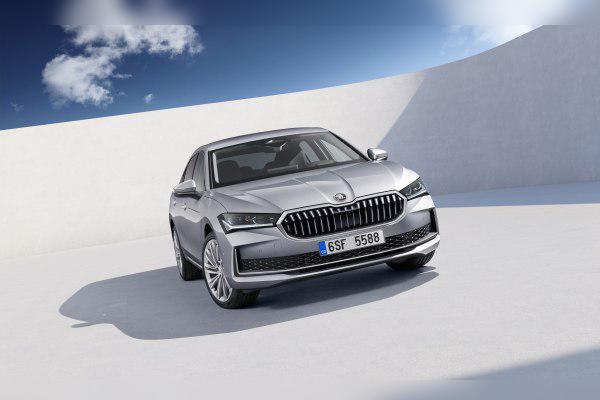
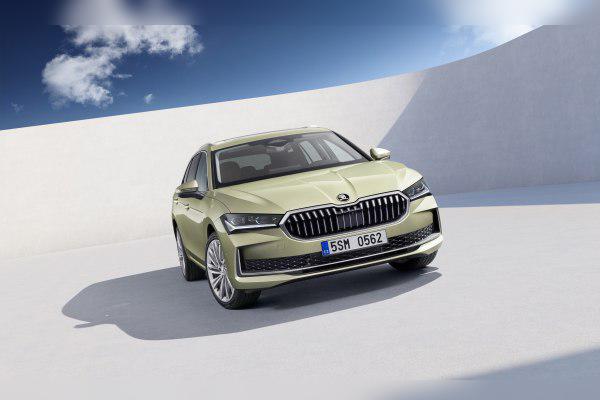

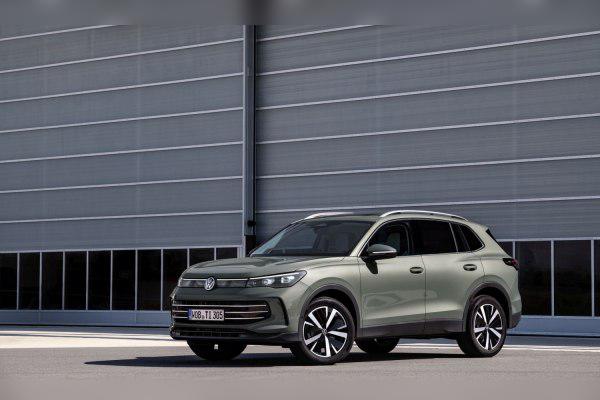
2.0 TDI (EA288 evo / DXPA) 150 HP – Experiences, problems, fuel consumption and maintenance of the latest diesel engine
Key points (TL;DR)
- Twin Dosing technology: This engine uses two SCR catalytic converters and dual AdBlue injection to drastically reduce emissions, which increases system complexity.
- Camshaft drive: Uses a timing belt, not a chain. Replacement intervals are long, but require caution.
- Gearbox: In models such as the Passat B9 and Superb IV, this engine comes almost exclusively with a DSG automatic transmission.
- Fuel consumption: Extremely economical on the open road, one of the most efficient 2.0‑liter diesels ever made.
- AdBlue system: A sensitive point. Requires high‑quality fluid and regular longer drives to avoid crystallization.
- Engine oil: Uses very thin 0W-20 oil (VW 509.00 specification) to reduce fuel consumption.
Contents
- Introduction and engine applications
- Technical specifications
- Reliability, maintenance and servicing
- Specific components: injectors, flywheel, DPF and AdBlue
- Fuel consumption and real‑world performance
- Transmission: DSG maintenance and failures
- Buying used and conclusion
Introduction and engine applications
The engine designated as EA288 evo (specifically the code DXPA for the 150 HP version) represents the pinnacle of Volkswagen’s four‑cylinder diesel development. This is not just a facelift of the old 2.0 TDI engine we know from the Golf 7, but a thoroughly revised unit designed to survive strict Euro 6d and upcoming Euro 7 standards.
It is installed in the latest generations across the VW Group, specifically in “heavy hitters” such as the new Škoda Kodiaq II, Superb IV and VW Passat B9. For many high‑mileage drivers, this is still a more logical choice than hybrids or electric vehicles. However, the complex exhaust after‑treatment systems raise new questions about long‑term reliability.
Technical specifications
| Specification | Data |
|---|---|
| Displacement | 1968 cc (2.0 L) |
| Power | 110 kW (150 HP) at 3000–4200 rpm |
| Torque | 360 Nm at 1600–2750 rpm |
| Engine code | DXPA (EA288 evo family) |
| Injection type | Common Rail (up to 2200 bar) |
| Charging | Variable geometry turbocharger (VGT) + intercooler |
| Emissions | Euro 6d-ISC-FCM (Twin Dosing SCR) |
Reliability and maintenance
Timing belt or chain?
The EA288 evo uses a timing belt to drive the camshafts. This is good news because modern belts are quieter and cheaper to replace than the complicated chains that plagued older VW Group engines. Along with the belt, the water pump is also part of this system (still a problematic point, which we’ll cover later).
Major service and intervals
The manufacturer specifies extremely long intervals for the major service, often stating 210,000 km with no time limit (or 10 years). Speaking as an experienced editor, you should take this with a grain of salt. Recommendation: Shorten the interval to 160,000–180,000 km or a maximum of 6–7 years. A snapped belt means catastrophic engine damage, and the cost of earlier replacement is negligible compared to the risk.
Oil consumption and specification
This engine takes approximately 5.5 to 5.7 liters of oil (check the exact amount by VIN). What’s specific to the “Evo” generation is the switch to 0W-20 viscosity oil (standard VW 508.00 / 509.00). This oil is “like water” in order to reduce friction and fuel consumption.
Does it consume oil? Modern TDI engines are more tolerant, but consumption of around 0.5 liters per 10,000 km is considered completely normal, especially if driven aggressively on the motorway. If you exceed 1 L per service interval, that’s a warning sign, although the manufacturer “covers” itself by claiming that even higher consumption is acceptable.
Most common failures
- Water pump: The VW Group uses pumps with variable flow (an electronically controlled flap over the impeller). This mechanism often sticks, which leads to engine overheating. Keep an eye on the temperature!
- NOx sensors: Due to the complex exhaust system, faults in nitrogen oxide sensors are common and can trigger the “Check Engine” light.
- Coolant leaks: Often from the thermostat housing or the pump itself.
Specific components (costs)
Dual mass flywheel
Yes, in all of the mentioned models (Kodiaq, Superb, Passat) this engine uses a dual mass flywheel. Given the 360 Nm of torque and pairing with a DSG gearbox, the flywheel is under significant load. Failure symptoms include a metallic rattling noise when switching the engine off or vibrations at idle. Replacement is expensive (varies by market).
Injectors
The injection system operates at pressures above 2200 bar. The injectors are mostly solenoid‑type on the 150 HP version, which is a better option than piezo injectors because they are cheaper to refurbish and more durable. They have proven reliable and often exceed 250,000 km without issues, provided you use high‑quality fuel. They are sensitive to the presence of water in the fuel.
Turbocharger
The engine uses a single variable geometry turbocharger. Its lifespan is closely linked to oil change intervals. If you change the oil every 15,000 km (and not every 30,000 km as the LongLife service suggests), the turbo should last as long as the engine itself.
DPF, EGR and AdBlue (Twin Dosing)
This is the most critical area for owners who mostly drive short distances. The EA288 evo uses a “Twin Dosing” system – meaning there are two SCR catalytic converters and two AdBlue injectors. One is close to the engine, the other under the floor.
- AdBlue issues: The system is prone to AdBlue crystallization if the car sits for long periods or is used only in city traffic. This clogs the injectors and the pump. Using anti‑crystallization additives is recommended. AdBlue system repairs are very expensive.
- DPF: If you drive a Kodiaq or Passat exclusively in the city, the DPF will clog quickly. Passive regeneration is much harder to achieve in urban conditions.
Fuel consumption and performance
Real‑world fuel consumption
Efficiency is this engine’s main weapon. Thanks to optimization, real‑world consumption is surprisingly low:
- City driving: 6.5–7.5 l/100 km (depends on vehicle weight; the Kodiaq uses more than the Passat).
- Country roads: 4.0–5.0 l/100 km.
- Motorway (130 km/h): 5.0–6.0 l/100 km.
Is the engine “sluggish”?
With 150 HP and 360 Nm, this engine is no sports car unit, but it’s far from sluggish. For the Passat and Superb it’s the ideal balance. In a heavier, 7‑seat Kodiaq, under full load on steep inclines, you may feel a lack of power compared to the 193/200 HP version, but for 90% of drivers it is more than sufficient. The DSG gearbox does a great job of masking the lack of power with quick shifts.
Motorway driving
This is the natural habitat of this engine. At 130 km/h in 7th gear (DSG), the engine spins at a low 1,600–1,800 rpm, which ensures a quiet cabin and low fuel consumption.
Additional options and modifications
Chip tuning (Stage 1)
The EA288 evo can be chip‑tuned, but the process is more complicated due to new protections in the ECU. A safe Stage 1 tune raises power to about 185–195 HP and torque to around 400–420 Nm.
Warning: Increasing power puts additional stress on the DPF and AdBlue system, as well as on the DSG gearbox. Since these cars are still relatively new and likely under warranty, such modifications are not recommended.
Transmission: DSG experiences
Models such as the Passat B9 and Superb IV with this engine come standard with a DSG automatic transmission (most commonly the DQ381, 7‑speed, wet clutch). Manual gearboxes in this class have essentially disappeared.
Gearbox failures and maintenance
- Maintenance: The oil in the DQ381 gearbox must be changed every 60,000–120,000 km (depending on the exact sub‑variant, but the recommendation is 60,000 km for longevity). The filter is replaced together with the oil.
- Failures: The most common issues are related to the mechatronics unit (the “brain” of the gearbox), which can fail due to overheating or old oil. Symptoms include harsh shifts between gears or a delay when setting off (so‑called “hesitation”).
- Clutch pack cost: The clutch pack is replaced less often than on manual gearboxes, but when it does need replacement, it is a very expensive job (varies by market).
Buying used and conclusion
When buying a used car with the EA288 evo engine, pay attention to the following:
- Cold start: Listen for rattling (flywheel) or uneven running (injectors).
- Signs of coolant leaks: Look around the coolant reservoir and under the intake manifold (water pump).
- AdBlue system: Check under the car and in the boot for white crystalline traces of leaking AdBlue fluid.
- Gearbox service history: If the DSG has not been serviced on time, walk away from that car.
Conclusion: The 2.0 TDI (DXPA) with 150 HP is probably the best “company car” engine in the world. It offers a perfect balance between power and fuel consumption. It is intended for drivers who spend most of their time on country roads and motorways. If you only need a car for a 5‑kilometre commute in heavy city traffic, this engine is not for you, because DPF and AdBlue system maintenance will cost you a lot of money.
Was this content useful to you?
Your opinion helps us to improve the quality of the content.