EA211 evo2 / DXDB Engine
- Engine
- 1498 cm3
- Aspiration
- Turbocharger, Intercooler
- Fuel
- Petrol (Gasoline)
- Fuel injection system
- Direct injection
- Power
- 150 hp
- Torque
- 250 Nm
- Cylinders
- 4
- Valves
- 16, 4 per cylinder
- Cylinders position
- Inline
- Valvetrain
- DOHC
- Oil capacity
- 4.1 l
- Systems
- Start & Stop System, Cylinder deactivation system, Particulate filter
# Vehicles powered by this engine



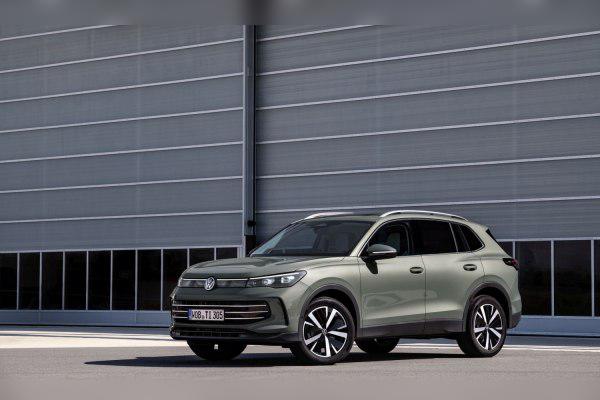
1.5 TSI EA211 evo2 (DXDB): Experiences, issues, fuel consumption and maintenance
Key points in short (TL;DR)
- Modernized version: This is the evo2 (DXDB), the successor to the popular 1.5 TSI evo engine, with an improved cylinder deactivation system (ACTplus) and cleaner emissions.
- Technology: It uses a VTG turbo (variable turbine geometry), which is rare for petrol engines in this class, and operates on the Miller cycle for lower fuel consumption.
- Timing chain or belt? The engine uses a timing belt, not a chain.
- Hybridization: In versions with a DSG gearbox (eTSI) it comes as a Mild Hybrid with a 48V system, which makes the electronics more complex but reduces fuel consumption.
- Performance: 150 hp is the "sweet spot" for the Golf and T-Cross, but in heavier models such as the Kodiaq II or Superb IV it can feel a bit sluggish under full load.
- GPF/OPF filter: It has a gasoline particulate filter (OPF/GPF), but no AdBlue system.
- Recommendation: An excellent engine for those who drive mixed routes, but it requires strict maintenance and high-quality fuel.
Contents
Introduction: What is the EA211 evo2 and why is it important?
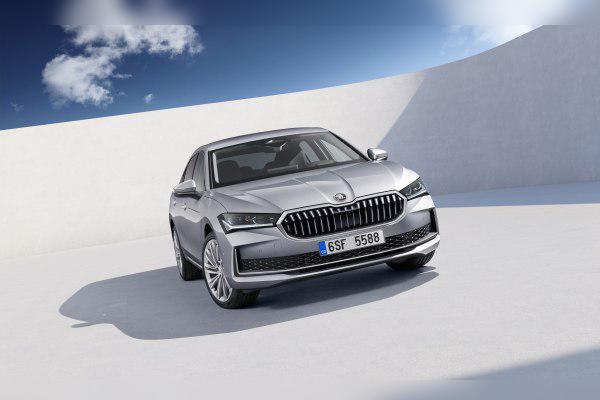
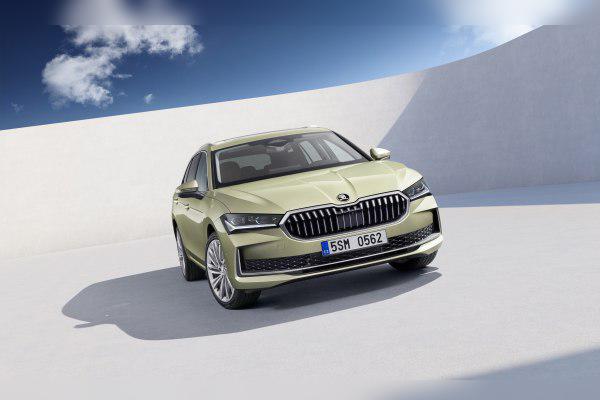
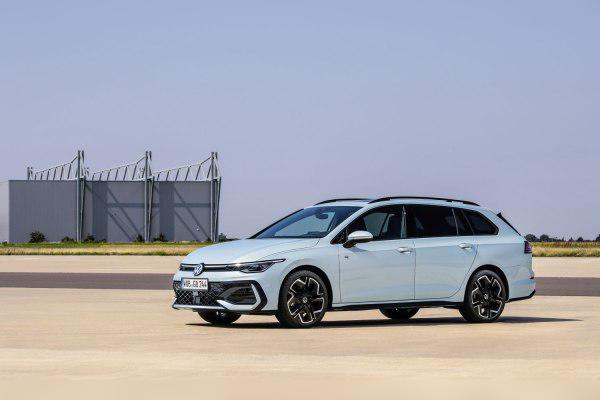
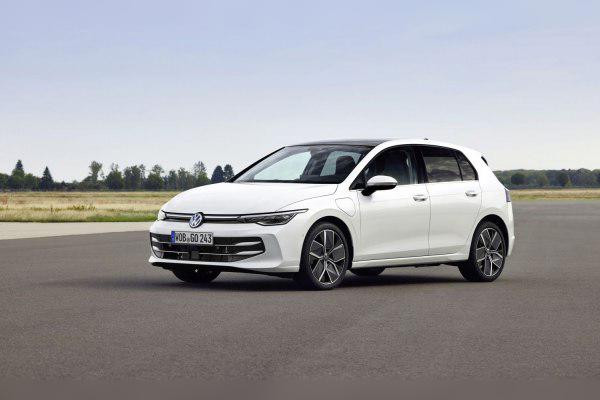
The engine designated as EA211 evo2 (engine code DXDB) is the latest evolution of Volkswagen’s most important petrol power unit. It is installed in the newest models of the group, including the facelifted Golf 8, the all-new Škoda Kodiaq II, Superb IV and the new VW Passat B9.
Unlike its predecessor (1.5 TSI evo - DADA/DPCA), engineers here focused on stricter emission standards (Euro 6e and preparation for Euro 7). The biggest change is moving the catalytic converter and OPF filter practically right next to the engine (into a single module), as well as improving the cylinder deactivation system, now called ACTplus. This is the engine you will most often encounter in new VW and Škoda vehicles in the coming years.
Technical specifications
| Parameter | Value |
|---|---|
| Displacement | 1498 cc (1.5 L) |
| Power | 110 kW (150 hp) at 5000-6000 rpm |
| Torque | 250 Nm at 1500-3500 rpm |
| Engine code | DXDB (most common for evo2 150 hp) |
| Injection type | Direct injection (TSI), up to 350 bar |
| Forced induction | Turbocharger with variable turbine geometry (VTG) |
| Camshaft drive | Timing belt |
| Hybrid system | 48V Mild Hybrid (only on eTSI/DSG models) |
Reliability and maintenance
Does this engine have a timing belt or a chain?
This engine uses a timing belt. This is a legacy of the EA211 family, which solved the timing chain snapping issues from the old EA111 engines. The belt is reinforced and designed to last long, but it is not eternal.
What are the most common issues with this engine?
Although the evo2 is relatively new on the market, it is based on the experience of its predecessor, so we can highlight the following potential problems:
- Carbon buildup: As with any direct-injection engine, the intake valves are not "washed" by fuel. Over time, carbon deposits build up, which can lead to rough running and loss of power.
- Electronics and sensors: Due to the complex control system (especially with the ACTplus cylinder deactivation), "phantom" sensor failures or software glitches that trigger the "Check Engine" light are possible.
- Coolant consumption: On earlier versions, water pumps were a weak point (leaks at the thermostat housing). Although this has been revised, the coolant level should be monitored.
- eTSI system (Mild Hybrid): On hybrid versions, the 48V battery and starter-generator are expensive components. If this system fails, the car may become immobile because there is no classic starter motor (or it is used only for cold starts).
At what mileage should the major service be done?
The manufacturer often states optimistic intervals such as "inspection at 240,000 km" or "no replacement interval" for certain markets. Ignore that. Experienced mechanics recommend replacing the timing belt kit, tensioner and water pump at a maximum of 150,000 to 180,000 km or after 8 to 10 years of age. A snapped belt leads to catastrophic engine damage (pistons and valves "colliding").
How many liters of oil does this engine take and which grade is recommended?
The engine takes approximately 4.3 liters of oil (always check the exact quantity while filling). The recommended grade is strictly 0W-20 with specification VW 508.00 / 509.00. This is a very thin oil designed to reduce friction and fuel consumption. Using a thicker oil without approval can disrupt the operation of the VTG turbo and the ACT system.
Does it consume oil between services?
Modern TSI engines are drastically better in this regard than older generations (before 2012). Still, consumption of 0.5 to 0.8 liters per 10,000 km is considered completely normal, especially if driven aggressively on the motorway. If it consumes more than 0.5 liters per 1,000 km, this indicates a problem with piston rings or the turbocharger.
At what mileage should the spark plugs be replaced?
Spark plugs should be replaced every 60,000 km or 4 years. Since this is a direct-injection engine with high combustion chamber pressure, proper spark plugs are crucial for preserving the ignition coils.
Specific parts (costs)
Does the engine have a dual-mass flywheel?
Yes. Most 150 hp variants, whether with a manual or DSG gearbox, have a dual-mass flywheel. Its role is to dampen engine vibrations, especially when running in 2-cylinder mode. This is an expensive component (exact price depends on the market, but it is not cheap).
What kind of injection system does it have and are the injectors problematic?
The system is common rail direct injection with pressure up to 350 bar. The injectors are piezoelectric and extremely precise. They are not prone to frequent failures like old diesel injectors, but they are very sensitive to poor fuel quality. Replacing a single injector is a costly repair.
Does this engine have a turbocharger and what is its lifespan?
The engine has a single turbocharger, but a specific one – it features variable turbine geometry (VTG). This technology was for decades reserved for diesels (due to the high exhaust gas temperatures on petrol engines), but VW has successfully implemented it here. VTG provides excellent throttle response at low revs. The typical lifespan is long (over 200,000 km) with regular oil changes and proper cooldown after fast driving. Overhauling a VTG turbo is more complex and more expensive than a conventional one.
Does this model have a DPF filter or an EGR valve?
Petrol engines do not have a DPF, but they have an equivalent called OPF (Otto Particulate Filter) or GPF. It serves to trap soot particles. Unlike diesels, petrol engines reach higher exhaust temperatures, so the OPF filter regenerates (cleans) much more easily and quickly while driving, and clogging is not a common problem except in extreme stop-and-go city use. There is an EGR valve for exhaust gas recirculation; it is prone to fouling, but less so than on diesels.
Does this engine use AdBlue?
No. AdBlue is used exclusively on diesel engines (TDI) to reduce nitrogen oxides. The 1.5 TSI/eTSI is a petrol engine and does not require any additional fluids other than fuel, oil and washer/coolant fluids.
Fuel consumption and performance
What is the real-world fuel consumption in city driving?
Thanks to the ACTplus system (deactivation of cylinders 2 and 3 under low load) and Mild Hybrid support (on eTSI), fuel consumption is surprisingly low for a petrol engine.
- Golf / T-Cross: In the city, expect between 7.0 and 8.5 l/100 km. In heavy traffic it can go up to 9.
- Kodiaq / Superb / Passat: Due to higher weight (over 1.5 tons), city consumption ranges from 8.5 to 10 l/100 km.
Is this engine “lazy” for the weight of the cars it is fitted to?
It depends on the model:
- For the Golf 8 and T-Cross: The engine is very lively and offers sporty performance.
- For the Passat and Superb: The engine is adequate. It is not a racer, but it has enough power for overtaking.
- For the Kodiaq (7 seats): Here you can feel its limits. If the car is full of passengers and luggage, the engine will have to rev high to pull, becoming noisy and increasing fuel consumption. For the Kodiaq, the 2.0 TDI or 2.0 TSI is a better choice if you often drive under load.
How does the engine behave on the motorway and at what revs does it cruise at 130 km/h?
On the motorway, the engine is in its element. Thanks to the 7-speed DSG gearbox (or long ratios on the manual), at 130 km/h it runs at about 2,200 - 2,400 rpm (depending on the model). At that point it is very quiet. Fuel consumption on the open road can drop to an impressive 5.5 to 6.5 l/100 km.
Additional options and modifications
Is this engine suitable for LPG (autogas) conversion?
It is not recommended (even though it is technically possible). Due to direct injection, you cannot install a cheap "sequential" system. You need a system for direct liquid gas injection (very expensive, over 1000–1500 EUR) or a system that uses a mixture of petrol and gas (e.g. 20% petrol, 80% LPG) to cool the injectors. The cost-effectiveness is questionable unless you cover very high mileage (50,000+ km per year).
How far can this engine be safely tuned (Stage 1)?
The engine has potential, but caution is needed because of the VTG turbo and OPF filter. Stage 1 usually raises power to around 175 - 185 hp and torque to 300 - 320 Nm. However, newer models (from 2020 onwards) have SFD protection on the ECU, which makes access and remapping more difficult. Also, DSG gearboxes (especially the dry-clutch DQ200) do not like a large increase in torque.
Gearbox
Which gearboxes are fitted?
- Manual: 6-speed gearbox (precise, light shift).
- Automatic: 7-speed DSG dual-clutch gearbox.
Note: Mild Hybrid (eTSI) models come EXCLUSIVELY with a DSG gearbox.
Most common gearbox issues?
- Manual: Very reliable. Clutch life depends on the driver.
- DSG (DQ200 - dry clutch): Installed in lighter vehicles (Golf, T-Cross). Although improved, it is still sensitive to stop-and-go city driving, which overheats the clutch packs. Mechatronic unit failure is possible (an expensive repair).
- DSG (DQ381 - wet clutch): Often found in heavier models (Kodiaq, Superb) or more powerful hybrids. Much more robust and durable, but requires regular oil changes.
At what mileage does the gearbox need servicing?
- Manual: Factory schedule says oil is "lifetime", but it is recommended to change it at 150,000 km.
- DSG (DQ200): "Dry" gearbox, the oil in the gear set is changed rarely, but it is a good idea to do it at around 120,000 km.
- DSG (DQ381): MANDATORY oil and filter change every 60,000 to 80,000 km (depending on the service book). If this is skipped, failures are almost guaranteed.
Buying used and conclusion
When buying a used car with the 1.5 TSI evo2 engine, pay attention to the following:
- Cold start: The engine must run smoothly immediately after starting. Chain rattling (although rare) or loud tapping from hydraulic lifters is not a good sign.
- Transition to 2-cylinder mode: When driving steadily, an "Eco" or "2-cylinder mode" indicator will appear on the dashboard. This transition must be seamless. If the car jerks, the engine mounts or flywheel may be worn.
- DSG service history: If the car has over 100,000 km and the oil in the DSG (on wet-clutch versions) has not been changed, it is better to avoid it.
Conclusion: Who is it for?
The 1.5 TSI evo2 (150 hp) engine is currently perhaps the best all-round petrol engine in the VW Group. It is powerful enough for family use, extremely economical on the open road and technologically advanced.
It is ideal for drivers who cover 15,000 - 30,000 km per year, combining city and highway driving. If you drive exclusively in the city, the hybrid system will help, but the OPF filter may suffer. If you tow heavy trailers with a Kodiaq, you should still look for a 2.0 TDI.
Was this content useful to you?
Your opinion helps us to improve the quality of the content.