EA211 / CZDA Engine
- Engine
- 1395 cm3
- Aspiration
- Turbocharger, Intercooler
- Fuel
- Petrol (Gasoline)
- Fuel injection system
- Direct injection
- Power
- 150 hp @ 6000 rpm
- Torque
- 250 Nm
- Cylinders
- 4
- Valves
- 16, 4 per cylinder
- Cylinders position
- Inline
- Valvetrain
- DOHC
- Oil capacity
- 4 l
- Coolant
- 10 l
- Systems
- Start & Stop System
# Vehicles powered by this engine
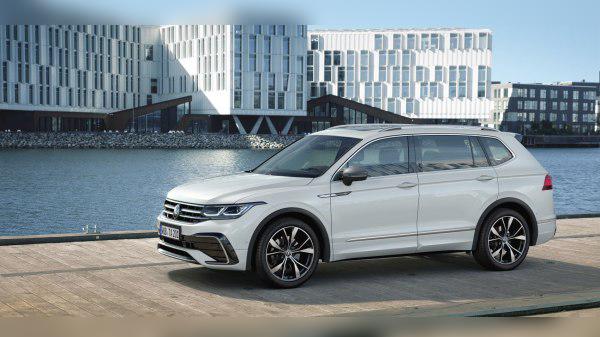
1.4 TSI (EA211 / CZDA) – Experiences, issues, fuel consumption and buying used
In short (TL;DR)
- Major improvement: This is an EA211 family engine that uses a timing belt, not the problematic chain from the old 1.4 TSI (EA111) engines. It is much more reliable.
- Power and purpose: With 150 hp and 250 Nm, this is the “golden middle ground”. Strong enough for the Superb and Yeti, and adequate for the Kodiaq unless it’s heavily loaded.
- ACT system: Many versions come with a cylinder deactivation system (ACT) that shuts down two cylinders to save fuel. The system is generally reliable, but adds complexity.
- Most common failure: The thermostat housing and water pump are the weakest points – the plastic cracks and coolant starts leaking.
- Gearbox: Often paired with a DSG gearbox. In front‑wheel‑drive models this is usually the “dry” DQ200 which requires attention, while 4x4 models typically get the more durable “wet” variants.
- Direct injection: Requires good‑quality fuel and occasional intake valve cleaning due to carbon buildup. Not ideal for cheap LPG conversions.
- Recommendation: An excellent petrol engine for those who don’t cover diesel‑like mileages but want quiet operation and solid performance.
Contents
Introduction and engine applications
When the Volkswagen Group launched the EA211 engine series in 2012, the goal was clear: to wash away the bad taste left by the previous TSI engines with problematic timing chains. The variant we’re discussing today, designated CZDA (and related versions), represents the pinnacle of that engineering correction.
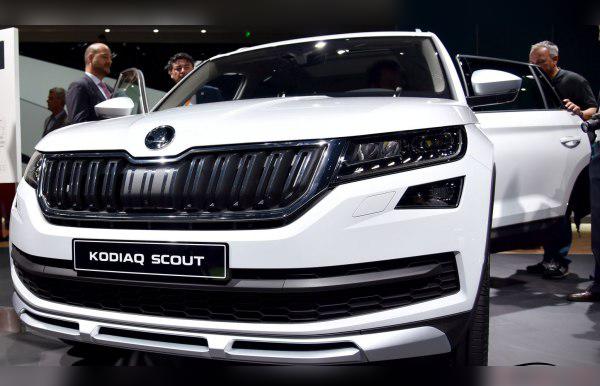
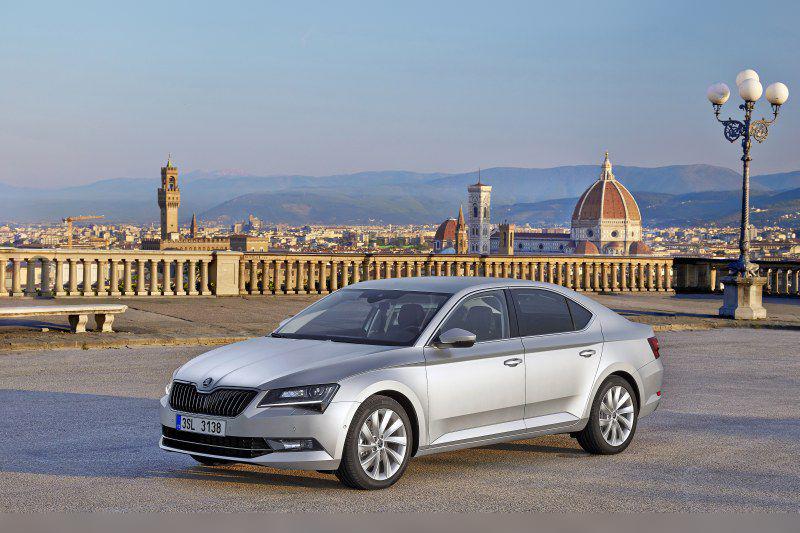
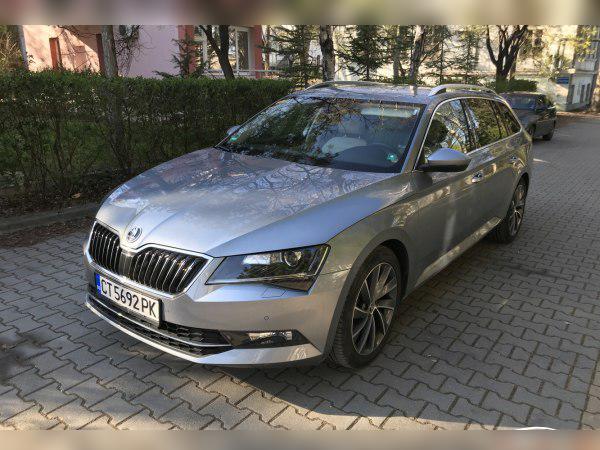
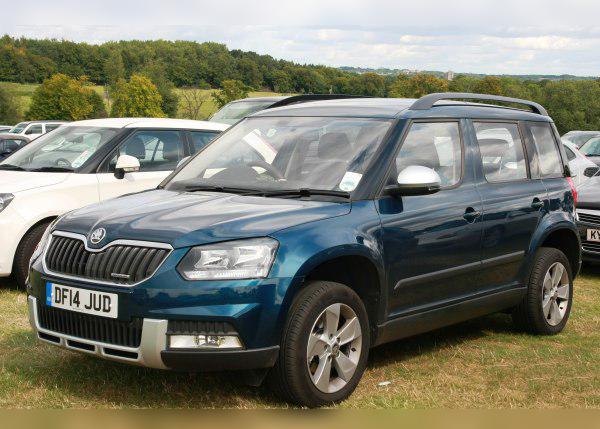
This 1.4 TSI unit with 150 horsepower is one of the most widespread petrol engines in the modern VAG lineup. It is fitted to everything from compact SUVs like the Škoda Yeti and VW Tiguan, to large saloons and family haulers such as the Škoda Superb III and Škoda Kodiaq. Its popularity lies in its balance – it offers performance once reserved for 2.0 naturally aspirated engines, but with significantly lower fuel consumption and emissions. For used‑car buyers, it is often a “safe haven” if they want to avoid high‑mileage diesels.
Technical specifications
| Characteristic | Data |
|---|---|
| Engine displacement | 1395 cc (1.4 litres) |
| Power | 110 kW (150 hp) at 5000–6000 rpm |
| Torque | 250 Nm at 1500–3500 rpm |
| Engine code | EA211 family (most commonly CZDA, CZEA for ACT versions) |
| Injection system | Direct injection (TSI) |
| Charging method | Turbocharger with water‑to‑air intercooler integrated into the intake |
| Camshaft drive | Timing belt (belt driven) |
Reliability and maintenance
Belt or chain?
This is the key question for any VW engine enthusiast. Fortunately, this engine (EA211) uses a timing belt. Engineers abandoned the stretching, failure‑prone chain used on the old 1.4 TSI engines. The belt on this model is very high‑quality and reinforced. Although the manufacturer often quotes an inspection interval of 240,000 km, experienced mechanics and real‑world practice suggest doing the timing belt service between 160,000 km and 180,000 km, or after 6 to 7 years of age, whichever comes first. Replacing the timing kit is not excessively expensive (varies by market), but it is crucial for peace of mind.
Most common issues
Although the engine is very reliable, it is not flawless:
- Water pump and thermostat housing: This is “classic” EA211. The housing is plastic and contains a pump driven by a small toothed belt on the other side of the engine (by the camshaft). Over time, the plastic weakens from heat/cool cycles and coolant starts to leak. The symptom is a dropping coolant level in the expansion tank.
- ACT actuators (on cylinder‑deactivation models): Although rare, the mechanism that shuts down two cylinders can throw an error. It is usually resolved via software or by replacing the actuator, which is not cheap.
- Carbon buildup: Like any direct‑injection engine, the intake valves are not washed by fuel. Over time, soot builds up, which can reduce performance and cause rough running. Cleaning (“decarbonisation” with walnut shell blasting) is recommended at around 100,000–150,000 km.
Oil: capacity and consumption
The sump holds approximately 4.0 to 4.5 litres of oil. The recommended grade depends on model year and service interval (fixed or long‑life), but most commonly you’ll see 5W‑30 (VW 504.00) or, on newer models, thinner 0W‑20 (VW 508.00).
Does it burn oil? Unlike its infamous predecessors, this engine does not have a pronounced oil‑consumption problem. Consumption of 0.5 litres per 10,000 km is considered perfectly acceptable and normal. If it uses more than a litre between services, that may indicate an issue with piston rings or the turbo, but this is rare on regularly maintained examples.
Spark plugs
As this is a turbocharged direct‑injection petrol engine, the spark plugs are under higher stress. The factory often quotes 60,000 km, but the recommendation is to replace high‑quality (iridium) plugs at a maximum of 50,000–60,000 km. Worn plugs can damage the individual coil packs (one per cylinder).
Specific components (costs)
Dual‑mass flywheel
Yes, this 150 hp version does have a dual‑mass flywheel. This applies to both manual‑gearbox versions and most DSG models. Its role is to dampen engine vibrations and protect the gearbox. Its typical lifespan is around 150,000–200,000 km, depending on driving style. Replacement is an expensive job (varies by market, but counts as a major cost).
Injection system and injectors
It uses a high‑pressure direct‑injection system (up to 200 bar). The injectors are generally durable, but sensitive to poor‑quality fuel. A failing injector manifests as jerking while driving, a “Check Engine” light, or fuel leaking into a cylinder (which can wash away the oil film and damage the engine). They are not as problematic as diesel injectors, but replacing one is still a significant expense.
Turbocharger
The engine has a single turbocharger (Mitsubishi or IHI) integrated with the exhaust manifold and water‑cooled. This solution is very robust. With regular oil changes, the turbo’s lifespan usually matches that of the engine (over 250,000 km). There is no twin‑turbo setup, which reduces complexity.
EGR, DPF and GPF
Older models (up to around 2017/2018) do not have a particulate filter. However, newer models (e.g. Tiguan Allspace facelift 2021) that comply with Euro 6d‑TEMP standards are equipped with a GPF (Gasoline Particulate Filter), the petrol equivalent of a DPF.
Fortunately, petrol engines run at higher temperatures, so the GPF passively regenerates much more easily and quickly than a diesel DPF. Blockages are extremely rare, except in extreme city use with very short trips.
There is an EGR function (often as part of variable valve timing or an internal EGR solution), but it rarely clogs to the point of needing replacement, unlike on diesel engines.
AdBlue
No, this engine does not use an AdBlue system. AdBlue is reserved for diesel engines to reduce NOx emissions. On this petrol engine, emissions are handled by a catalytic converter and the GPF, which means one less worry (and cost) for the owner.
Fuel consumption and performance
Real‑world consumption
Don’t expect miracles – this is still a petrol engine pulling heavy bodies (Kodiaq, Superb).
- City driving: Expect between 8.5 and 10 l/100 km. In heavy traffic (Kodiaq 4x4) this can easily reach 11 l/100 km. The ACT system helps, but physics is unforgiving.
- Country roads: This is where the engine shines. Consumption drops to 5.5 to 6.5 l/100 km if you drive smoothly.
- Motorway (130 km/h): Consumption is around 7.0 to 8.0 l/100 km, depending on the vehicle’s aerodynamics (the Superb uses less than the “boxy” Yeti or Kodiaq).
Is the engine “lazy”?
The 250 Nm of torque is available from as low as 1500 rpm, giving the engine a “diesel‑like” pulling feel.
For the Škoda Superb and Yeti, this engine is more than sufficient and can even feel sporty.
For the Škoda Kodiaq and VW Tiguan Allspace (especially with 7 seats and 4x4), the engine is adequate, but not impressive. With a full load of passengers and luggage, you’ll need to press the throttle harder on climbs and the gearbox will downshift more often. For normal family driving it is perfectly fine, but if you plan to tow a trailer regularly, the 2.0 TDI or 2.0 TSI are better choices.
Motorway behaviour
At 130 km/h, the engine spins at around 2,200 to 2,500 rpm in 7th gear (DSG) or 6th (manual). This makes it very quiet and comfortable for cruising. There is enough power in reserve for overtaking without having to “wring” the engine.
Additional options and modifications
LPG conversion
Since the engine uses direct fuel injection into the cylinders, an LPG conversion is complex and expensive (varies by market, but think “very expensive”). There are two options: 1. A system that still uses 20–30% petrol to cool the injectors (you never run 100% on gas). 2. A liquid‑injection LPG system (using the petrol injectors), which is the best technical solution but so costly that it rarely pays off unless you drive more than 30,000 km per year. In general, if you want LPG, look for older engines with port injection (MPI); this engine is not a good candidate.
Chiptuning (Stage 1)
This engine responds very well to a software tune. With a “Stage 1” remap, power can be safely raised to around 175–180 hp, and torque to about 300–320 Nm. Caution: If you have the DQ200 DSG (dry clutch), it is factory‑rated for 250 Nm. Increasing torque can drastically shorten the life of the clutch and gearbox. On manual gearboxes or “wet” DSGs (DQ250/381), tuning is safer.
Gearbox
Types of gearboxes
Two main gearbox philosophies are paired with this engine:
- Manual gearbox (6‑speed): Precise, light and very reliable. Maintenance comes down to replacing the clutch kit and dual‑mass flywheel when worn. It is a good idea to change the gearbox oil every 100,000 km, even though the factory calls it “lifetime”.
- DSG (automatic): Here there are several variants.
- DQ200 (7‑speed, dry clutch): Most commonly fitted to front‑wheel‑drive models (e.g. Superb 1.4 TSI, Yeti 4x2). This gearbox had a bad reputation. In newer models (after 2014) it has been improved, but it still dislikes heavy stop‑and‑go city traffic because the clutches overheat.
- DQ250 (6‑speed) or DQ381 (7‑speed) – wet clutch: These gearboxes are mostly used in 4x4 models (Kodiaq 4x4, Yeti 4x4, Superb 4x4). They are significantly more robust and durable because the oil cools the clutch packs.
Gearbox issues and maintenance
Manual: The most common issue is wear of the dual‑mass flywheel (knocking noise at idle, vibrations). Replacement is a major expense.
DSG (DQ200 dry): Mechatronic failures and premature clutch wear. The oil in the gearbox section is not changed often, but there is a separate fluid in the mechatronic unit.
DSG (wet 4x4): Mandatory oil and filter changes every 60,000 km! If this is followed, these gearboxes are very durable. If neglected, the valves in the mechatronic unit fail and repairs are extremely expensive.
Buying used and conclusion
What to check before buying?
- Cold start: Listen to the engine when cold. Although there is no chain, the hydraulic tappets should not clatter for long. The noise should settle within a few seconds.
- Coolant leaks: Inspect the engine bay around the water pump (on the left side of the engine when viewed from the front, under the plastic cover). Pink, crusty deposits are a sign of leakage.
- DSG test drive: The gearbox should shift imperceptibly. Any jerking when pulling away (especially uphill) or hesitation when changing gears is a sign that an expensive clutch or mechatronic failure may be looming.
- ACT system: If the car has ACT (shuts down 2 cylinders), drive at a constant speed and check whether the dash shows “2‑cylinder mode”. The transition must be seamless, without any jerks.
Who is this engine for?
The 1.4 TSI (150 hp) is an ideal engine for the average European driver. It offers refined running, cabin quietness that a diesel cannot match, and enough power for everything except racing. It is perfect for families who spend most of their time in the city and on country roads, and go on holiday trips a few times a year.
If you are buying a heavy SUV such as the Kodiaq and plan to tow a trailer frequently or drive fully loaded on the motorway, consider the 2.0 TDI. For all other scenarios, and especially for the Superb and Yeti, this engine is the “best buy” option, offering the best balance of maintenance costs, fuel consumption and registration/tax.
Was this content useful to you?
Your opinion helps us to improve the quality of the content.