DHFA Engine
- Engine
- 1498 cm3
- Aspiration
- Turbocharger
- Fuel
- Petrol / CNG
- Fuel injection system
- Direct injection
- Power
- 130 hp @ 5000 rpm
- Torque
- 200 Nm
- Cylinders
- 4
- Valves
- 16, 4 per cylinder
- Cylinders position
- Inline
- Valvetrain
- DOHC
- Oil capacity
- 4.3 l
- Systems
- Particulate filter
# Vehicles powered by this engine
1.5 TGI (DHFA) engine – experiences, issues, fuel consumption and used car buying guide
Key points (TL;DR)
- Factory CNG: Extremely economical driving, drastically cheaper than diesel or petrol.
- Small petrol tank: Most models with this engine have a petrol tank of only 9 liters (so‑called Range Extender), which requires route planning.
- VTG turbo: Uses a variable geometry turbocharger (rare for petrol/CNG) that offers better response, but is more expensive to repair.
- DQ200 DSG gearbox: Often paired with this engine; requires checking the mechatronics and clutch (“dry” DSG).
- Maintenance: Requires regular spark plug replacement and strict adherence to service intervals due to the higher combustion temperature of methane.
- Performance: 130 hp is perfectly adequate for everyday use, but 200 Nm of torque means it’s not built for racing.
Contents
Introduction and applications
The DHFA engine belongs to Volkswagen’s modern EA211 Evo engine family. It is a 1.5‑liter unit that is factory‑designed and optimized to run on compressed natural gas (CNG), commonly known as methane. This is not an aftermarket conversion, but an engineering solution that includes reinforced valves, a specific cylinder head and a turbocharger adapted to higher combustion temperatures.
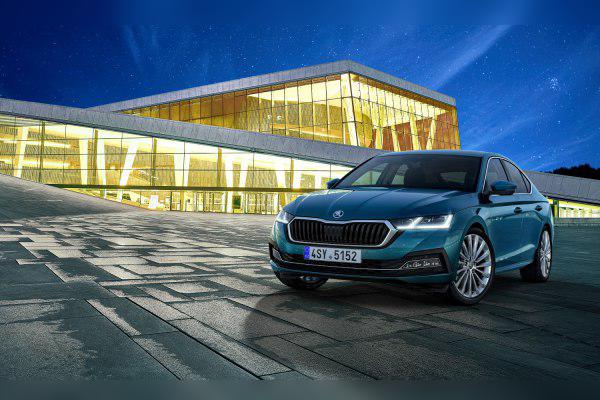
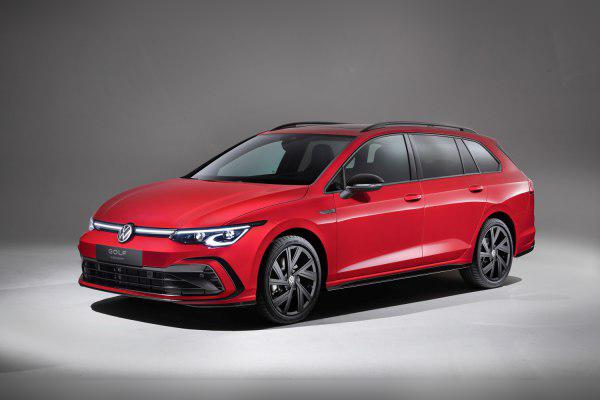
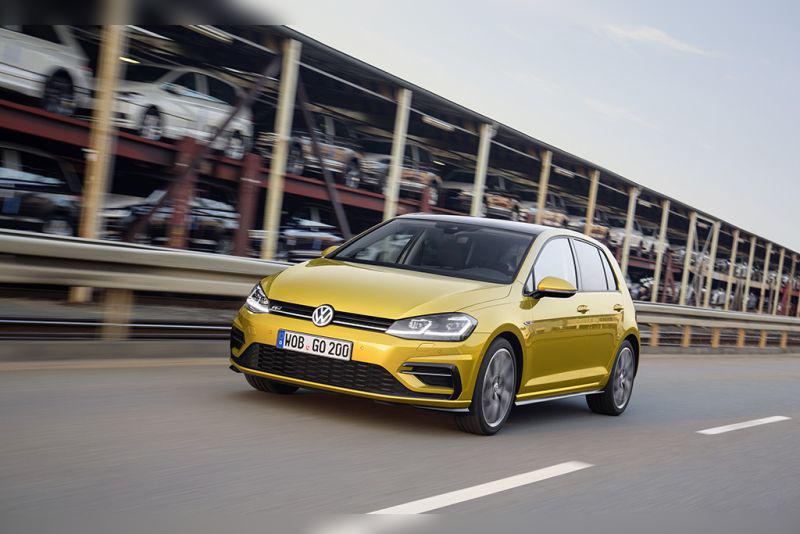
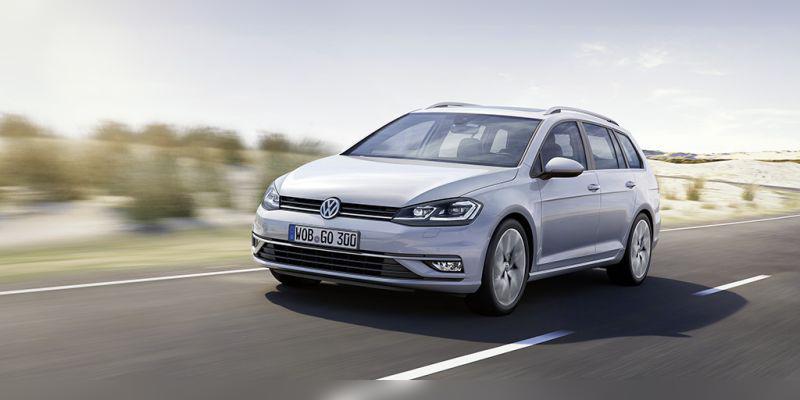
It is installed in popular C‑segment models such as the VW Golf VII (facelift), Golf VIII and Škoda Octavia IV. This engine is intended for drivers who cover high mileage and want minimal cost per kilometer, without driving a diesel. It is important to note that this engine operates on the Miller cycle, which contributes to excellent efficiency but also a somewhat “softer” power delivery.
Technical specifications
| Parameter | Value |
|---|---|
| Engine code | DHFA |
| Displacement | 1498 cc (1.5 l) |
| Power | 96 kW (130 hp) |
| Torque | 200 Nm at 1400–4000 rpm |
| Fuel type | CNG (methane) / petrol (reserve) |
| Induction | Turbocharger (VTG – Variable Turbine Geometry) |
| Injection | Direct injection |
| Number of cylinders | 4 |
Reliability and maintenance
Timing belt or chain?
The 1.5 TGI (DHFA) engine uses a timing belt. This is good news, as earlier TSI engines with chains had plenty of issues. The belt on this generation is reinforced with glass fibers.
Most common issues
Although the engine is generally reliable, there are some specific problems:
- Gas pressure regulator: The electronic pressure regulator can fail. Symptoms include difficulty switching to methane or the engine stalling when you suddenly press the accelerator.
- Carbon build‑up on intake valves: Due to direct injection, fuel does not wash the intake valves. Over time, carbon builds up, leading to rough idle and a slight loss of power.
- Turbo actuator: The lever that moves the variable geometry vanes can stick, which puts the engine into “safe mode” (loss of power) and triggers the “Check Engine” light.
- Coolant leaks: The thermostat module and water pump (also belt‑driven from the opposite side of the engine) are known to leak at the housing.
Major service
The factory interval for the timing belt is often listed as “lifetime” or 210,000 km for some markets, but that is overly optimistic. Experienced mechanics recommend doing the major service at a maximum of 150,000 to 180,000 km or every 8 to 10 years, whichever comes first. Along with the belt, the tensioners and water pump must be replaced.
Oil: capacity and consumption
The engine takes approximately 4.3 liters of oil. The recommended grade is specific to newer VW engines – usually 0W‑20 (VW 508.00 / 509.00 standard), known as “LongLife IV FE”. This thin oil is crucial for VTG turbo operation and low fuel consumption.
As for oil consumption, EA211 Evo engines are significantly better than the older EA111/EA888 generations. Consumption of up to 0.5 liters per 10,000 km is considered completely normal. If it uses more than 1 liter per service interval, this may indicate an issue with the piston rings or turbocharger.
Spark plugs
Since the primary fuel is CNG (methane), which burns at a higher temperature and is harder to ignite than petrol, the spark plugs are under higher stress. It is recommended to replace them every 40,000 to 60,000 km. Always use spark plugs specifically intended for TGI engines (often iridium), as regular plugs can lead to ignition coil failure.
Specific parts (costs)
Dual‑mass flywheel
Yes, this engine usually has a dual‑mass flywheel, especially when paired with a DSG gearbox. Although 200 Nm of torque is not huge, a dual‑mass flywheel is used for comfort and to reduce vibrations typical of small engines (this one has 4 cylinders, but the smoothness principle still applies). It is also often found with manual gearboxes.
Injection system and injectors
The engine has two sets of injectors: one set for petrol (direct injection) and one set for gas (in the intake manifold).
The issue: The petrol injectors are rarely used (only at start‑up or when gas runs out). Because of that, they can seize from sitting idle. It is recommended that you occasionally (once every few months) drive the car exclusively on petrol for about 20–30 km so the system can “breathe”.
Turbocharger
This engine uses an advanced VTG turbo (Variable Turbine Geometry). This technology was for decades reserved for diesels (and Porsche petrol engines). It provides excellent throttle response at low revs. Service life is long if quality oil is used and changed regularly, but if it fails, repair is expensive or impossible (you may need a new unit), because the vane calibration system is very sensitive. (Price: very high, depends on the market).
DPF, GPF and EGR
There is no DPF (that’s for diesels), but there is a GPF (Gasoline Particulate Filter), also called OPF. Since methane burns very cleanly, GPF clogging is extremely rare, much rarer than on pure petrol engines. There is an EGR valve and it can get dirty, but again – methane is a cleaner fuel, so problems are less frequent.
AdBlue
No AdBlue. AdBlue fluid is used exclusively on diesel engines to reduce NOx emissions. TGI engines meet emissions standards by the nature of the fuel itself and with the help of catalytic converters.
Fuel consumption and performance
City driving
Real‑world city consumption is between 4.5 kg and 5.5 kg of methane per 100 km. This is equivalent to the running cost of a diesel using about 3–4 liters, which is impossible to achieve with a diesel in the city. If you drive on petrol (when gas runs out), city consumption jumps to 7.5 – 9.0 l/100 km.
Performance and “sluggishness”
Is it sluggish? It depends on what you drove before. With 130 hp, the engine is not underpowered for an Octavia or Golf estate body. However, the torque of 200 Nm is relatively low for a turbo engine of this displacement (a regular 1.5 TSI has 250 Nm). Because of that, the car doesn’t “pin you to the seat”; it accelerates linearly. For overtaking on country roads it is perfectly adequate, but it does require a lower gear (with the manual gearbox).
Motorway
On the motorway this engine feels at home. The aerodynamics of modern models (Golf 8, Octavia IV) is excellent.
At 130 km/h in top gear (6th or 7th on DSG), the engine spins at about 2600–2800 rpm. At that point it uses around 3.8 – 4.2 kg/100 km of methane.
Additional options and modifications
LPG conversion
Not possible and makes no sense. This engine already runs on compressed natural gas (CNG). Installing LPG (liquefied petroleum gas) on top of the CNG system is technically unfeasible and pointless. Just run it on methane – it’s the cheapest fuel.
Chip tuning (Stage 1)
Tuning this engine is complicated and not recommended.
Reasons:
1. Miller cycle: Designed for efficiency, not power.
2. VTG turbo: Sensitive to changes in boost pressure and exhaust gas temperature.
3. Thermal load: Methane already burns hotter. Increasing power could drastically raise cylinder temperatures and damage the valves or turbo.
Any potential gain would be small (up to about 145–150 hp), with a high level of risk.
Gearbox
Types of gearboxes
The DHFA engine is most commonly paired with:
1. 6‑speed manual gearbox: Precise and easy to use.
2. 7‑speed DSG (DQ200): Dual‑clutch automatic gearbox.
Most common gearbox issues
- Manual: Very reliable. Failures are rare, usually oil leaks at the driveshaft seals at higher mileage. The clutch kit lasts a long time because the engine doesn’t have brutal torque.
- DSG (DQ200): This is a gearbox with “dry” clutches. Although improved compared to the first versions, it is still sensitive to stop‑and‑go city driving.
- Symptoms: Jerking when setting off, thumps when shifting from 1st to 2nd gear, delayed response.
- Failures: Worn clutch packs and mechatronics failure (gearbox ECU and hydraulics). Clutch replacement is expensive (depends on the market), and mechatronics repair even more so.
Gearbox servicing
- Manual: VW says the oil is “lifetime fill”, but it is recommended to change it at 150,000 km.
- DSG DQ200: Officially “maintenance‑free” (sealed for life), but in practice it is wise to change the oil in the gearbox section and the hydraulic oil in the mechatronics every 60,000 – 80,000 km to extend the life of the solenoids.
Buying used and conclusion
When buying a used car with the 1.5 TGI engine, pay attention to the following:
- Methane tanks: Check whether the tanks are damaged (corrosion is rarer because newer models use composite tanks, but a visual inspection is still mandatory). Check the tank certification/inspection validity.
- Running on petrol: Insist that the car is started and tested on petrol. If it misfires, the petrol injectors are dirty.
- Cold start: The engine should run smoothly immediately after starting. Uneven compression or bad spark plugs will show up here first.
- Belt/auxiliary drive noise: Even though it has a belt, listen for any strange noises (whistling) from the side where the pulleys are.
- Tank capacity: Check whether the specific model suits your needs. The Octavia IV and Golf VIII usually have only 9 liters of petrol. This means you must plan trips according to CNG station maps. The older Golf VII (pre‑facelift) had a full‑size petrol tank (50 l), but this DHFA engine is fitted to newer models that are mostly optimized as “mono‑fuel”.
Conclusion: The 1.5 TGI DHFA engine is an economy champion. It is intended for taxi drivers, sales reps and families who travel a lot and live near CNG stations. It is not for you if you enjoy sporty driving or live in a region without methane. Maintenance is somewhat more expensive than on a regular petrol engine (more frequent spark plug changes, specific gas system components), but this more than pays off through the low fuel cost.
Was this content useful to you?
Your opinion helps us to improve the quality of the content.