CUNA, CUPA, DJGA Engine
- Engine
- 1968 cm3
- Aspiration
- Turbocharger, Intercooler
- Fuel
- Diesel
- Fuel injection system
- Diesel Commonrail
- Power
- 184 hp
- Torque
- 380 Nm
- Cylinders
- 4
- Valves
- 16, 4 per cylinder
- Cylinders position
- Inline
- Valvetrain
- DOHC
- Oil capacity
- 4.6 l
- Coolant
- 11.6 l
- Systems
- Particulate filter
# Vehicles powered by this engine
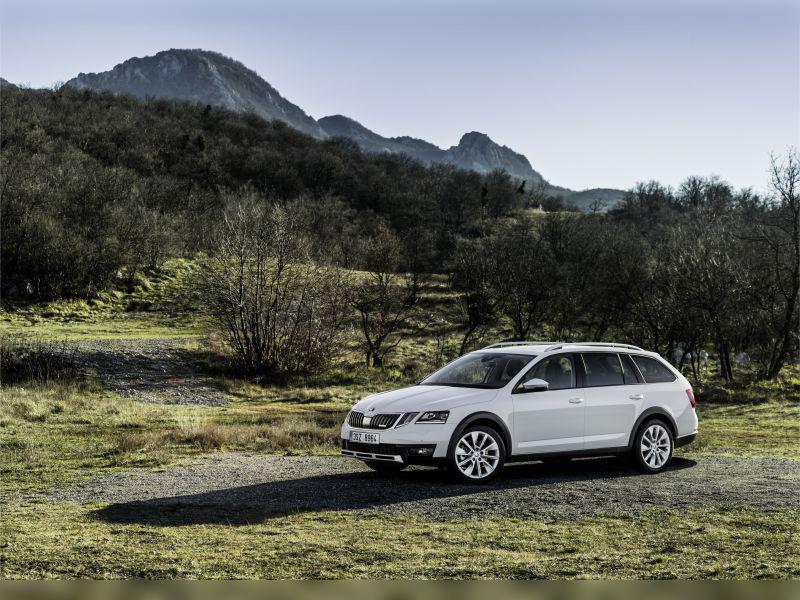
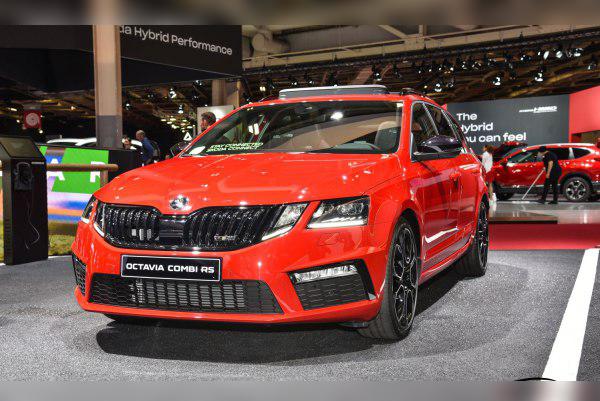
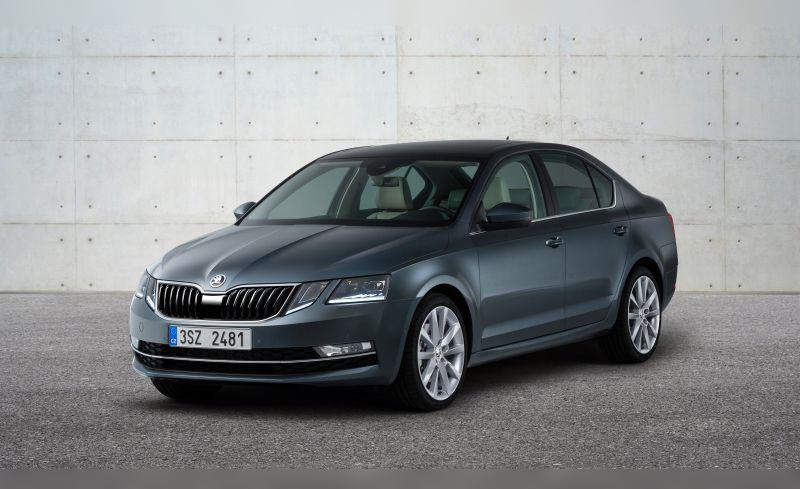
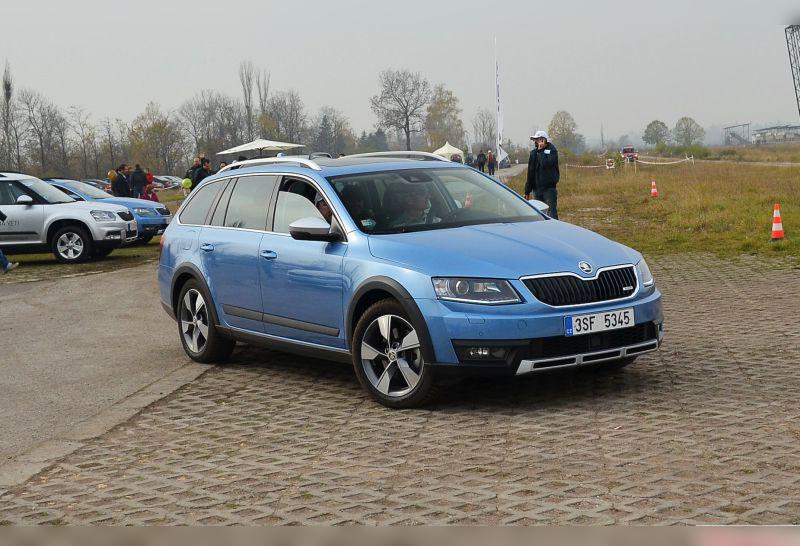
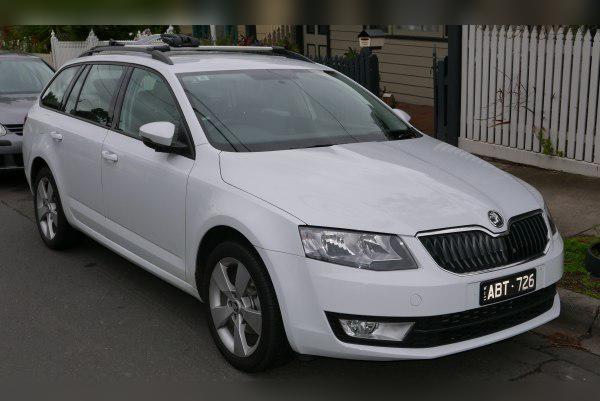
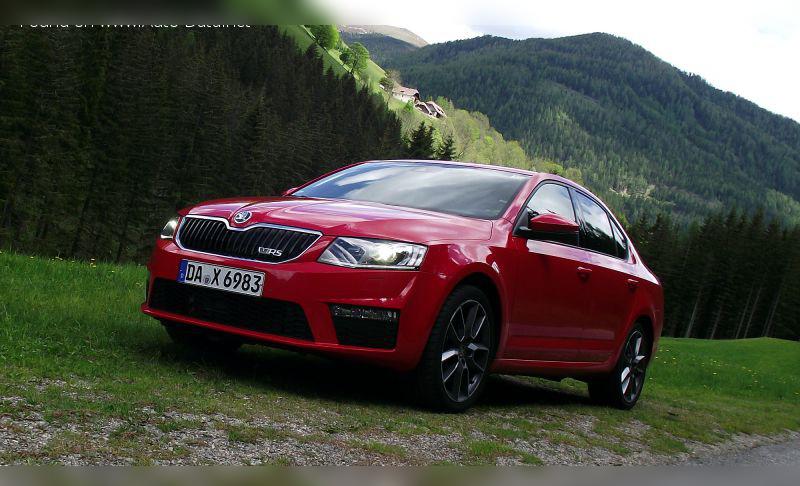
2.0 TDI (184 HP) CUNA/CUPA/DJGA: Experiences, problems, fuel consumption and maintenance of the diesel king
In short, the most important (TL;DR)
- Performance: This is the most powerful 2.0‑liter diesel in the Octavia III (RS and Scout models). It offers an excellent balance between power and fuel consumption.
- Achilles' heel: The water pump and coolant leaks are the most common issues.
- Gearbox: The DSG is a fantastic match for this engine, but it requires strict servicing every 60,000 km.
- Emissions: All engines in this series (CUNA, CUPA, DJGA) have an AdBlue system that can be expensive to repair.
- Maintenance: Not cheap. Parts are more expensive than for the standard 2.0 TDI 150 HP due to specific high‑performance components.
- Recommendation: Ideal for highway and long‑distance driving. In the city it struggles with DPF regeneration.
Contents
- Introduction: Why is this engine special?
- Technical specifications
- Reliability and maintenance
- Specific parts and costs
- Fuel consumption and performance
- Additional options and modifications
- Gearbox (DSG and manual)
- Buying used and conclusion
Introduction: Why is this engine special?
The engine we’re talking about today belongs to the EA288 family from the Volkswagen Group, but this is not an ordinary “company” diesel. The 184 HP (135 kW) version with codes CUNA, CUPA and DJGA is reserved for the top of the range – specifically for the Škoda Octavia RS (performance) and Scout (off‑road capability).
This is an engine that tries to reconcile the irreconcilable: to go like a sports car while consuming fuel like a lighter. It is installed in all body variants (liftback and Combi), as well as with front‑wheel drive or all‑wheel drive (4x4). Unlike its weaker 150 HP siblings, this engine has different thermal loads, a different turbo and components adapted to higher torque.
Technical specifications
| Parameter | Value |
|---|---|
| Engine displacement | 1968 ccm (2.0 liters) |
| Power | 135 kW (184 HP) at 3500–4000 rpm |
| Torque | 380 Nm at 1750–3000 rpm |
| Engine codes | CUNA, CUPA, DJGA |
| Injection type | Common Rail (Bosch) |
| Charging | Turbocharger (VGT) + intercooler |
| Emission standard | Euro 6 (with AdBlue system) |
Reliability and maintenance
Timing belt or chain?
All engines with codes CUNA, CUPA and DJGA use a timing belt for the cam drive. This is good news because the system is quieter and generally more reliable than the old VW chains. However, there is also a small “wet belt” that drives the oil pump, located inside the oil pan. Although it is designed to last as long as the engine, in practice you should be cautious at high mileage.
Major service and intervals
The manufacturer often states optimistic intervals of 210,000 km for timing belt replacement. As someone who has seen too many catastrophic failures, my advice is: shorten that. Do the major service at a maximum of 150,000 to 160,000 km or every 5 to 7 years, whichever comes first. The water pump is a weak point and often starts leaking or seizes before the factory interval, so it should always be replaced together with the belt, tensioners and rollers.
Oil: quantity and consumption
This engine takes approximately 4.6 to 4.7 liters of oil. The recommended grade is exclusively 5W‑30 that meets the strict VW 507.00 specification (Low SAPS because of the DPF filter).
Oil consumption: These engines can consume a bit of oil, especially if driven hard (which is expected for RS models). Up to 0.5 liters per 10,000 km is considered acceptable. If it consumes more than a liter between services, check the turbocharger or the PCV valve (oil vapor separator).
Most common failures
- Variable water pump: These engines use a pump with a movable “sleeve” that blocks coolant flow while the engine is cold for faster warm‑up. This mechanism often gets stuck, which leads to engine overheating. Symptom: Temperature rises above 90°C under load.
- Coolant loss: Besides the pump, coolant can also disappear through the EGR cooler or through the intercooler integrated into the intake manifold (water‑to‑air). This is dangerous because the engine can “drink” coolant.
- Oil leaks: Often occur at the crankshaft seal (gearbox side) or at the valve cover.
Injectors
Unlike the older PD engines, this Common Rail system is much more reliable. However, the 184 HP version uses specific high‑pressure injectors. They last a long time (over 200,000 km without issues with good fuel), but are sensitive to poor‑quality diesel. The first symptoms of failure are rough idle (knocking) and increased smoke. Replacement is expensive (depends on market).
Specific parts (costs)
Dual‑mass flywheel
Yes, this engine absolutely has a dual‑mass flywheel, regardless of whether it is paired with a manual or DSG gearbox. Given the high torque of 380 Nm, the flywheel is under heavy load, especially if you often floor it from low revs. Typical lifespan is between 150,000 and 200,000 km.
Turbocharger
The engine uses a single, but fairly large turbocharger with variable geometry. It is not prone to sudden failure if you respect the cool‑down rule after fast driving. Problems with the geometry (soot blocking the vanes) can occur if the car is driven exclusively in the city (“lugging” the engine).
Emissions: DPF, EGR and AdBlue
This is a Euro 6 engine, which means the exhaust after‑treatment system is complex:
- DPF filter: Located close to the engine for faster warm‑up. Passive regeneration works well on the open road, but city driving clogs it quickly.
- EGR valve: Prone to fouling, and the EGR cooler can develop leaks.
- AdBlue (SCR): All CUNA/CUPA/DJGA engines have AdBlue. This is a frequent source of frustration. The heater in the AdBlue tank often fails, as do the pump or dosing injector (urea crystallization). Repair usually means replacing the entire tank module, which is very expensive (depends on market).
Fuel consumption and performance
Real‑world fuel consumption
Even though it’s a diesel, don’t expect miracles if you drive the RS model the way it’s meant to be driven.
- City driving: Expect between 7.5 and 9.0 l/100 km. If it’s a 4x4 Scout model in winter, it can go up to 10 liters.
- Country roads: This is where the engine shines, using around 5.0 to 5.5 l/100 km.
- Motorway (130 km/h): Consumption is around 6.0 to 6.5 l/100 km.
Is the engine “lazy”?
Absolutely not. With 380 Nm available from just 1750 rpm, this engine moves the Octavia’s body (even a fully loaded estate) with incredible ease. In‑gear acceleration is brutal for this class of vehicle. Overtaking is safe and quick, often without the need to shift down.
Motorway driving
This is the natural habitat of this engine. At 130 km/h in top gear (6th in the manual or 6th/7th in the DSG), the engine spins at a relaxed 2100–2200 rpm. The cabin remains quiet, and there is enough power in reserve to accelerate up to 200 km/h easily if you’re on the German Autobahn.
Additional options and modifications
Chip tuning (Stage 1)
This engine responds very well to remapping. A Stage 1 tune raises power to a safe 215–220 HP and torque to an impressive 440–450 Nm.
Warning: If you have a DSG gearbox, you must also do a TCU tune so that clutch pressure is increased, because the stock software may not be able to transmit that much torque without slipping. With the manual gearbox, clutch lifespan will be drastically shorter after chipping.
Gearbox: DSG and manual
Types of gearboxes
There are two main options with this engine:
- 6‑speed manual: Robust and precise. Code MQ350.
- DSG (automatic):
- Older models (up to approx. 2017/2018): DQ250 (6‑speed, wet clutches).
- Newer models (e.g. DJGA in 4x4 versions): DQ381 (7‑speed, wet clutches).
Gearbox failures and maintenance
Manual gearbox: The mechanism itself rarely fails. The main expense is the clutch kit with dual‑mass flywheel, which is (depending on market) firmly in the “expensive” category.
DSG gearbox: Both versions (DQ250 and DQ381) are “wet”, meaning the clutch packs run in oil. This is crucial for longevity. The most common failure is the mechatronics unit (the gearbox brain), which can fail if the oil is not changed on time.
Service interval for DSG: DSG oil and filter MUST be changed every 60,000 km (for DQ250) or 120,000 km (for DQ381, although it’s recommended to do it earlier, at 60–80k). Ignoring this leads to certain failure costing over 1000 EUR.
Buying used and conclusion
What to check before buying?
- Cold start: Listen to the engine sound during the first 3 seconds. Any rattling or knocking can indicate a problem with the flywheel.
- Coolant level: Check the expansion tank. If it’s below minimum or you see white limescale traces around the cap/hoses, walk away or prepare money for a water pump/cooler replacement.
- Diagnostics: Check DPF saturation (soot mass) and injector status (injection corrections).
- DSG behavior: The gearbox must engage smoothly, without jerks, both when moving forward and in reverse.
Final conclusion
The 2.0 TDI (184 HP) engine in the Škoda Octavia is a fantastic choice for drivers who cover high mileage on open roads and want power in reserve for safe overtaking. It offers sports‑car performance in a family estate package.
However, this is not an engine for short city trips. The complex exhaust after‑treatment and AdBlue system will cause you problems in urban use. Maintenance is more expensive than on an average car, but the driving experience makes up for it. If you’re looking for a reliable long‑distance sprinter – this is the right choice.
Was this content useful to you?
Your opinion helps us to improve the quality of the content.