CHPA Engine
- Engine
- 1390 cm3
- Aspiration
- Turbocharger, Intercooler
- Fuel
- Petrol (Gasoline)
- Fuel injection system
- Direct injection
- Power
- 140 hp @ 5600 rpm
- Torque
- 220 Nm
- Cylinders
- 4
- Valves
- 16, 4 per cylinder
- Cylinders position
- Inline
- Valvetrain
- DOHC
- Oil capacity
- 3.2 l
- Coolant
- 10.4 l
- Systems
- Cylinder deactivation system
# Vehicles powered by this engine
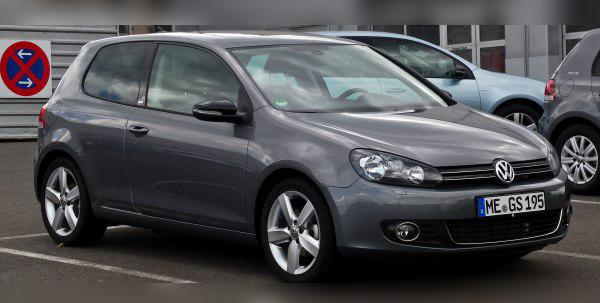
1.4 TSI CHPA (140 HP): Experiences, issues, fuel consumption and buying used
Key points (TL;DR)
- Major improvement: This is an engine from the EA211 series, which means it has a timing belt instead of the problematic chain that caused chaos in previous generations (Golf 6 and older).
- Performance: 140 HP is the “sweet spot” for models like the Golf 7 and Octavia III. Excellent balance of power and fuel consumption.
- Weak point – Water pump: The thermostat housing and water pump are made of plastic and prone to cracking and coolant leaks.
- ACT technology: Some models have a cylinder deactivation system (two cylinders shut off) for fuel savings – this adds complexity but is generally reliable.
- Gearbox (DSG): It is mostly paired with the DQ200 gearbox (dry clutch), which requires caution and can be expensive to repair.
- Direct injection: Like any modern petrol engine, it is prone to carbon buildup on intake valves at higher mileage.
- Recommendation: Definitely “Buy”, but only after checking the gearbox service history and for coolant leaks.
Contents
Introduction and engine applications
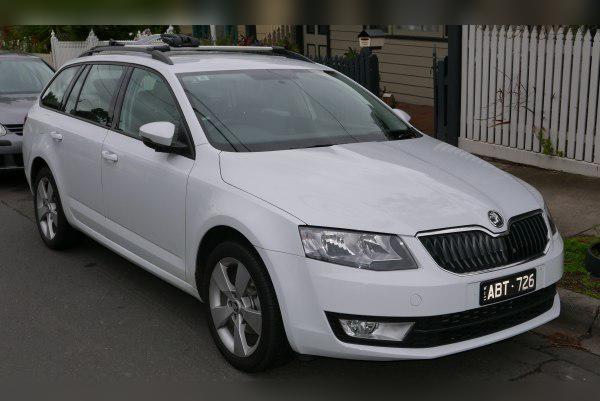
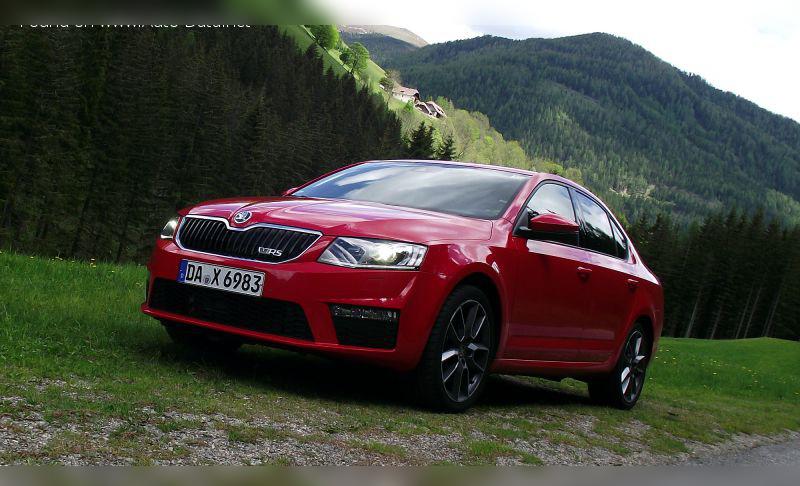
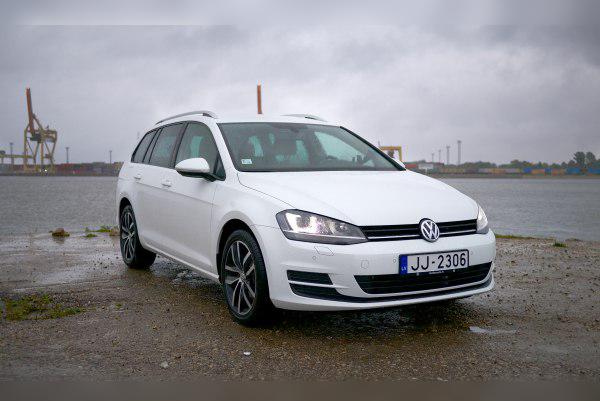
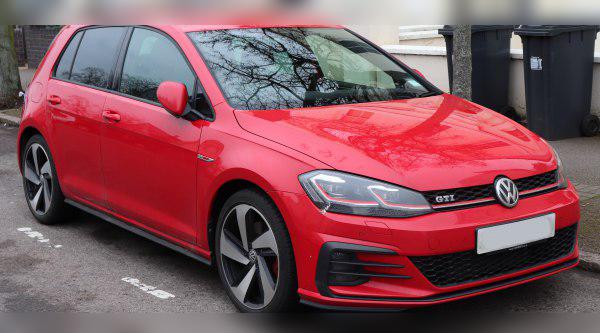
The engine with the code CHPA belongs to Volkswagen’s EA211 engine family. This is a key piece of information because it marks the transition from the old, problematic engines (EA111 with chain) to a new, much more reliable design. It was primarily installed in vehicles on the MQB platform, such as the VW Golf VII and Škoda Octavia III.
This 1.4-liter engine with 140 horsepower is an ideal compromise for the average European driver. It offers performance that used to be reserved for 2.0 naturally aspirated engines, but with drastically lower fuel consumption and cheaper registration. Although some data mention the Golf VI, you should be careful: the Golf VI mostly used the older generation of engines (CAXA/CAVD), while CHPA is a hallmark of the “Mk7” Golf and the third-generation Octavia.
Technical specifications
| Parameter | Value |
|---|---|
| Displacement | 1395 cc (1.4 L) |
| Power | 103 kW (140 HP) at 4500–6000 rpm |
| Torque | 220 Nm – 250 Nm (depending on variant and market) |
| Engine code | CHPA (EA211 family) |
| Injection type | Direct injection (TSI/FSI) |
| Forced induction | Turbocharger + intercooler |
| Timing drive | Timing belt |
| Emissions standard | Euro 5 / Euro 6 (depending on year) |
Reliability and maintenance
Does this engine have a timing belt or a chain?
This is the most important question and the answer is positive: the CHPA engine uses a timing belt. Engineers learned their lesson from the previous generation, which had a thin chain prone to stretching. The belt on this engine is reinforced and designed to last long, which significantly reduces the risk of catastrophic engine failure that was a nightmare for owners of older TSI models.
What are the most common issues with this engine?
Although reliable, the CHPA is not without flaws:
- Thermostat housing and water pump: This is the “Achilles’ heel” of this engine. The module is made of plastic that deforms over time due to heat, which leads to coolant leaks. Symptoms include a dropping coolant level or traces of crystallized coolant on the engine block.
- Wastegate actuator on the turbo: It can stick, which causes the EPC light to come on and a loss of power. Often the linkage or the entire actuator has to be replaced.
- Oil consumption (to a lesser extent): While not as critical as on older models, stuck piston rings can occur if the engine has been run on “long-life” oil change intervals (30,000 km).
- Carbon buildup: Due to direct injection, the intake valves are not washed by fuel, so carbon deposits build up over time, which can reduce performance and cause rough running.
At what mileage should the major service be done?
The factory recommendation for inspection and possible replacement of the timing belt is often optimistic (up to 210,000 km for the first inspection in some markets). However, experienced mechanics recommend doing the full timing service (belt kit + water pump) between 160,000 km and 180,000 km, or every 8 to 10 years, whichever comes first. Better safe than sorry.
Oil: quantity, grade and consumption
The CHPA sump holds approximately 4.0 to 4.5 liters of oil (always buy 5 liters). The recommended grade is usually 5W-30 (VW 504.00/507.00 standard), although newer revisions may use 0W-20 (check the owner’s manual).
Does it burn oil? Unlike its infamous predecessors, this engine should not consume large amounts of oil. Consumption of around 0.5 liters per 10,000 km is considered completely acceptable and normal. If it uses more than 1 liter over a few thousand kilometers, that points to an issue with the piston rings or the turbo.
Spark plugs and injectors
On petrol engines with direct injection, spark plugs are under greater stress. It is recommended to replace them every 60,000 km. Quality iridium plugs are essential for proper coil operation (coils are also sensitive). Injectors are generally durable but sensitive to poor fuel quality.
Specific parts (costs)
Does the engine have a dual-mass flywheel?
Yes. The 140 HP version has enough torque to require a dual-mass flywheel for driving comfort and gearbox protection. This applies both to manual and DSG models. Replacement is expensive (varies by market, but it is among the pricier items), yet it usually lasts over 150,000–200,000 km if driven carefully.
Injection system and turbo
The system is direct injection (TSI). High-pressure injectors spray fuel directly into the cylinder. They are not as problematic as diesel injectors, but replacing a single injector can be costly. The engine has a single turbocharger. A specific feature of EA211 engines is that the exhaust manifold is integrated into the cylinder head and water-cooled, which helps the turbo cool down faster and extends its lifespan.
Emissions: DPF, EGR, AdBlue
This is a petrol engine, so it does not have a DPF filter in the sense that diesels do (later petrol engines have OPF/GPF, but CHPA is mostly from before that era). It also does not have an AdBlue system. It does have an EGR system and a catalytic converter. EGR issues are rarer than on diesels, but can occur if the car is used exclusively for short city trips.
Fuel consumption and performance
What is the real fuel consumption in city driving?
While the factory promises miracles, real-world city driving (stop-and-go traffic) is between 7.5 and 9.0 l/100 km, depending on how heavy your right foot is and how bad the traffic is. In smaller towns without congestion it can drop to around 7 liters, but in big cities expect the upper end of that range.
Is this engine “lazy”?
Absolutely not. With 140 HP and 220–250 Nm of torque available from low revs (around 1500 rpm), this engine moves a Golf Variant or Octavia Combi body with ease. It reaches 100 km/h in about 8.5 seconds, which is quicker than most older 2.0 TDI models. Overtaking is safe and confident.
What is it like on the motorway?
The motorway is where this engine really shines. Thanks to the 6th gear (or 7th on DSG), at 130 km/h the engine spins at about 2,600 to 2,800 rpm. This results in a quiet cabin and fuel consumption of around 6.0 to 6.5 l/100 km. Top speed is over 210 km/h, which shows there is plenty of power in reserve.
Additional options and modifications
LPG conversion
Is it possible? Yes. Is it cost-effective? Debatable. Due to direct injection, a special (and expensive) system is required that either uses “liquid LPG” or injects a mixture of petrol and LPG (e.g. 20% petrol, 80% LPG) to cool the petrol injectors. Installation is very expensive (often over 800–1000 EUR) and only pays off if you cover very high mileage (over 30,000 km per year). For the average driver – not recommended.
Remapping (Stage 1)
This engine responds very well to remapping. A “Stage 1” tune safely raises power to around 165–175 HP and torque to about 300 Nm. The engine can handle this mechanically without issues, but you should be careful if you have a DSG gearbox (DQ200), as its clutch is torque-limited. On the manual gearbox, remapping can shorten clutch lifespan.
Gearbox
Manual vs automatic (DSG)
With the CHPA engine you get two options:
- 6-speed manual (MQ250): Very precise, easy to use and generally very reliable. Maintenance comes down to changing the oil (recommended at 100,000 km even though VW calls it “lifetime”) and replacing the clutch kit when worn.
- 7-speed DSG (DQ200): This is a gearbox with a dry clutch. Although it offers lightning-fast shifts and lower fuel consumption, it is more sensitive than the “wet” DSG gearboxes (used with 2.0 TDI, for example).
DSG gearbox issues
The DQ200 is known for several issues:
- Mechatronics unit: The “brain” of the gearbox can fail, which is an expensive repair.
- Clutch pack: As the clutches are dry, they wear out faster, especially in city stop-and-go traffic. Symptoms include juddering when setting off or strange noises when shifting from 1st to 2nd gear.
- Costs: Replacing the clutch on a DSG is significantly more expensive than on a manual gearbox.
The oil in the mechatronics unit and in the DQ200 gearbox itself should be changed every 60,000 km, even though many workshops claim it is “sealed for life”. It is cheap insurance for an expensive component.
Buying used and conclusion
Before buying a used car with the 1.4 TSI CHPA engine, make sure to check:
- Cold start: Listen to the engine when it is cold. There should be no rattling or metallic noises in the first few seconds.
- Coolant level: Look at the coolant expansion tank. If the level is below minimum, the thermostat housing is likely leaking.
- Test drive (DSG): If it is an automatic, release the brake on an incline without touching the throttle – the car should not roll back or jerk when you gently apply the gas.
- Service history: Check whether the timing belt has been replaced if the car is close to 180,000 km.
Conclusion: The 1.4 TSI (CHPA) with 140 HP is an excellent engine. It successfully solved the teething problems of its predecessors and offers a fantastic balance between performance and efficiency. It is ideal for those who drive up to 20–25,000 km per year and want a quiet, refined car. If you are choosing between this petrol engine and a diesel with over 250,000 km, a well-maintained 1.4 TSI is often the smarter and cheaper long-term purchase.
Was this content useful to you?
Your opinion helps us to improve the quality of the content.