EA111 / CAXA Engine
- Engine
- 1390 cm3
- Aspiration
- Turbocharger, Intercooler
- Fuel
- Petrol (Gasoline)
- Fuel injection system
- Direct injection
- Power
- 122 hp @ 5000 rpm
- Torque
- 200 Nm
- Cylinders
- 4
- Valves
- 16, 4 per cylinder
- Cylinders position
- Inline
- Valvetrain
- DOHC
- Oil capacity
- 4 l
- Coolant
- 5.6 l
- Systems
- Start & Stop System
# Vehicles powered by this engine
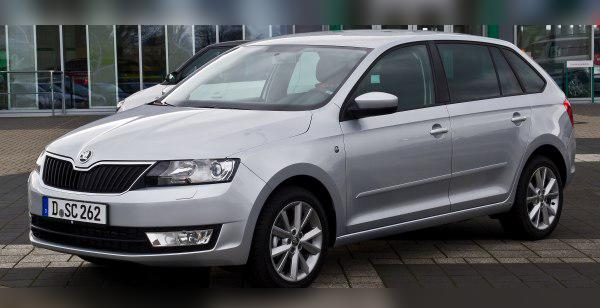
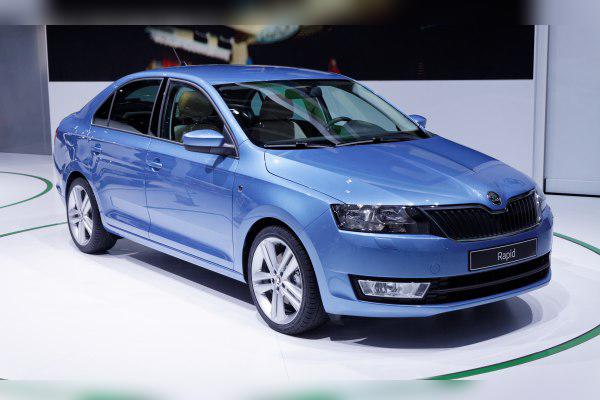
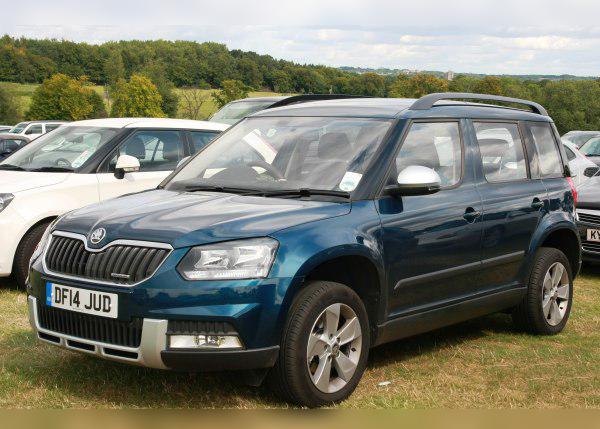

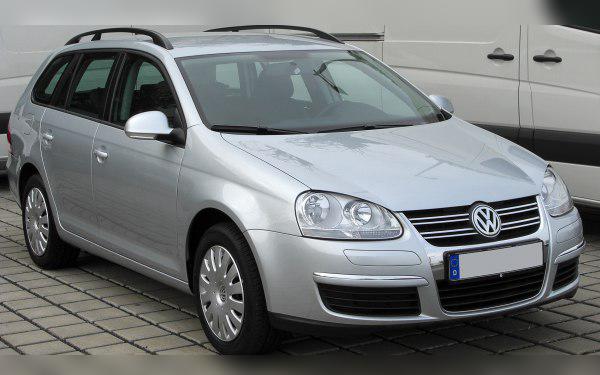
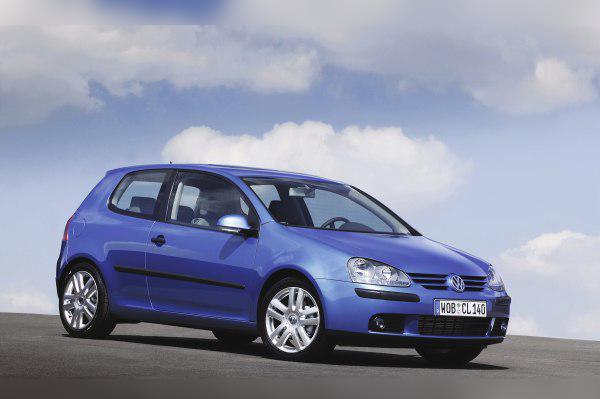
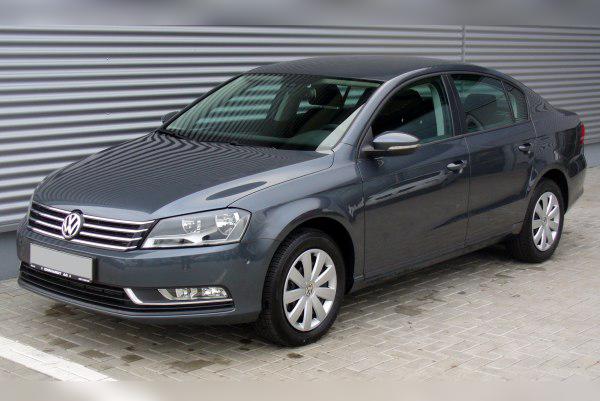
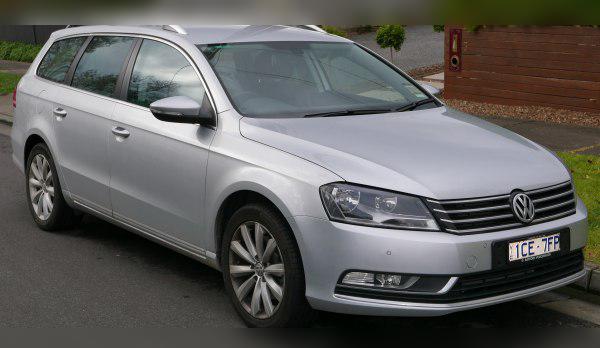
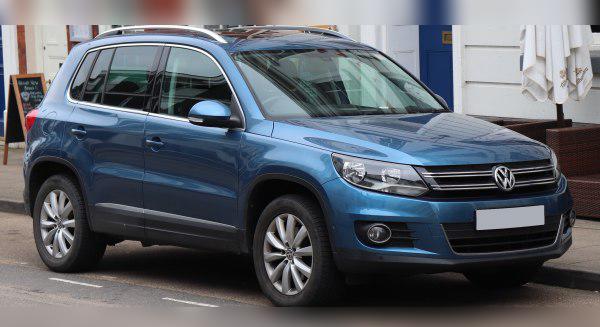
1.4 TSI EA111 (CAXA) 122 HP: Experiences, problems, fuel consumption and used car buying guide
Key points (TL;DR)
- Achilles’ heel: Timing chain and chain tensioner. A “cold start” check before purchase is mandatory.
- Turbocharger: This is the “single-turbo” version (turbo only, no supercharger), which makes it more reliable than the more powerful 1.4 TSI variants (160 HP), but the turbo actuator (wastegate) often sticks.
- Direct injection: Excellent performance and low fuel consumption, but sensitive to poor fuel quality and prone to carbon buildup on intake valves.
- Gearboxes: Comes with a precise manual gearbox or a DSG 7 (DQ200) with dry clutch, which requires caution when buying due to expensive mechatronics.
- Recommendation: An excellent choice for the Golf and Rapid, perfectly decent for the Yeti, but can feel a bit strained in the Passat when fully loaded with passengers.
- Maintenance: Requires regular oil changes (maximum every 10–15,000 km) to protect the chain.
Contents
- Introduction and applications
- Technical specifications
- Reliability and maintenance
- Specific parts and costs
- Fuel consumption and performance
- Additional options (LPG and tuning)
- Gearbox (manual and DSG)
- Buying used and conclusion
Introduction and applications
The 1.4 TSI EA111 engine with the code CAXA (122 HP) represents a turning point in Volkswagen’s lineup. It had a difficult task – to replace the robust but outdated naturally aspirated 1.6 FSI and 2.0 FSI engines. This is an example of “downsizing” in both the best and worst sense. On the one hand, you get an engine that pulls from low revs like a diesel, and on the other hand, a complex assembly that is sensitive to maintenance.
Unlike its more powerful siblings (Twincharger with 140–170 HP) which have both a supercharger and a turbo, this engine has only a turbocharger. That’s great news for used car buyers because it is less complicated and doesn’t suffer from the piston cracking issues that plagued the stronger versions. It was installed in a wide range of vehicles, from the lighter Škoda Rapid and Golf V/VI, all the way to the heavier Passat B7 and SUV models like the Tiguan and Yeti.
Technical specifications
| Parameter | Value |
|---|---|
| Displacement | 1390 cc (1.4 L) |
| Power | 90 kW (122 HP) at 5000 rpm |
| Torque | 200 Nm at 1500–4000 rpm |
| Engine code | CAXA (EA111 family) |
| Injection system | Direct injection (TSI / FSI) |
| Induction | Turbocharger + intercooler (water–air) |
| Number of cylinders / valves | 4 / 16 |
Reliability and maintenance
Does this engine have a timing belt or a chain?
This engine uses a timing chain. Unfortunately, the chain is the weakest point of the EA111 family. It was designed to last for the “lifetime” of the engine, but in practice it often stretches as early as 80,000–120,000 km. The problem is not only the chain itself, but also the hydraulic tensioner, which can lose pressure or get stuck. If you hear metallic rattling on cold start that lasts longer than 2–3 seconds, the chain is due for replacement. Ignoring this noise leads to the chain jumping teeth and catastrophic engine failure (pistons hitting valves).
What are the most common failures on this engine?
Besides the chain, there are:
1. Camshaft phase variator: Can rattle and fail, often replaced together with the chain as a set.
2. Turbocharger pressure regulator (wastegate): The actuator rod can stick or seize, leading to power loss or excessive boost (“overboost”). Often the whole turbo has to be replaced, or the housing repaired.
3. High-pressure fuel pump: Can leak petrol into the oil, thinning it and destroying the crankshaft bearings. You may notice a smell of petrol on the dipstick.
4. Water pump: Leaks or seizes, often before 100,000 km.
At what mileage is the “major service” done?
On this engine, a classic “major service” (timing belt replacement) does not exist. However, it is recommended to preventively replace the chain, guides and tensioner between 100,000 and 120,000 km, or as soon as you hear the first suspicious noise. The auxiliary (serpentine) belt and water pump are replaced as needed or at a similar mileage.
How many liters of oil does this engine take and which grade is recommended?
The sump holds 3.6 liters of oil. The recommended grade is 5W-30 or 5W-40, which must meet the VW 504.00 / 507.00 (for LongLife) or VW 502.00 standard. Given how sensitive the chain is to oil quality, a fixed oil change interval of 10,000 km up to a maximum of 15,000 km is strongly recommended. Never 30,000 km!
Does it consume oil between services?
Unlike the notorious EA888 generation (1.8 and 2.0 TSI), this 1.4 TSI is not known as an extreme oil burner. Still, consumption of 0.5 to 1 liter per 10,000 km is considered normal, especially if driven hard or frequently on the motorway. If it consumes more than that, the problem may be piston rings or the turbo.
At what mileage should the spark plugs be replaced?
Due to direct injection and turbocharging, the spark plugs are under higher stress. It is recommended to replace them every 60,000 km. Use only high-quality iridium spark plugs (NGK or Bosch) specified for this engine, as poor-quality plugs can lead to coil overheating (which are also wear items).
Specific parts and costs
Does this engine have a dual-mass flywheel?
Yes. Most models with the 1.4 TSI engine (both manual and DSG) are equipped with a dual-mass flywheel. Its role is to reduce engine vibrations transmitted to the gearbox. Replacing the clutch kit together with the flywheel is a major expense (price depends on the market), but flywheels on petrol engines usually last longer than on diesels due to lower vibrations (often over 150,000 km).
What kind of injection system does it have and are the injectors problematic?
The engine uses direct fuel injection into the cylinders at high pressure. The injectors are generally durable, but sensitive to poor fuel quality. Symptoms of bad injectors include rough idle and increased fuel consumption. A specific issue of direct injection is carbon buildup on intake valves. Since fuel does not flow over the valves (to “wash” them), carbon deposits build up and gradually choke the engine. Cleaning the intake valves (walnut shell blasting or chemical treatment) is required at higher mileages (150k+ km).
Does this engine have a turbocharger and what is its lifespan?
It has a single small turbocharger with a water-cooled intercooler (integrated into the intake manifold, which reduces turbo lag). The turbo itself is mechanically durable, but as mentioned, the wastegate valve is a common issue. If the car loses power or the “Check Engine” light comes on under acceleration, check the turbo actuator first.
Does this model have a DPF filter or an EGR valve?
Being a petrol engine, it does not have a DPF filter (GPF filters only appeared later with newer emission standards). However, it does have a catalytic converter and an EGR valve (exhaust gas recirculation system). The EGR valve can get dirty from city driving, but it is less problematic than on diesels. There is no AdBlue system, which simplifies maintenance.
Fuel consumption and performance
What is the real-world fuel consumption in city driving?
Don’t trust the official factory figures. In real stop-and-go city driving, expect:
- Golf / Rapid: 7.5–9.0 l/100 km.
- Passat / Yeti / Tiguan: 9.0–11.0 l/100 km (heavier body and poorer aerodynamics take their toll).
The engine is very efficient if driven moderately, but as soon as you press the throttle and the turbo comes on boost, fuel consumption rises sharply.
Is this engine “lazy” for the weight of the car?
With 200 Nm of torque available from just 1500 rpm, this engine is surprisingly lively.
For the Golf and Rapid it is the ideal balance – it feels quicker than it actually is.
For the Passat and Yeti it is perfectly adequate for normal driving, but if you load the car with 4 people and luggage, you will feel the lack of power on uphill sections, where you will have to downshift more often.
How does the engine behave on the motorway?
On the motorway it is refined and quiet. With the 6-speed manual or 7-speed DSG, at a speed of 130 km/h the engine spins at around 2,800–3,000 rpm. This allows for relatively quiet cruising and fuel consumption of about 6.5–7.5 l/100 km, depending on the model. Overtaking is safe, but don’t expect explosive acceleration at speeds above 140 km/h.
Additional options and modifications
Is this engine suitable for LPG conversion?
Conditionally YES, but it is expensive. Due to direct injection, a regular sequential LPG system cannot be installed. You need a system designed for FSI/TSI engines that either injects liquid gas directly through the petrol injectors (very expensive, with no petrol consumption) or a system that injects gas into the intake manifold while constantly adding a small amount of petrol (10–20%) to cool the petrol injectors. The cost-effectiveness of such a conversion is questionable unless you cover very high mileage.
How far can this engine be safely tuned (Stage 1)?
This engine has a fair amount of headroom. A safe Stage 1 remap raises power to about 140–150 HP and torque to 240–250 Nm. This drastically changes the character of the car. However, be careful: the extra power puts additional stress on the already sensitive chain and turbo, as well as the clutch. Tuning is recommended only if the engine is mechanically in perfect condition.
Gearbox
Which manual and automatic gearboxes are fitted?
Manual: Usually a 6-speed (code MQ200 or MQ250). Precise and easy to use.
Automatic: Exclusively the 7-speed DSG (DQ200) with dry clutches.
Most common gearbox issues?
Manual: Generally reliable, although on the MQ200 series bearing noise in the gearbox can sometimes appear at higher mileage.
DSG (DQ200): This is a critical point. The “dry” DSG is known for failures of the mechatronics unit (electro-hydraulic control unit) and premature clutch wear, especially if the car is driven mostly in city stop-and-go traffic. Repairs are very expensive (often exceeding 1000 EUR).
At what mileage should the gearbox be serviced?
Manual: Although the manufacturer claims the oil is “lifetime”, it is recommended to replace it every 80,000–100,000 km.
DSG 7 (dry): In theory, the oil in the gearbox itself is not changed (because the clutches are dry), but it is recommended to replace the oil in the gear section and the hydraulic oil in the mechatronics every 60,000 km for longevity.
Buying used and conclusion
When buying a car with the 1.4 TSI CAXA engine, the following is crucial:
- Cold start: Insist that the engine is completely cold. Start it and listen. If you hear metallic “rattling” or “grinding” for longer than 2 seconds, the chain needs to be replaced.
- Diagnostics: Check for fault codes related to turbo pressure (wastegate issues) and “misfire” (problems with spark plugs/coils/carbon buildup).
- DSG test: If it’s an automatic, it must set off smoothly, without jerks, and must change gears imperceptibly. Any hesitation or thump is a sign of an expensive fault.
Conclusion:
The 1.4 TSI (122 HP) is an engine that offers an excellent balance between performance and economy, far better to drive than the old naturally aspirated units. It is ideal for drivers who want a bit more agility in a family car. However, it requires a meticulous owner. If you buy a car with a fully documented service history (where the chain has already been replaced with the newer, reinforced version) and you change the oil regularly, this engine can serve you very well. Otherwise, it can turn into a money pit.
Was this content useful to you?
Your opinion helps us to improve the quality of the content.