EA888 / CJSC Engine
- Engine
- 1798 cm3
- Aspiration
- Turbocharger, Intercooler
- Fuel
- Petrol (Gasoline)
- Fuel injection system
- Direct injection and Multi-port manifold injection
- Power
- 180 hp
- Torque
- 320 Nm
- Cylinders
- 4
- Valves
- 16, 4 per cylinder
- Cylinders position
- Inline
- Valvetrain
- DOHC
- Oil capacity
- 5.2 l
- Coolant
- 10 l
- Systems
- Start & Stop System
# Vehicles powered by this engine
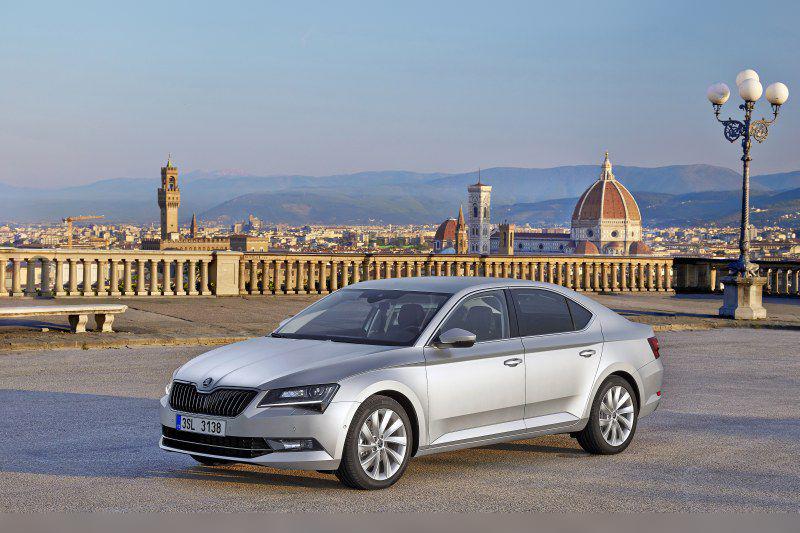
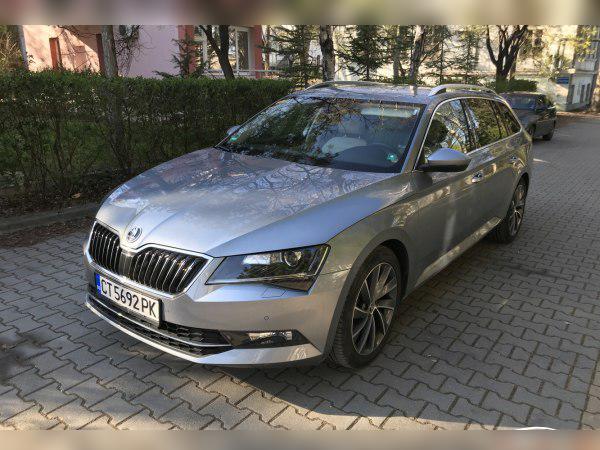
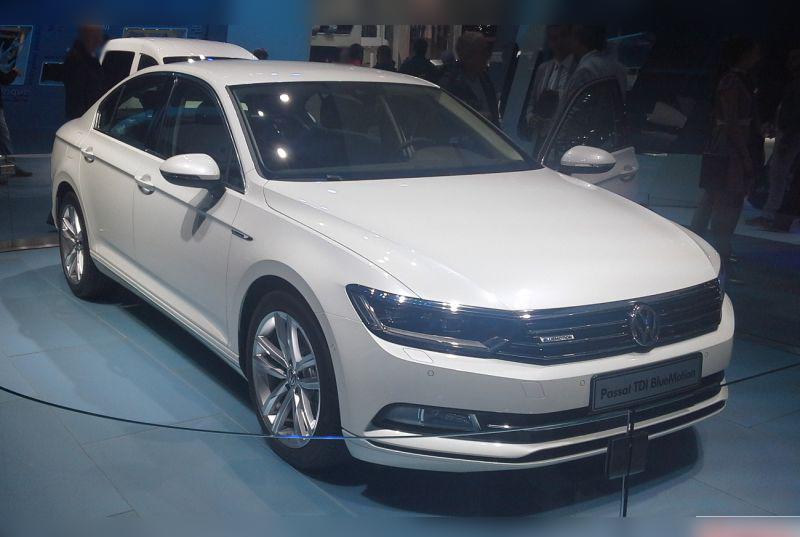
1.8 TSI (EA888 Gen 3 / CJSC) experiences, problems, fuel consumption and used-car buying tips
Key points in short (TL;DR)
- Significantly better than its predecessor: This is the third generation (Gen 3) of the EA888 engine family, which has solved most of the catastrophic oil consumption issues that plagued the older 1.8 TSI engines (CDAA/CDAB).
- Water pump and thermostat: The biggest weak point. The housing is plastic and often cracks or leaks, and the repair is not cheap.
- Timing chain: It still uses a chain, but the system has been significantly improved. However, at higher mileage (200,000+ km) you should check for “stretching”.
- Dual torque rating: Be careful! Versions with a manual gearbox have 320 Nm, while versions with the DSG automatic are often factory-limited to 250 Nm to protect the gearbox.
- Dual-mass flywheel: Present on both manual and automatic versions, and considered a wear item.
- Recommendation: An excellent all-rounder for those who want petrol refinement with diesel-like torque, but are not ready for the fuel consumption of the 2.0 TSI.
Contents
Introduction: The golden middle of the VW Group
The 1.8 TSI engine with the code CJSC belongs to the third generation of the EA888 engine family. It was primarily installed in vehicles on the MQB platform, such as the Škoda Superb III and VW Passat B8. This engine was designed to fill the large gap between the economical 1.4 TSI (150 hp) and the more performance-oriented 2.0 TSI (220+ hp).
Unlike the notorious second generation (used in the Passat B7 and Superb II), this engine was re-engineered to eliminate excessive oil consumption caused by poor piston rings. It offers refined operation, quick warm-up and excellent in-gear acceleration, making it ideal for D-segment saloons.
Technical specifications
| Characteristic | Data |
|---|---|
| Displacement | 1798 cc |
| Power | 132 kW (180 hp) |
| Torque | 320 Nm (manual) / 250 Nm (DSG – often limited) |
| Engine code | CJSC (EA888 Gen 3) |
| Injection type | Combined: Direct (FSI) + Port (MPI) |
| Forced induction | Turbocharger (IHI IS12 or IS20 variants), intercooler |
| Camshaft drive | Chain |
Reliability and maintenance
When talking about maintaining the 1.8 TSI, it’s important to dispel the myths from the past. This is not the same engine that used to burn a litre of oil every 1,000 km, but it does have its own quirks.
Does this engine have a timing belt or a chain?
The engine uses a timing chain. In this generation (Gen 3), the issue of chain stretching and skipping (which destroyed many Gen 2 engines) has largely been solved by using higher-quality tensioners and chain. However, the chain is not eternal. It is recommended to check the condition of the chain via diagnostics or visually (through the inspection opening) at around 150,000 – 180,000 km. If you hear rattling on cold start that lasts longer than 2–3 seconds, it’s time for replacement.
What are the most common failures on this engine?
The biggest enemy of 1.8 TSI CJSC owners is the thermostat and water pump module. This housing is made of plastic, which deforms over time due to heating and cooling cycles. Symptoms include loss of coolant without a visible puddle under the car (the coolant evaporates on the block) or engine overheating. Replacement is quite expensive because the part is complex and hard to access (Very expensive at the dealer, moderately expensive at independent garages – depends on the market).
There are also failures of the camshaft solenoid valves (variable valve timing actuators), which manifest as rough idle.
Minor and major service
Minor service: I recommend an interval of 10,000 km to 15,000 km (definitely not 30,000 km LongLife if you want the engine to last). The engine takes about 5.2 to 5.7 litres of oil (depending on whether the filter is changed and how well it is drained). The recommended grade is 5W-30 or 0W-30 that meets the VW 504.00 / 507.00 specification.
Major service: Since the engine has a chain, there is no classic “major service” at a fixed interval as with a belt. However, the auxiliary drive belt (serpentine belt), tensioners and idlers for the auxiliary units should be replaced at around 120,000 km or every 5–6 years.
Does it consume oil and when are spark plugs replaced?
Oil consumption is drastically reduced compared to older versions. Still, it is normal for the engine to “drink” about 0.5 to 1 litre of oil per 10,000 km, especially if driven aggressively on the motorway. Anything above that requires checking the PCV valve (oil separator) or the turbocharger.
Spark plugs: Mandatory replacement every 60,000 km. Use only NGK or Bosch plugs specified in the catalogue (Iridium/Platinum), because turbo petrol engines with direct injection do not tolerate poor-quality plugs – this can lead to coil damage.
Specific parts (costs)
Dual-mass flywheel: Yes, this engine has a dual-mass flywheel, regardless of whether it is paired with a manual or automatic gearbox. On petrol engines it usually lasts longer than on diesels due to lower vibrations, often well over 200,000 km, but when it fails, replacement is expensive (depends on the market).
Fuel injection system: The EA888 Gen 3 uses a dual injection system (in most European models). It has 4 injectors for direct injection (FSI) and 4 injectors for port injection into the intake manifold (MPI). This is a clever solution because the MPI injectors wash the intake valves and prevent carbon buildup, which was a major issue with pure direct injection. The injectors are generally reliable.
Turbocharger: It uses a single turbocharger (usually an IHI IS20). The turbo is water- and oil-cooled. Service life is long if you respect proper warm-up and cool-down procedures. Failures are usually related to the wastegate actuator (the electronic component that regulates boost pressure), which is resolved by repairing or replacing the actuator, not the entire turbo.
Emissions systems (DPF/EGR/AdBlue):
- DPF: None. (Except if the vehicle was produced after 2018/2019, when GPF – gasoline particulate filter – started to be fitted, but CJSC is mostly from before that era).
- EGR: No conventional, soot-clogging EGR valve. Recirculation is done internally via variable valve timing.
- AdBlue: None. This is a petrol engine.
Fuel consumption and performance
This is where you need to be realistic. A 1.8 TSI with 180 hp in a Superb or Passat body cannot consume fuel like a diesel.
City driving: Expect 9 to 11 litres per 100 km. In heavy stop-and-go traffic, this can easily rise to 12 litres. The start-stop system helps a bit, but physics is unforgiving.
Country roads and motorway: This is where the engine shines. On country roads it is possible to get consumption down to 6 – 6.5 l/100 km. On the motorway, at 130 km/h, consumption is around 7 – 7.5 l/100 km. The engine is extremely quiet and at 130 km/h it runs at relatively low revs (around 2400–2600 rpm in top gear), which allows for comfortable cruising.
Is the engine “lazy”? Absolutely not. With 180 hp and a wide torque band, the engine pulls linearly. 0–100 km/h is usually around 8 seconds, which is quicker than most 2.0 TDI models (150 hp). The driving feel is “lighter” than in a diesel because of the lower engine weight over the front axle.
Additional options and modifications
LPG conversion: Is it possible? Yes. Is it worth it? Probably not. Due to direct injection, a special (and expensive) system is required that either uses liquid-phase LPG through the petrol injectors or runs a petrol/LPG mix (e.g. 20% petrol, 80% LPG) to cool the injectors. The installation cost is very high (depends on the market), and the payback period is long. If you don’t drive more than 30,000+ km per year, I don’t recommend it.
Chiptuning (Stage 1): This engine responds very well to tuning. A safe Stage 1 can raise power to 220 – 240 hp and torque to over 350–380 Nm.
WARNING: If you have a DSG gearbox (DQ200), tuning is risky because the gearbox is already at the limit of its design capacity. With the manual gearbox, the clutch may wear out faster.
Gearbox: Achilles’ heel or perfect match?
This is where we come to the key configuration difference:
1. Manual gearbox (6-speed): A reliable gearbox is used (often the MQ350). In this variant the engine delivers the full 320 Nm of torque. The clutch is robust, but the dual-mass flywheel is still a wear item. Failures are rare and mostly related to natural clutch wear. Replacing the clutch kit with the flywheel is a moderately expensive job.
2. Automatic gearbox (7-speed DSG – DQ200):
With the 1.8 TSI (180 hp) in the Superb III and Passat B8 with front-wheel drive, you most often get the infamous DQ200 gearbox with “dry” clutches.
The issue: This gearbox is rated for a maximum of 250 Nm. That’s why the engine is software-limited to 250 Nm in the automatic version.
Failures: Clutch pack wear in city driving and mechatronics failures (the hydraulic control unit). Symptoms include juddering when moving off, harsh shifts from 1st to 2nd gear, or loss of gears.
Maintenance: Although VW claims the oil is “lifetime”, experts recommend changing the oil in the gearbox (both in the mechatronics and in the gear set – two separate oils) every 60,000 km to extend its life.
Buying used and conclusion
Buying a Passat B8 or Superb III with the 1.8 TSI engine is often a smart choice because these models are significantly cheaper than comparable diesels with similar equipment and mileage.
What to check before buying:
- Coolant leaks: Look under the intake manifold for white/pink crystalline traces (thermostat housing).
- Cold start: Listen to the engine when it is completely cold. Any chain rattle?
- Gearbox behaviour (DSG): Warm up the car, drive slowly uphill, with stop-and-go. There should be no shuddering or metallic noises.
- Service history: Check whether the oil has been changed regularly (max every 15,000 km) and whether the spark plugs have been replaced.
Conclusion: If you drive up to 20,000 km per year, mostly mixed or on open roads, the 1.8 TSI is a better choice than the 2.0 TDI. It is quieter, smoother, warms up faster in winter and is cheaper to maintain (no DPF, injectors are cheaper). Just be cautious with the DQ200 DSG gearbox – if possible, choose the manual, or be prepared for a potential clutch/mechatronics overhaul on the automatic.
Was this content useful to you?
Your opinion helps us to improve the quality of the content.