S58B30T0 Engine
- Engine
- 2993 cm3
- Aspiration
- Twin-power turbo, Intercooler
- Fuel
- Petrol (Gasoline)
- Fuel injection system
- Direct injection
- Power
- 530 hp @ 6250 rpm
- Torque
- 650 Nm
- Cylinders
- 6
- Valves
- 24, 4 per cylinder
- Cylinders position
- Inline
- Valvetrain
- Double-VANOS, VALVETRONIC
- Oil capacity
- 7 l
- Systems
- Start & Stop System, Particulate filter
# Vehicles powered by this engine

Key points in short (TL;DR)
- Performance without compromise: The S58 is one of the most technologically advanced inline-six engines today, with huge tuning potential.
- Predecessor’s issues resolved: The notorious “crank hub” problem (crank pulley spinning) from the S55 engine has been structurally resolved here (even though it’s not 100% immune under extreme tuning, it is safe in stock form).
- Maintenance is expensive: Although the engine is reliable, regular services, brakes, tires and specific M oils are costly (depends on the market).
- No manual gearbox for this version: The 530 hp variant comes exclusively with an 8-speed automatic and xDrive all-wheel drive.
- Fuel consumption: It can be surprisingly low on the highway (below 10L), but in the city and on track it “devours” fuel.
- Recommendation: An absolute recommendation for enthusiasts, provided that the maintenance history (especially the 2,000 km break-in service) is impeccable.
Contents
BMW S58B30T0 (530 hp) – Experiences, issues, fuel consumption and buying used
BMW’s S58B30T0 is an engine that needs no special introduction for M division fans. It is the direct successor to the S55 engine, but is actually based on the modular B58 architecture, which has been thoroughly reworked for high-performance use. The version we’re talking about today is the pinnacle of engineering for 2024 (LCI - Life Cycle Impulse), where power has been raised to 530 hp.
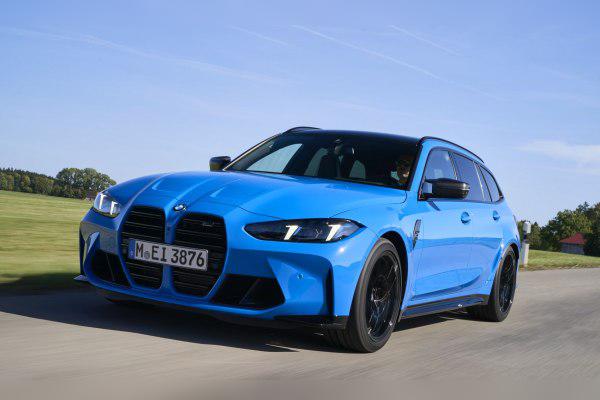
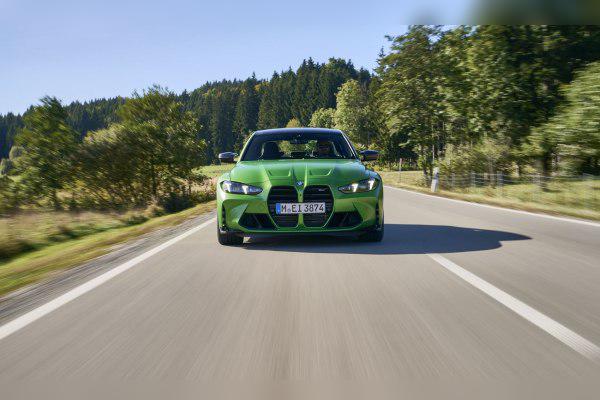
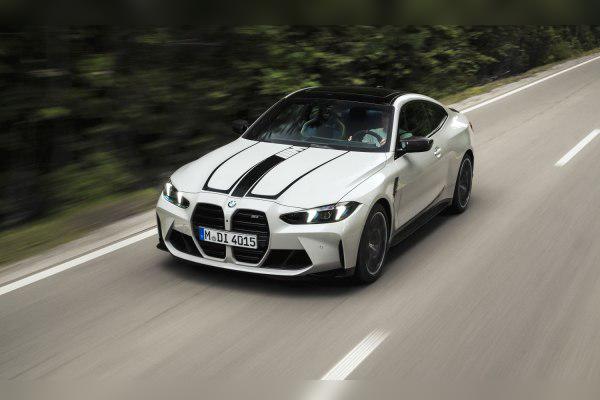
This powerplant is installed in the facelifted versions of the M3 and M4 Competition with xDrive all-wheel drive. Unlike standard engines, the S58 uses a closed-deck engine block, a forged crankshaft, forged pistons and a cylinder head whose core is made using 3D printing for better thermal efficiency. This is not just a “chipped” engine from the 340i series, this is a true race engine adapted for the street.
Technical Specifications
| Parameter | Data |
|---|---|
| Engine code | S58B30T0 |
| Displacement | 2993 cc (3.0L) |
| Configuration | Inline six-cylinder (R6) |
| Power | 390 kW (530 hp) @ 6250 rpm |
| Torque | 650 Nm @ 2750–5730 rpm |
| Injection type | Direct injection (High Precision Injection - 350 bar) |
| Induction | Bi-turbo (two mono-scroll turbochargers) |
| Camshaft drive | Chain |
Reliability and Maintenance
Timing system (chain)
The S58 engine uses a chain to drive the camshafts. Unlike some older BMW engines (such as the N47), the chain on the S58 (and the base B58) has proven to be very durable. It is located at the rear of the engine (towards the gearbox), which makes any replacement complicated and expensive (requires engine removal), but the good news is that chain failures are not common before high mileage (over 200,000 km), provided that the oil is changed regularly.
Most common failures and symptoms
Although the engine is mechanically robust (“bulletproof”), there are things to watch out for:
- Coolant leaks: Due to the extremely open air intakes on M3/M4 models, the radiators are exposed to stone chips. Radiator damage is a common cause of coolant loss. The symptom is a warning on the dashboard or a puddle under the car. It is recommended to install protective mesh grilles (if they are not already installed).
- Fuel pressure sensors: They can sometimes provide incorrect data, which leads to the engine going into “safe mode”.
- VANOS solenoids: Although less frequently than before, the variable valve timing system can become sensitive to oil deposits if service intervals are extended.
Service intervals and oil
A “major service” in the classic sense (belt replacement) does not exist as a fixed point because of the chain, but at around 100,000 km a detailed inspection of the accessory drive (serpentine belt that drives the alternator/AC) and the water pump is recommended.
Minor service: BMW recommends a variable interval (often up to 30,000 km), but as an experienced editor I advise: change the oil at a maximum of 10,000 to 12,000 km or once a year. These engines operate under high thermal loads.
Oil quantity and type: The engine takes approximately 7.0 liters (the amount may vary slightly, always check via dipstick/on-board computer). The recommended grade is usually 0W-30 or 5W-30 with BMW Longlife-01 FE or Longlife-04 specification (for models with OPF filter in Europe). Do not experiment with cheap oils.
Oil consumption
S58 engines are much “tighter” than the old S65 or S85 engines. Oil consumption between services should be minimal (up to 0.5 liters per 10,000 km is acceptable). If it consumes a liter per 2,000 km, this indicates a problem with the turbochargers or piston rings (often due to poor break-in of a new engine).
Spark plugs and injectors
Spark plugs on this engine are replaced more often than on standard models. The recommendation is replacement every 30,000 to 40,000 km, or at every second minor service (“every second oil change” rule on M models). Symptoms of bad spark plugs are rough idle and hesitation under full throttle.
Specific Parts (Costs)
Fuel injection system
The engine uses piezo-electric injectors that operate at pressures up to 350 bar. They are generally reliable, but extremely sensitive to poor fuel quality. Injector replacement is expensive (depends on the market, but expect a high price per unit). Symptoms of problems are hard starting and a strong smell of raw fuel from the exhaust.
Turbochargers
The engine has two mono-scroll turbochargers. They are integrated with the exhaust manifold for faster response. Their service life is generally long (over 150,000 km with good maintenance), but they are very expensive to replace. The key to longevity is regular oil changes and letting the engine cool for a minute or two before shutting it off after spirited driving.
GPF/OPF and EGR
This model (for the European market) is equipped with an OPF (Otto Particulate Filter), which is the petrol equivalent of a DPF. It does not have an EGR valve in the classic diesel sense that clogs with soot and sticks. The OPF rarely clogs because exhaust gas temperatures on petrol engines are higher, which passively cleans the filter. However, the OPF muffles the sound, which many owners “solve” by (illegally) removing it.
AdBlue: This is a petrol engine, so it does not have an AdBlue system.
Dual-mass flywheel
Since this 530 hp version comes exclusively with an automatic gearbox (ZF 8HP), it does not have a classic dual-mass flywheel like manuals that tend to fail. Instead, it uses a torque converter and a flex plate. This is a much more durable solution and failures are extremely rare.
Fuel Consumption and Performance
Real-world consumption
Do not fully trust the factory figures. This is a 530-hp beast.
- City driving: Expect between 13 and 16 l/100km. In stop-and-go traffic and with more aggressive driving, this easily goes up to 20 liters.
- Highway driving: This is where the S58 shines. With normal driving it can consume around 9 to 11 l/100km.
- Cruising at 130 km/h: Thanks to the 8th gear, the engine spins at a low ~2,000 - 2,100 rpm, which contributes to acoustic comfort and lower fuel consumption.
Driving feel
Is the engine “lazy”? Absolutely not. Although the M3/M4 are not light cars (around 1800 kg), 650 Nm is available from just 2750 rpm. The twin-turbo setup almost completely eliminates turbo lag. Throttle response is instant, and the xDrive system catapults the car forward without wheelspin.
Additional Options and Modifications
LPG conversion
Is it possible? Theoretically yes, there are systems for direct injection. Is it recommended? Absolutely NOT. Installing LPG on a high-performance M engine is a technical risk, destroys the car’s value and complicates the operation of the sophisticated electronics. This is not an engine for saving on fuel.
Chiptuning (Stage 1)
The S58 is the “king of tuning”. The internal components are over-engineered. A safe Stage 1 (software only) can raise power to 600 - 620 hp and torque to over 750 Nm without any mechanical changes. However, you should know that the ECU (engine computer) on models after 2020 is locked by Bosch and needs to be sent abroad (Femto unlock) for unlocking before remapping, which is very expensive and complicated.
Gearbox
Type of gearbox
The 530 hp engine (Competition xDrive LCI) is paired with exclusively an 8-speed M Steptronic gearbox with Drivelogic function. This is actually a reinforced version of the famous ZF 8HP gearbox (torque converter). A manual gearbox is not available in this power variant (it is reserved for base rear-wheel-drive models with less power).
Gearbox reliability and failures
The ZF 8HP is considered the best automatic gearbox on the market. Failures are rare. The most common issue can be an oil leak from the gearbox pan (which is plastic and integrated with the filter) after 100,000 km. Symptoms are jerks when changing gears or a delay in engaging a gear (R or D).
Gearbox service
Although BMW often states that the gearbox oil is “lifetime”, the gearbox manufacturer (ZF) recommends changing the oil and filter (pan) every 60,000 to 80,000 km or 8 years. For aggressive track driving, this interval should be halved. There is no clutch replacement here as in a manual; only the oil is serviced.
Buying Used and Conclusion
When buying an M3 or M4 with this engine, the key factor is not mileage, but how it was driven and maintained.
What to check?
- Break-in service: Check in the service history whether the mandatory 2,000 km break-in service (engine and differential oil change) was performed. If not, avoid that car.
- Launch Control: Diagnostics can show how many times Launch Control has been used. A high number of launches (e.g. over 50–100) means the drivetrain has been subjected to huge stress.
- Modifications: If the car has been chipped (remapped), the warranty is likely void, and the engine may have been subjected to higher loads.
- Engine sound: Listen to a cold start. Any chain rattling or metallic noises are not normal.
Final conclusion
The BMW S58B30T0 in the 530 hp version is a masterpiece of modern engineering. It offers brutal performance while still being civilized enough for everyday driving. It is more reliable than its predecessor, the S55. If you have the budget for proper maintenance (which is expensive) and fuel, this is one of the best engines you can buy today. It is intended for drivers who want supercar performance in the body of a usable family car.
Was this content useful to you?
Your opinion helps us to improve the quality of the content.