DDXC Engine
- Engine
- 2967 cm3
- Aspiration
- Turbocharger, Intercooler
- Fuel
- Diesel
- Fuel injection system
- Diesel Commonrail
- Power
- 224 hp
- Torque
- 550 Nm
- Cylinders
- 6
- Valves
- 24, 4 per cylinder
- Cylinders position
- V-engine
- Oil capacity
- 8 l
- Systems
- Particulate filter
# Vehicles powered by this engine
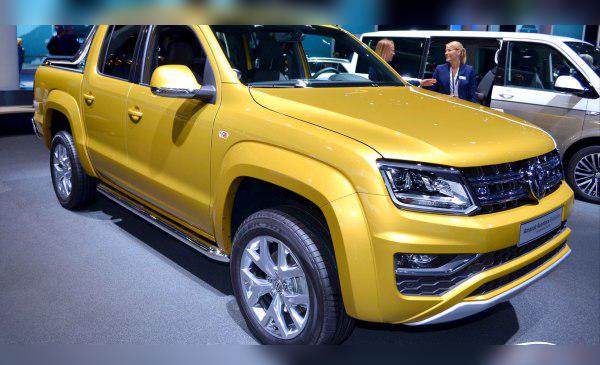
VW Amarok 3.0 V6 TDI (DDXC) – Experiences, problems, fuel consumption and maintenance
Key points in short (TL;DR)
- Powerful and robust: The 3.0 V6 TDI transformed the Amarok from a "regular" pickup into a serious machine for towing and overtaking.
- A gearbox to wish for: It comes paired with the ZF 8-speed automatic, which is one of the best transmissions on the market.
- Chain, not belt: The timing is driven by a chain located at the rear of the engine. Replacement is very expensive (requires engine removal).
- AdBlue system: The Achilles' heel of newer Euro 6 diesels. AdBlue pumps and heaters are known to fail.
- Large oil capacity: A minor service is not cheap because the engine takes about 8 liters of oil.
- Fuel consumption: It’s not a low-consumption engine, especially in the city, but it offers great performance in return.
- Recommendation: An excellent choice for those who need power and comfort and are ready for more expensive maintenance than with an average 2.0 TDI engine.
Contents
Introduction: The savior of the Amarok
When Volkswagen decided to put the 3.0 V6 TDI engine into the facelifted Amarok (from 2016 onwards), it was the move pickup enthusiasts had been waiting for for years. The previous 2.0 BiTDI engines, although decent on paper, often struggled with the vehicle’s weight and had serious reliability issues. The arrival of the V6 unit, specifically the DDXC version with 224 hp, brought refinement, massive torque and a confidence-inspiring sound. This engine is not just a "workhorse"; it turns the Amarok into a luxury SUV with a cargo bed. Still, like every modern high-tech diesel, it requires specific maintenance and care.
Technical Specifications
| Feature | Data |
|---|---|
| Engine code | DDXC (EA897 evo series) |
| Displacement | 2967 cc (3.0 L) |
| Configuration | V6 (cylinders at a 90-degree angle) |
| Power | 165 kW (224 hp) + Overboost function |
| Torque | 550 Nm at 1400–2750 rpm |
| Injection type | Common Rail (Piezo injectors) |
| Charging | Variable-geometry turbocharger (VGT) + intercooler |
| Emission standard | Euro 6 (with AdBlue system) |
Reliability and Maintenance
Chain or belt?
The DDXC engine uses a timing chain (a multi-chain system). What you need to know as an owner or future buyer is that the timing mechanism is located at the rear of the engine (next to the gearbox). Although the chain is factory-rated as "lifetime" (which in practice means around 250,000 - 300,000 km), if chain stretch or tensioner issues occur (you hear rattling on cold start), the repair is very expensive. The reason? The engine has to be removed to access the chains. (Labor cost is high – depends on the market).
Most common failures
Although this is a robust engine, there are some typical issues:
- Oil leaks: Oil often leaks into the "V" of the engine (between the cylinder heads), usually due to seals on the oil cooler or the oil filter housing. Symptoms include a burning smell or oily spots under the vehicle.
- AdBlue system: Heaters in the AdBlue tank, pumps or urea dosing injectors are a common weak point of all Euro 6 V6 TDI engines. Repairs are not cheap.
- EGR valve and EGR cooler: Soot build-up from city driving can cause the "Check Engine" light to come on and lead to loss of power.
Major service and oil
Since the engine uses a chain, a classic "major service" (timing belt replacement) is not done at a fixed mileage. However, the serpentine belt, tensioners and water pump should be checked and replaced regularly, ideally at around 120,000 km or earlier if there are signs of wear.
Oil is crucial: This engine takes a huge amount of oil – approximately 8.0 liters. You must use 5W-30 oil with the VW 507.00 specification. Do not experiment with cheap oils.
As for oil consumption: V6 TDI engines can consume a bit of oil, especially when driven under load (towing, highway). Consumption of up to 0.5 liters per 2,000 - 3,000 km can be considered acceptable for an engine that is being worked hard, but a sudden increase in consumption requires checking the turbocharger or piston rings.
Injector longevity
The Bosch Piezo injectors in this engine have proven to be very durable. With good-quality fuel, they easily exceed 200,000 - 250,000 km. The first symptoms of failure are rough idle (fluctuating revs), increased fuel consumption and smoke under hard acceleration. Refurbishment is possible, but replacing them with new injectors is expensive (very expensive – depends on the market).
Specific Parts (Costs)
Dual-mass flywheel and gearbox
The 224 hp version in the Amarok almost exclusively comes with an automatic gearbox. This model does not have a classic dual-mass flywheel like manual gearboxes, which often fail. Instead, it uses a torque converter. This is great news for owners because it eliminates one of the most expensive failures on modern diesels.
Turbo and emissions (DPF, EGR, AdBlue)
The engine has one large variable-geometry turbocharger (VGT). Its lifespan is long, often over 250,000 km, provided the engine is not switched off immediately after hard driving (it should be cooled down by idling) and the oil is changed regularly.
The DPF filter is standard. If the vehicle is used for what it was designed for (open road, towing, work), the DPF will not cause problems. If the Amarok is used as a city poser car for short trips, the DPF will clog quickly. Passive regeneration is hard to achieve in city driving. AdBlue is mandatory and the system is sensitive to fluid quality and low temperatures (which is why it has heaters that are known to fail).
Fuel Consumption and Performance
Real-world consumption
Let’s be realistic – this is a vehicle weighing over 2 tons, with the aerodynamics of a brick and a 3.0 engine.
- City driving: Expect between 11 and 14 l/100 km, depending on traffic and how heavy your right foot is.
- Open road: This is where it shines. At 80–90 km/h, consumption can drop to around 7.5 - 8.5 l/100 km.
- Motorway (130 km/h): Fuel consumption is around 9.5 - 10.5 l/100 km.
Is the engine "lazy"?
Absolutely not. With 550 Nm of torque and 224 hp (which briefly rise to 245 hp thanks to the Overboost function), this engine pulls the Amarok as if it were a feather. In-gear acceleration is fantastic, and overtaking on country roads takes just a few seconds. The sense of power is dominant in every driving mode.
On the motorway, at 130 km/h, the engine cruises at a very low ~1,900 - 2,000 rpm in 8th gear. This makes driving extremely quiet and relaxed.
Additional Options and Modifications
Remapping (Stage 1)
This engine is extremely "tune-friendly" when it comes to software upgrades (chip tuning). The factory has left plenty of headroom. A safe Stage 1 remap can raise power to 260 - 270 hp and torque to over 600 Nm. The engine and gearbox can handle this without major issues, provided the engine is mechanically sound before the tune. This is often done to improve throttle response and slightly reduce fuel consumption while cruising.
Gearbox: ZF 8HP
The 224 hp Amarok comes standard with a ZF 8-speed automatic gearbox. This is, without exaggeration, one of the best automatic transmissions in the world. It shifts gears seamlessly, is quick when needed, and intelligently selects the right gear.
Gearbox maintenance
Although VW often states that the gearbox oil is "lifetime", the gearbox manufacturer (ZF) strictly recommends changing the oil and filter (the gearbox pan is also the filter) every 80,000 to 100,000 km. If you follow this, the gearbox will last as long as the engine.
Gearbox failures
Failures are rare. If you notice harsh shifts (especially from 2nd to 1st or from 1st to 2nd), this is usually a sign of old oil or the need for software adaptation. Mechanical failures are rare, unless the vehicle is severely abused off-road without adequate cooling.
Buying used and Conclusion
Before buying an Amarok with this engine, make sure to check:
- Cold start: Listen to the engine when it is completely cold. Chain rattling lasting longer than 1–2 seconds after startup is a red flag and a potential expense of over 1000–1500 EUR (depending on the market).
- Oil traces: Remove the plastic engine cover and use a flashlight to illuminate the area between the cylinder heads (deep down). If you see a "pool" of oil, you are looking at an oil cooler reseal job.
- Diagnostics: Check the DPF status (ash load) and injector corrections. Also check for any faults related to the AdBlue system.
Conclusion: The VW Amarok 3.0 V6 TDI (224 hp) is a powerful machine. This is an engine for people who want performance, towing capacity and comfort, not for those who count every deciliter of fuel or the price of a minor service. Maintenance is more expensive than on 2.0 TDI engines, but reliability and driving enjoyment are on a much higher level. If you find a well-maintained example and continue to change the oil in the engine and gearbox on time, this is a pickup that will serve you for hundreds of thousands of kilometers.
Was this content useful to you?
Your opinion helps us to improve the quality of the content.