DDXA Engine
- Engine
- 2967 cm3
- Aspiration
- Turbocharger, Intercooler
- Fuel
- Diesel
- Fuel injection system
- Diesel Commonrail
- Power
- 163 hp
- Torque
- 450 Nm
- Cylinders
- 6
- Valves
- 24, 4 per cylinder
- Cylinders position
- V-engine
- Oil capacity
- 8 l
- Systems
- Particulate filter
# Vehicles powered by this engine
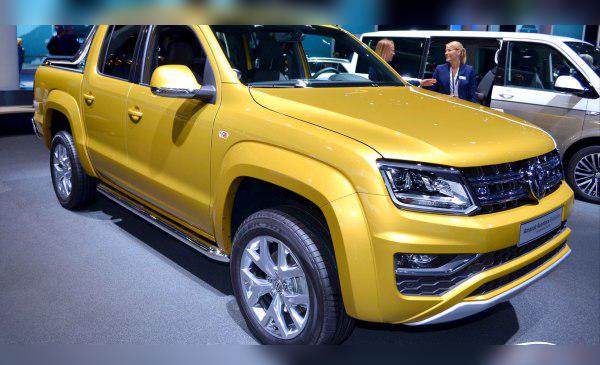
VW Amarok 3.0 V6 TDI (DDXA 163 hp): Experiences, problems, fuel consumption and used-buying guide
Key points (TL;DR)
- Robust base: This is a “detuned” version of the 3.0 V6 engine, which means it is mechanically under-stressed and very durable with proper maintenance.
- Timing chain: The engine uses a chain located at the rear of the engine (next to the gearbox). Replacement is complicated and expensive (requires removing the engine or gearbox).
- Large oil sump: It holds a large amount of oil (around 8 liters), which makes small services more expensive, but protects the engine better.
- AdBlue system: As with most modern diesels, AdBlue system heaters and pumps are a common failure point.
- Gearbox: This 163 hp version is most often paired with a manual gearbox, so pay attention to the condition of the clutch and dual-mass flywheel.
- Potential: Since it is software-limited, the engine has huge potential for unlocking power (Stage 1).
- Purpose: Ideal for towing and as a workhorse, less so for high-speed highway driving due to aerodynamics and weight.
Contents
Introduction: Back to a proper working displacement
When Volkswagen introduced the facelift of the first-generation Amarok in 2016, they made a move that thrilled pickup enthusiasts – they dropped the problematic 2.0 BiTDI (which struggled with vehicle weight and oil consumption) and installed a proper, massive 3.0 V6 TDI. The engine code DDXA denotes the entry-level, “base” version of this engine with 163 hp (120 kW). Although it looks weak on paper for a three-liter engine, this is actually great news for used buyers. The engine is mechanically almost identical to the more powerful versions (204 or 224 hp), which means it operates under much less stress than it was designed to withstand. It was primarily fitted to work-oriented Amarok versions, often with a manual gearbox and selectable four-wheel drive.
Technical specifications
| Specification | Value |
|---|---|
| Engine displacement | 2967 cc (3.0 L) |
| Configuration | V6 |
| Power | 120 kW / 163 hp |
| Torque | 450 Nm at 1400–2750 rpm |
| Engine code | DDXA (EA897 evo family) |
| Injection type | Common Rail (Piezo/Solenoid) |
| Forced induction | Turbocharger (VGT) + Intercooler |
| Camshaft drive | Chain |
Reliability and Maintenance
Timing belt or chain?
The DDXA engine uses a timing chain (actually a chain system). This is crucial information for owners: the timing assembly is located at the rear of the engine (between the engine and gearbox). Although the chain is designed to last the “lifetime” of the engine, in practice that usually means 200,000–300,000 km. When the time for replacement comes (symptom: rattling on cold start that does not disappear after 3 seconds), it is a very expensive job because it requires removing the engine or gearbox. (Costs vary by market, but expect a serious labor bill).
Most common failures
Although robust, the V6 TDI has its weak spots:
1. Oil and coolant leaks into the “V” valley: Between the two cylinder banks are the oil cooler and EGR components. The seals here deteriorate from heat, so fluids accumulate in the engine valley.
2. Chain tensioners: They can fail earlier than the chain itself, causing a characteristic metallic noise on startup.
3. AdBlue system: The heater in the AdBlue tank or the pump often fails, which can even prevent the vehicle from starting.
4. Water pump: It often starts leaking before the expected interval.
Service intervals and oil
A major service (replacement of auxiliary/serpentine belt, tensioners, water pump and inspection of the chain) is recommended at around 180,000 to 210,000 km, or every 5–7 years, whichever comes first. However, due to the harsh operating conditions (the Amarok is a commercial vehicle), many owners do this earlier.
This engine holds a large amount of oil – around 8.0 liters. Only 5W-30 oil with VW 507.00 specification is recommended (Low SAPS due to the DPF). Although VW specifies “LongLife” intervals of up to 30,000 km, for the longevity of the chain and turbo it is strongly recommended to change the oil every 10,000 to 15,000 km.
Oil consumption
Diesel V6 engines can consume a certain amount of oil, especially if driven under full load or at high highway speeds. Consumption of up to 0.5 liters per 5,000 km is considered acceptable. If you have to top up a liter every 1,000–2,000 km, this indicates a problem with the turbocharger or piston rings/cylinders.
Injector lifespan
The injectors are of the Common Rail type and are generally durable. With good-quality fuel, they can last over 250,000 km without issues. Symptoms of bad injectors include smoke on cold start, rough idle, or increased fuel consumption. Refurbishment is possible, but the price of new injectors is high (varies by market, but falls into the “expensive” category).
Specific Components (Costs)
Dual-mass flywheel
Yes, this engine uses a dual-mass flywheel (DMF). This is especially important because the 163 hp version is most often delivered with a manual gearbox. Given the high torque (450 Nm) and the vehicle’s intended use (towing trailers, carrying loads), the flywheel is subjected to heavy stress. Symptoms of failure include knocking when switching off the engine and vibrations in the clutch pedal.
Turbocharger
The DDXA uses a single turbocharger with variable geometry (VGT). This is a simpler solution than the bi-turbo setups in more powerful models. Service life is long, often over 250,000 km, provided the engine is not switched off immediately after hard driving (it should be left to idle for a minute or two to cool down).
Emissions systems (DPF, EGR, AdBlue)
This model meets Euro 6 standards, which means it has all systems: DPF filter, EGR valve and AdBlue (SCR) catalyst.
DPF: If mostly driven on open roads, it rarely causes problems. City driving clogs it quickly.
EGR: The EGR cooler is prone to leaking or clogging with soot.
AdBlue: This is a weak point. The system is sensitive to urea crystallization if the vehicle sits for long periods or is rarely driven. Proper maintenance includes regularly topping up quality AdBlue and occasionally using additives that prevent crystallization. Repairs are expensive (often require replacing the entire module with the pump).
Fuel Consumption and Performance
Real-world fuel consumption
The Amarok is heavy (over 2 tons) and has the aerodynamics of a brick.
City driving: Expect between 10 and 13 l/100 km, depending on traffic and how heavy your right foot is.
Open road (rural/highway routes): It can go down to around 7.5–8.5 l/100 km.
Motorway (130 km/h): Consumption rises to around 10–11 l/100 km due to air resistance.
Is the engine “lazy”?
With 163 hp in a vehicle of this weight, you cannot expect sporty performance. 0–100 km/h takes about 13–14 seconds. However, the engine is not lazy in real-world use thanks to the high torque of 450 Nm. The feeling when pulling a load or climbing hills is convincing. The lack of power is noticeable only during overtaking at higher speeds (above 110 km/h).
Highway behavior
At 130 km/h the engine runs relaxed, usually below 2,500 rpm (in 6th gear with the manual gearbox). Sound insulation in the V6 models is better than in the old 2.0 TDI, so cruising is comfortable.
Additional Options and Modifications
Chiptuning (Stage 1)
This is probably one of the best candidates for chiptuning in its class. Why? Because the DDXA is hardware-wise almost identical to the 204 hp versions. The limitation lies only in the ECU software.
Safe increase: With a Stage 1 remap, power can be raised to 200–220 hp, and torque to over 500 Nm.
Warning: Before remapping, check the condition of the clutch. The manual gearbox and clutch are weaker links than the engine itself when power is significantly increased.
Gearbox
Types of gearboxes
The DDXA engine (163 hp) primarily comes with a 6-speed manual gearbox. The ZF 8-speed automatic gearbox is usually reserved for the more powerful versions (204 hp and 224 hp), although in some markets it can also be found with the lower-output variants (check by VIN).
Failures and Maintenance
Manual gearbox: Robust, but as mentioned, the dual-mass flywheel and clutch kit are wear items. Replacing the clutch kit together with the flywheel is a major expense (very expensive). Failures of the gearbox itself (gears) are rare.
Drivetrain: On the 163 hp version with a manual gearbox, you often find selectable 4Motion (rear-wheel drive as standard, front axle engaged by a switch) with a low-range transfer case. This is excellent for heavy off-road use, but you MUST NOT drive in 4x4 mode on dry tarmac because there is no center differential, which can lead to drivetrain damage (the “wind-up” effect).
Gearbox service: Oil in the manual gearbox and differentials should be changed every 60,000 to 80,000 km, even though the manufacturer often claims it is “lifetime fill”. This significantly extends the life of the bearings.
Buying Used and Conclusion
What to check before buying?
- Cold start: Listen to the chain. If it rattles for more than a couple of seconds, walk away or negotiate a lower price to cover the cost of chain replacement (very expensive).
- Open the bonnet: Remove the plastic engine cover and use a flashlight to illuminate the “deep” area between the cylinder banks (the V-valley). If you see a pool of oil or coolant, prepare for replacement of the oil cooler gaskets.
- Diagnostics: Check the DPF status (how many grams of ash it contains) and injector corrections.
- Test drive: Turn off the radio. When switching off the engine, listen for any metallic knock (dual-mass flywheel). Test the clutch – it should not be rock hard nor bite right at the very top of the pedal travel.
Final verdict
The 3.0 V6 TDI (DDXA) engine with 163 hp is an excellent choice for those who need a workhorse, a vehicle for towing trailers, or a reliable pickup for harsh conditions. It is less stressed than the more powerful versions, which promises longevity. It is not for those who want a “racing truck” (for that, look for the 258 hp version with the automatic).
If you find an example with a proper service history (oil changed every 15k km) and a healthy clutch, this is one of the best engines in the light commercial vehicle class.
Was this content useful to you?
Your opinion helps us to improve the quality of the content.