DDMA, DFHA Engine
- Engine
- 1968 cm3
- Aspiration
- Turbocharger, Intercooler
- Fuel
- Diesel
- Fuel injection system
- Diesel Commonrail
- Power
- 190 hp
- Torque
- 400 Nm
- Cylinders
- 4
- Valves
- 16, 4 per cylinder
- Cylinders position
- Inline
- Oil capacity
- 4.7 l
- Systems
- Particulate filter
# Vehicles powered by this engine
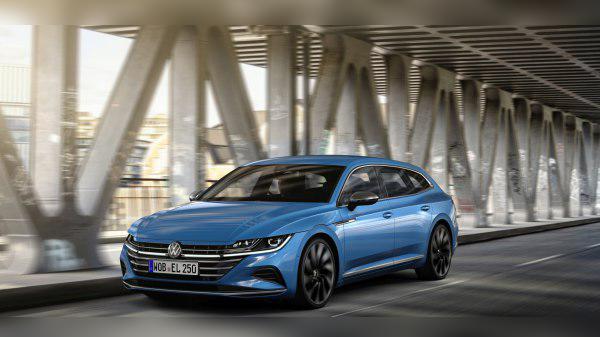
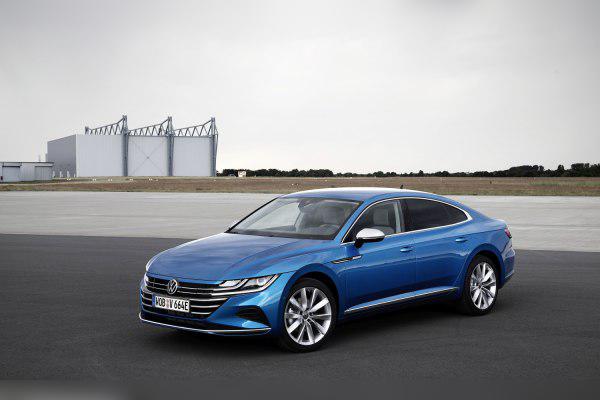
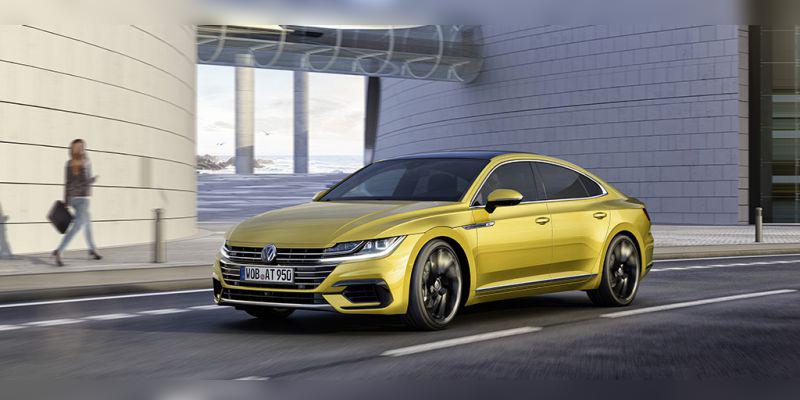
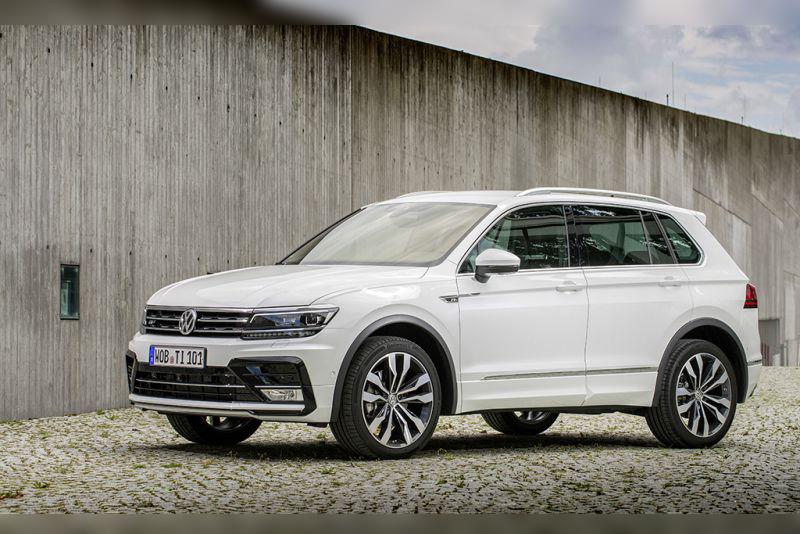
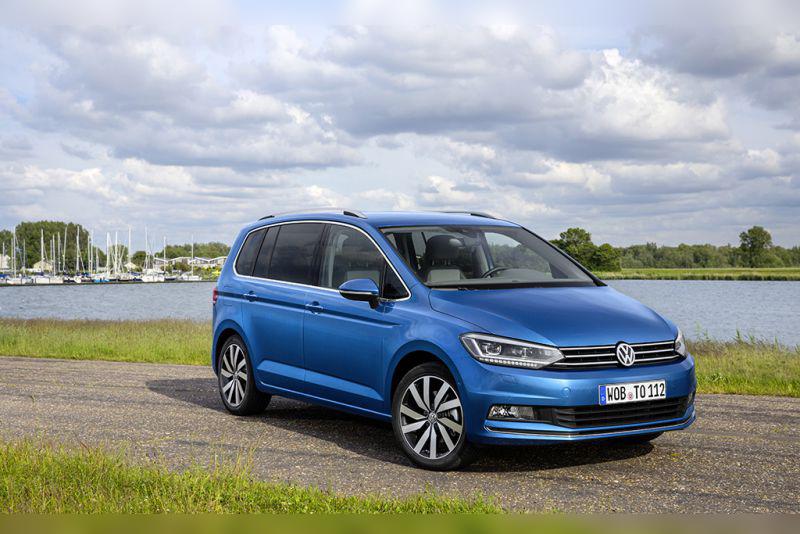
2.0 TDI (190 hp) DDMA / DFHA – Experiences, problems, fuel consumption and used car buying guide
Key points (TL;DR)
- Excellent balance of power and efficiency: With 190 hp and 400 Nm, this engine is not sluggish even in heavier bodies like the Tiguan or Arteon.
- Emission systems are complex: The presence of the AdBlue (SCR) system, DPF and EGR requires regular highway driving to avoid clogging.
- Timing belt: The engine uses a belt, not a chain. The water pump is a known weak point and should be replaced preventively.
- DSG gearbox is standard: In this power variant, the engine is almost always paired with a DSG gearbox that requires regular oil changes.
- Ideal use case: This is an engine for “mile eaters” on the motorway; it is not recommended for strictly city driving on short distances.
Contents
Introduction and application
The 2.0 TDI with 190 hp (engine codes often include DDMA and DFHA in newer generations) represents the “golden middle” in the Volkswagen Group’s lineup. It is positioned above the standard 150 hp versions, offering significantly better in-gear acceleration, yet it is structurally simpler and cheaper to maintain than the powerful 240 hp Bi-Turbo model.
This unit is the core offering for upper mid-range models such as the VW Arteon (including the Shooting Brake), as well as for family haulers like the Tiguan and Touran. Its main characteristic is a massive torque output that allows relaxed driving even when the car is fully loaded with passengers and luggage.
Technical specifications
| Parameter | Data |
|---|---|
| Engine displacement | 1968 cc (2.0 L) |
| Power | 140 kW (190 hp) |
| Torque | 400 Nm at 1900–3300 rpm |
| Engine codes | DDMA, DFHA (EA288 Evo generation) |
| Fuel type | Diesel (Euro 6 standards) |
| Injection system | Common Rail (direct injection) |
| Forced induction | Turbocharger with variable geometry + intercooler |
| Valves | 16V (4 valves per cylinder) |
Reliability and maintenance
Belt or chain?
This engine uses a timing belt to drive the camshafts. This is good news for many owners because the system is quieter and more predictable than a chain. The factory replacement interval is often listed at an optimistic 210,000 km, but real-world practice and mechanics’ experience suggest doing the “major service” earlier. The recommendation is to replace the timing kit between 150,000 km and 160,000 km or every 5 to 7 years, whichever comes first. A snapped belt leads to catastrophic engine damage, so preventive replacement is crucial.
Most common failures
Although the EA288 (and its Evo variants DDMA/DFHA) is generally reliable, there are some specific weak points:
1. Water pump: This is the most common issue. Many models have an electronically controlled water pump that can seize or start leaking well before the scheduled major service. Symptoms include loss of coolant or engine overheating.
2. Oil leaks: Sometimes oil leaks appear at the crankshaft seal or valve cover on higher-mileage vehicles.
3. Exhaust gas temperature sensors: They can send incorrect signals, which leads to the “Check Engine” light and prevents DPF regeneration.
Oil and service intervals
The engine takes approximately 4.7 to 5.7 liters of oil (depending on the exact sump and filter variant). It is mandatory to use oil that meets the strict VW 507.00 specification, most commonly in 0W-30 or 5W-30 grades. A minor service (oil and filter change) should be done at a maximum of every 15,000 km or once a year. “Long Life” intervals of 30,000 km should be avoided if you want long turbo and bearing life.
Oil consumption: Modern TDI engines are more tolerant, but consumption of up to 0.5 liters per 10,000 km is considered completely normal, especially if driven aggressively on the motorway. If the engine consumes more than 1 liter over a few thousand kilometers, this indicates an issue with the turbocharger or piston rings.
Injectors
The system uses Common Rail injection with piezoelectric injectors. They are generally long-lasting and often exceed 200,000–250,000 km without issues. However, they are sensitive to poor fuel quality. The first symptoms of failure are rough idle (“shaking”), harder starting or increased smoke. Refurbishment is possible, but replacing them with new injectors is very expensive (depends on the market).
Specific parts (costs)
Dual mass flywheel
Yes, this engine is paired with a dual mass flywheel. Given the high torque of 400 Nm, the flywheel is subjected to significant loads. Its lifespan largely depends on driving style and the use of the Start-Stop system. Symptoms of wear include metallic noises (clunking) when starting and stopping the engine, as well as vibrations at idle. Replacement is a costly investment.
Turbocharger
The 190 hp version uses a single turbocharger with variable geometry. This is an advantage over the 240 hp BiTDI version, which has two turbos and is significantly more complex. The turbo’s lifespan is long with regular oil changes. Failures usually occur at the actuator (the electronic part that controls the geometry) or due to soot buildup if the car is driven too gently.
DPF, EGR and AdBlue
These are Euro 6 engines and the emissions setup is very complex:
DPF filter: It is mandatory. If you drive an Arteon or Tiguan only in the city, the DPF will clog quickly. Symptoms include frequent active regenerations (elevated idle speed, radiator fan running after switching off the engine).
EGR valve: Prone to fouling and sticking. It is often integrated with the EGR cooler, which makes replacement more expensive.
AdBlue (SCR): These engines (codes DDMA, DFHA) use AdBlue fluid to reduce NOx emissions. The system is known for issues with the AdBlue fluid heater or the pump in the tank. Urea crystallization can clog the dosing nozzle. Repairs to this system can be expensive, and ignoring the problem can lead to the car refusing to start (software lockout).
Fuel consumption and performance
City driving and motorway
City driving: In heavy bodies such as the Tiguan (especially with 4MOTION) or Arteon, don’t expect miracles. Real-world city consumption ranges between 7.5 and 9.5 l/100 km, depending on traffic and how heavy your right foot is.
Motorway: This is where the engine shines. At 130 km/h, thanks to the 7-speed DSG gearbox, the engine spins at a low 1800–2000 rpm. Fuel consumption then drops to 5.5 to 6.5 l/100 km. This is extremely efficient for a vehicle of this size.
Is the engine “lazy”?
Absolutely not. With 190 hp and 400 Nm, this engine offers convincing acceleration. Overtaking on country roads is safe and quick. Even in a Tiguan loaded for a holiday trip, you won’t feel a lack of power. The driving feel is confident, and the engine pulls linearly from low revs.
Additional options and modifications
Chip tuning (Stage 1)
This engine is very suitable for a software power increase (remap). Stage 1 safely raises power to around 220–230 hp and torque to 450–480 Nm. The engine can mechanically handle this increase without major issues, provided the turbo and injectors are in good condition.
Note: For vehicles with an automatic gearbox, it is recommended to also perform software adaptation of the DSG (TCU tuning) so that the gearbox can make proper use of the additional torque and avoid unnecessary clutch slip.
Gearbox: DSG and manual
Types of gearboxes
The 2.0 TDI with 190 hp is almost exclusively delivered with a DSG automatic gearbox with dual clutch (7 speeds). Manual gearboxes in this power and equipment class have become quite rare, so we will focus on the automatic. The most commonly installed model is the DQ381 (or the earlier DQ500 in the heaviest Tiguans), which are gearboxes with “wet” clutches.
Maintenance and issues
DSG gearboxes in these models are very quick and comfortable, but they require strict maintenance. Oil and filter changes in the gearbox are mandatory every 60,000 km (some manufacturers say 120,000 km for the DQ381, but shortening the interval drastically extends its lifespan).
Failures:
- Mechatronics: The “brain” of the gearbox can fail, resulting in harsh shifting, dropping out of gear or complete failure. Repair is very expensive.
- Dual mass flywheel: As mentioned, it is a wear item even with automatics. Knocking noises from the gearbox area at idle are a warning sign.
Buying used and conclusion
Before buying a used Arteon, Tiguan or Touran with this engine, pay attention to the following:
- Cold start: The engine must start immediately, without long cranking and without clouds of white or blue smoke. The sound must be even right after startup.
- Coolant: Check the level in the expansion tank. If it is below minimum, the water pump or EGR cooler may be leaking. Look for traces of crystallized pink fluid around the engine.
- DSG test: The gearbox must engage smoothly, without jerks, both forwards and in reverse. Gear changes must be imperceptible during gentle driving.
- Diagnostics: Be sure to check the DPF status (ash load) and injector corrections using a diagnostic tool.
Conclusion: The 2.0 TDI with 190 hp (DDMA/DFHA) is an excellent engine for drivers who cover a lot of kilometers on open roads. It offers almost sporty performance with the fuel consumption of an ordinary family diesel. Although maintenance is more expensive compared to simpler engines (due to the AdBlue system, DSG and dual mass flywheel), it provides top comfort and reliability if treated properly. Avoid examples with a dubious gearbox service history.
Was this content useful to you?
Your opinion helps us to improve the quality of the content.