DBGA, DFGA Engine
- Engine
- 1968 cm3
- Aspiration
- Turbocharger, Intercooler
- Fuel
- Diesel
- Fuel injection system
- Diesel Commonrail
- Power
- 150 hp
- Torque
- 340 Nm
- Cylinders
- 4
- Valves
- 16, 4 per cylinder
- Cylinders position
- Inline
- Oil capacity
- 4.7 l
- Systems
- Particulate filter
# Vehicles powered by this engine
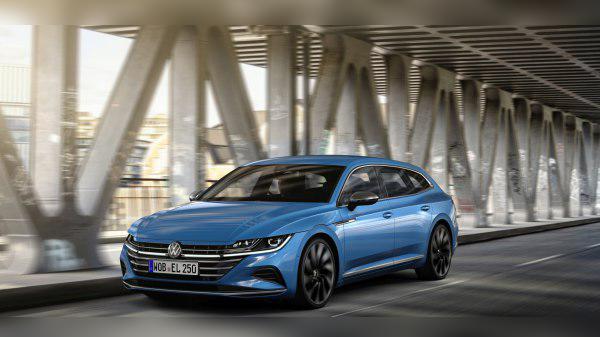
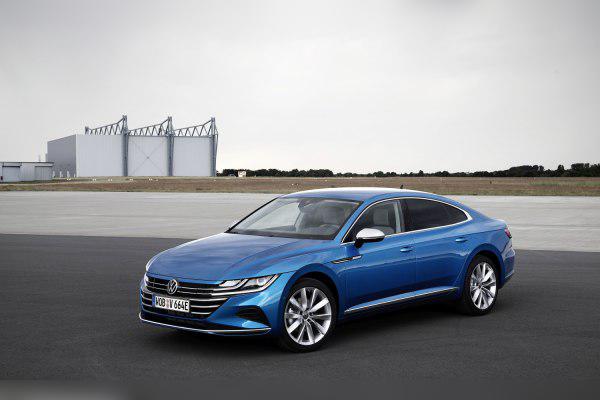
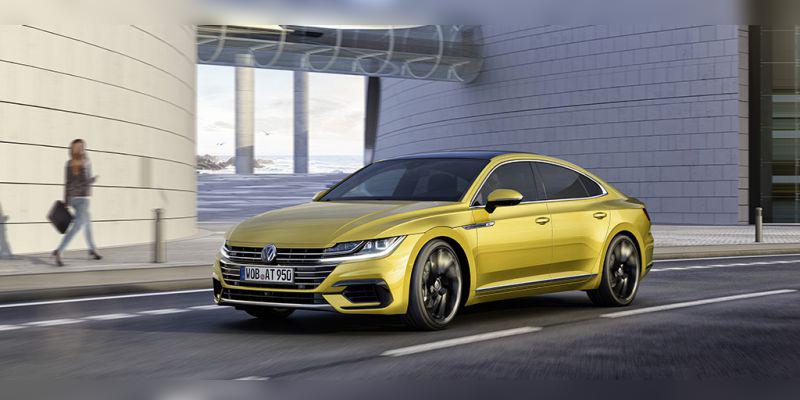
VW Arteon 2.0 TDI (DBGA, DFGA) – Experiences, problems, fuel consumption and used car buying guide
Key points (TL;DR)
- Reliable workhorse: These engines (EA288 Evo generation) are refined and very reliable if properly maintained.
- Timing belt: The engine uses a timing belt, not a chain, which makes the major service cheaper, but requires regular replacement.
- AdBlue system: As with most modern Euro 6 diesels, the urea injection system (AdBlue) is the most common source of "check engine" lights (heaters, pumps, injectors).
- DSG gearbox: Requires strict oil changes every 60,000 to 120,000 km (depending on the exact gearbox model). Neglect leads to expensive mechatronics repairs.
- Performance: 150 hp is the "sweet spot" – enough for normal driving and cruising, but don’t expect sports performance in the heavy Arteon.
- Fuel consumption: Extremely economical on the open road, ideal for long-distance driving.
Contents
Introduction and application
The 2.0 TDI engine with 150 hp (codes DBGA, DFGA) is the backbone of Volkswagen’s D‑segment offering. It is installed in the Volkswagen Arteon (before and after the 2020 facelift), including the attractive Shooting Brake model. This is the engine most buyers choose – not because they want to break speed records, but because they are looking for a balance between efficiency, durability and sufficient power for comfortable travel. It is a modern iteration of the EA288 (often called EA288 Evo in newer versions), which meets strict emission standards with the help of an SCR catalyst. Unlike older PD (Pumpe‑Düse) engines, this is a Common Rail diesel that runs quieter and smoother, which perfectly matches the character of the Arteon as a "Gran Turismo" cruiser.
Technical specifications
| Parameter | Data |
|---|---|
| Engine displacement | 1968 cc |
| Power | 110 kW (150 hp) |
| Torque | 340 Nm at 1600–3000 rpm |
| Engine codes | DBGA, DFGA |
| Injection type | Common Rail (direct injection) |
| Induction | Turbocharger with variable geometry (VGT) + intercooler |
| Emission standard | Euro 6 (with AdBlue/SCR) |
Reliability and maintenance
Timing belt or chain?
This engine uses a timing belt to drive the camshafts. This is good news for owners because issues with chain stretch (typical of some older engines) are eliminated here. The system is robust. According to factory data, the replacement interval is often listed at an optimistic 210,000 km. However, real‑world practice suggests that the major service should be done at a maximum of 150,000 to 160,000 km or every 5 to 7 years, whichever comes first. The water pump is part of the timing belt system and is replaced as a kit.
Most common failures
Although the engine is reliable, it is not immune to problems:
- Water pump: A known issue with this generation is leakage or sticking of the variable ring in the water pump, which can lead to overheating. Keep an eye on engine temperature!
- Exhaust gas temperature sensors and NOx sensors: They often fail and trigger the check engine light.
- Coolant leaks: Microcracks sometimes appear in the plastic thermostat housings or the EGR cooler.
Oil: Capacity and consumption
The engine takes approximately 5.5 to 5.7 liters of oil (depending on the exact sump and filter variant). It is mandatory to use oil that meets the VW 507.00 specification, most commonly in 0W‑30 or 5W‑30 grades. Due to the DPF filter, using the wrong oil (without a "Low SAPS" label) will permanently damage the particulate filter.
As for oil consumption, modern TDI engines have improved. Consumption of up to 0.5 liters per 10,000 km is completely normal and acceptable. If it consumes more than 1 liter over a service interval, this may indicate a problem with the turbocharger or piston rings, but that is rare at lower mileages.
Injector longevity
The injection system is a Bosch Common Rail with electromagnetic (solenoid) injectors on most 150 hp versions (unlike the more expensive piezo injectors on more powerful models). These injectors have proven to be very durable and often exceed 250,000 km without any intervention. Symptoms of bad injectors are rough idle ("hammering") and increased fuel consumption.
Specific parts (costs)
Dual‑mass flywheel
Yes, this engine, whether paired with a manual or DSG gearbox, has a dual‑mass flywheel. Its lifespan depends on driving style. Lots of city driving and hard launches shorten its life. Expect replacement at around 200,000 km. Symptoms include a metallic noise (rattling) when switching the engine off and vibrations at idle that can be felt in the seat. Cost: High (depends on the market, but the flywheel + clutch kit is a significant expense).
Turbocharger
The engine has a single turbocharger with variable geometry. It is not oversized and is generally durable. With regular oil changes and proper cooldown after fast driving (letting it idle for a minute before switching off), the turbo can last as long as the engine. Rebuilding is possible and relatively affordable compared to buying a new unit.
Emissions: DPF, EGR and AdBlue
This is where the biggest potential maintenance costs of a used car lie.
- DPF filter: Standard equipment. If you drive only in the city, it will clog. You need to take the car on the highway at least once every two weeks to allow regeneration.
- EGR valve: Prone to soot build‑up. It is often integrated with the EGR cooler, which makes replacement more expensive.
- AdBlue (SCR): DBGA and DFGA models are equipped with an AdBlue system. This is a weak point. Problems: The heater in the AdBlue tank often burns out, or the pump fails. The urea injector can also clog (crystallization) if the car is left standing for long periods or driven very rarely. Repairs to the AdBlue system can be very expensive.
Fuel consumption and performance
Real‑world fuel consumption
- City driving: The Arteon is a heavy car. Expect consumption between 6.5 and 8.0 l/100 km, depending on traffic and how heavy your right foot is. In winter it can go up to 9 liters.
- Open road (rural roads): This is where the engine shines. It is possible to get consumption down to 4.5–5.0 l/100 km.
- Motorway (130 km/h): At this speed, in 7th gear (DSG), the engine turns at a low ~2,000 rpm. Consumption is around 5.5–6.2 l/100 km.
Is the engine "sluggish"?
With 340 Nm of torque available from just 1600 rpm, the Arteon with this engine is not sluggish in everyday driving. It pulls well from a standstill and easily maintains cruising speeds. However, 150 hp in a car weighing over 1600 kg means that in‑gear acceleration at higher speeds (e.g. overtaking on the motorway from 120 to 150 km/h) is somewhat slower. If you are looking for a sporty "pushed into the seat" feeling, look for the 190 or 240 hp (BiTDI) versions. For 90% of drivers, 150 hp is more than enough.
Additional options and modifications
Chip tuning (Stage 1)
This engine (2.0 TDI) responds very well to software tuning (remap). Stage 1 usually raises power to 185–195 hp and torque to around 400–420 Nm.
Is it safe? A moderate Stage 1 is generally safe for the engine itself, but attention must be paid to the gearbox and clutch. If you have a manual gearbox, the clutch will wear out faster. With DSG gearboxes, it is often necessary to remap the gearbox as well (TCU tuning) to adapt it to the higher torque.
Gearbox: Manual and DSG
The DBGA/DFGA engines in the Arteon come with two transmission options:
- 6‑speed manual: A precise, robust gearbox. Failures are rare and mostly limited to clutch and flywheel replacement. An oil change is recommended, even though VW claims it is "lifetime", at every 150,000 km.
- 7‑speed DSG (DQ381): Most 2020+ (facelift) Arteons and many earlier ones come with the DQ381 gearbox (wet clutch). This is a significantly more reliable transmission than the older dry‑clutch versions.
DSG maintenance
This is the most critical item. The oil in the DSG gearbox MUST be changed. Although the factory specifies an interval of 120,000 km for some newer versions, experienced mechanics recommend changing it every 60,000 km.
Symptoms of DSG failure: Hesitation when setting off, harsh gear changes (jerking), delay when engaging reverse. Repairing the mechatronics or replacing the clutch pack is very expensive (often over 1000–1500 EUR).
Buying used and conclusion
What to check before buying?
- Cold start: Listen to the engine when it is cold. There should be no rattling or uneven running in the first few seconds (flywheel, injectors).
- Coolant leaks: Check the coolant level. Look around the water pump (on the timing belt side) for traces of pink fluid.
- DSG test: The gearbox must shift imperceptibly. Try starting uphill without throttle (auto hold off) – the car must not roll back or jerk.
- Diagnostics: Check DPF saturation and the condition of the AdBlue system (faults related to SCR, NOx sensors).
Conclusion
The 2.0 TDI (150 hp) engine in the VW Arteon is the voice of reason. It offers a premium look and driving feel with maintenance costs and fuel consumption that are acceptable for the average European budget. If you drive a lot on the open road, this is an ideal choice.
Recommendation: Look for a car with a complete service history, especially regarding the DSG gearbox. Avoid cars that have been driven exclusively in the city due to DPF/AdBlue issues. If your budget allows, facelift models (2020+) with the DFGA engine are slightly more refined and have some of the early‑series teething problems resolved.
Was this content useful to you?
Your opinion helps us to improve the quality of the content.