CUUB Engine
- Engine
- 1968 cm3
- Aspiration
- Turbocharger, Intercooler
- Fuel
- Diesel
- Fuel injection system
- Diesel Commonrail
- Power
- 150 hp @ 3500 rpm
- Torque
- 340 Nm
- Cylinders
- 4
- Valves
- 16, 4 per cylinder
- Cylinders position
- Inline
- Oil capacity
- 4.7 l
- Systems
- Particulate filter
# Vehicles powered by this engine
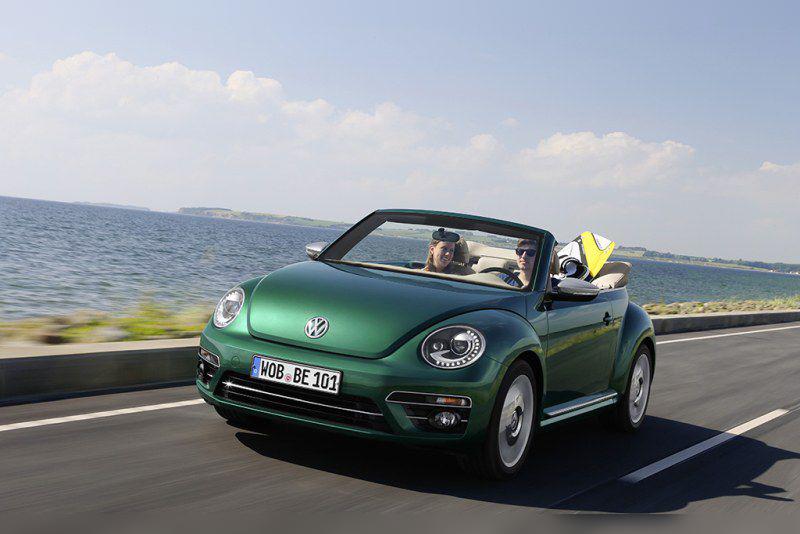
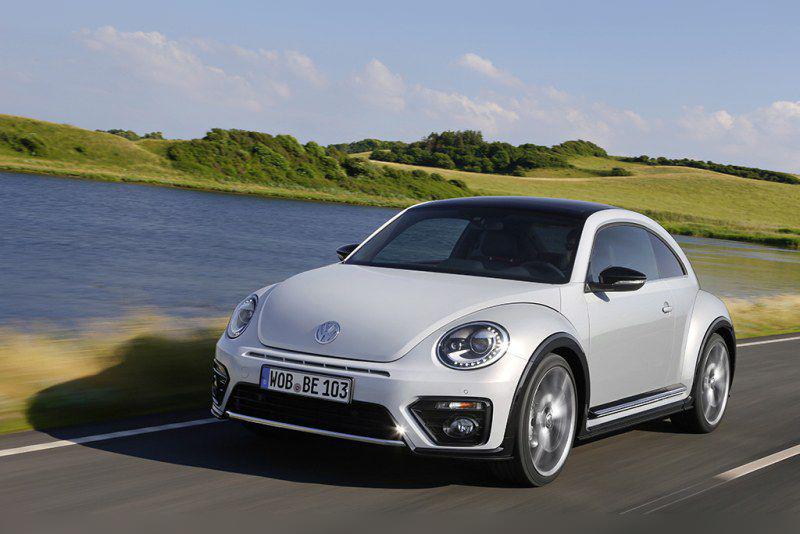

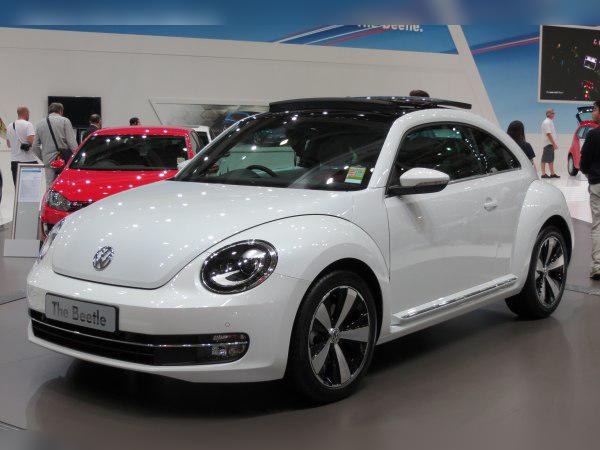
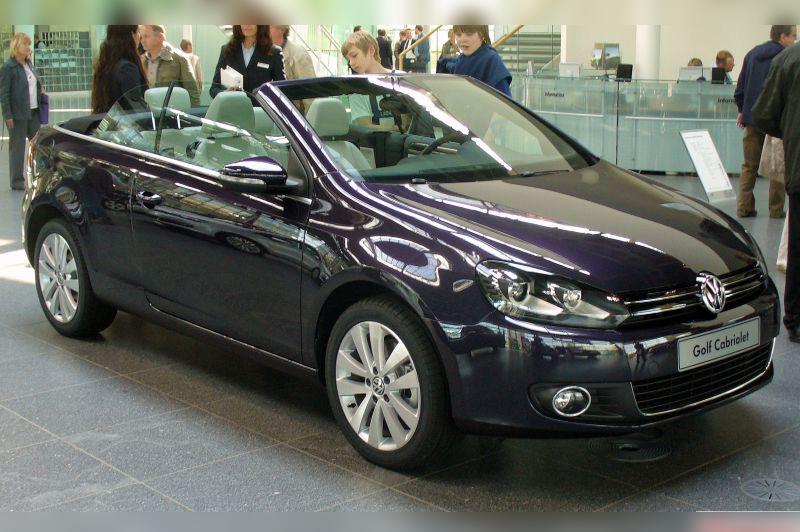
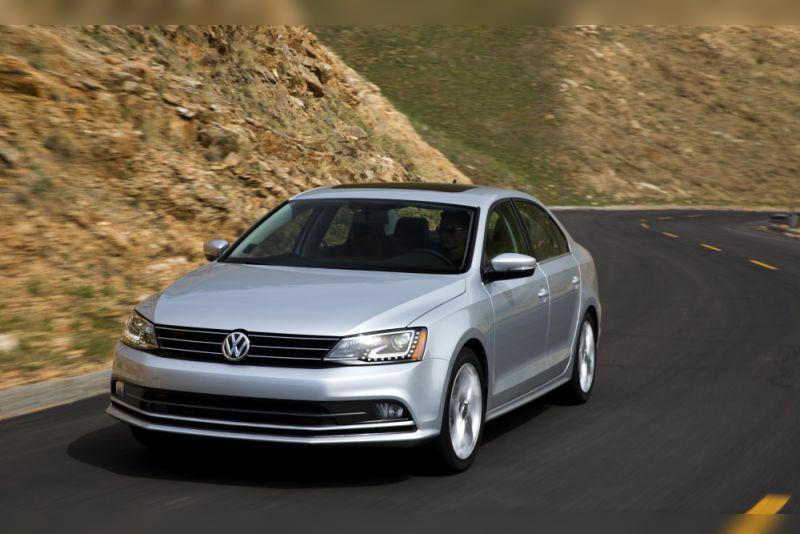
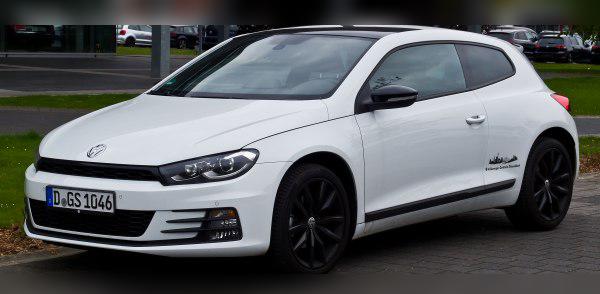
VW 2.0 TDI (CUUB) 150 HP: Experiences, Problems, Fuel Consumption and Buying Tips
Key points in short (TL;DR)
- Performance: Excellent balance of power and fuel consumption; 150 HP and 340 Nm is the “golden middle” for these bodies.
- Biggest downside: Variable-flow water pump – often seizes and leads to overheating.
- Emissions: Complex EGR and DPF system (Euro 6 standard), sensitive to city driving. Often equipped with AdBlue.
- Gearbox: Comes with a reliable manual or an excellent DSG gearbox (wet clutch), which requires regular maintenance.
- Recommendation: Ideal for highway and open-road use. If you only drive in the city, DPF and EGR will quickly cost you money.
Contents
- Introduction and Models
- Technical Specifications
- Reliability, Maintenance and Failures
- Specific Parts and Costs
- Fuel Consumption and Performance
- Gearbox and Drivetrain
- Buying Advice and Conclusion
Introduction: The heart of modern lifestyle Volkswagens
The engine with the code CUUB belongs to the modern EA288 family of diesel engines from the Volkswagen Group. This is not that old 2.0 TDI from the early 2000s with problematic injectors, but a sophisticated unit designed to meet strict Euro 6 standards. It was primarily installed in “facelift” versions of models focused more on style and driving enjoyment, such as the VW Beetle, Scirocco and Jetta, in the period from 2014 to 2016 and later.
This engine is important because it represents the transition to “cleaner” diesels with complex exhaust after-treatment systems, while still retaining that recognizable “punch” of torque that drivers love.
Technical Specifications
| Specification | Value |
|---|---|
| Engine code | CUUB |
| Displacement | 1968 cc (2.0 L) |
| Power | 110 kW (150 HP) at 3500–4000 rpm |
| Torque | 340 Nm at 1750–3000 rpm |
| Configuration | Inline, 4 cylinders, 16 valves |
| Injection system | Common Rail (Direct injection) |
| Charging | Turbocharger with variable geometry (VGT) + intercooler |
| Camshaft drive | Timing belt |
| Emissions standard | Euro 6 |
Reliability and Maintenance: What to watch out for?
Belt or chain?
The CUUB engine uses a timing belt to drive the camshafts. This is good news because the system is quieter and generally more predictable than the chains on older TSI engines.
Major service and the “Achilles’ heel”
The factory interval for timing belt replacement is often optimistically set at 210,000 km. However, the honest recommendation is to do the major service at a maximum of 150,000 to 160,000 km or every 5 to 7 years (whichever comes first). Why earlier?
The main reason is the water pump. EA288 engines (including CUUB) use a pump with a variable “sleeve” that slides over the impeller to help the engine warm up faster. This mechanism often seizes, which leads to engine overheating even at relatively low mileage. A typical symptom is the temperature climbing above 90°C under load or loss of coolant.
Oil: Capacity and consumption
This engine takes approximately 4.6 to 4.7 liters of oil (always buy 5 liters). You must use oil that meets the VW 507.00 specification (most commonly 5W-30). This is crucial because of the DPF filter – the wrong oil will permanently clog it with ash.
As for oil consumption, CUUB engines have proven to be very “tight”. Consumption of up to 0.5 liters per 10,000 km is considered completely normal. If it uses more than a liter between services, this may indicate a problem with piston rings or the turbocharger, although this is less common on these engines than on older PD units.
Injectors
The system uses Bosch solenoid (electromagnetic) or piezo injectors (depending on the exact sub-variant and year). They have proven to be very durable and often exceed 250,000 km without issues. Symptoms of bad injectors include rough idle, increased smoke when you press the accelerator, or difficult starting. Refurbishment is possible, but the price depends on the market (usually falls into the “expensive” category).
Specific Parts (Costs and Problems)
Dual-mass flywheel
Yes, this engine always has a dual-mass flywheel, regardless of whether it is paired with a manual or a DSG gearbox. Its average lifespan is around 180,000–250,000 km, but city driving kills it much faster. Symptoms of wear are a metallic “clattering” noise when switching off the engine and vibrations in the clutch pedal or cabin while the car is stationary.
Turbocharger
The engine has a single turbocharger with variable geometry. It is not prone to sudden failures if the oil is changed regularly. Problems can appear with the actuator (the electronic part that moves the turbo vanes) or with soot buildup in the geometry from frequent city driving (“lazy driving”). Overhaul is a standard procedure and falls into the mid-price range.
Emissions: DPF, EGR and AdBlue
This is the most sensitive part of the CUUB engine:
- DPF and EGR: The EGR valve on these engines is complex (a combination of high- and low-pressure EGR), and the EGR cooler often starts leaking, which shows up as coolant loss. The DPF filter clogs if the car is driven exclusively in the city. Passive regeneration requires open-road driving.
- AdBlue: Most CUUB engines (due to the Euro 6 standard and the weight of vehicles like the Beetle Cabriolet or Jetta) are equipped with an SCR system that uses AdBlue fluid. A common failure is the heater in the AdBlue tank or the pump. Repair often requires replacing the entire tank module, which is very expensive. If you get an AdBlue warning and a remaining-distance countdown, do not ignore it – the car will refuse to start once the counter reaches zero.
Fuel Consumption and Performance
City driving
In real-world conditions, with heavier bodies such as the Beetle Cabriolet or Jetta, you can expect fuel consumption of 6.5 to 8.0 liters/100 km. The start-stop system helps, but the vehicle’s mass still has its say.
Is the engine “lazy”?
Absolutely not. With 340 Nm of torque available from just 1750 rpm, this engine pulls quite strongly. In-gear acceleration is excellent, which makes overtaking safe. It’s not a sports engine on the level of GTI models, but it is more than sufficient for everyday dynamic driving.
Motorway (cruising)
This is the natural habitat of the CUUB engine. At a speed of 130 km/h in top gear (6th), the engine spins at a relaxed 2100–2200 rpm (depending on the gearbox). Fuel consumption is low in this regime, often between 5.0 and 6.0 liters/100 km. The cabin is quiet, and the engine has enough power in reserve to accelerate up to 160 km/h without strain.
Additional Options and Modifications
Remapping (Stage 1)
This engine responds very well to software tuning. A safe Stage 1 remap can raise power to about 185–190 HP and torque to 400–420 Nm. However, be careful: although the engine can handle it, this drastically shortens the lifespan of the clutch and dual-mass flywheel, especially if you have a “heavy right foot” at low revs. Also, the DPF filter will fill up with soot more quickly.
Gearbox: Manual and DSG
Types of gearboxes
With the CUUB engine you get two options:
- 6-speed manual gearbox: Precise, robust and generally trouble-free. The only major expense is the clutch and flywheel set.
- 6-speed DSG (DQ250): This is a dual-clutch gearbox in an oil bath (“wet” DSG).
DSG maintenance and failures
Unlike the problematic 7-speed “dry” DSG (DQ200) used with lower-powered engines, this DQ250 is much more durable. Still, it requires religious maintenance: oil and filter changes in the gearbox every 60,000 km are mandatory. The service cost ranges from moderate to high.
The most common DSG failure is the mechatronic unit (the gearbox brain) or clutch pack wear if the car has been driven aggressively or remapped. Symptoms include jerking when setting off, hesitation when changing gears, or strange noises. If you change the oil regularly, this gearbox can easily exceed 300,000 km.
Buying a used car and Conclusion
Before buying a used car with a CUUB engine, make sure to check the following:
- Cold start: Listen for knocking (flywheel) or uneven running (injectors).
- Coolant reservoir: Check the color of the coolant. If it is dirty or brown, this may indicate a leaking EGR cooler or a ruptured silica bag in the reservoir (a common issue on VWs from those years).
- Diagnostics: Check the condition of the DPF filter (how many grams of ash it contains) and whether there are any fault codes related to the AdBlue system.
Conclusion
The VW 2.0 TDI (CUUB) with 150 HP is an excellent engine for drivers who cover a lot of kilometers on open roads. It is powerful enough to be fun in a Scirocco or Beetle, yet economical enough not to strain your fuel budget. However, the complexity of the Euro 6 systems (AdBlue, EGR, DPF) means that maintenance is not as cheap as on older models. If you buy a well-documented example and are ready to invest in quality oil and regular servicing, this engine will serve you faithfully for years.
Was this content useful to you?
Your opinion helps us to improve the quality of the content.