EA211 Engine
- Engine
- 1498 cm3
- Aspiration
- Naturally aspirated engine
- Fuel
- Petrol (Gasoline)
- Fuel injection system
- Multi-port manifold injection
- Power
- 110 hp @ 6200 rpm
- Torque
- 141 Nm @ 4100 rpm
- Cylinders
- 4
- Valves
- 16, 4 per cylinder
- Cylinders position
- Inline
- Systems
- Start & Stop System
# Vehicles powered by this engine
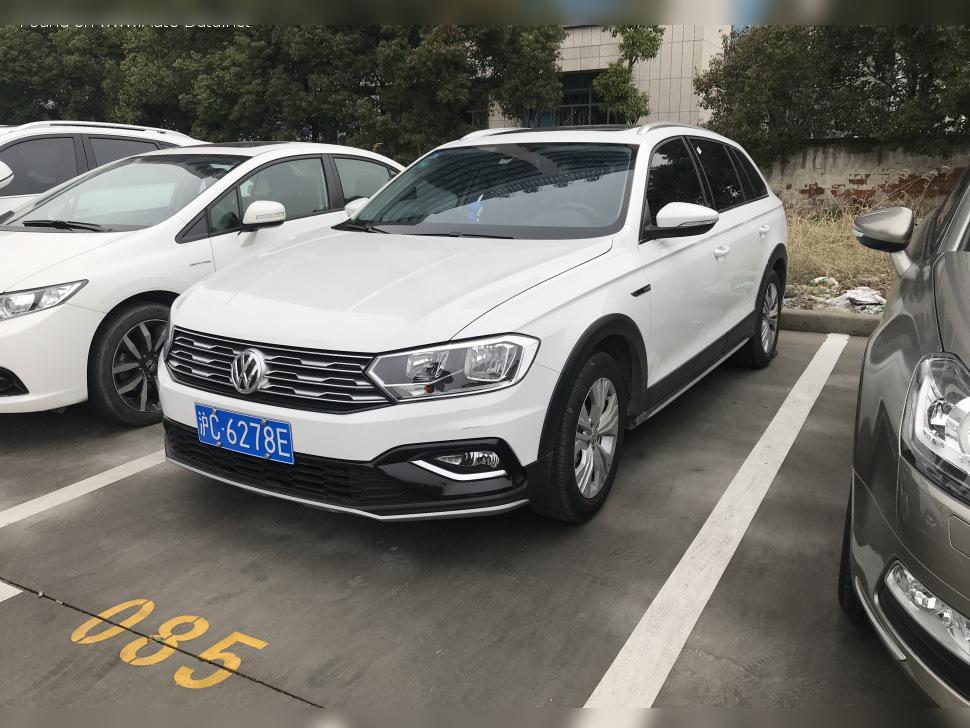
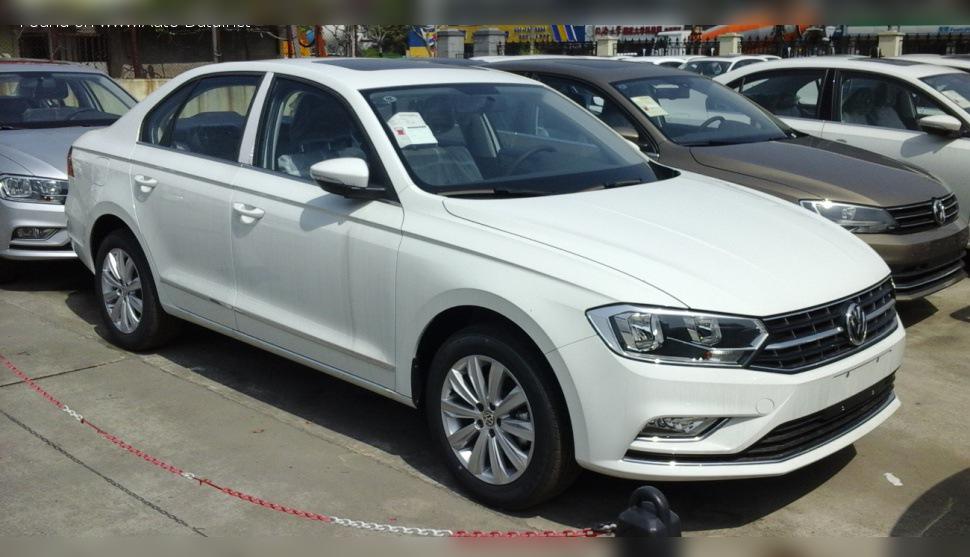
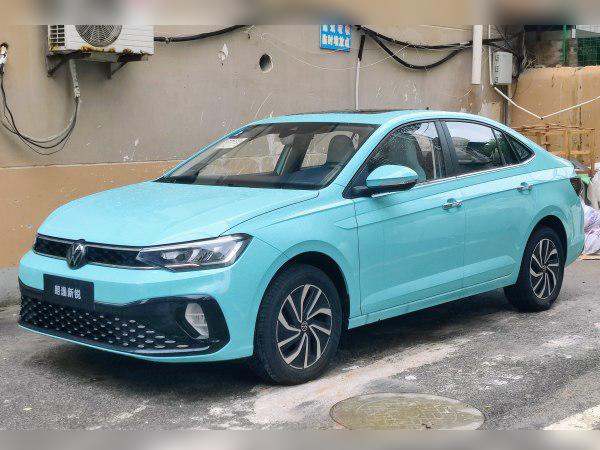
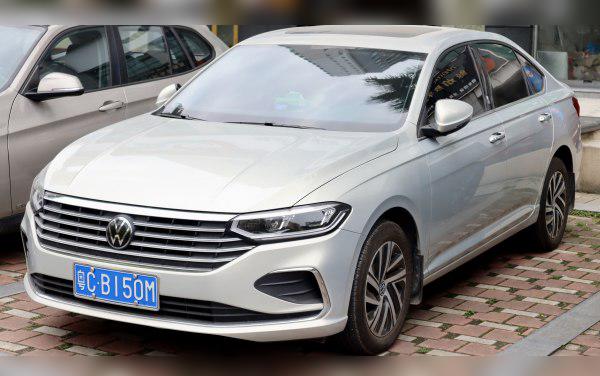
EA211 1.5 MPI (110 HP) – Experiences, problems, fuel consumption and used car buying guide
Key points (TL;DR)
- Exceptional reliability: This is a simple naturally aspirated engine without a turbo, which means fewer expensive failures.
- Ideal for city driving: Enough power for stop‑and‑go traffic, but it lacks torque for aggressive overtaking.
- LPG-friendly: Thanks to the MPI injection system, it is an ideal candidate for LPG conversion.
- Affordable maintenance: No dual-mass flywheel, no turbo, no expensive high-pressure injectors.
- Gearbox: Often paired with a conventional Aisin automatic, which is more durable than DSG gearboxes.
- Performance: The engine is somewhat “lazy” at low revs due to the low torque (141 Nm).
Contents
- Introduction and applications
- Technical specifications
- Reliability and maintenance
- Specific parts and costs
- Fuel consumption and performance
- Additional options and modifications
- Gearbox
- Buying used and conclusion
Introduction and applications
The engine we’re talking about today belongs to the EA211 family, but don’t confuse it with the popular TSI turbo petrol engines we see in Europe. This is a 1.5‑liter naturally aspirated (MPI) engine, developed primarily to replace the old 1.6 MPI unit. Its philosophy is simplicity. It is mostly installed in models intended for the Asian market (such as the VW Bora, Lavida in China), but the technology is shared with many global models within the group.
Why is this engine important? Because it represents the “last of the Mohicans” of simple mechanics in a modern Volkswagen body. It is intended for drivers who value longevity and low running costs over performance.
Technical specifications
| Specification | Value |
|---|---|
| Engine displacement | 1498 cc (1.5 L) |
| Power | 81 kW (110 HP) |
| Torque | 141 Nm at 4000 rpm |
| Injection type | MPI (Multi Point Injection) – Indirect |
| Aspiration | Naturally aspirated (No turbo) |
| Engine codes (examples) | DLF, DACA (Depends on market) |
| Number of cylinders | 4 |
Reliability and maintenance
Timing belt or chain?
The EA211 1.5 MPI engine uses a timing belt. This is a big advantage compared to older generations of VW engines (EA111) which had problematic chains. The belt on this generation of engines is extremely durable. According to factory specifications, the first inspection is often listed only at 240,000 km, but practice and common sense suggest that the major service should be done between 160,000 km and 210,000 km, or every 7 to 10 years in time (whichever comes first).
Most common issues
This is one of the most reliable modern engines, precisely because there is very little that can go wrong. Still, you may encounter:
- Oil leaks at seals: Sometimes appear at higher mileage, but it’s not a systemic fault.
- Ignition coils and leads: As with any petrol engine, they can fail, which shows up as rough running.
- Camshaft position sensor: A rare but possible fault that triggers the “Check Engine” light.
Oil and service intervals
The engine takes approximately 4.0 liters of oil (always buy a 5L can). The recommended grade is usually 5W‑30 or 0W‑20 (depending on climate conditions and the exact manufacturer specification – VW 508.00 or VW 504.00/502.00).
Oil consumption: Unlike older‑generation TSI engines, this 1.5 MPI does not consume oil in significant amounts. Topping up to 0.5 liters per 10,000 km is normal, but often not even that is needed if the engine is healthy.
Spark plugs
Since it’s a petrol engine, spark plugs are a consumable item. Replacement is recommended every 30,000 to 60,000 km. If you mostly drive in the city, shorten the interval to 30–40 thousand kilometers to protect the ignition coils.
Specific parts (Costs)
Dual‑mass flywheel and clutch
Good news: This engine, especially in versions with a manual gearbox, does not have a dual‑mass flywheel. It uses a conventional solid flywheel that is practically indestructible. This means the clutch kit is significantly cheaper to replace compared to diesels or more powerful turbo petrol engines.
Injection system and injectors
The engine uses an MPI (Multi Point Injection) system. Fuel is injected into the intake manifold, before the valves. This has two major advantages: 1. Injectors are cheap, simple and not as sensitive to fuel quality as with direct injection (FSI/TSI). 2. The fuel “washes” the intake valves, so there are no issues with carbon buildup, which is a common problem on modern engines.
Turbocharger
The engine does not have a turbocharger. This eliminates the potential cost of turbo overhauls, intercooler problems or oil leaks in the turbo. It makes the engine “lazy”, but drastically reduces long‑term maintenance costs.
DPF, EGR and AdBlue
Being a petrol engine, it does not have a DPF filter nor does it use AdBlue. However, newer versions (Euro 6d standard or Chinese China VI standard) may have a GPF (Gasoline Particulate Filter). GPFs clog much less often than diesel DPFs because petrol engines run at higher exhaust gas temperatures. An EGR valve is present, but it rarely clogs due to the cleaner combustion of petrol.
Fuel consumption and performance
City driving
In real‑world city traffic, you can expect fuel consumption between 7.5 and 9.5 liters per 100 km. This depends on how heavy your right foot is and on the gearbox (automatics use slightly more). Due to the lack of a turbo, you have to rev it a bit more to get it going briskly, which increases consumption.
Is the engine “lazy”?
Honestly – yes. With 110 HP and only 141 Nm of torque (available only at a high 4000 rpm), this engine struggles with heavier bodies (such as the Bora or Lavida) when fully loaded with passengers. It is perfectly adequate for relaxed driving, but overtaking on country roads requires planning and shifting down.
Motorway driving
On the motorway, at 130 km/h, the engine revs relatively high (often around 3500–4000 rpm, depending on the gearbox). This means more noise in the cabin. Fuel consumption on the open road is around 6.0 to 7.5 l/100 km. This is not an engine for “hammering” in the fast lane, but for cruising in the right lane.
Additional options and modifications
LPG conversion
Absolutely yes. This is one of the few modern engines that is perfect for LPG conversion. Thanks to indirect injection, installation is simple, inexpensive (standard sequential systems) and the engine handles LPG very well. This is the best way to drastically cut running costs.
Remapping (Stage 1)
It doesn’t make sense. On naturally aspirated engines, “chipping” (remapping) brings a negligible gain, maybe 5 to 8 HP, which you won’t really feel in everyday driving. Don’t waste money on software tuning for this engine.
Gearbox
Manual and automatic gearboxes
This engine usually comes with two options:
- Manual (5 or 6 speeds): Precise, light and very reliable. Maintenance comes down to changing the oil at high mileage (although the factory claims it’s “lifetime”, change it at 100,000 km).
- Automatic (6‑speed): In models for the Chinese market (Bora, Lavida), the 1.5 MPI is most often paired with a conventional Aisin automatic gearbox with a torque converter. This is great news! That gearbox is much more robust and smoother in city driving than dry‑clutch DSG units.
Gearbox failures and maintenance
Automatic: The oil in the gearbox should be changed every 60,000 km. If this is respected, these gearboxes can easily exceed 250,000 km without issues. Failures are rare and mostly related to overheating if the car is driven extremely hard or poorly maintained.
Manual: Clutch kit replacement is inexpensive (the price depends on the market, but it falls into the “not expensive” category).
Buying used and conclusion
What to check before buying?
- Engine sound: When cold, listen for valve lifter noise (ticking). If it stops quickly, it’s fine. If it lasts, the engine may have been run on poor‑quality oil.
- Gearbox service history: If you’re buying an automatic, insist on proof of gearbox oil changes.
- Leaks: Check the crankshaft seals (joint between engine and gearbox).
- Diagnostics: Check the operation of the ignition coils (misfire counter) and lambda sensors.
Final verdict
The EA211 1.5 MPI (110 HP) is an engine for rational buyers. It is not intended for enthusiasts or people who are always in a hurry. It is for drivers who want a car that will “start and go” every morning, with minimal maintenance costs.
If you don’t mind somewhat modest performance, this is one of the most cost‑effective engines to own in today’s automotive world, especially if you plan to install LPG.
Was this content useful to you?
Your opinion helps us to improve the quality of the content.