EA211 Engine
- Engine
- 1395 cm3
- Aspiration
- Turbocharger, Intercooler
- Fuel
- Petrol (Gasoline)
- Fuel injection system
- Direct injection
- Power
- 131 hp @ 5000 rpm
- Torque
- 225 Nm
- Cylinders
- 4
- Valves
- 16, 4 per cylinder
- Cylinders position
- Inline
- Oil capacity
- 4 l
- Systems
- Start & Stop System, Particulate filter
# Vehicles powered by this engine
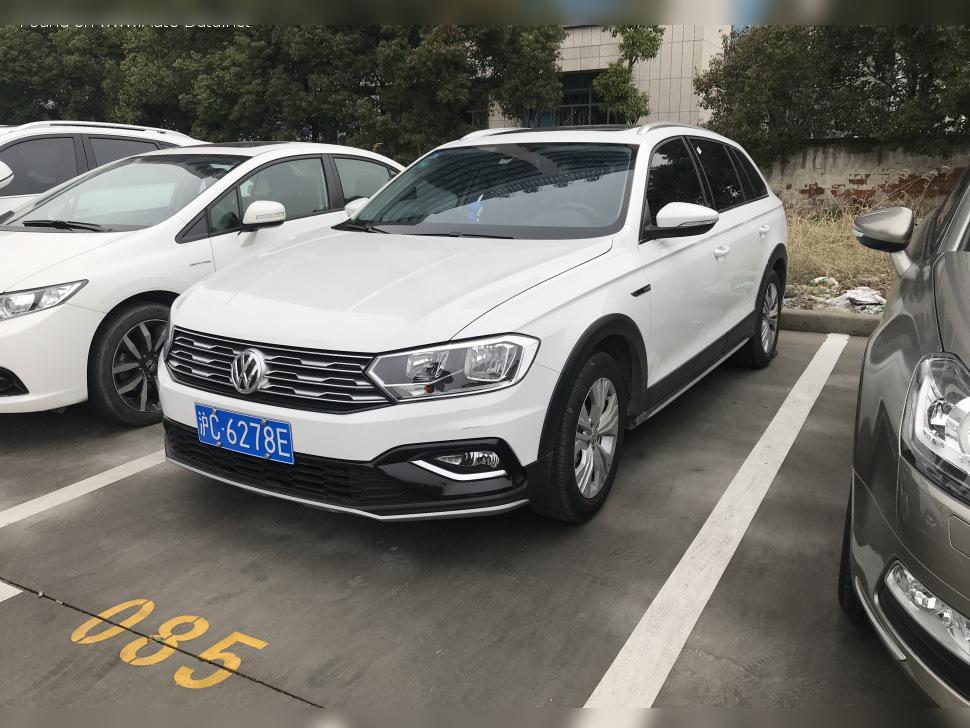
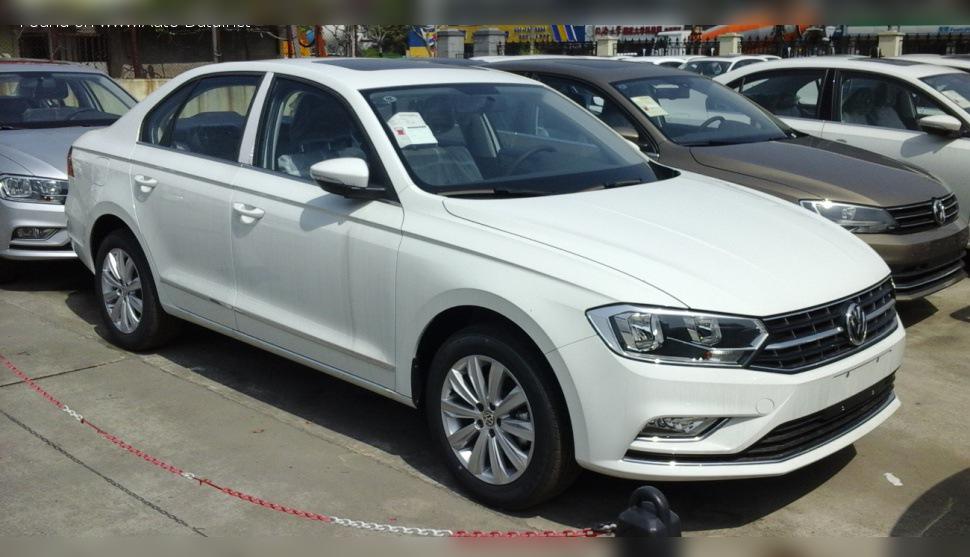
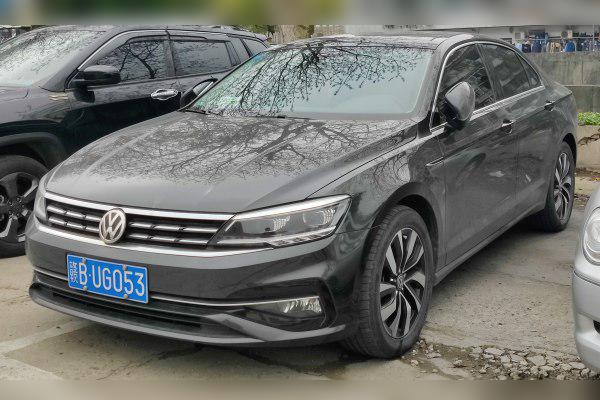
VW 1.4 TSI (EA211) 131 HP – Experiences, problems, fuel consumption and used car buying guide
Key points (TL;DR)
- Timing drive: Uses a timing belt, which solved the chain-stretch issues that plagued the previous generation (EA111).
- Performance: With 131 HP and 225 Nm, this is a very lively engine, an ideal balance between power and efficiency.
- Most common issue: Thermostat housing and water pump are prone to coolant leaks.
- Gearbox: Often paired with the 7‑speed DSG gearbox (DQ200) with a dry clutch, which requires careful inspection when buying.
- Direct injection: Requires quality fuel and occasional intake valve carbon cleaning.
- Recommendation: One of the best small turbo petrol engines of the modern era, provided it has been regularly maintained.
Contents
- Introduction and applications
- Technical specifications
- Reliability and maintenance
- Specific components (costs)
- Fuel consumption and performance
- Additional options and modifications
- Gearbox and drivetrain
- Buying used and conclusion
Introduction and applications
The EA211 1.4 TSI engine in the 131 HP (96 kW) version represents an interesting evolution of Volkswagen’s petrol powertrains. Although this specific output is most often reserved for models intended for the Asian market (China), such as the VW Bora III, C-Trek and Lamando, the engine architecture is identical to the ones we see in European models (Golf, Passat, Octavia). This engine was created as a response to the problems of the older EA111 series. Engineers switched from chain to belt, integrated the exhaust manifold into the cylinder head and significantly reduced weight. The result is an engine that warms up quickly, runs quietly and offers excellent torque at low revs.
Technical specifications
| Characteristic | Data |
|---|---|
| Displacement | 1395 cc (1.4 litres) |
| Power | 96 kW / 131 HP |
| Torque | 225 Nm at 1400–3500 rpm |
| Family code | EA211 (engine code varies, e.g. CSSA, DJKA) |
| Injection type | Direct injection (TSI/GDI) |
| Charging | Turbocharger with intercooler (water-to-air) |
Reliability and maintenance
Does this engine have a timing belt or a chain?
This is the most important question. EA211 engines use a timing belt. This is a huge step forward compared to the older 1.4 TSI (EA111) engines which had problematic chains. The belt on this engine is reinforced and designed to last long, run more quietly and reduce friction in the engine.
What are the most common failures on this engine?
Although it is reliable, the EA211 has a few weak points:
- Thermostat housing and water pump: This is the “Achilles’ heel” of this model. The housing is plastic and often cracks or deforms, which leads to coolant leaks. The symptom is a dropping coolant level in the expansion tank.
- Turbocharger actuator (wastegate): It can stick or the rod can develop play, which leads to rattling when lifting off the throttle or loss of power (Check Engine light).
- Carbon build-up: As with any direct injection engine, the intake valves are not washed by fuel. Over time, carbon deposits build up and can cause rough idle and loss of performance.
At what mileage should the major service (timing) be done?
The factory recommendation for timing belt inspection is often an incredible 210,000 km or 10 years. However, speaking from experience, I strongly recommend replacing the complete timing set (belt, tensioners, water pump) at an interval between 120,000 km and 150,000 km or after 6–7 years of age. The risk of snapping is small, but the consequences are catastrophic (piston-to-valve contact).
Oil: quantity, grade and consumption
The sump holds approximately 4.0 to 4.5 litres of oil (always buy 5 litres). The recommended grade is usually 5W-30 (VW 504.00/507.00 standard), but newer models may require thinner 0W-20 (VW 508.00) for emissions reasons. Check the sticker under the bonnet.
As for oil consumption: the EA211 is dramatically better than the old TSI engines. It should not consume oil in noticeable amounts. Consumption of 0.5 litres per 10,000 km is acceptable. If it uses more than 1 litre between services, this points to an issue with piston rings or the turbocharger, although this is rare at low mileages.
Spark plugs and injectors
On petrol engines with direct injection, spark plugs are under heavy stress. Replacement is recommended every 60,000 km. Use only iridium or platinum plugs recommended by the manufacturer (NGK or Bosch). Injectors are generally durable, but sensitive to poor-quality fuel.
Specific components (costs)
Does this engine have a dual-mass flywheel?
Yes. The 131 HP and 225 Nm version is right on the limit. If it is paired with a DSG gearbox, it definitely has a dual-mass flywheel. With manual gearboxes it is also present in most cases for driving comfort. Its service life is usually around 150,000–200,000 km, depending on driving style. Replacement cost is medium to high (depending on the market).
Fuel injection system and turbo
The engine uses high-pressure direct injection. Injectors are precise and expensive. Failure symptoms are fuel leakage (smell of petrol, rising oil level) or rough running. However, injector failures are not a widespread issue. The engine has a single turbocharger integrated with the exhaust manifold. The turbo spools up quickly and is generally long-lasting if the engine is not switched off immediately after hard driving.
Emissions: GPF and EGR
Models produced for the Chinese market (Bora, Lamando) or newer European models have a GPF (Gasoline Particulate Filter), which is the petrol equivalent of a DPF. It rarely clogs because petrol exhaust temperatures are higher and clean it passively. The EGR function is often not a separate valve; exhaust gas recirculation is achieved through variable valve timing (VVT), which is good because there is no dedicated valve that can get clogged with soot.
AdBlue: This engine DOES NOT have an AdBlue system. That is reserved for diesels.
Fuel consumption and performance
Real-world fuel consumption and power
This is the strongest selling point of this engine.
- City driving: Expect between 7.0 and 8.5 l/100 km, depending on traffic and how heavy your right foot is.
- Highway / country roads: Consumption easily drops to 5.0 to 6.0 l/100 km.
The 131 HP engine is far from sluggish. With 225 Nm of torque available from just 1400 rpm, in models such as the VW Bora or Lamando it pulls decisively and linearly. There is no need for high revs for the car to go well.
Motorway driving
On the motorway it behaves in a very refined manner. At 130 km/h in top gear (7th with DSG or 6th with a manual), the engine spins at around 2,600 to 2,900 rpm. This means the cabin is quiet, and you have enough power in reserve for overtaking without having to downshift.
Additional options and modifications
LPG conversion
Since this is a TSI engine with direct injection, an LPG conversion is complex and expensive. It requires a special system (Direct Liquid Injection) or a setup that uses a mixture of petrol and gas to cool the petrol injectors. Given the low petrol consumption, the cost-effectiveness of an LPG conversion is questionable unless you cover very high annual mileages (over 30–40,000 km per year).
Remapping (Stage 1)
The EA211 responds very well to tuning. A safe Stage 1 can raise power to around 150–160 HP and torque to around 280 Nm. However, be careful if you have the DSG (DQ200) gearbox, as it is factory-rated for a maximum of 250 Nm. Excessive torque increase can drastically shorten the life of the clutch packs in the gearbox.
Gearbox
Which gearboxes are fitted?
With the 1.4 TSI (131 HP) in these models you most commonly get:
- Manual: 5 or 6 speeds (precise and easy to use).
- Automatic: 7‑speed DSG (code DQ200) with dry clutch.
Gearbox issues and maintenance
Manual gearbox: Very reliable. Clutch kit replacement is standard wear and tear. The gearbox oil is “lifetime” according to the factory, but replace it every 150,000 km.
DSG (DQ200): This is the more delicate point.
- Failures: The most common problem is the mechatronics unit (control unit) and premature clutch wear (because they are dry clutches). Symptoms are jerking when setting off, harsh shifts or delayed response.
- Maintenance: Although VW says that the oil in the DQ200 does not need changing (as it is a dry system and the oil is only for the gears and mechatronics), workshop practice is to check and replace the mechatronics fluid every 60,000–80,000 km to prolong solenoid life.
- Clutch replacement: The cost of replacing the DSG clutch pack is high (depends on the market), but it is unavoidable at mileages over 150–200,000 km, especially if the car is driven a lot in city traffic.
Buying used and conclusion
Before buying a used VW Bora, C-Trek or Lamando with this engine, pay attention to the following:
- Cold start: The engine should run smoothly immediately after starting. If you hear metal-on-metal rattling for the first few seconds, this may indicate an issue with the cam phaser or hydraulic lifters.
- Signs of leaks: Look around the thermostat housing (on the right-hand side of the engine when viewed from the front). Pink residue is a sign of coolant leakage.
- Gearbox test (DSG): Release the brake on level ground – the car should start to move smoothly (“creep”) without touching the throttle. Any jerking is a sign of worn clutches.
- Diagnostics: Check for “misfire” counts on cylinders, which may indicate dirty valves or bad spark plugs/coils.
Conclusion: The VW 1.4 TSI EA211 with 131 HP is an excellent engine. It has overcome the teething problems of its predecessor and offers great performance with low fuel consumption. It is aimed at drivers who want the performance of a two-litre engine from the previous decade, with the registration and fuel costs of a small city car. If you avoid a car with a problematic DSG gearbox and regularly replace the timing belt and water pump, this engine will serve you faithfully for many years.
Was this content useful to you?
Your opinion helps us to improve the quality of the content.