EA288 evo / DTRC Engine
- Engine
- 1968 cm3
- Aspiration
- Turbocharger, Intercooler
- Fuel
- Diesel
- Fuel injection system
- Diesel Commonrail
- Power
- 122 hp
- Torque
- 320 Nm
- Cylinders
- 4
- Valves
- 16, 4 per cylinder
- Cylinders position
- Inline
- Valvetrain
- DOHC
- Oil capacity
- 5.5 l
- Systems
- Start & Stop System, Particulate filter
# Vehicles powered by this engine
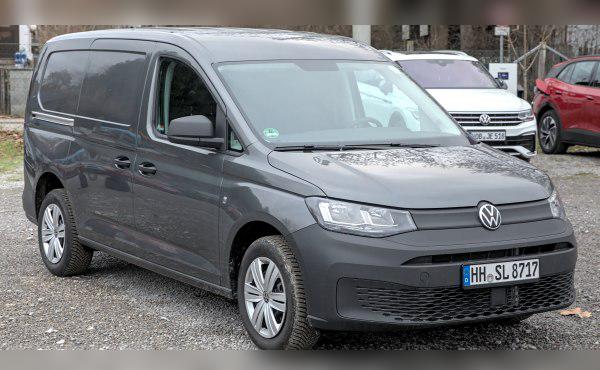
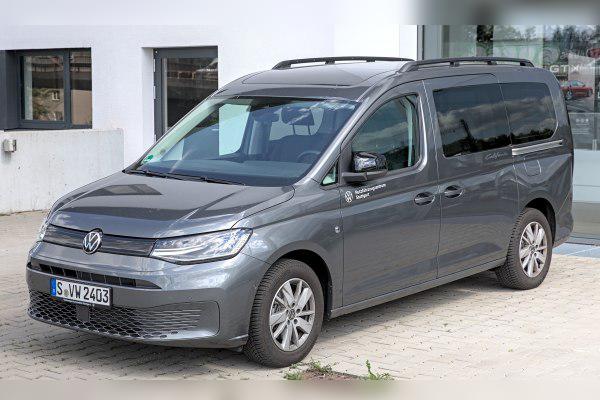
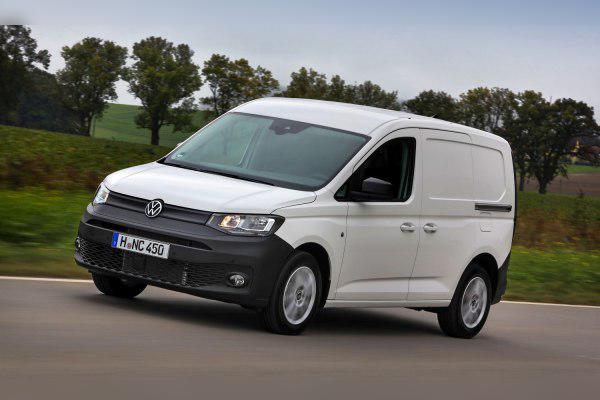
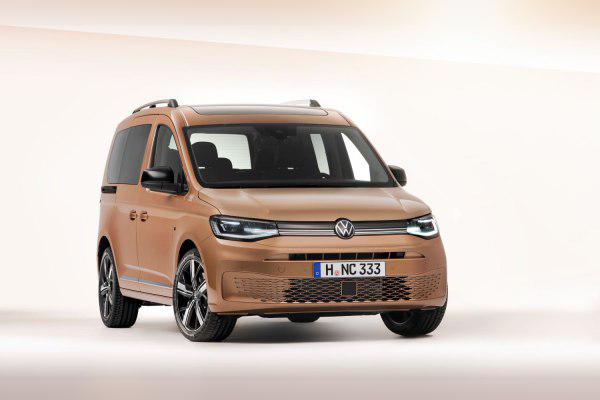
2.0 TDI EA288 evo (DTRC) 122 HP: Experiences, issues, fuel consumption and used-buying guide
Key points (TL;DR)
- Best match for the Caddy: With 122 HP and 320 Nm, this is the strongest and most desirable diesel option for the fifth-generation Caddy body.
- Twin Dosing technology: Uses two SCR catalytic converters and dual AdBlue injection. Environmentally very clean, but potentially expensive to maintain if the system fails.
- Timing belt: Driven by a belt, not a chain. Intervals are long, but you should not play with exceeding them.
- DSG gearbox: This engine is most often paired with a “wet” DSG gearbox, which is more reliable than older “dry” variants, but requires regular oil changes.
- Dual-mass flywheel: Present with both manual and DSG gearboxes. It’s a standard wear item and not cheap.
- Recommendation: An excellent choice for those who drive a lot on open roads and carry load; for strict city driving, the DPF and AdBlue systems can cause problems.
Contents
Introduction and use cases
The engine designated as EA288 evo (engine code DTRC) represents the latest generation of Volkswagen diesel units, specifically developed to meet the strict Euro 6d exhaust emission standards. It is primarily installed in the fifth generation of the Volkswagen Caddy and Caddy Cargo. Unlike older 2.0 TDI engines, this “evo” version brings significant changes in thermal management and exhaust aftertreatment.
This engine is intended for those who use the Caddy as a workhorse or a family transporter over long distances. With 122 HP it is no sports car, but it offers the best power-to-economy ratio in the range, allowing safe overtaking even when the vehicle is loaded with cargo or passengers.
Technical specifications
| Parameter | Value |
|---|---|
| Engine displacement | 1968 cc |
| Power | 90 kW (122 HP) |
| Torque | 320 Nm at 1600–2500 rpm |
| Engine code | DTRC (EA288 evo family) |
| Injection type | Common Rail (up to 2200 bar) |
| Charging | Variable-geometry turbocharger (VGT) + intercooler |
| Engine block | Aluminium (common on evo versions for weight saving) |
Reliability and maintenance
Belt or chain?
This engine uses a timing belt to drive the camshafts. This is good news for many owners, as modern VW belts are quieter and generally more predictable than chains, which caused issues on older TSI (and some older diesel) engines. In addition to the main timing belt, there is also a small belt that drives the oil pump (a so‑called “wet belt” because it runs in oil), which should be checked at higher mileages.
Most common failures
Although the engine is relatively new, workshop experience points to several sensitive areas:
- Exhaust gas temperature sensors and NOx sensors: Due to the extremely complex aftertreatment system, these sensors are under heavy thermal stress and can fail, which will trigger the “Check Engine” light.
- Coolant leaks: On earlier EA288 series, leaks were observed at the water pump or thermostat housing. On the “evo” version the system has been improved, but the coolant level should still be monitored.
- AdBlue system electronics: Heaters in the AdBlue tank or the pump can fail, which may prevent the engine from starting if the system detects a fault.
Major service and oil
The factory interval for the major service (replacement of timing belt, tensioner and water pump) is often specified at up to 210,000 km for Western European markets. However, for our driving conditions and roads, experienced mechanics strongly recommend doing this service between 150,000 km and 160,000 km or after 5 to 7 years of age.
As for oil, this engine takes about 5.5 litres of engine oil. It is very important to use only oil that meets the VW 507.00 or the newer VW 509.00 specification (often in 0W-30 or 0W-20 LongLife grades). These engines are designed for low-viscosity oils to reduce fuel consumption and protect the DPF. Using the wrong oil can permanently damage the DPF filter.
Oil consumption
All modern turbo diesels consume a certain amount of oil. The manufacturer “covers itself” with a figure of up to 0.5 litres per 1,000 km, but that is an extreme. In reality, normal consumption is around 0.5 to 1 litre of oil between two regular services (every 15,000 km). If the engine needs a litre every 2–3 thousand kilometres, this indicates a problem with the piston rings or the turbocharger.
Injector longevity
The system uses high-pressure piezoelectric or solenoid injectors (depending on sub-version). They have generally proven to be very reliable and often exceed 250,000 km without overhaul, provided good-quality fuel is used. The first symptoms of failure are rough idle (“stumbling”) and increased smoke under hard acceleration.
Specific components and systems
Dual-mass flywheel
Yes, this engine has a dual-mass flywheel, regardless of whether it is paired with a manual or DSG gearbox. Its role is to dampen diesel engine vibrations and protect the gearbox. It is an expensive wear item. Symptoms of failure are metallic rattling when switching off the engine and vibrations in the clutch pedal (on manuals) or juddering when setting off.
Turbocharger
The engine uses a single variable-geometry turbocharger (VGT). Its lifespan is directly linked to regular oil changes and driving style (cooling down after fast driving). With proper maintenance, the turbo will last as long as the engine (300,000+ km).
DPF, EGR and AdBlue (Twin Dosing)
This is the most complex part of the story. The EA288 evo uses Twin Dosing technology. This means it has two SCR catalytic converters and two AdBlue injectors. One is close to the engine, the other further down the exhaust system. This allows the engine to be extremely clean (Euro 6d), but doubles the number of components that can fail.
- DPF filter: It clogs if the vehicle is driven exclusively in the city. A Caddy Cargo used for “door-to-door” deliveries will almost certainly have regeneration issues.
- EGR valve: Prone to soot build-up. Cleaning is possible, but replacement is expensive (depends on the market, but count on it being “expensive”).
- AdBlue: The system is mandatory. If the fluid runs out or the system fails, the car will not start after being switched off. Maintenance essentially means regularly topping up with quality AdBlue.
Fuel consumption and performance
Real-world fuel consumption
Despite the large frontal area of the Caddy, this engine is extremely efficient.
- City driving: Expect between 6.5 and 8.0 l/100 km, depending on traffic and how heavy your right foot is.
- Country roads: It is possible to bring consumption down to around 4.5–5.5 l/100 km.
- Motorway (130 km/h): Due to the “boxy” aerodynamics, consumption rises to around 6.0–7.0 l/100 km.
Performance and “sluggishness”
With 320 Nm of torque, this engine is not sluggish. On the contrary, it is the ideal engine for the Caddy. Weaker versions (75 HP or 102 HP) struggle under load, while the 122 HP version pulls strongly from as low as 1600 rpm. Overtaking is safe.
On the motorway at 130 km/h, the engine in combination with the 7-speed DSG or 6-speed manual gearbox runs at a comfortable 2000 to 2200 rpm, which contributes to cabin quietness and lower fuel consumption.
Additional options and modifications
Chip tuning (Stage 1)
This engine has potential for “unlocking” more power. With a Stage 1 remap, power can safely be raised to around 150–160 HP and torque to around 360–380 Nm. However, be careful: higher exhaust gas temperatures can shorten DPF life and put extra stress on the AdBlue system. Also, if you have a DSG gearbox, check whether the gearbox map supports the higher torque.
LPG conversion: Since this is a diesel engine, a classic LPG conversion is not possible. There are systems for diesel–gas mixtures, but for passenger cars they are rarely worthwhile economically or technically.
Gearbox
Manual and DSG
There are two options with this engine:
- 6-speed manual gearbox: Precise and robust. Failures are rare and mostly limited to clutch and flywheel replacement at higher mileages.
- 7-speed DSG (automatic): Due to the 320 Nm of torque, this setup (most often) uses the DQ381 gearbox with “wet” clutches (clutches running in oil). This is a much more reliable option than the notorious DQ200 (dry) gearbox used with weaker engines.
Gearbox maintenance and failures
For the manual gearbox, the oil is not changed often (many call it “lifetime”), but it is recommended to replace it at 150,000 km. The cost of replacing the clutch kit with the dual-mass flywheel is high (very expensive).
For the DSG gearbox, servicing is MANDATORY. The oil and filter in the DSG must be changed every 60,000 km to 80,000 km (depending on the exact gearbox revision; check by VIN). If this is skipped, the mechatronics (the gearbox “brain”) or the clutch packs will fail, and repairs cost thousands of euros. Symptoms of a bad DSG are juddering when setting off, hesitation when shifting, or clunking noises.
Buying used and conclusion
Before buying a Caddy with this engine, make sure you do the following:
- Cold start: Listen to the engine when it is completely cold. There must be no chain-like rattling (cams) or irregular running until it warms up.
- AdBlue check: Use diagnostics to check the condition of the SCR system. Have there been any errors related to the pump or dosing? Repairs are expensive.
- DSG test: The gearbox must shift imperceptibly. Try setting off uphill without throttle (the car should hold or gently move forward; it must not roll back or judder).
- Service history: Check whether the DSG has been serviced on time.
Final verdict
The 2.0 TDI EA288 evo (122 HP) engine is the best choice for the VW Caddy V. It is powerful enough to move a heavy Caddy without strain, which in the long run means lower fuel consumption and longer lifespan compared to weaker versions. Although the exhaust aftertreatment system is complex (Twin Dosing), that is the price of driving a modern diesel. With regular maintenance and avoiding strictly short city trips, this engine will serve for hundreds of thousands of kilometres.
Was this content useful to you?
Your opinion helps us to improve the quality of the content.