EA288 evo / DTRE Engine
- Engine
- 1968 cm3
- Aspiration
- Turbocharger, Intercooler
- Fuel
- Diesel
- Fuel injection system
- Diesel Commonrail
- Power
- 102 hp
- Torque
- 280 Nm
- Cylinders
- 4
- Valves
- 16, 4 per cylinder
- Cylinders position
- Inline
- Valvetrain
- DOHC
- Oil capacity
- 5.5 l
- Systems
- Start & Stop System, Particulate filter
# Vehicles powered by this engine
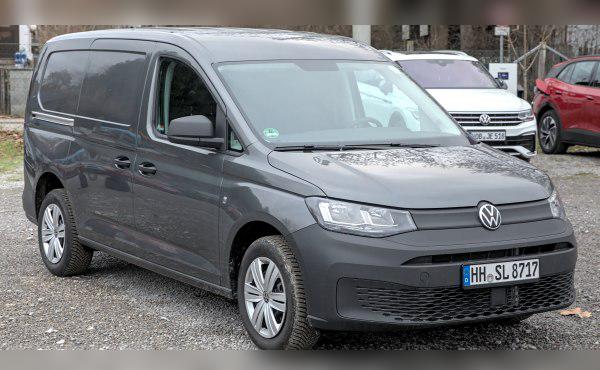
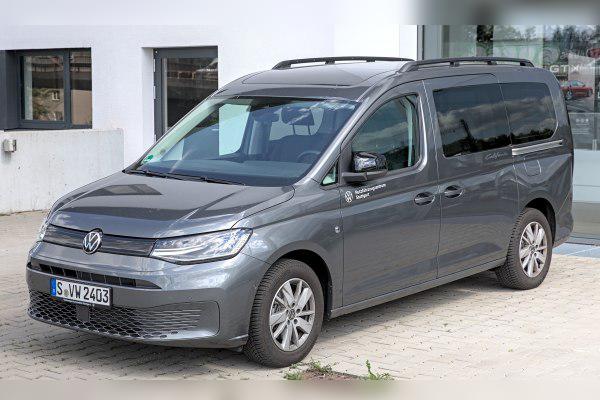
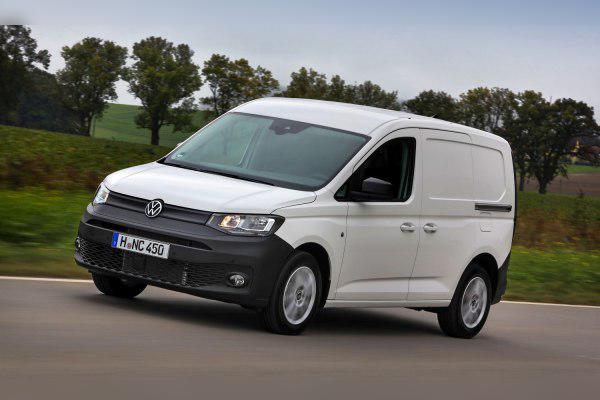
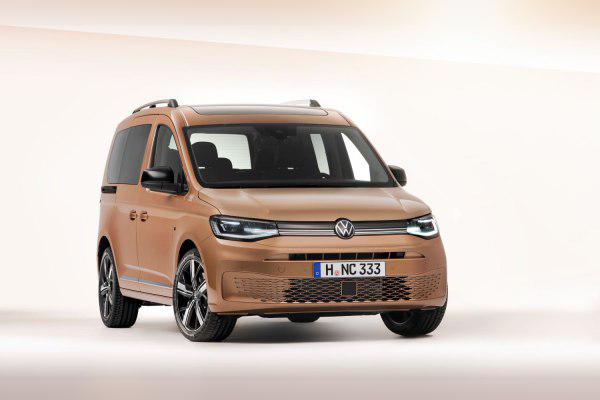
Volkswagen 2.0 TDI (EA288 evo / DTRE) – Experiences, issues, fuel consumption and maintenance
Key points (TL;DR)
- Twin Dosing technology: This engine uses dual AdBlue injection, which drastically reduces emissions but increases system complexity and sensitivity to AdBlue quality.
- Mechanical reliability: The engine’s core (block, pistons) is extremely robust. The 102 hp DTRE version is software “detuned”, which means the mechanical parts are subjected to far less stress than they are designed to handle.
- Dual-mass flywheel: Although power is modest, most variants in the Caddy V come with a dual-mass flywheel for comfort and to protect the gearbox from the vibrations of the large-displacement engine.
- Fuel consumption: Extremely economical, especially on the open road, but sensitive to short city trips because of the DPF.
- Performance: 102 hp is sufficient for city deliveries, but with full load on the motorway the engine runs out of breath when overtaking.
- Maintenance: Requires strict adherence to oil change intervals and good-quality fuel. The AdBlue system is the most common failure point.
Contents
- Introduction and applications
- Technical specifications
- Reliability and maintenance
- Specific components and systems
- Fuel consumption and performance
- Gearbox and drivetrain
- Additional options and tuning
- Used-buying tips and conclusion
Introduction and applications
The engine with code DTRE belongs to the latest generation of Volkswagen diesels, known as EA288 evo. This is not just a mild “facelift” of the old 2.0 TDI, but a significantly improved unit designed to meet strict Euro 6d (and newer) standards. It is primarily installed in the Volkswagen Caddy V generation (including Cargo and Maxi versions).
Why is this engine important? Because it represents the “golden middle ground” for business users and families. With a 2.0-litre displacement, it offers much higher torque and durability compared to the old 1.6 TDI engines it replaces, and in the 102 hp version it is understressed, which promises very high mileage with proper maintenance.
Technical specifications
| Parameter | Value |
|---|---|
| Engine code | DTRE (EA288 evo) |
| Displacement | 1968 ccm |
| Power | 75 kW / 102 hp (at 2750–4250 rpm) |
| Torque | 280 Nm (at 1500–2500 rpm) |
| Fuel type | Diesel (Common Rail) |
| Charging | Variable-geometry turbocharger (VGT) + intercooler |
| Emission class | Euro 6d-ISC-FCM (Twin Dosing SCR) |
| Number of valves | 16 (4 per cylinder) |
Reliability and maintenance
Timing belt or chain?
The DTRE engine uses a timing belt for the valve train. This is a traditional solution for VW TDI engines and is generally quieter and cheaper to replace than a chain. The water pump is also driven by this belt.
Most common failures
Although mechanically very reliable, the engine peripherals can cause issues:
- Exhaust gas temperature sensors and NOx sensors: Due to the complex aftertreatment system, these sensors are prone to failure, which leads to the “Check Engine” light and sometimes to “Safe Mode” (loss of power).
- AdBlue system (pump and heater): Urea crystallisation can clog the injector or damage the pump in the AdBlue tank. A typical symptom is a dashboard warning that the engine will not start in X kilometres.
- Coolant leaks: On earlier EA288 evo units, leaks sometimes occurred at the thermostat housing or water pump. This is noticeable by a drop in coolant level in the expansion tank.
Major and minor service
Major service: The factory interval is often optimistic (210,000 km), but experienced mechanics strongly recommend replacing the timing belt kit and water pump at 150,000 to 160,000 km or 5–6 years of age. A snapped belt leads to total engine failure.
Minor service: The factory allows “Long Life” intervals of 30,000 km, but for engine longevity, especially in Caddy vehicles that are often loaded or driven in the city, change the oil every 10,000 to 15,000 km.
Oil: quantity and consumption
This engine takes approximately 5.5 litres of oil (always check the exact figure by VIN, as sumps may differ). Only use oil that meets VW 507.00 (0W-30 or 5W-30) or the newer VW 509.00 (0W-20) standard for the latest evo engines to improve fuel economy.
Oil consumption: Modern TDI engines consume less oil than the old PD units, but consumption of around 0.5 litres per 10,000 km is completely normal and acceptable. If it uses more than 1 litre per service interval, the turbocharger or piston rings should be checked.
Injectors
The system uses Bosch or Continental piezoelectric injectors at high pressure (up to 2200 bar). They are generally very durable and can easily exceed 250,000 km without issues, provided good-quality fuel is used. Symptoms of failure include rough idle (fluctuating revs) and increased smoke under acceleration.
Specific components (costs)
Dual-mass flywheel
Yes, in the Caddy V this engine has a dual-mass flywheel (DMF). Although 102 hp doesn’t sound like much, the 2.0-litre displacement generates strong torsional vibrations that would destroy a simple solid flywheel/gearbox combination. The DMF usually lasts between 150,000 and 200,000 km, depending on driving style. Symptoms of wear are metallic rattling when switching the engine off and vibrations in the clutch pedal.
Turbocharger
The engine has a single turbocharger with variable geometry. Its lifespan is closely linked to regular oil changes. It is not prone to sudden failures, but the variable vanes can get clogged with soot if the car is driven very gently (“lugged”), which can cause the engine to go into limp mode.
DPF, EGR and AdBlue (Twin Dosing)
This is the most complex part of the engine. The EA288 evo uses a Twin Dosing system, which means it has two SCR catalysts and two AdBlue injectors. This ensures clean exhaust gases in all operating conditions.
- Problems: The DPF can clog if the car is driven exclusively in the city. The Twin Dosing system is sensitive; AdBlue pumps and tank heaters are expensive components (very expensive, depending on the market) that are known to fail.
- Maintenance: Do not switch the engine off while it is regenerating (elevated idle speed, radiator fans running). Use high-quality AdBlue to prevent crystallisation.
Fuel consumption and performance
Real-world fuel consumption
The Caddy V is not an aerodynamic vehicle, but the engine is efficient:
- City driving: Expect between 6.5 and 7.5 l/100 km, depending on traffic and load.
- Open road: This is where the engine shines, with consumption of 4.5 to 5.5 l/100 km at speeds up to 90 km/h.
- Motorway (130 km/h): Due to air resistance (its “boxy” shape), consumption rises to around 6.0 to 7.0 l/100 km.
Is the engine “lazy”?
For an unladen vehicle in the city, the engine is more than adequate thanks to 280 Nm of torque available from just 1500 rpm. It feels lively off the line.
However, a fully loaded Caddy Maxi (passengers + luggage or cargo) will struggle on inclines and when overtaking above 100 km/h. You will need to use the gearbox frequently to extract performance. At 130 km/h in sixth gear, the engine runs at pleasantly low revs (around 2200–2400 rpm), which is good for noise and fuel consumption, but not great for elasticity.
Additional options and modifications
Chip tuning (Stage 1)
This is perhaps the biggest “secret” of this engine. Since the 102 hp DTRE is actually a software-limited 2.0 TDI (the same hardware is often used for 122 hp or even 150 hp versions in other models), the tuning potential is huge.
A safe Stage 1 remap can raise power to 140–150 hp and torque to over 340 Nm. This drastically changes the character of the vehicle. Still, keep in mind that higher power wears the clutch and flywheel faster, and you also lose the factory warranty.
Gearbox
Types of gearboxes
The following are most commonly paired with this engine:
- 6-speed manual gearbox (MQ281): Precise, robust and well geared.
- 7-speed DSG automatic (DQ381): Wet clutch. This is an excellent gearbox also used in more powerful models.
Gearbox maintenance and failures
- Manual: Oil change is not specified as mandatory (“fill for life”), but is recommended every 100,000 km. Failures are rare and mostly related to the clutch kit and flywheel. Replacing the clutch and DMF is a major expense (expensive, depending on the market).
- DSG (DQ381): Requires regular servicing (oil and filter change) every 80,000 to 120,000 km (check the exact manual, as the DQ381 is improved compared to the older DQ250). If not maintained, the mechatronics (the gearbox “brain”) and clutch packs can fail, and such repairs cost thousands of euros.
Buying used and conclusion
When buying a Caddy with this engine, pay attention to:
- Noise at cold start: Listen for metallic knocking from the gearbox area (flywheel).
- Diagnostics (VCDS): Always check the DPF status (ash load) and injector corrections. Also check for any faults related to the AdBlue system or NOx sensors.
- Service history: For DSG gearboxes, proof of oil changes is crucial.
Conclusion: The 102 hp Volkswagen 2.0 TDI (DTRE) is an ideal engine for taxi drivers, delivery vehicles in mixed use, and calm family drivers. It offers the longevity of a larger displacement with low fuel consumption. It is not a racer, but a workhorse that, with proper maintenance of the exhaust aftertreatment system, can cover hundreds of thousands of kilometres without opening the engine.
Was this content useful to you?
Your opinion helps us to improve the quality of the content.