EA211 evo / DPBC Engine
- Engine
- 1498 cm3
- Aspiration
- Turbocharger, Intercooler
- Fuel
- Petrol (Gasoline)
- Fuel injection system
- Direct injection
- Power
- 114 hp
- Torque
- 220 Nm
- Cylinders
- 4
- Valves
- 16, 4 per cylinder
- Cylinders position
- Inline
- Valvetrain
- DOHC
- Oil capacity
- 4.3 l
- Systems
- Start & Stop System, Particulate filter
# Vehicles powered by this engine
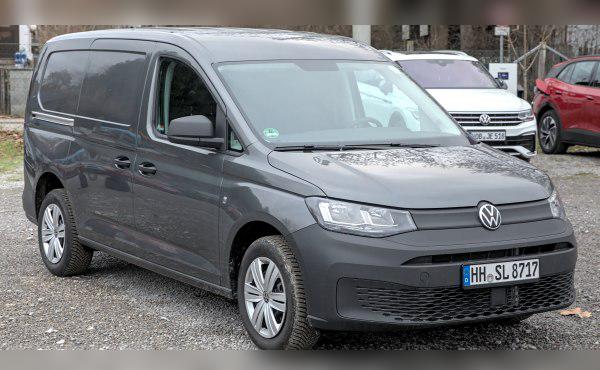
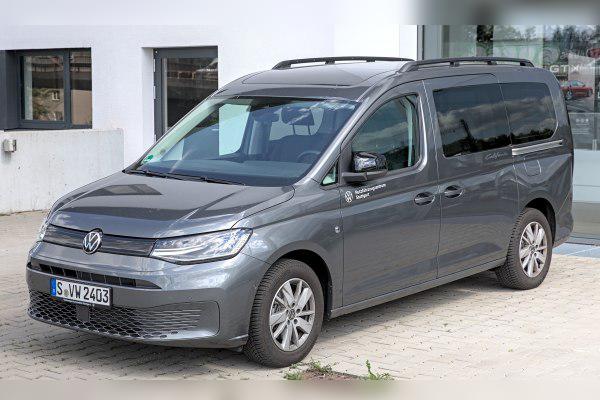
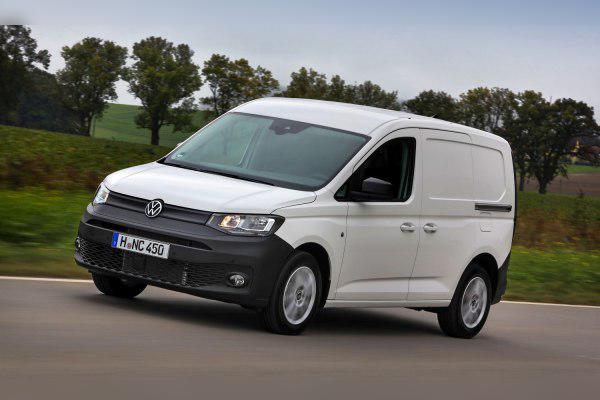
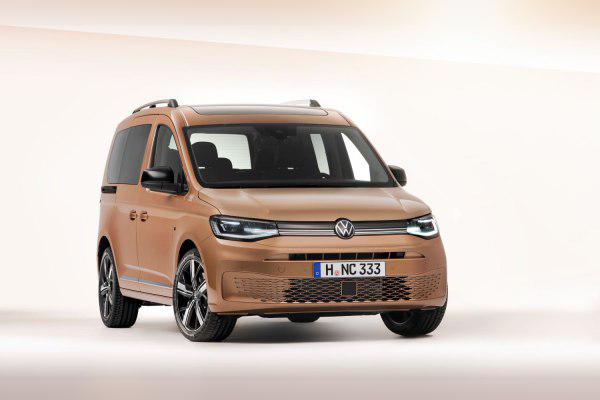
1.5 TSI (114 hp) EA211 evo in VW Caddy models: Experiences, issues, fuel consumption and buying tips
Key points in short (TL;DR)
- More modern design: This is the EA211 evo generation, which uses a timing belt (not a chain) and a variable turbine (VTG), which is rare for petrol engines.
- Performance in the Caddy: With 114 hp and 220 Nm, the engine is perfectly adequate for an empty vehicle, but under full load in the Caddy Maxi version it can feel sluggish on uphill sections.
- Oil consumption: These engines use very thin oils (0W-20). Consumption of up to 0.5 L over several thousand kilometers is not unusual, especially if driven aggressively.
- DSG or manual: It is often paired with the DQ200 gearbox (dry clutch). In a heavy vehicle like the Caddy, this transmission requires attention.
- GPF filter: Just like diesels with a DPF, this petrol engine has a GPF particulate filter. Although it clogs less often, stop‑and‑go city driving does it no favors.
- Kangaroo effect: A known issue on cold start in early production series, mostly solvable with a software update.
Contents
- Technical specifications
- Reliability and maintenance
- Specific components (costs)
- Fuel consumption and performance
- Additional options and modifications
- Gearbox: manual and DSG
- Buying used and conclusion
Introduction: A petrol engine in the world of small vans?
For years, the Volkswagen Caddy was synonymous with TDI diesel engines. However, with stricter emissions regulations and market changes, the 1.5 TSI (code DPBC) with 114 horsepower is becoming an increasingly common choice, both for passenger (Caddy Life) and panel van (Cargo) versions. This is a “detuned” version of the more powerful 150 hp engine, aimed at those who want lower registration and insurance costs and do not cover the huge mileages that would justify a diesel.
Technical specifications
| Parameter | Data |
| Engine displacement | 1498 cc (1.5 L) |
| Power | 84 kW (114 hp) |
| Torque | 220 Nm at 1750–3000 rpm |
| Engine code | DPBC (EA211 evo family) |
| Injection type | Direct injection (TSI) – up to 350 bar |
| Charging | VTG turbocharger (variable geometry) + intercooler |
| Emissions standard | Euro 6d (equipped with GPF/OPF filter) |
Reliability and maintenance
Belt or chain?
Good news for many owners who remember the issues with the old 1.2 and 1.4 TSI engines: EA211 evo engines use a timing belt. Volkswagen abandoned the chain on this engine series. The belt is reinforced with glass fibers and is designed to last a very long time.
Major service and intervals
The manufacturer often states optimistic intervals for the timing belt (sometimes over 200,000 km or even “lifetime” with periodic inspections). However, real‑world practice and mechanics’ experience call for caution. It is recommended to perform the first thorough inspection at 120,000 km, and to replace the belt no later than between 150,000 and 180,000 km or after 6–7 years of belt age, whichever comes first. A snapped belt will cause catastrophic engine damage.
Oil: quantity and consumption
This engine takes approximately 4.3 liters of oil. The crucial point is the oil grade. For these newer engines (from 2020 onwards), VW often specifies the VW 508.00 / 509.00 standard, which is a 0W-20 viscosity oil. This oil is “like water” in order to reduce friction and fuel consumption.
Does it burn oil? Yes, TSI engines are known to “drink” a bit of oil, especially if driven on the motorway at high revs. Consumption of 0.3 to 0.5 liters per 5,000 km is considered acceptable. If it exceeds 0.5 L per 1,000 km, that points to an issue with piston rings or the turbocharger.
Spark plugs and injectors
On petrol engines with direct injection, spark plugs are under heavy stress. It is recommended to replace them every 60,000 km. Do not skimp on spark plugs – use only those specified by the manufacturer (NGK or Bosch iridium), because a bad plug can damage the ignition coil (which is also a wear item).
Most common failures
- “Kangarooing” (jerking): The most famous issue of the 1.5 TSI engines. When moving off from a standstill with a cold engine, the car can hop like a kangaroo. This is mainly a software issue related to a lean fuel mixture for emissions reasons. It is resolved by a software update at an authorized service center.
- Water pump and thermostat: The thermostat and water pump module is complex and made of plastic. Coolant leaks from the thermostat housing are a relatively common problem.
- Carbon buildup: Since this is a direct‑injection engine, fuel does not “wash” the intake valves. Over time, carbon deposits build up on the valves, leading to rough running and loss of power. Periodic intake cleaning (so‑called “walnut blasting”) is recommended at higher mileages (over 100,000 km).
Specific components (costs)
Dual‑mass flywheel: Yes, this engine does have a dual‑mass flywheel (DMF). Even though it is a petrol engine, the torque and the need for smooth operation dictate its use, especially on models with a DSG gearbox. Its service life is usually longer than on diesels, but replacement is not cheap (falls into the “expensive” category). Depending on the market, a clutch kit with flywheel is a significant hit to the budget.
Turbocharger (VTG): The engine has a single turbocharger, but it is specific – it uses VTG technology (variable turbine geometry), which used to be reserved mainly for diesels and Porsche petrol engines. This provides excellent throttle response, but the part itself is very expensive if it fails. It is sensitive to poor‑quality oil and to switching off a hot engine immediately after fast driving.
Injection system: The injectors are high‑pressure piezo units (up to 350 bar). They are not as problematic as on older diesels, but they are sensitive to poor‑quality fuel. Injector failure manifests as rough running and the “Check Engine” light coming on.
DPF / GPF and EGR: Petrol engines do not have a DPF, but they do have a GPF (Gasoline Particulate Filter) or OPF. It does the same job – traps soot. However, since petrol exhaust gases are hotter, passive regeneration occurs more often and clogging issues are much rarer than on diesels. Still, if you drive your Caddy 100% in the city (stop‑and‑go), the regeneration warning light may come on. There is an EGR valve and it can get dirty, but it is less problematic than on TDI engines.
AdBlue: This engine does not have an AdBlue system. That is reserved exclusively for diesel (TDI) units.
Fuel consumption and performance
The Volkswagen Caddy is not a light vehicle, and its aerodynamics are brick‑like. This affects fuel consumption.
- City driving: Realistically expect between 8.5 and 10 liters/100 km. If a Caddy Cargo is loaded with goods, this figure easily goes above 10 liters.
- Country roads: Here the engine shines thanks to ACT technology (deactivation of two cylinders under low load). Consumption can drop to around 6.0–6.5 liters/100 km.
- Motorway (130 km/h): At this speed, the Caddy faces significant air resistance. Consumption is around 7.5–8.5 liters/100 km. Thanks to the 6‑speed manual or 7‑speed DSG, revs are pleasantly low (around 2600–2800 rpm), which reduces noise.
Is the engine “lazy”? For an empty Caddy, 114 hp and 220 Nm are more than enough for agile driving. However, if you drive a Caddy Maxi with 7 seats and a full boot, or a Cargo version with 500 kg of load, you will feel the lack of power on uphill stretches and when overtaking. In those situations the engine has to rev high.
Additional options and modifications
LPG conversion: This is a direct‑injection engine. Installing a “regular” sequential LPG system is not possible. You need systems designed for direct injection (which also use a bit of petrol for injector cooling) or liquid‑phase systems. The installation cost is very high (often over 1000 EUR, depending on the market) and the cost‑effectiveness is questionable unless you cover very high mileages.
Remapping (Stage 1): This is an excellent candidate for a remap. Why? Because the 114 hp version is almost identical in hardware to the 130 hp or even 150 hp versions. With a Stage 1 software tune, this engine can safely be raised to around 145–150 hp and about 250–260 Nm of torque. That drastically changes the character of the vehicle, especially if it is often loaded.
Gearbox: manual and DSG
Two options are available with this engine:
- 6‑speed manual: Precise and easy to use. Failures are rare and mostly related to the clutch kit and flywheel at higher mileages. An oil change in the gearbox is not specified, but is recommended at around 150,000 km.
- 7‑speed DSG (DQ200): This is where you need to be careful. With an engine producing 220 Nm, this gearbox usually comes with a dry clutch.
- Most common failures: Clutch wear in city stop‑and‑go driving and mechatronics failure (the electro‑hydraulic unit). Symptoms include jerking when moving off, hesitation when changing gears or metallic noises.
- Maintenance: Although VW says the oil is “lifetime”, there are separate oils for the mechatronics and the gear sets. Service specialists recommend checking and changing it every 60,000 km to extend the life of the sensitive mechatronics.
- Repair cost: Mechatronics overhaul or clutch kit replacement falls into the “very expensive” category (depending on the market).
Buying used and conclusion
When buying a used Caddy with this engine, make sure to do the following:
- Cold start: Insist on starting the car when the engine is completely cold. Listen for any chain‑like rattling (even though it has a belt, the cam phasers can make noise) and check whether the engine runs smoothly immediately after starting.
- Test drive: Move off gently in first gear. If the car “hops” or jerks, this may indicate that a software update is needed or that the intake valves are dirty (carbon buildup).
- Check for leaks: Look around the water pump and thermostat area (on the side of the engine). Traces of reddish residue indicate coolant leakage.
- Diagnostics: Check the condition of the GPF filter and whether there are any fault codes related to fuel pressure or the turbocharger.
Conclusion: The VW Caddy 1.5 TSI (114 hp) is an excellent alternative to diesel for those who drive mixed routes or mostly in the city, where diesel DPF filters tend to fail. The engine is quieter, more refined and reaches operating temperature faster in winter. However, for hauling heavy loads over long distances, the 2.0 TDI is still the undisputed king thanks to its higher torque and lower consumption under load. If you opt for the TSI, be prepared for somewhat more expensive components around the injection system and turbo, but you will avoid issues with the AdBlue system and the DPF.
Was this content useful to you?
Your opinion helps us to improve the quality of the content.