EA288 evo / DTRF Engine
- Engine
- 1968 cm3
- Aspiration
- Turbocharger, Intercooler
- Fuel
- Diesel
- Fuel injection system
- Diesel Commonrail
- Power
- 75 hp
- Torque
- 250 Nm
- Cylinders
- 4
- Valves
- 16, 4 per cylinder
- Cylinders position
- Inline
- Valvetrain
- DOHC
- Oil capacity
- 5.5 l
- Systems
- Start & Stop System, Particulate filter
# Vehicles powered by this engine
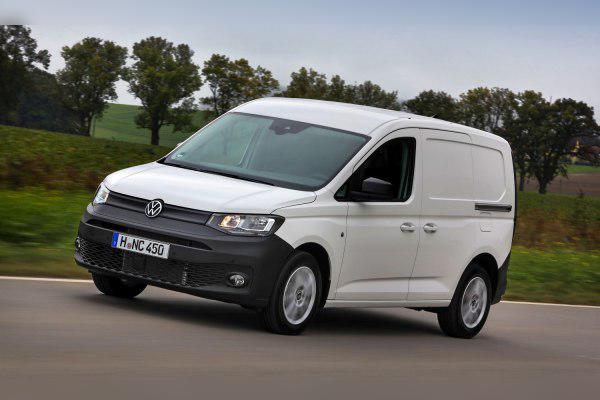
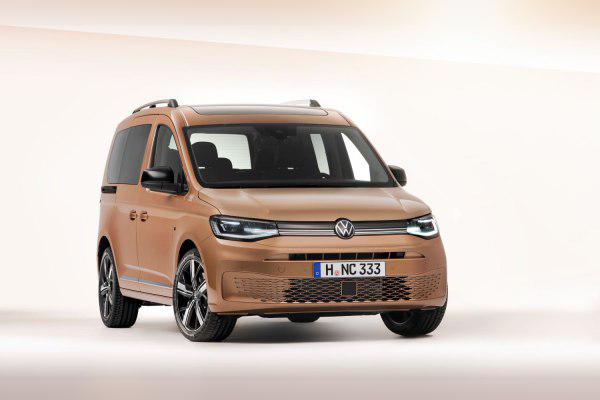
VW 2.0 TDI EA288 evo (75 HP) – Experiences, problems, fuel consumption and is it too weak for the Caddy?
Key points (TL;DR)
- Extremely “detuned” engine: This is a 2.0-liter engine software-limited to just 75 HP. It is extremely durable because it operates under minimal mechanical stress, but it is very slow in stock form.
- Chip tuning potential: This is probably one of the best “Stage 1” candidates on the market, because with a simple software unlock the power can almost be doubled.
- AdBlue system (Twin Dosing): It features a complex system with two catalytic converters and dual urea injection. This is the most sensitive part of the engine.
- Fuel consumption: Very low, especially in urban delivery conditions.
- Maintenance: Standard for the VW Group, parts are widely available, but the emissions-related components are expensive.
- Recommendation: Ideal for city delivery. For highway use it is too weak in its factory configuration.
Contents
- Introduction and application
- Technical specifications
- Reliability and maintenance
- Specific parts and emissions system
- Fuel consumption and performance
- Tuning and modifications
- Gearbox and drivetrain
- Buying tips and conclusion
Introduction and application: Why does a 2.0 engine have only 75 HP?
The engine with the code DTRF belongs to the latest generation of Volkswagen diesels, known as EA288 evo. Many drivers are puzzled by the fact that a 2.0-liter engine produces only 75 horsepower. The reason lies in corporate strategy: it is cheaper to produce the same hardware engine block and change its power output via software than to develop separate smaller engines (such as the former 1.6 TDI, which was dropped from the Caddy lineup).
This engine is primarily installed in the VW Caddy V and its panel van version, the Caddy Cargo. It is intended for fleet buyers, delivery companies and markets where insurance is calculated based on engine power. Mechanically, it is a “twin brother” of the more powerful 102 or 122 HP versions, which is great news for longevity, but it brings specific challenges in everyday driving.
Technical specifications
| Parameter | Value |
|---|---|
| Engine displacement | 1968 ccm (2.0 l) |
| Power | 55 kW (75 HP) |
| Torque | 250 Nm at 1300–3750 rpm |
| Engine code | DTRF (EA288 evo) |
| Injection system | Common Rail (solenoid injectors) |
| Forced induction | Turbocharger with variable geometry (VGT) + intercooler |
| Emissions standard | Euro 6d (Twin Dosing SCR) |
Reliability and maintenance
When it comes to the “iron”, this engine is practically indestructible in this power version. The pistons, crankshaft and block are dimensioned to withstand 150–200 HP, so with 75 HP the engine operates with minimal stress. Still, regular maintenance is crucial.
Timing belt and major service
EA288 evo engines use a timing belt to drive the camshafts. The factory replacement interval is optimistically set at 210,000 km for the European market. However, from an experienced editor’s standpoint, you should not wait that long. Due to stop-and-go driving (typical for delivery vehicles) and the aging of materials over time, it is recommended to do the major service at 150,000 to 160,000 km or every 5–6 years. The water pump is electronically controlled (it has variable flow for faster warm-up) and is known to start leaking or seizing before that interval, which can lead to overheating.
Oil and oil consumption
This engine holds about 5.5 liters of oil. You should use only 0W-30 (or more rarely 5W-30) that meets the strict VW 504.00 / 507.00 specification. Due to the very thin oil and “low-friction” piston rings, modern TDI engines can consume a small amount of oil. Consumption of 0.5 liters per 10,000 km is considered completely normal. If it uses more than a liter between services, the turbocharger or possible leaks should be checked. Do the minor service at a maximum of 15,000 km, never at 30,000 km (LongLife), because soot quickly degrades the oil’s properties in city driving.
Injection system
The injectors are of the Common Rail type and in this generation have proven to be very durable. With good-quality fuel they can easily exceed 250,000 km. Symptoms of bad injectors include rough idle (“tak-tak” noise), increased fuel consumption and smoke, but this is rare on DTRF engines if you refuel at reputable stations.
Specific parts, costs and emissions system
Dual-mass flywheel
This is where we enter the “grey area”. Although the engine has modest torque (250 Nm), the Caddy V is a vehicle aimed at comfort, so in most cases it is equipped with a dual-mass flywheel. While the engine does not “tear” the flywheel apart with brute force, it suffers due to driving style. Because the engine is weak, drivers often use full throttle at low revs or shift gears too frequently, which wears out the mechanism. The cost of replacing the clutch kit with the flywheel is high (it depends on the market, but it is among the more expensive jobs).
Turbocharger and DPF
The engine has a single turbocharger with variable geometry. Since the engine runs under low stress, the turbo is long-lasting, provided the engine is not switched off immediately after hard driving. The DPF filter is standard and, as with any modern diesel, it is sensitive to short trips. If the Caddy is used only for “door-to-door” city deliveries, the DPF will not regenerate passively. The symptom is a warning light on the dash and increased idle speed. In that case, it is essential to take the vehicle out on an open road.
AdBlue and Twin Dosing (the biggest downside)
This is the key point. The EA288 evo uses a Twin Dosing system. This means there are two SCR catalytic converters and two AdBlue injectors (one close to the engine, the other under the floor). This drastically reduces NOx emissions, but doubles the chance of failure.
Problems: AdBlue pumps, heaters in the AdBlue tank and urea crystallization on the injectors are common issues. A failure in this system often prevents the engine from starting (software lockout). Maintenance involves topping up only high-quality AdBlue and occasionally using additives that prevent crystallization. Repairs to this system are very expensive.
Fuel consumption and performance
Is the engine sluggish? Yes, very. With 75 HP in a Caddy body (which weighs around 1.5–1.6 tons empty), the 0–100 km/h sprint takes an “eternity” (over 17 seconds). When overtaking you must be extremely careful and plan your maneuvers well in advance. The engine relies on its 250 Nm of torque to get moving, but as soon as you go past 3000 rpm, it runs out of breath.
Fuel consumption:
- City driving: Expect around 6.0 to 7.5 l/100 km, depending on the load. Although it is weak, it does not use much fuel because it is efficient.
- Country roads: This is where it truly shines in terms of economy, it can go down to 4.5–5.0 l/100 km.
- Motorway: At 130 km/h the engine revs higher (around 2600–2800 rpm in 6th gear) and struggles. Fuel consumption then rises to about 6.5–7.0 l/100 km, and cabin noise is noticeable.
Additional options and modifications
This is where this engine really shines. Since it is hardware-wise almost identical to the 102 HP version (and in many aspects even to the 122 HP one), it is perfect for “chiptuning” (Stage 1).
With a safe remap, this engine can be raised to 130–150 HP and over 320 Nm of torque. The difference is dramatic. The engine literally “comes to life”, fuel consumption often even drops because you no longer have to “floor it” to make it go, and reliability is not significantly compromised because the engine was originally engineered for that kind of output. Still, keep in mind that any modification voids the factory warranty and may affect road legality depending on the laws in your country.
Gearbox
With the 75 HP engine, Volkswagen almost exclusively pairs a 6-speed manual gearbox. The automatic DSG is very rarely (if ever) offered with this weakest version, as it would further increase the price of what is meant to be an entry-level vehicle.
Gearbox failures: The manual gearboxes are robust. Regular oil changes in the gearbox (recommended every 100,000 km, even though VW claims it is “lifetime”) extend its service life. The most common problem is not the gearbox itself, but the clutch kit. Due to the engine’s low power, drivers often “balance” the clutch when starting uphill or under load, which leads to faster wear of the friction disc.
Buying used and conclusion
When buying a Caddy with this engine, pay attention to the following:
- Flywheel noise: Listen for knocking or rattling when switching off the engine or when pressing the clutch halfway.
- AdBlue history: Check whether there have been any interventions on the urea dosing system. If the “Check Engine” light is on, there is a high chance the problem lies in the AdBlue sensor or pump, not in the engine itself.
- Clutch condition: Try starting uphill. If the clutch bites very high or slips, be prepared to pay for a replacement.
Conclusion:
The VW 2.0 TDI with 75 HP is a rational choice for companies engaged in city deliveries and operating in flat areas. It is extremely reliable mechanically, because it is under-stressed. However, for a private owner planning family trips, this engine is too weak and highway driving will be tiring.
If you are buying this model for private use because it was cheaper, a strong recommendation is a professional chiptune to unlock its real potential and make driving safer and more pleasant.
Was this content useful to you?
Your opinion helps us to improve the quality of the content.