EA288 / CUUE, DFSE Engine
- Engine
- 1968 cm3
- Aspiration
- Turbocharger, Intercooler
- Fuel
- Diesel
- Fuel injection system
- Diesel Commonrail
- Power
- 122 hp
- Torque
- 300 Nm
- Cylinders
- 4
- Valves
- 16, 4 per cylinder
- Cylinders position
- Inline
- Valvetrain
- DOHC
- Oil capacity
- 4.6 l
- Systems
- Start & Stop System, Particulate filter
# Vehicles powered by this engine
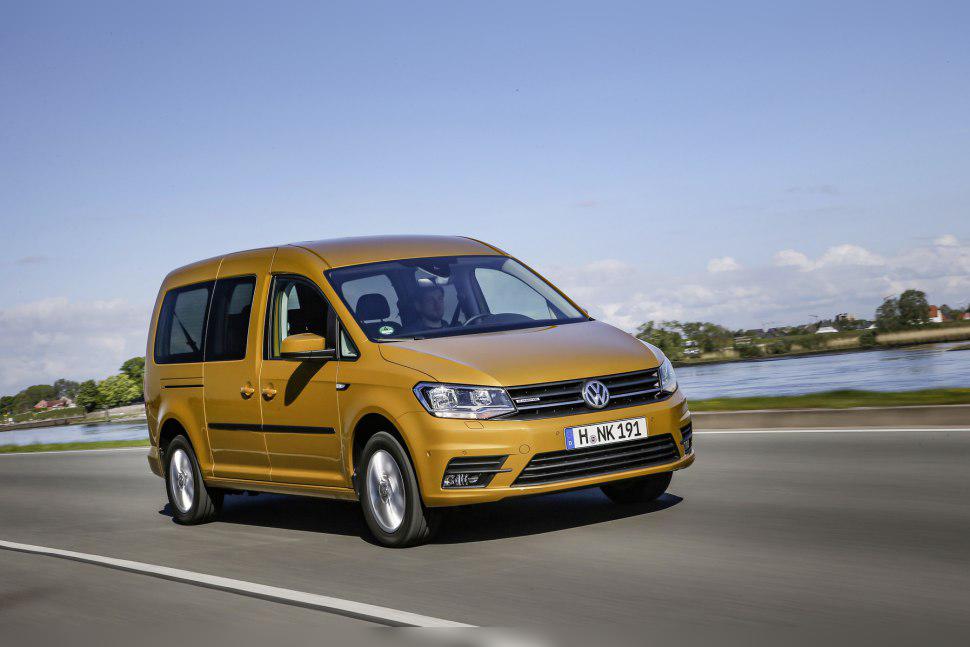
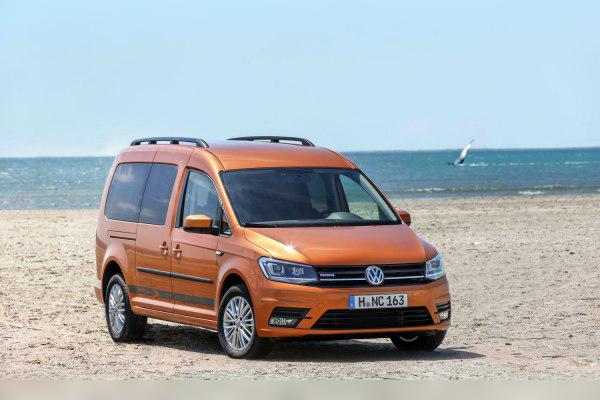
VW 2.0 TDI (EA288) 122 HP – Experiences, problems, fuel consumption and maintenance of the specific 4MOTION model
Key points (TL;DR)
- Golden middle ground: The 122 HP (90 kW) version in Caddy models is the ideal balance between the weak 1.6 TDI and the more powerful 2.0 versions, especially with 4MOTION drive.
- Belt-driven timing: The engine uses a timing belt, not a chain, which makes maintenance cheaper but requires strict adherence to replacement intervals.
- Achilles’ heel – Water pump: A known issue of the EA288 series is the “smart” water pump that can seize and cause overheating.
- Complex ECO system: DPF, EGR and AdBlue systems are present and require proper driving style and good-quality fuel to avoid expensive failures.
- Haldex maintenance: Since this engine is installed in 4MOTION models, Haldex coupling maintenance is critical, yet often neglected.
- Recommendation: An excellent choice for those who need a workhorse or a family transporter capable of handling bad weather conditions.
Contents
- Introduction and engine application
- Technical specifications
- Reliability and maintenance
- Specific parts and costs
- Fuel consumption and performance
- Additional options and modifications
- Gearbox and drivetrain
- Buying used and conclusion
Introduction and engine application
The engine we’re talking about today belongs to the EA288 family of Volkswagen diesel units. This is the engine that replaced the famous (and infamous due to Dieselgate) EA189 series. The specific 122 HP variant (codes CUUE, DFSE) is notable because it is most commonly found in Volkswagen Caddy IV models, usually combined with all-wheel drive (4MOTION).
This is not a racing engine, but a work unit designed to carry the heavy body of the Caddy and Caddy Maxi, with the additional load of all-wheel drive. For buyers looking for a vehicle for work, family and occasional trips off the tarmac, this engine is perhaps the most rational choice in the range.
Technical specifications
| Parameter | Value |
|---|---|
| Engine displacement | 1968 ccm (2.0 l) |
| Power | 90 kW / 122 HP |
| Torque | 300 Nm at 1500–2800 rpm |
| Engine codes | CUUE, DFSE |
| Injection type | Common Rail (Bosch) |
| Induction | Turbocharger with variable geometry (VGT) + intercooler |
| Emission standard | Euro 6 (with AdBlue system) |
Reliability and maintenance
Timing belt or chain?
The EA288 engine uses a timing belt to drive the camshafts. This is good news for many owners because the system is quieter and more predictable than a chain that stretches. The factory replacement interval is often listed at an optimistic 210,000 km, but real-world experience suggests that the major service should be done earlier.
What are the most common failures?
Although the EA288 is more reliable than its predecessor, it has its quirks:
- Variable-flow water pump: This is the best-known issue. The plastic ring that regulates coolant flow can get stuck in the closed position, which leads to rapid engine overheating. The symptom is a temperature spike under load that returns to normal when you lift off the throttle. The solution is to replace the pump (often done together with the major service).
- Oil leak at crankshaft seal: Sometimes there is a leak on the gearbox side, which can contaminate the clutch disc if not noticed in time.
- Exhaust gas temperature (EGT) sensors: A common failure that triggers the “Check Engine” light and can prevent DPF regeneration.
Service intervals and oil
The major service (timing belt kit, water pump, tensioners) is recommended every 150,000 to 180,000 km or every 5 to 7 years, whichever comes first. Given the problematic water pump, many owners do this even earlier.
The engine takes approximately 4.7 to 5.0 liters of oil (always check with the dipstick). The recommended viscosity is 5W-30 or 0W-30, but the key is that the oil meets the VW 507.00 specification because of the DPF filter.
Oil consumption
EA288 engines are generally “tight” and do not consume oil like the older PD (Pumpe-Düse) engines. Consumption of up to 0.5 liters per 10,000 km is considered completely normal. If it uses more than 1 liter between services, this may indicate a problem with piston rings or the turbocharger, but that is rare at lower mileages.
Injector lifespan
This engine uses Bosch piezo or solenoid injectors (depending on the exact sub-variant and year). The injectors have proven to be very durable and often exceed 250,000 km without overhaul, provided quality fuel is used. Symptoms of bad injectors are rough idle (“hammering”), increased smoke under acceleration and difficult starting.
Specific parts (costs)
Dual-mass flywheel
Yes, this engine in Caddy models (especially with 4MOTION) is equipped with a dual-mass flywheel. It is necessary to dampen diesel engine vibrations and protect the gearbox. Its lifespan is usually between 150,000 and 200,000 km, depending on driving style (city driving wears it out faster). Replacement is expensive (depends on the market).
Turbocharger
The engine uses a single turbocharger with variable geometry. Its service life is long and usually matches the life of the engine with regular oil changes. Failures are rare and mostly related to the turbo actuator (electronics) or dirty variable vanes caused by city driving.
DPF, EGR and AdBlue
This is where things get complicated. The engine meets the Euro 6 standard, which means it has:
- EGR valve: On EA288 engines, the EGR valve, EGR cooler and DPF are often integrated into a single module located right behind the engine. This improves efficiency but makes replacement drastically more expensive if it fails. Clogging is possible if the car is driven exclusively in the city.
- AdBlue (SCR): Yes, the Caddy IV with this engine uses AdBlue fluid. The system is generally reliable, but common failures include heaters in the AdBlue tank or the urea injector, which can crystallize. Repairs to this system can be expensive (very expensive – depends on the market).
Fuel consumption and performance
Real-world fuel consumption
The Caddy is tall, boxy and heavy, and the 4MOTION system adds weight and friction. So don’t expect miracles:
- City driving: Expect between 7.5 and 9.0 l/100 km. In heavy traffic and in winter, this can go up to 10 liters.
- Open road: Here the engine is more efficient and uses about 5.5 to 6.5 l/100 km at typical highway speeds on non-motorway roads.
Is the engine “lazy”?
With 300 Nm of torque, the engine is not lazy in the sense that it struggles to move the vehicle. It pulls very well from low revs, which is important if the Caddy is loaded. However, with 122 HP, in-gear acceleration at higher speeds is modest. It’s no sports car, but for normal use and overtaking on main roads it is perfectly adequate. The 4MOTION system gives a feeling of security and “weight” at the steering wheel.
Behaviour on the motorway
On the motorway, the Caddy pays the price of its aerodynamics. At 130 km/h, the engine in sixth gear spins at about 2200–2400 rpm (depending on the gearbox). It can be noisier in the cabin due to wind. Fuel consumption at 130 km/h is around 7.5–8.5 l/100 km, again due to air resistance.
Additional options and modifications
Chip tuning (Stage 1)
This engine responds very well to remapping. Since it is a 2.0 block that in other versions produces 150 HP from the factory, the 122 HP version is software “detuned”. A safe Stage 1 remap can raise power to 150–160 HP and torque to 360–380 Nm. This drastically changes the character of the vehicle, especially when overtaking, without significantly affecting longevity if driven sensibly.
Gearbox and drivetrain
Manual vs automatic
With this engine you can get:
- 6-speed manual gearbox: Precise and robust. The most common issue is related to the clutch kit and flywheel; the gearbox itself rarely causes problems. Changing the gearbox oil is recommended during the major service.
- DSG (automatic): Usually the DQ250 (6-speed with wet clutch). This is one of the best DSG gearboxes. It requires oil and filter changes strictly every 60,000 km. Failures are mostly related to the mechatronics unit (expensive) or clutch wear if it hasn’t been serviced regularly.
Haldex coupling (4MOTION)
This is a key point. The Caddy 4MOTION uses a Haldex coupling (probably 5th generation) to transfer power to the rear wheels. Maintenance is mandatory! Haldex oil should be changed every 3 years (or at 45,000–60,000 km). Also, the Haldex pump strainer must be cleaned, even though VW’s official service procedure sometimes doesn’t mention it. If it clogs, the pump fails and you lose 4x4 drive (an expensive repair).
Clutch replacement cost: Replacing the clutch kit with the dual-mass flywheel is a significant expense (expensive – depends on the market), but it is an unavoidable part of owning a modern diesel.
Buying used and conclusion
What to check before buying?
- Cold start: Listen for rattling (flywheel) and check whether the engine runs smoothly immediately after starting (injectors).
- Coolant traces: Look around the timing belt area and under the engine. Pink deposits are a sign that the water pump is leaking.
- 4MOTION service history: Ask for proof of oil changes in the Haldex coupling and DSG gearbox. If there is no proof, factor these costs into the price (or the risk of failure).
- Diagnostics: Check the condition of the DPF filter (ash loading) and injector corrections.
Conclusion: The VW Caddy with the 2.0 TDI (122 HP) 4MOTION engine is an exceptional machine for a specific audience. If you live in hilly areas, often drive in snow or need a reliable workhorse that isn’t afraid of mud, this is the right choice. The engine is understressed and long-lasting with proper maintenance. However, be prepared for higher maintenance costs (Haldex, AdBlue, DPF) compared to a simple petrol engine or older diesels without 4x4.
Was this content useful to you?
Your opinion helps us to improve the quality of the content.