EA288 / CUUD, DFSD Engine
- Engine
- 1968 cm3
- Aspiration
- Turbocharger, Intercooler
- Fuel
- Diesel
- Fuel injection system
- Diesel Commonrail
- Power
- 102 hp
- Torque
- 250 Nm
- Cylinders
- 4
- Valves
- 16, 4 per cylinder
- Cylinders position
- Inline
- Valvetrain
- DOHC
- Oil capacity
- 4.6 l
- Systems
- Start & Stop System, Particulate filter
# Vehicles powered by this engine
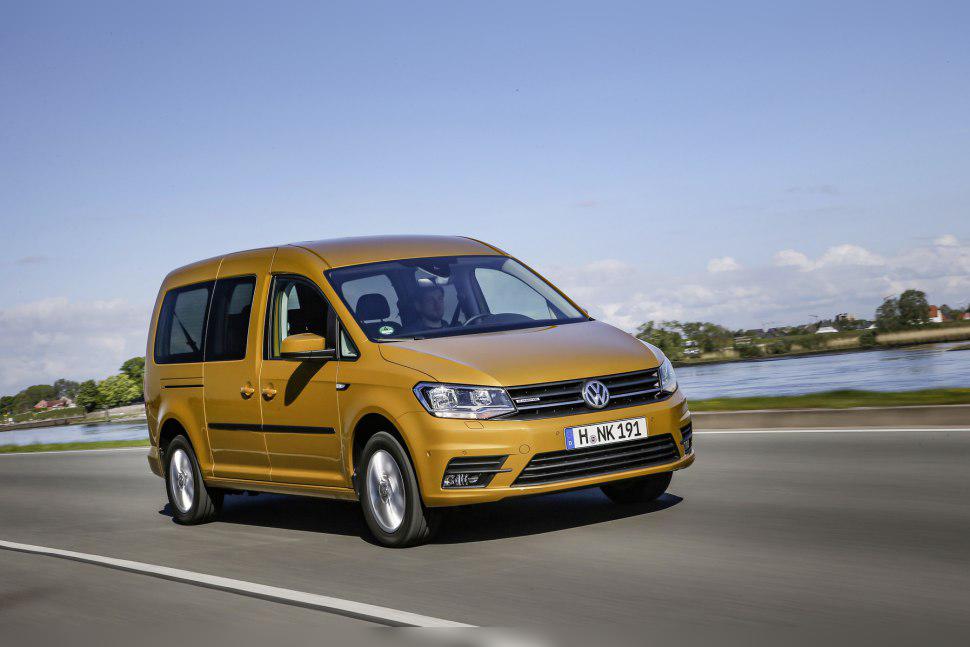
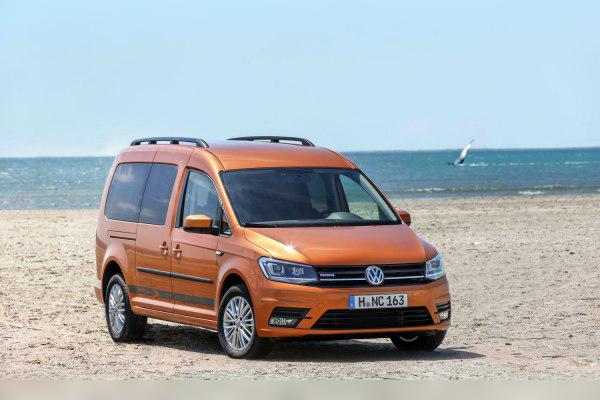
2.0 TDI (EA288) 102 HP in the VW Caddy – Experiences, problems, fuel consumption and buying used
Key points (TL;DR)
- Reliability: The EA288 is significantly more reliable than the older PD engines, but it has a complex emissions system. The engine’s core is very durable.
- Biggest downside: The water pump system (variable) which can seize and cause overheating, as well as the AdBlue system (heaters and injectors).
- Performance: The 102 HP version is a “workhorse” tune. It’s not a racer, especially in the Caddy Maxi under load. It’s software‑detuned, so it has good potential for remapping.
- Gearbox: The 5‑speed manual really needs a 6th gear on the motorway. The DSG is excellent but requires regular oil changes.
- Maintenance: Not cheap if the DPF/EGR/AdBlue system fails, but regular servicing is within the usual VW Group average.
- Recommendation: An ideal engine for those who need a reliable delivery or family vehicle and don’t plan on frequent overtakes on short stretches.
Contents
- Introduction and Models
- Technical Specifications
- Reliability and Maintenance
- Specific Components and Emissions (DPF, AdBlue)
- Fuel Consumption and Performance
- Additional Options and Modifications
- Gearbox (Manual and DSG)
- Buying Used and Conclusion
Introduction and Models
The engine we’re talking about today belongs to the EA288 family, which forms the “backbone” of Volkswagen’s diesel lineup in the Euro 6 era. Specifically, the 102 HP variants (codes CUUD, DFSD) are calibrated for commercial use and longevity rather than performance. They are primarily installed in the Volkswagen Caddy IV and its extended version, the Caddy Maxi IV.
This engine replaced the former 1.6 TDI in many applications. Increasing the displacement to 2.0 litres while keeping the power relatively low made the engine less stressed, which in theory guarantees a higher mileage before a major overhaul is needed.
Technical Specifications
| Displacement | 1968 cc (2.0 L) |
| Power | 75 kW (102 HP) at 2900–4000 rpm |
| Torque | 250 Nm at 1300–2800 rpm |
| Engine codes | CUUD, DFSD (EA288 series) |
| Injection type | Common Rail (Bosch) |
| Charging | Turbocharger (VGT) + intercooler |
| Camshaft drive | Timing belt |
Reliability and Maintenance
Timing belt or chain?
This engine uses a timing belt to drive the camshafts. That’s good news, as chains on older VW engines proved problematic. The belt also drives the high‑pressure fuel pump, as well as the water pump.
Most common failures
Although the engine block itself is robust, the peripherals can cause issues:
- Water pump: This is the best‑known “weak point” of EA288 engines. The pump has a variable sleeve that is electronically controlled to help the engine warm up faster. That sleeve often seizes in the closed position, which leads to overheating even at low mileage (sometimes before 60,000 km). The symptom is a sudden spike in coolant temperature.
- Oil leaks: Often occur at the crankshaft seal or the valve cover.
- Glow plug electronics: Pressure sensors integrated into the cylinder glow plugs can fail, and they are not cheap to replace.
Major service
The factory interval for timing belt replacement is often an optimistic 210,000 km. However, given the water pump issue and real‑world driving conditions, experienced mechanics and service practice suggest doing the full major service (belt kit + water pump) at 150,000–160,000 km or every 5 years. The risk of belt failure is too high to wait for the factory 200k+ interval.
Oil: quantity, grade and consumption
The engine takes approximately 5.5 to 5.7 litres of oil (depending on whether the filter is changed, which is mandatory). The recommended grades are 5W‑30 or 0W‑30, but the crucial point is that the oil must meet the VW 507.00 specification because of the DPF.
As for oil consumption, the EA288 is much better than its predecessors. Consumption of up to 0.5 litres per 10,000 km is considered completely normal. If it uses more than 1 litre between services, that may indicate issues with piston rings or the turbo, but that’s not a systemic flaw of this engine, rather a consequence of how it has been used.
Injector longevity
The injectors are Bosch Common Rail, mostly of the solenoid type at this power level (more reliable than the piezo injectors on older models). They are very durable and, with good‑quality fuel, can easily last 250,000–300,000 km. Symptoms of worn injectors include rough idle, increased smoke when accelerating, and hard starting.
Specific Components (Costs)
Dual‑mass flywheel
Yes, this engine in the Caddy does have a dual‑mass flywheel. Even though it only has 102 HP, the high torque and the need for comfort (especially with the start‑stop system) require a dual‑mass flywheel. On DSG models it differs from the manual version. Service life depends on driving style – city driving wears it out faster, so expect replacement at around 150,000–200,000 km. The cost of replacement together with the clutch kit falls into the “expensive” category (varies by market).
Turbocharger
The engine uses a single turbocharger with variable geometry (VGT). Turbo lag is minimal. Service life is long, often over 250,000 km with regular oil changes. Its main enemies are shutting the engine off when it’s very hot right after motorway driving, and infrequent oil changes.
DPF and EGR
Like any modern Euro 6 diesel, it has both a DPF (diesel particulate filter) and an EGR valve.
Symptoms: The Caddy is often used in city “stop‑and‑go” traffic, which is deadly for the DPF. If it’s not regularly driven on open roads to allow regeneration, the DPF clogs up. The EGR valve (integrated with its cooler) tends to fail due to soot buildup. Cleaning is sometimes possible, but replacement is often required and not cheap.
AdBlue system
Yes, this engine has an AdBlue system (SCR catalyst). This is one of its weaker points. Typical problems include:
- Failure of the heater in the AdBlue tank.
- Urea crystallisation clogging the injector or pump.
- NOx sensors.
Maintenance means topping up with quality AdBlue. If the system fails, the car often goes into “safe mode” or refuses to start after a certain distance until the fault is fixed. Repairs are very expensive (often the entire tank with pump is replaced).
Fuel Consumption and Performance
Real‑world consumption
- City driving: Expect between 7.0 and 8.5 l/100 km. The Caddy is heavy and aerodynamically “boxy”, so it can’t be a fuel‑saving champion in town.
- Open road (single carriageway): This is where it’s most economical, with consumption dropping to 5.0–5.5 l/100 km.
Performance and “sluggishness”
With 102 HP and 250 Nm, this engine is no athlete. In an empty vehicle (short Caddy), performance is perfectly acceptable for the average driver. However, a loaded Caddy Maxi full of passengers and luggage will struggle. The engine feels “sluggish” when overtaking on country roads and requires planning ahead. In the city it’s agile thanks to the torque available at low revs.
Motorway and 130 km/h
This is where the lack of a 6th gear on manual gearboxes becomes apparent. At 130 km/h the engine revs relatively high (often close to 3000 rpm with the 5‑speed), which increases noise and fuel consumption (around 7–8 l/100 km). The 6‑speed DSG gearboxes have an advantage here, as they lower the revs and make the drive quieter.
Additional Options and Modifications
Chip tuning (Stage 1)
This engine is very suitable for remapping. The reason is simple: it is often hardware‑identical to more powerful versions (122 HP or even 150 HP in some variants), but is software‑limited (detuned).
Safe Stage 1: It can safely be taken to 140–150 HP and around 320–340 Nm. The difference in driving is dramatic – the car “comes alive”, fuel consumption often drops with normal driving, and overtaking becomes much safer. Always make sure the clutch is in good condition before remapping.
Gearbox
Types of gearboxes
- Manual: Most commonly a 5‑speed gearbox (MQ250 series). Robust and precise.
- Automatic: 6‑speed DSG (code DQ250). This is a gearbox with wet clutches.
Gearbox failures
Manual: Very reliable. Failures are rare and usually related to the clutch kit and flywheel, not the gearbox itself. The lack of a 6th gear is a comfort issue, not a reliability one.
DSG (DQ250): This is one of the best automatic gearboxes. However, it requires oil and filter changes every 60,000 km. If this is neglected, the mechatronics (the gearbox “brain”) or the clutch pack can fail. Mechatronics repair is very expensive. During a test drive, the DSG should shift seamlessly; any jerks when moving off or shifting are a red flag.
Buying Used and Conclusion
When buying a Caddy with this engine, pay attention to:
- Cold start: Listen for a metallic rattling noise with the clutch released that disappears when you press it – a sign of a worn flywheel.
- Coolant: Check the colour of the antifreeze. It must be clean (G13, purple). If it’s brown, the engine may have overheated or be mixing oil and coolant. Also check the coolant reservoir – if it says “Mit Silikat”, check whether the silica bag has burst (a common issue that clogs the small heater core).
- Diagnostics: Check the DPF status (ash load) and injector condition. Always check for fault codes related to the AdBlue system.
Conclusion: The 2.0 TDI with 102 HP in the Caddy is a rational choice. It offers much better longevity than the small 1.6 TDI because it’s not highly stressed. If you can live with somewhat weaker motorway performance and potential AdBlue‑related costs, this is a “workhorse” that can cover half a million kilometres with proper maintenance. For heavier loads and frequent open‑road driving, look for the 150 HP version or plan a quality Stage 1 remap.
Was this content useful to you?
Your opinion helps us to improve the quality of the content.