EA211 / DJKD Engine
- Engine
- 1395 cm3
- Aspiration
- Turbocharger, Intercooler
- Fuel
- Petrol (Gasoline)
- Fuel injection system
- Direct injection
- Power
- 131 hp
- Torque
- 220 Nm
- Cylinders
- 4
- Valves
- 16, 4 per cylinder
- Cylinders position
- Inline
- Valvetrain
- DOHC
- Oil capacity
- 4 l
- Systems
- Start & Stop System, Particulate filter
# Vehicles powered by this engine
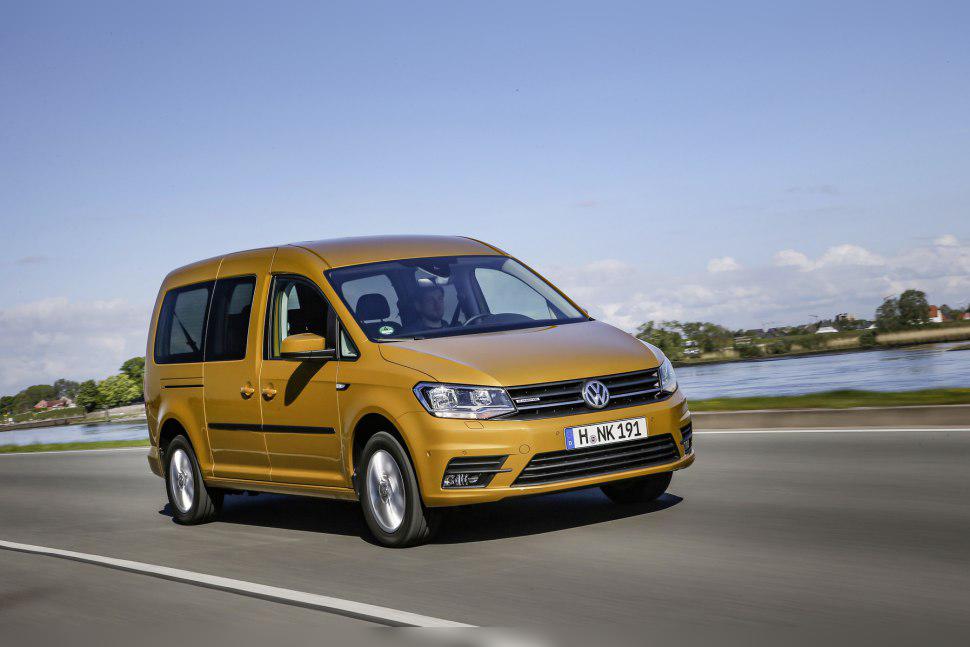
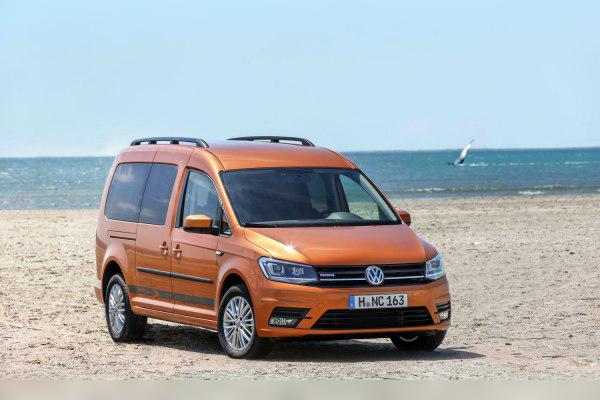
1.4 TSI (EA211 / DJKD) - Experiences, problems, fuel consumption and buying guide
Key points (TL;DR)
- Timing belt: Unlike the old TSI engines, this one uses a timing belt, which is significantly more reliable.
- Performance in the Caddy: Quite adequate for an unladen vehicle, but with a full load it needs more revs and patience.
- Oil consumption: Generally low, but with direct injection you should always keep an eye on the dipstick level.
- Complex cooling system: The thermostat module and water pump are one unit and are known to leak – pay attention to coolant level.
- GPF/OPF filter: Newer versions (from 2018/2019) have a gasoline particulate filter, which means an additional component in the exhaust.
- Gearbox: The DSG version (DQ200) requires caution when buying due to the “dry” clutches and sensitive mechatronics.
- Recommendation: An excellent alternative to diesel for city deliveries or family use on shorter routes where a diesel would struggle.
Contents
Introduction and engine application
The engine designated as EA211, more specifically with the engine code DJKD, represents a modern evolution of Volkswagen’s small-displacement turbo petrol engines. With its 131 hp (96 kW), this version is specifically calibrated to offer a balance between power and efficiency, primarily in vehicles such as the VW Caddy IV.
This engine is important because it represents a “civilized” alternative to the ubiquitous TDI diesels in the light commercial vehicle segment. It is intended for those who use the Caddy more as a passenger car in the city, or for companies that want to avoid diesel DPF filter issues in stop‑and‑go driving conditions.
Technical specifications
| Parameter | Data |
|---|---|
| Engine displacement | 1395 cc (1.4 litres) |
| Power | 96 kW (131 hp) |
| Torque | 220 Nm at 1500–3500 rpm |
| Engine code | DJKD (EA211 family) |
| Injection type | Direct injection (TSI) |
| Forced induction | Turbocharger + intercooler (water‑cooled) |
| Camshaft drive | Timing belt |
| Emission standard | Euro 6 (usually d‑TEMP or newer) |
Reliability and maintenance
Timing belt or chain?
This is the most important question for any VW Group enthusiast. Unlike the notorious EA111 series, which had problematic chains, this EA211 engine uses a timing belt. This is a huge step forward in reliability. The belt is reinforced and designed to last long, but in practice you should still be cautious.
Major service and intervals
The factory interval for checking or replacing the belt is often set optimistically (sometimes up to 210,000 km or 10 years). However, experienced mechanics recommend doing the major service between 160,000 km and 180,000 km, or every 6 to 8 years (whichever comes first). A snapped belt on this engine leads to catastrophic failure (pistons hitting valves).
Oil and consumption
This engine takes approximately 4.0 to 4.3 litres of engine oil (always check the exact amount at replacement). Fully synthetic oil of grade 5W‑30 or 0W‑20 is recommended (VW 504.00 / 508.00 specification). As for oil consumption, the EA211 is far better than its predecessor. Consumption of up to 0.5 litres per 10,000 km is considered perfectly acceptable. If it uses more than 0.5 litres per 1,000 km, that points to an issue with piston rings or valve stem seals, but this is rare at lower mileages.
Spark plugs and coils
Since this is a turbo petrol engine with direct injection, the ignition system is under higher stress. Spark plugs should be replaced every 60,000 km (recommendation: iridium). Do not wait for the engine to start “misfiring”. The coils are individual (one per cylinder) and can fail, but they are not the chronic problem they once were.
Most common failures
Besides regular maintenance, here is what can go wrong:
- Water pump/thermostat leaks: This is the most common issue. The thermostat housing and pump are integrated into a single plastic module. Over time it deforms and coolant starts leaking. Symptom: Coolant level drops without a visible puddle under the car (the fluid evaporates on the hot block).
- Carbon buildup: Due to direct injection, fuel does not wash over the intake valves. Over time, soot deposits build up on them, which can cause rough idle and loss of power. Cleaning is needed at higher mileages (e.g. over 150,000 km).
- Wastegate actuator: The rod that controls turbo pressure can seize or develop play, which can be heard as metallic rattling when you press the throttle, or it can trigger a dashboard warning (EPC light).
Specific parts (Costs)
Dual‑mass flywheel
Yes, this engine in the Caddy usually comes with a dual‑mass flywheel, especially in versions with a DSG gearbox or a 6‑speed manual, in order to dampen vibrations and protect the gearbox. Its lifespan is usually around 150,000–200,000 km, depending on driving style. Replacing the clutch kit together with the flywheel is expensive (it depends on the market, but expect a serious expense).
Injection system and turbo
The injection system is direct (TSI) with high pressure (up to 200 bar). The injectors are generally reliable but sensitive to poor fuel quality. Replacing injectors is a costly investment. The engine uses a single turbocharger. The turbo’s lifespan is usually equal to the engine’s lifespan with regular oil changes, but it is sensitive to shutting the engine off immediately after hard driving while it is still very hot.
Emissions equipment (DPF/GPF, EGR)
This model (DJKD 131 hp) is from a newer generation and almost certainly has a GPF (Gasoline Particulate Filter), which is the petrol equivalent of a diesel DPF. Although GPFs clog less than DPFs because petrol burns at a higher temperature, it is still an additional part that can increase exhaust system maintenance costs. There is an EGR valve and it is prone to fouling, but it can often be cleaned before replacement becomes necessary.
AdBlue
No, this engine does not use AdBlue. AdBlue is reserved exclusively for diesel engines (TDI) to reduce NOx emissions. Petrol engines solve this with different types of catalytic converters.
Fuel consumption and performance
Real‑world fuel consumption
The Caddy is a tall and heavy vehicle with a boxy shape (poor aerodynamics). Do not expect miracles.
- City driving: Expect between 8.5 and 10.5 l/100 km. In heavy traffic and winter conditions, this easily goes above 11 litres.
- Country roads: This is where it is most economical, it can go down to about 6.0–7.0 l/100 km.
- Motorway (130 km/h): Due to air resistance, consumption rises to around 7.5–9.0 l/100 km.
Performance: Is it “sluggish”?
With 220 Nm of torque available from just 1500 rpm, the engine feels lively in city driving and is perfectly adequate for an unladen Caddy. However, when a Caddy Maxi is loaded with passengers and luggage, the lack of displacement becomes noticeable. You have to rev it higher when overtaking, and that is where fuel consumption jumps. It is not overly sluggish, but it is not a sports car either.
On the motorway at 130 km/h the engine spins at about 2800–3200 rpm (depending on whether it is the 6‑speed manual or 7‑speed DSG), which is acceptable for your ears, but wind noise in the Caddy will dominate anyway.
Additional options and modifications
LPG conversion
Since this is an engine with direct injection, LPG conversion is complicated and expensive. It requires a “direct injection” system that either uses liquid gas through the petrol injectors, or (more commonly and more cheaply) runs on a mixture of gas and 10–15% petrol to cool the petrol injectors. The cost‑effectiveness of such a conversion is questionable unless you cover very high mileages (over 30,000 km per year).
Remapping (Stage 1)
The engine can be remapped. A safe Stage 1 tune raises power to about 150–160 hp and torque to about 280–300 Nm.
WARNING FOR DSG: If you have the DSG gearbox (DQ200), it is factory‑rated for 250 Nm. Aggressive remapping can drastically shorten the gearbox’s lifespan or require a gearbox remap as well (TCU tune), which adds further cost.
Gearbox
Gearbox options
With this engine in the Caddy IV you get:
- Manual gearbox (6‑speed): Precise, robust.
- Automatic gearbox (7‑speed DSG, DQ200 model): Dual‑clutch gearbox.
Gearbox issues
Manual: Rarely causes problems. The biggest expense is replacing the clutch kit and dual‑mass flywheel.
DSG (DQ200): This is a gearbox with “dry” clutches. It is known for disliking stop‑and‑go city driving. The most common failures are:
1. Clutch wear: Manifests as shuddering when moving off or when shifting from 1st to 2nd gear.
2. Mechatronics: The “brain” of the gearbox can fail, leaving the car immobile. Repairs are very expensive.
Gearbox servicing
On the manual gearbox, the oil is changed preventively at around 100,000 km. On the DQ200 DSG, VW often claims it is “sealed for life” (no maintenance), but independent specialists strongly recommend changing the oil in the mechatronics and gear sets every 60,000 km to extend its lifespan.
Buying used and conclusion
What to check before buying?
- Cold start: Listen to the engine at first start. Any rattling that lasts longer than 2–3 seconds may indicate an issue with the cam phaser or hydraulic lifters.
- Signs of leaks: Look around the thermostat housing (on the right side of the engine when viewed from the front). Pink crusty residue is a sign of coolant leakage.
- DSG test: If it is an automatic, release the brake on a slight incline. The car should move off smoothly, without jerks. Any hesitation or thump is a sign of worn clutches.
- Diagnostics: Check for “misfire” codes, which may indicate carbon buildup on the valves.
Conclusion
The VW 1.4 TSI (131 hp) in the Caddy is an excellent choice for those who want to avoid diesel. It is quieter, warms up faster in winter, and does not have a DPF filter that clogs in city driving (although it does have a GPF, which is less problematic). Maintenance is cheaper than on a diesel as long as the turbo and injectors are in good condition.
However, if you plan to use the Caddy for towing heavy trailers or for constant fully‑loaded motorway driving, the 2.0 TDI is still the undisputed king. For everything else, the 1.4 TSI is a modern and smart purchase.
Was this content useful to you?
Your opinion helps us to improve the quality of the content.