CUUB, DFSB Engine
- Engine
- 1968 cm3
- Aspiration
- Turbocharger, Intercooler
- Fuel
- Diesel
- Fuel injection system
- Diesel Commonrail
- Power
- 150 hp
- Torque
- 340 Nm
- Cylinders
- 4
- Valves
- 16, 4 per cylinder
- Cylinders position
- Inline
- Oil capacity
- 4.6 l
- Systems
- Particulate filter
# Vehicles powered by this engine
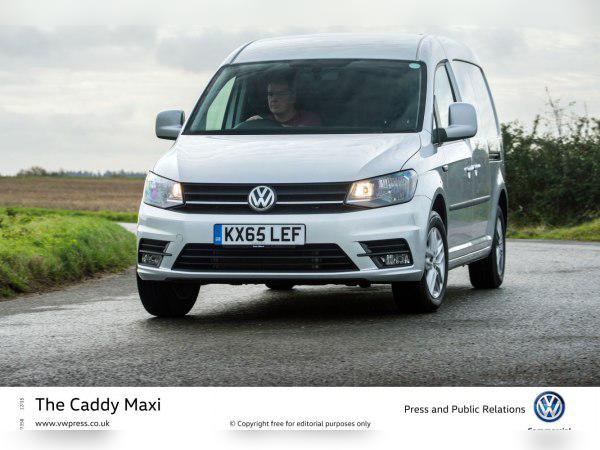
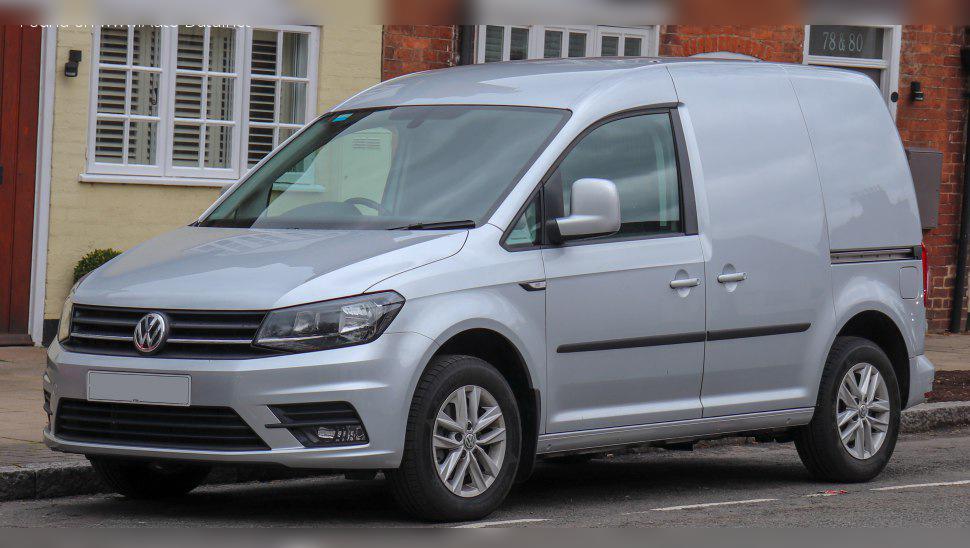
VW 2.0 TDI (CUUB, DFSB) in Caddy IV: Experiences, problems, fuel consumption and used car buying guide
When we talk about the fourth generation Volkswagen Caddy (Caddy IV), most people immediately think of an indestructible workhorse. However, when there is a 2.0 TDI engine with 150 hp (codes CUUB or DFSB) under the hood, this “work van” turns into a serious machine that doesn’t shy away from much more expensive sedans on the motorway. This is the top engine option for the Caddy IV and the unit that drastically changes the character of the vehicle compared to the weaker 1.6 TDI or 2.0 TDI versions with 75 or 102 hp.
As someone who has spent years under the hood and behind the wheel of such vehicles, I can tell you this is an EA288 series engine – a modern Euro 6 diesel that brings great performance, but also complex exhaust aftertreatment systems that can hit your wallet hard.
Key points (TL;DR)
- Performance: With 150 hp and 340 Nm, this is the best engine for the Caddy, especially if you often carry loads or drive the Caddy Maxi version. It’s anything but sluggish.
- Timing drive: Uses a timing belt. The water pump is a weak point and should be replaced regularly.
- AdBlue system: All models with this engine have AdBlue. The heater and pump system in the tank is a common and expensive failure.
- Gearbox: Comes with a 6-speed manual or 6-speed DSG (DQ250) gearbox. Both are reliable with regular maintenance.
- Dual-mass flywheel: Mandatory at this power level. Replacement is a significant expense.
- Recommendation: Ideal for highway use and tougher working conditions. For short city trips (door to door), the DPF and EGR will quickly start causing problems.
Contents
- Technical Specifications
- Reliability and Maintenance
- Specific Parts and Costs
- Fuel Consumption and Performance
- Gearbox (Manual and DSG)
- Additional Options and Modifications
- Buying Used and Conclusion
Technical Specifications
| Engine displacement | 1968 cc (2.0 l) |
| Power | 110 kW (150 hp) |
| Torque | 340 Nm at 1750–3000 rpm |
| Engine codes | CUUB, DFSB (EA288 series) |
| Fuel type | Diesel (Euro 6) |
| Charging | Turbocharger (VGT) with intercooler |
| Injection | Common Rail (piezo injectors) |
Reliability and Maintenance
This 2.0 TDI (EA288) replaced the old guard and brought smoother operation and better performance, but also more complexity. Here’s what you need to know about maintenance.
Does this engine have a timing belt or a chain?
The engine uses a timing belt. This is good news because modern belts are quieter and cheaper to replace than chains, which caused problems on older BMW or some VW engines. However, the timing system also drives the water pump, which is a critical component.
What are the most common failures on this engine?
Although mechanically (pistons, crankshaft) it is very durable, the peripherals cause headaches:
- Water pump: These engines have a variable water pump with electronic flaps that regulate flow for faster warm-up. These flaps often get stuck, which leads to engine overheating. The symptom is the temperature jumping above 90°C and then suddenly dropping back down.
- Oil leaks: Often occur at the crankshaft seal or the valve cover.
- Exhaust gas temperature sensors: They often fail, which turns on the “Check Engine” light and can prevent DPF regeneration.
At what mileage should the major service (timing belt) be done?
The factory recommendation is often an optimistic 210,000 km. As an experienced editor, I advise you to ignore that. Do the major service at a maximum of 150,000 to 160,000 km or every 5 to 7 years. The risk of water pump failure (mentioned above) is too high to wait for the factory limit.
How many liters of oil does this engine take and which grade is recommended?
The engine takes approximately 5.5 to 5.7 liters of oil. You should only use 5W-30 or 0W-30 oil that meets the strict VW 507.00 specification. Do not experiment with other oils because of the DPF filter.
Does it consume oil between services?
EA288 engines are much better in this regard than the older PD (Pumpe-Düse) engines. Consumption of 0.5 to 1 liter per 10,000 km is considered completely normal, especially if driven aggressively or under full load. If it consumes more than that, check the turbocharger or piston rings.
How long do the injectors last and how reliable are they?
This engine uses Bosch piezo or solenoid Common Rail injectors. They are generally reliable and can easily exceed 250,000 km without issues, provided you use quality fuel. Symptoms of bad injectors are rough idle (“hunting”), smoke under acceleration, or hard starting. Refurbishment is possible, but the price of new ones is still high (very expensive, depends on the market).
Specific Parts (Costs)
Does the engine have a dual-mass flywheel?
Yes, absolutely. With 340 Nm of torque, a dual-mass flywheel is necessary to protect the transmission and reduce vibrations. This is a wear item. Symptoms of failure are a metallic knocking noise when switching off the engine or vibrations in the clutch pedal. The cost of replacing the clutch kit with the flywheel is high (expensive, depends on the market).
Does the engine have a turbocharger and what is its lifespan?
It has a single turbocharger with variable geometry (VGT). The turbo is generally durable. The most common problem is not the turbo disintegrating, but soot buildup on the variable vane mechanism from city driving, which leads to limp mode (loss of power). With regular oil changes and occasional “blowout” runs on the motorway, the turbo lasts as long as the engine.
Does this model have a DPF filter or an EGR valve that often clogs?
It has both. The EGR valve on EA288 engines is integrated into a complex cooling module. Clogging is common if the Caddy is used as a city delivery vehicle (stop-and-go driving). Replacing the EGR is complicated and expensive because it is hard to access. The DPF filter is durable, but it requires regular regenerations on open roads.
Does this engine have AdBlue, does it cause problems and how is it maintained?
Yes, CUUB and DFSB are Euro 6 engines and use an AdBlue system (SCR catalyst). This is one of the weakest points. The AdBlue fluid heater or the pump in the tank often fails. The symptom is a message on the dashboard counting down the kilometers until the engine is blocked from starting (“No start in 1000 km”). Repair often requires replacing the complete tank module, which is very expensive (depends on the market, but expect at least a few hundred euros).
Fuel Consumption and Performance
What is the real fuel consumption in city driving?
Don’t believe the factory fairy tales. The Caddy is boxy and heavy (especially the Maxi version). In real city driving, with this engine you can expect between 7.5 and 9.0 liters/100 km, depending on traffic and how heavy your right foot is. In winter it can go up to 10 liters.
Is this engine “lazy” for the weight of the body?
Not at all. This is the most powerful diesel offered in the Caddy IV. The engine is bursting with power for such a vehicle. Even when loaded with 500–600 kg of cargo or full of passengers, overtaking is safe and quick. The driving feel is more like a powerful Golf than a van.
How does the engine behave on the motorway and at what rpm does it cruise at 130 km/h?
This is the natural habitat of this engine. At 130 km/h in sixth gear (manual or DSG), the engine spins at around 2,100 to 2,200 rpm. That means a quiet cabin and economical driving. Fuel consumption on the motorway is around 6.0 to 7.0 liters, which is excellent considering the “brick” aerodynamics.
Additional Options and Modifications
How much can this engine be safely “chipped” (Stage 1)?
This 2.0 TDI is very tuning-friendly. A “software tune” (Stage 1) can safely raise the power to 185 to 190 hp and torque to around 400–420 Nm.
Warning: On DSG gearboxes, it is mandatory to do a gearbox remap as well, so that the clutch oil pressure can cope with the increased torque. Also, frequent full-throttle driving with a tune will clog the DPF faster.
Gearbox
Which gearboxes are fitted with this engine?
There are two options with this engine:
- 6-speed manual gearbox: Precise, robust.
- 6-speed DSG (DQ250): Dual-clutch automatic gearbox. This is the version with “wet” clutches (clutches run in oil).
What are the most common failures and what about maintenance?
Manual: Very reliable. The only major cost is the clutch kit and flywheel. It is advisable to change the gearbox oil at 150,000 km, even though VW says it is “lifetime”.
DSG (DQ250): This is one of the best DSG gearboxes. However, it requires oil and filter changes every 60,000 km – MANDATORY. If this is not done, the mechatronic unit (the gearbox brain) fails, and repair costs a small fortune (very expensive). Failures manifest as jolts when shifting from P to D or hesitation when setting off.
Buying Used and Conclusion
Before buying a Caddy with this engine, pay attention to the following:
- Cold start: Listen for metallic rattling (flywheel) while the engine is idling.
- Coolant: Check the expansion tank. If the level is low or there are traces of leaks around the engine, the water pump is probably due for replacement.
- DSG test: The gearbox should engage immediately when you release the brake, without jerking. An uphill slope is the best test.
- Diagnostics: Check the DPF filter status (ash loading) and whether there are any AdBlue-related fault codes.
Conclusion:
In my opinion, the VW Caddy 2.0 TDI (150 hp) is the best version of this model. It offers an excellent balance between a workhorse and a family car. Although maintenance is more expensive than on the simpler 1.6 TDI models (because of the AdBlue system, more expensive tires, flywheel), the difference in driving is huge. This engine is intended for those who cover a lot of kilometers on open roads or carry heavy loads. If you only need the car for city deliveries, this engine will “choke up” and rack up costs on the DPF and EGR.
Was this content useful to you?
Your opinion helps us to improve the quality of the content.