CUUD, DFSD Engine
- Engine
- 1968 cm3
- Aspiration
- Turbocharger, Intercooler
- Fuel
- Diesel
- Fuel injection system
- Diesel Commonrail
- Power
- 102 hp
- Torque
- 250 Nm
- Cylinders
- 4
- Valves
- 16, 4 per cylinder
- Cylinders position
- Inline
- Oil capacity
- 4.6 l
- Systems
- Particulate filter
# Vehicles powered by this engine
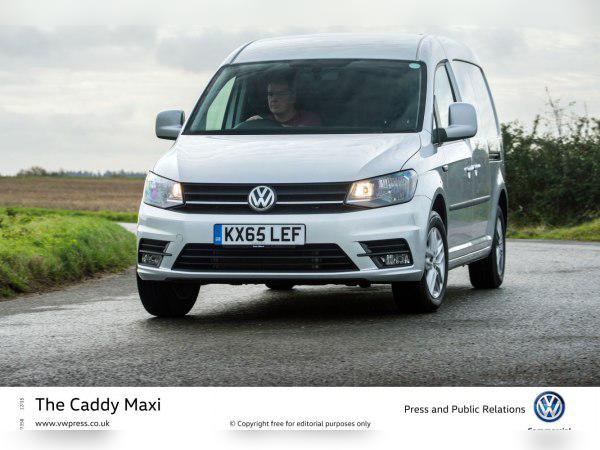
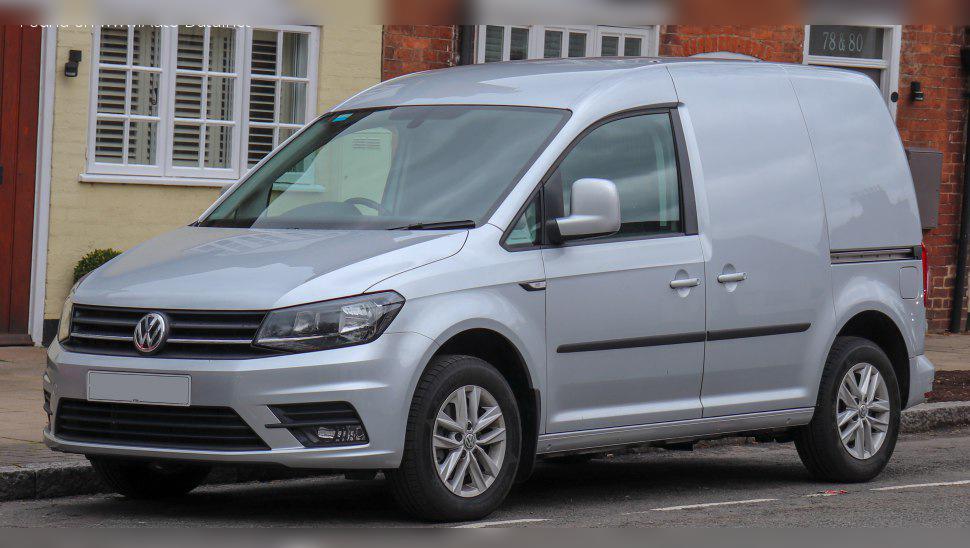
VW 2.0 TDI (CUUD, DFSD) – Experiences, problems, fuel consumption and buying tips
Key points (TL;DR)
- Reliability: This is a detuned version of the 2.0 TDI engine, which means it is mechanically very unstressed and long-lasting.
- AdBlue system: The Achilles' heel of this model. Failures of the AdBlue tank heater, pump or urea injector are common.
- Water pump: A known issue on the EA288 engine generation. It can start leaking or seize before the scheduled timing belt service interval.
- Performance: With 102 hp, this is a workhorse. In the Caddy Maxi variant under load, the engine struggles during overtaking.
- Chip tuning potential: Huge. Since it is hardware-wise similar to more powerful versions, it can easily be raised to 140+ hp.
- Gearbox: The 5-speed manual gearbox is virtually indestructible, while the DSG requires regular oil changes every 60,000 km.
Contents
- Introduction: The workhorse of modern logistics
- Technical specifications
- Reliability and maintenance
- Specific components (Costs and failures)
- Fuel consumption and performance
- Additional options and modifications
- Gearbox: Manual vs DSG
- Buying used and conclusion
Introduction: The workhorse of modern logistics
The engine we are talking about today, with the codes CUUD and DFSD, is the entry point into the world of 2.0-liter diesels in light commercial vehicles, specifically in the VW Caddy IV generation. Until recently, this power output (102 hp) was reserved for 1.6 TDI engines. However, Volkswagen made an excellent move by installing the 2.0 TDI block.
Why does this matter? Because you get the displacement and durability of a 2.0-liter engine, but with power tailored for fleet sales and lower insurance costs. This engine is intended for couriers, tradespeople and families who use the Caddy as a multi-purpose vehicle. Still, the Euro 6 standard brings complex exhaust after-treatment systems that require attention.
Technical specifications
| Specification | Value |
|---|---|
| Engine displacement | 1968 cc (2.0 L) |
| Power | 75 kW (102 hp) |
| Torque | 250 Nm at 1300–2800 rpm |
| Engine codes | CUUD, DFSD (EA288 family) |
| Injection type | Common Rail (Direct injection) |
| Charging | Turbocharger with variable geometry (VGT) + intercooler |
| Emission standard | Euro 6 (with AdBlue system) |
Reliability and maintenance
Timing belt or chain?
The CUUD and DFSD engines use a timing belt to drive the camshafts. This is standard for VW TDI engines of this generation (EA288). The oil pump is usually driven by a separate belt in the sump (“wet belt”), which also needs attention at higher mileages.
Timing service and common failures
The factory recommendation for timing belt replacement is often optimistic and states 210,000 km. However, real-world experience and mechanics say otherwise. The timing service is recommended between 160,000 km and 180,000 km or every 5 to 7 years, whichever comes first.
The most common issue related to the timing system is not the belt itself, but the water pump. On these engines, the pump has a variable ring (to help the engine warm up faster). That ring can seize, which leads to engine overheating, or the pump simply starts leaking well before the replacement interval. Symptoms are loss of coolant or a sudden rise in temperature on the instrument cluster.
Oil: Capacity and consumption
The engine takes approximately 4.6 to 5.5 liters of oil (depending on whether the filter is changed and how much old oil is drained). You must use 5W-30 oil with the VW 507.00 specification. This spec is critical because of the DPF; using the wrong oil will permanently damage the DPF.
As for oil consumption, these engines are significantly better than the older PD (Pumpe-Düse) generations. Consumption of up to 0.5 liters per 10,000 km is considered perfectly normal. If the engine uses a liter every 2–3 thousand kilometers, that points to a problem with piston rings or the turbo, although this is rare at lower mileages.
Injectors
These engines use a Common Rail system. The injectors are generally very reliable and can easily exceed 250,000 km without issues, provided quality fuel is used. Symptoms of bad injectors include rough idle (fluctuating rpm), smoke on cold start or hard starting. Rebuilding is possible, but new injectors are still expensive (depends on the market).
Specific components (Costs)
Dual-mass flywheel
Yes, this engine has a dual-mass flywheel, regardless of whether it is paired with a manual or DSG gearbox. Although the engine has only 102 hp, the 250 Nm of torque requires a dual-mass flywheel for comfort. Failure symptoms are metallic knocking when switching the engine off, vibrations in the clutch pedal or jerking when taking off. Replacing the clutch kit together with the flywheel is a costly job (depends on the market).
Turbocharger
The engine uses a single turbocharger with variable geometry. Since the engine is “software-limited” to 102 hp, the turbo operates in a very relaxed regime and rarely fails before 250,000–300,000 km, unless the engine is switched off hot right after fast driving or poor-quality oil is used.
DPF, EGR and AdBlue (The biggest headache)
As a Euro 6 engine, this model has the full eco arsenal: DPF filter, EGR valve and AdBlue (SCR) system.
- EGR valve: Prone to clogging with soot, especially if the Caddy is driven exclusively in the city (delivery use). Symptoms are loss of power and the “Check Engine” light.
- AdBlue system: This is the most common problem on the Caddy IV 2.0 TDI. Failures include a faulty heater in the AdBlue tank, pump failure or urea crystallization on the injector. Repairs are very expensive (often requiring replacement of the entire tank with pump and electronics). Maintenance means topping up quality AdBlue and occasionally using additives to prevent crystallization.
Fuel consumption and performance
Fuel consumption
The Caddy is not an aerodynamic car but rather a “box on wheels”, which affects fuel consumption.
- City driving: Expect between 7.0 and 8.5 l/100 km. If it is a Caddy Maxi and loaded, this can go up to 9–10 liters in stop-and-go traffic.
- Country roads: This is where it is most economical, around 5.0–5.5 l/100 km.
- Motorway (130 km/h): Due to air resistance, consumption rises to about 6.5–7.5 l/100 km.
Is the engine “sluggish”?
For an empty Caddy Panel Van, the engine is perfectly adequate and feels lively thanks to the 250 Nm of torque available from just 1300 rpm. However, for a Caddy Maxi loaded with 500+ kg of cargo or 7 passengers, the engine becomes “sluggish”. Overtaking on country roads requires planning and dropping to a lower gear. It is not dangerously slow, but don’t expect miracles.
Behaviour on the motorway
At 130 km/h the engine is relatively quiet, but the rpm depends on the gearbox. With the 5-speed manual, the engine runs at somewhat higher revs (around 2600–2800 rpm), which increases noise and fuel consumption. Versions with the 6-speed DSG are more comfortable for cruising.
Additional options and modifications
Chip tuning (Stage 1)
This is probably the best candidate for chip tuning in the VW range. Why? Because the engine hardware (block, pistons, often the turbo) is identical or very similar to the 150 hp versions. The factory has only limited it to 102 hp via software.
A safe Stage 1 remap can raise power to 140–150 hp and torque to 320–340 Nm. The difference in driving is dramatic – the car “comes alive”, and fuel consumption often drops in normal driving because the engine carries the body more easily. Still, keep in mind that the higher torque wears out the clutch and dual-mass flywheel faster.
Gearbox: Manual and automatic
Gearbox options
- Manual: Most commonly comes with a 5-speed gearbox. A 6-speed is very rare with this power output.
- Automatic (DSG): Usually the DQ250 (6-speed, wet clutch), although a 7-speed can be found on newer model years.
Failures and maintenance
Manual gearbox: Extremely robust. Failures are rare and mostly limited to worn synchros at very high mileage (grinding when shifting). The oil in the manual gearbox is not officially scheduled for replacement (“fill for life”), but it is strongly recommended to change it every 150,000 km.
DSG gearbox: Here, maintenance is crucial. The oil and filter in the DSG must be changed every 60,000 km. If this is neglected, the mechatronics (the gearbox brain) fails, and repairs are very expensive (depends on the market). A healthy DSG shifts gears seamlessly. If the gearbox “bangs” when taking off or shifting, or hesitates when engaging “R”, this is a sign of a serious problem or worn clutches.
Replacing the clutch pack on a DSG is significantly more expensive than on a manual.
Buying used and conclusion
What to check before buying?
- Cold start: Listen to the engine when it is cold. Is there any metallic rattling (flywheel)? Does it emit white smoke (injectors/turbo)?
- Coolant: Check the coolant reservoir. If the level is low or there are traces of limescale around the water pump, that is a red flag. The coolant must be clean (G13, purple).
- AdBlue faults: Diagnostics are a must! Check whether any faults related to “Reductant heater” or “AdBlue pump” have been cleared. Sellers often just erase the fault codes before sale.
- DSG service history: If you are buying an automatic, ask for proof of gearbox oil changes every 60k km. Without that, the risk is too high.
Conclusion
The 2.0 TDI (CUUD, DFSD) engine in the VW Caddy is an excellent choice, probably better than the older 1.6 TDI due to its greater durability and lower stress. Its biggest enemies are not the mechanicals, but the AdBlue system and a clogged EGR from city driving.
It is intended for drivers who cover a lot of kilometers and want reliability. If you find it underpowered, a simple remap solves the problem. Maintenance is not cheap (especially the clutch kit and AdBlue components), but with regular servicing, this engine can cover 500,000+ km without being opened.
Was this content useful to you?
Your opinion helps us to improve the quality of the content.