CHZG Engine
- Engine
- 999 cm3
- Aspiration
- Turbocharger, Intercooler
- Fuel
- Petrol (Gasoline)
- Fuel injection system
- Direct injection
- Power
- 102 hp @ 5000 rpm
- Torque
- 175 Nm
- Cylinders
- 3
- Valves
- 12, 4 per cylinder
- Cylinders position
- Inline
- Oil capacity
- 4 l
# Vehicles powered by this engine
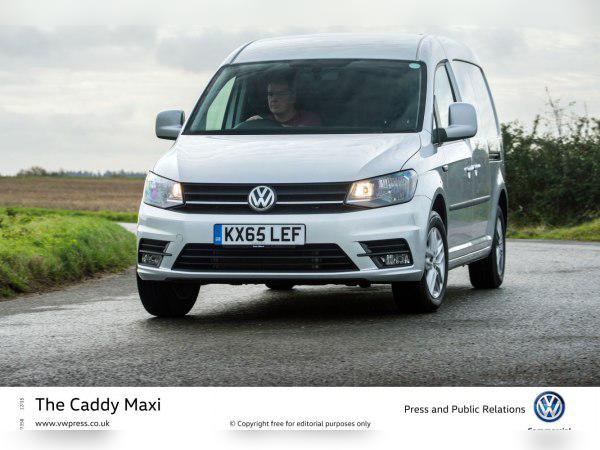
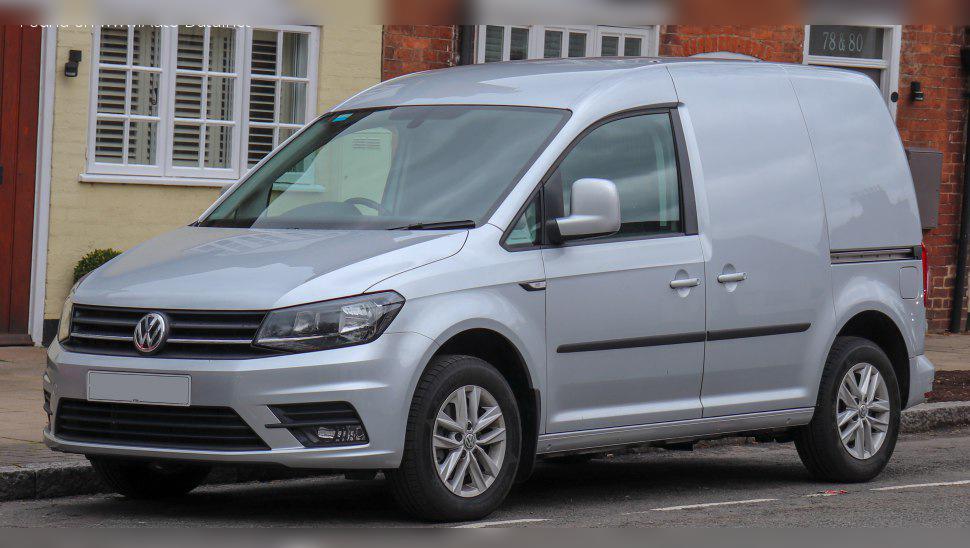
1.0 TSI (CHZG) Experiences, issues, fuel consumption and used-buying guide
Key points (TL;DR)
- More reliable than its predecessor: Belongs to the EA211 family which uses a timing belt instead of the problematic chain (EA111).
- Power vs. weight: 102 hp is the lower limit for the VW Caddy, especially for the Maxi version. Expect frequent gear changes.
- Water pump: The thermostat housing and water pump are the most common coolant leak points.
- Consumption under load: Although it’s a small engine, in the Caddy’s “boxy” body fuel consumption rises drastically on the motorway.
- Direct injection: Sensitive to poor fuel quality and more expensive to convert to LPG than classic naturally aspirated engines.
- GPF filter: Newer models (later Caddy IV model years) may have a GPF filter (equivalent to a DPF on diesels).
- Recommendation: Excellent for urban delivery work, a struggle for heavy loads on long journeys.
Contents
Introduction and application
The engine code CHZG is your entry ticket into the world of Volkswagen’s modern light commercial vehicles. It is a three‑cylinder turbo petrol engine from the EA211 family. Its role was to replace the older 1.2 TSI units, offering lower weight, less internal friction and, in theory, better efficiency.
Installing this small 999 cc engine in the VW Caddy IV and the even larger Caddy Maxi version caused a lot of scepticism among traditional buyers used to diesel engines. Although 102 hp looks decent on paper, physics takes over once you load 700 kg of cargo into the vehicle. This article will show you whether “downsizing” in a work van was a good idea or a source of headaches.
Technical specifications
| Parameter | Value |
|---|---|
| Engine code | CHZG |
| Displacement | 999 cc (1.0 L) |
| Configuration | Inline, 3 cylinders |
| Power | 75 kW (102 hp) at 5000–5500 rpm |
| Torque | 175 Nm at 1500–3500 rpm |
| Injection system | TSI (Turbo Stratified Injection) – Direct injection |
| Induction | Turbocharger + intercooler (water–air) |
| Valvetrain | 12 valves (4 per cylinder), DOHC |
Reliability and maintenance
Timing belt or chain?
Unlike the old first‑generation 1.2 and 1.4 TSI engines which suffered from timing chain stretch, the CHZG engine uses a timing belt. This is very good news. The system is robust and quieter. The factory replacement interval is optimistically set (some manuals even mention over 200,000 km with no time limit), but real‑world workshop experience calls for caution. A first inspection is recommended at 120,000 km or after 8–10 years, and replacement no later than between 150,000 and 180,000 km, depending on operating conditions.
Most common issues
Although the engine’s core mechanicals (“the heart”) are quite durable, the ancillaries can cause trouble:
- Coolant leaks: The water pump module and thermostat housing are made of plastic which cracks over time due to heat cycles. Symptoms include disappearing coolant and the smell of evaporated coolant under the bonnet.
- Intake valve carbon build‑up: As with any direct‑injection engine, the intake valves are not washed by fuel. Soot builds up over time, which can lead to rough running and power loss at higher mileages.
- Turbo actuator: The wastegate actuator rod can seize, which results in the “Check Engine” light and loss of power (limp mode).
- Vibrations: Being a three‑cylinder, the engine mounts are under higher stress. If you notice excessive vibrations in the cabin at idle, have the mounts checked.
Minor service and engine oil
This engine takes approximately 4.0 litres of engine oil (including the filter). The recommended viscosity is usually 5W‑30 (VW 504.00/507.00 standard) or the newer 0W‑20 (VW 508.00) for the latest models, but for a work vehicle like the Caddy, 5W‑30 is often a better choice due to a stronger oil film at high temperatures. The oil change interval should be shortened to 10,000–15,000 km or one year, especially as the Caddy is often driven under load.
Oil consumption
Oil consumption on a healthy CHZG engine should not be alarming. Consumption of up to 0.5 litres per 5,000 km is considered acceptable, especially if the vehicle spends a lot of time on the motorway at high revs. If it uses more than 0.5 L per 1,000 km, this points to an issue with the piston rings or turbocharger.
Spark plugs and injectors
As this is a petrol engine, spark plugs are crucial. They should be replaced every 60,000 km or 4 years. Use only iridium/platinum plugs recommended by the manufacturer (e.g. NGK or Bosch), as poor‑quality plugs can damage the ignition coils.
Specific parts (costs)
Flywheel
This is what worries drivers the most. On the 1.0 TSI 102 hp engine in the Caddy, the situation varies. Most models paired with the 5‑speed manual gearbox have a solid (single‑mass) flywheel, which significantly reduces maintenance costs. However, due to the need to dampen three‑cylinder vibrations, some versions (especially with the DSG gearbox) may have a dual‑mass flywheel. Always check by VIN before buying.
Fuel injection system
The engine uses high‑pressure piezoelectric injectors. They are precise but sensitive to poor fuel quality. A faulty injector manifests as misfiring, black smoke or stalling. Replacing a single injector is expensive (depending on the market, expect around 150–250 EUR per new genuine part).
Turbocharger
The CHZG has a small turbocharger with a water‑cooled intercooler (integrated into the intake manifold). Turbo lifespan is generally long, often exceeding 200,000 km with regular oil changes. The most sensitive component is the electronic actuator.
DPF, GPF and EGR
This petrol engine does not have a DPF (reserved for diesels), but models produced after 2018 (Euro 6d‑TEMP standards) are likely equipped with a GPF (Gasoline Particulate Filter). It rarely clogs because exhaust gas temperatures on petrol engines are higher than on diesels. EGR function is often handled via variable valve timing (internal recirculation), so a classic EGR valve that clogs with soot is not the main issue here.
AdBlue: This engine does not use an AdBlue system. That is reserved exclusively for diesel engines.
Fuel consumption and performance
City driving
Although the engine is small, the Caddy is heavy. Real‑world city consumption is between 7.5 and 9.0 l/100 km. If the vehicle is loaded or driven aggressively in stop‑and‑go traffic, consumption can easily exceed 10 litres. The start‑stop system helps, but many drivers switch it off.
Is the engine “sluggish”?
For an empty Caddy Panel Van, the engine is adequate for urban use – the turbo provides torque low down (from 1500 rpm), so it feels lively up to 60 km/h. However, for the Caddy Maxi or with a full load, the engine is objectively weak. It runs out of breath on inclines and overtakes require serious planning and dropping down a gear or two.
Motorway and cruising
This is not ideal territory for a 1.0 TSI in a van. Due to the “brick‑like” aerodynamics and only 5 gears (on the manual), at 130 km/h the engine spins at a fairly high 3000+ rpm. Cabin noise is noticeable and consumption at that speed rises to around 8.0–9.5 l/100 km. The most comfortable cruising speed is about 110 km/h.
Additional options and modifications
LPG conversion
Since this is a direct‑injection engine (injectors spray directly into the cylinder), a “standard” sequential LPG kit cannot be used. You need more expensive systems that either inject liquid gas (very expensive) or run on a petrol–LPG mix (e.g. 80% LPG, 20% petrol) to cool the petrol injectors. Installation costs significantly more (often over 800–1000 EUR, depending on the market), so the payback is questionable unless you cover very high mileages.
Chiptuning (Stage 1)
This engine responds very well to remapping. A safe “Stage 1” can raise power to around 125–130 hp and torque to 220–230 Nm. For the Caddy this is highly recommended, as the extra torque makes driving under load and overtaking much easier. Of course, only have this done by reputable tuners.
Gearbox
Manual gearbox
The CHZG is most commonly paired with a 5‑speed manual gearbox (MQ200 family). The gearbox is precise and light to operate.
Issues: It is very reliable, but the bearings can wear out at high mileages (a “whining” noise). An oil change in the gearbox is recommended every 60,000–80,000 km, even though the manufacturer calls it “lifetime”.
Automatic gearbox (DSG)
The option is a 7‑speed DSG (DQ200) with dry clutches.
Issues: This is the “weak spot”. In a heavy vehicle like the Caddy, the clutch packs wear faster and the mechatronics unit is sensitive to overheating in city traffic.
Maintenance: The oil in the mechatronics and gearbox should be changed, but this is a specialised procedure. Mechatronics repairs are expensive.
Clutch replacement cost
A clutch kit for the manual gearbox is not excessively expensive (without the flywheel), whereas a clutch kit for the DSG is a much more costly investment and requires special tools for calibration.
Used‑car buying guide and conclusion
When buying a used Caddy with this engine, pay attention to the following:
- Cold start: Listen for any rattling (even though it has a belt, actuators can rattle) and check whether the engine runs smoothly immediately after starting.
- Coolant level: Check the expansion tank. If the level is below minimum or you see white stains around the engine, the water pump needs replacing.
- Service history: Check whether the oil was changed on time (max 15,000 km). Long‑life intervals of 30,000 km are deadly for these small turbo engines in delivery vehicles.
Conclusion: The VW Caddy 1.0 TSI (CHZG) is an excellent solution for companies dealing with light urban deliveries (flowers, medicines, post) within the city. Cheaper road tax and a more modern design are a plus. However, if you plan to haul heavy pallets, carry construction materials or spend hours on the motorway, the 2.0 TDI is still, without doubt, the better and more cost‑effective long‑term choice.
Was this content useful to you?
Your opinion helps us to improve the quality of the content.