CAYD Engine
- Engine
- 1598 cm3
- Aspiration
- Turbocharger, Intercooler
- Fuel
- Diesel
- Fuel injection system
- Diesel Commonrail
- Power
- 102 hp @ 4400 rpm
- Torque
- 250 Nm
- Cylinders
- 4
- Valves
- 16, 4 per cylinder
- Cylinders position
- Inline
- Valvetrain
- DOHC
- Oil capacity
- 4.3 l
- Systems
- Particulate filter
# Vehicles powered by this engine
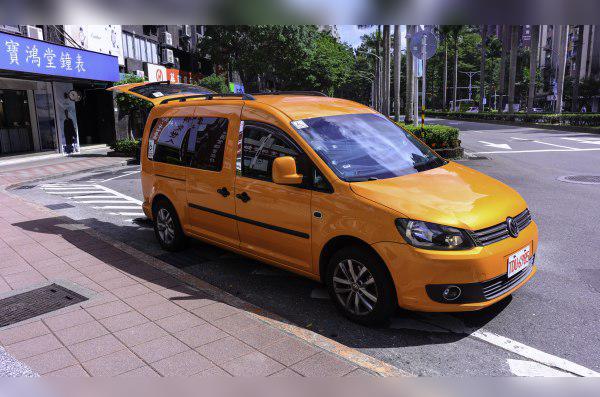
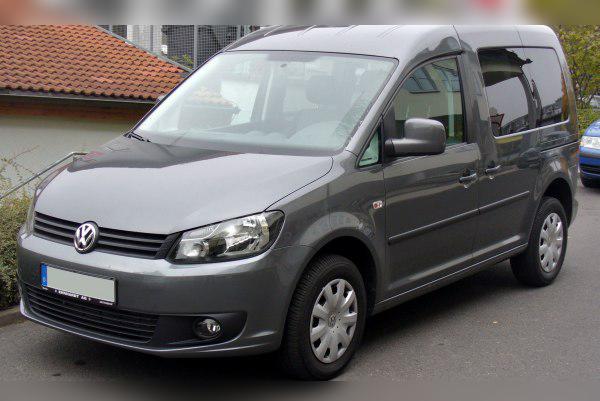
1.6 TDI CAYD (102 HP) – Experiences, problems, fuel consumption and buying used
Key points (TL;DR)
- Successor to a legend: This engine replaced the famous 1.9 TDI. It’s quieter and more refined, but mechanically more complex.
- Injectors: Siemens (Continental) piezo injectors are the weakest point. They are sensitive to poor-quality fuel and their electronics often fail.
- EGR valve: A very common issue. The EGR cooler tends to leak or the valve gets stuck due to soot buildup, and repairs are expensive.
- Water pump: Original pumps had issues with leaking and seizing before the scheduled timing belt service interval.
- Gearboxes: The 5-speed manual is “indestructible”, while the 7-speed DSG (dry clutch) requires caution, especially in the heavy Caddy.
- Fuel consumption: Extremely economical if the injection system is in good condition.
- Recommendation: An excellent workhorse if regularly maintained and if you budget for potential injector/EGR replacement.
Contents
- Technical specifications
- Reliability and maintenance
- Specific parts and costs
- Fuel consumption and performance
- Additional options and modifications
- Gearbox (manual and DSG)
- Buying used and conclusion
The engine with the code CAYD belongs to the EA189 family of engines and represents the “sweet spot” in the engine range of the third-generation Volkswagen Caddy (facelift from 2010). With its 102 HP, it’s not the most powerful unit (there’s also a 2.0 TDI), but it’s far more capable than the weaker 75 HP version. This is the engine that powers thousands of delivery vehicles, taxis and family MPVs around the world. Although it offers an excellent balance of power and fuel economy, it comes with certain typical “modern diesel” issues that owners need to be aware of.
Technical specifications
| Specification | Value |
|---|---|
| Engine displacement | 1598 cc (1.6 litres) |
| Power | 75 kW / 102 HP |
| Torque | 250 Nm at 1500–2500 rpm |
| Engine code | CAYD |
| Injection type | Common Rail (Siemens/Continental Piezo) |
| Charging | Variable geometry turbocharger (VGT) + intercooler |
| Number of cylinders / valves | 4 / 16 (DOHC) |
| Emission standard | Euro 5 |
Reliability and maintenance
Timing belt or chain?
The 1.6 TDI CAYD engine uses a timing belt to drive the camshafts. This is important to know because a snapped belt leads to catastrophic engine failure (pistons hitting valves). Although the manufacturer sometimes quotes optimistic intervals of 210,000 km, real-world experience has shown that this is too risky.
Most common failures
Besides the fuel system (more on that later), the biggest mechanical issue with this engine is the water pump. Factory pumps had plastic impellers that could separate from the shaft or seize, which leads to engine overheating or coolant leaks. Also, the oil cooler (heat exchanger) can fail, mixing oil and coolant, which drivers notice as “mayonnaise” in the coolant reservoir.
Major service (timing belt service)
Due to the above-mentioned issues with the water pump and rollers, experienced mechanics recommend doing the timing belt service at a maximum of 150,000 to 160,000 km or every 5 to 6 years, whichever comes first. During the major service, the timing kit, water pump and auxiliary belt with tensioners must all be replaced.
Oil: quantity, grade and consumption
The engine takes approximately 4.3 litres of engine oil. You must use oil that meets the VW 507.00 specification (Low SAPS), most commonly in 5W-30 grade. This is crucial because of the DPF filter.
As for oil consumption, a healthy CAYD engine should not consume a significant amount of oil. Consumption up to 0.5 litres per 10,000 km is acceptable, especially if the car is driven on the motorway under load. If the engine consumes more than 1 litre between services, this points to an issue with piston rings, the turbocharger or leaks at the oil seals.
Injector lifespan
This is the “Achilles’ heel” of the CAYD engine. It uses a Siemens (Continental) piezo system. Unlike the more robust Bosch solenoid injectors, these are extremely sensitive.
Symptoms: Rough idle (“tak-tak” noise), engine stalling while driving, hard starting. A short circuit in the piezo element of a single injector is common; the ECU detects this and shuts the engine down to protect it.
Lifespan: They can start causing problems as early as 150,000–200,000 km. Overhauling these injectors is difficult and often unsuccessful, so buying new or factory-refurbished units is usually recommended, which is expensive (depends on the market).
Specific parts (costs)
Dual-mass flywheel
Yes, in most cases a Caddy with this engine has a dual-mass flywheel. Versions with a DSG gearbox always have one. In manuals (5-speed), it serves to reduce diesel engine vibrations.
Symptoms of a worn flywheel include rattling when starting/stopping the engine and vibrations in the clutch pedal. Conversion kits to a solid flywheel exist for manual gearboxes, but they increase vibrations transmitted to the gearbox and cabin. Replacement is very expensive.
Turbocharger
The engine has a single turbocharger with variable geometry. The turbo is generally reliable and often lasts over 250,000 km with regular oil changes. However, in city driving (typical for a Caddy), the variable geometry vanes can get clogged with soot and stick, which leads to loss of power (safe mode).
DPF and EGR issues
This model has a DPF filter and an EGR valve.
The EGR valve is integrated with the exhaust gas cooler, and this assembly is problematic. Symptoms include loss of coolant (which evaporates through the exhaust) and the “Check Engine” light with an exhaust gas flow error. Replacement is quite complicated due to poor access (it’s located at the back of the engine).
The DPF filter on the Caddy often fails because these vehicles are used for stop-and-go deliveries, where the filter cannot regenerate passively. A clogged DPF raises the oil level (fuel seeps into the sump during failed regenerations), which can destroy the engine.
AdBlue
The CAYD engine (first-generation 1.6 TDI in the Caddy) meets the Euro 5 standard and in most cases does not have an AdBlue system. This is an advantage over newer Euro 6 models because you have one less thing to worry about (pump, heater, urea injector).
Fuel consumption and performance
Real-world city consumption
The Caddy is not a light vehicle, and the Caddy Maxi is even heavier.
In real city driving conditions, you can expect fuel consumption between 6.5 and 8.0 l/100 km, depending on whether the vehicle is empty or loaded. In winter and heavy traffic, it can go up to 9 litres.
Is the engine “sluggish”?
With 250 Nm of torque, the CAYD engine is perfectly adequate for an empty or half-loaded Caddy. In city driving it feels lively thanks to the turbo that spools up early. However, if you load a Caddy Maxi to the roof, you will feel the lack of power on uphill sections and when overtaking on country roads. It’s not “sluggish” in the sense that it can’t pull, but it does require patience under full load.
Motorway driving
This is where the biggest drawback of the 5-speed manual gearbox becomes apparent.
At 130 km/h the engine spins at about 2,800 to 3,000 rpm (depending on gearbox and wheels). This means the cabin is quite noisy and fuel consumption increases (around 6.5–7.5 l/100 km). A sixth gear is missing for relaxed cruising. The 7-speed DSG has an advantage here because it keeps the revs somewhat lower.
Additional options and modifications
Chip tuning (Stage 1)
This engine is very suitable for chip tuning. The reason is that it is hardware-wise very similar to the more powerful versions, but is “strangled” in software.
A safe Stage 1 remap raises power from 102 HP to 135–140 HP, and torque from 250 Nm to about 300–320 Nm.
The difference in driving is dramatic, especially when overtaking. However, you should be careful with the clutch and flywheel, because higher torque shortens their lifespan if driven aggressively.
Gearbox
Types of gearboxes
- Manual (5-speed): Code MQ250. Robust, precise, cheap to maintain.
- Automatic (7-speed DSG): Code DQ200. This is a dual-clutch gearbox with dry clutches.
Gearbox failures
Manual: Rarely fails. Bearing wear in the gearbox is possible at high mileage (whining noise), but overall it is reliable.
DSG (DQ200): This is a weak point. Since the Caddy often carries loads, the dry clutches wear out faster, especially when “creeping” in city traffic. Failures of the mechatronic unit (the electro-hydraulic unit that shifts gears) are also common. Symptoms include jerking when moving off, harsh shifts or loss of odd/even gears. Repairs are very expensive.
Gearbox servicing
For the manual gearbox, VW states that the oil is “lifetime fill”, but it is recommended to change it every 100,000 km to preserve the bearings.
For the 7-speed DSG (DQ200), the clutch oil is officially not changed (because the clutches are dry), but the oil in the gear section (gears) and the hydraulic oil in the mechatronic unit should be changed. The recommendation is to check and, if necessary, replace it at around 60,000 km at a DSG specialist.
Buying used and conclusion
Before buying a Caddy with the CAYD engine, pay attention to the following:
- Cold start: Listen to the engine. If you hear a sharp metallic knocking or the engine runs unevenly until it warms up, the injectors are probably near the end of their life.
- Coolant level: Check the reservoir. If the level is low or there are traces of oil, suspect the EGR cooler or head gasket.
- Clutch/flywheel: Press the clutch pedal halfway. If you feel strong pulsations or hear changes in noise (knocking), the flywheel is due for replacement.
- Diagnostics: Check the “DPF soot/ash load” (ash mass). If the filter is full of ash, you’re facing an expensive cleaning or replacement. Also check injector correction values.
Conclusion: The VW Caddy with the 1.6 TDI (102 HP) engine is a workhorse of modern logistics. If you’re looking for a vehicle for business or a large family, it’s a rational choice. However, you must have a reserve budget set aside for potential injector and EGR valve issues, which are almost inevitable on used examples with over 200,000 km. If you can choose, the manual gearbox is a safer option than a used DSG in this model.
Was this content useful to you?
Your opinion helps us to improve the quality of the content.