BSE, BSF Engine
- Engine
- 1595 cm3
- Aspiration
- Naturally aspirated engine
- Fuel
- Petrol (Gasoline)
- Fuel injection system
- Multi-port manifold injection
- Power
- 102 hp @ 5600 rpm
- Torque
- 148 Nm @ 3800 rpm
- Power LPG
- 98 hp @ 5600 rpm
- Torque LPG
- 144 Nm @ 3800 rpm
- Cylinders
- 4
- Valves
- 8, 2 per cylinder
- Cylinders position
- Inline
- Valvetrain
- OHC
- Oil capacity
- 4.5 l
- Coolant
- 8 l
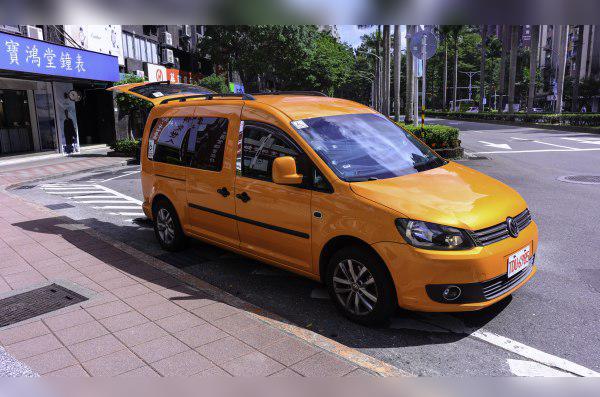
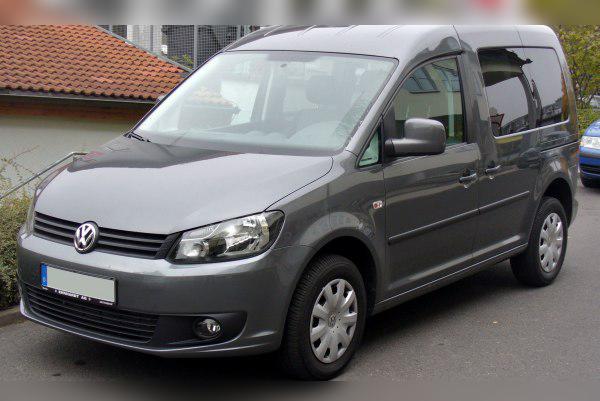
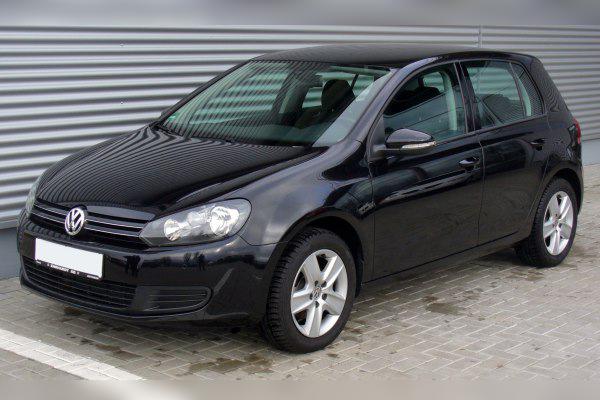
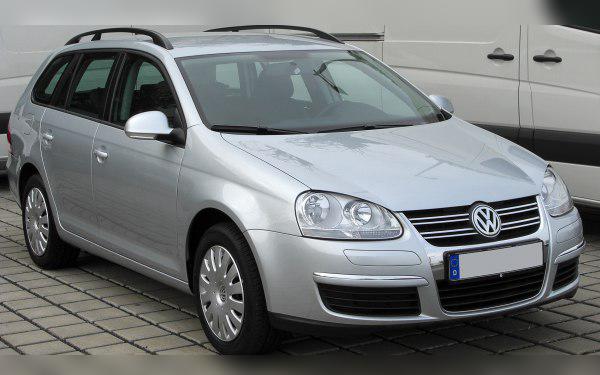
# Vehicles powered by this engine
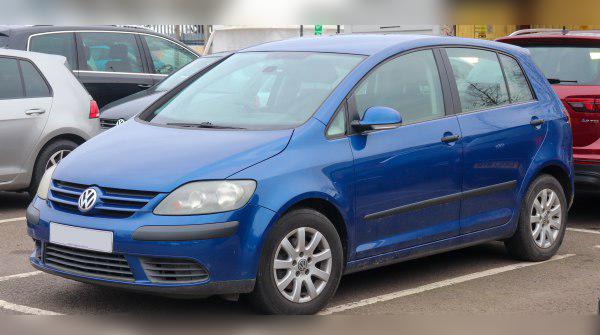
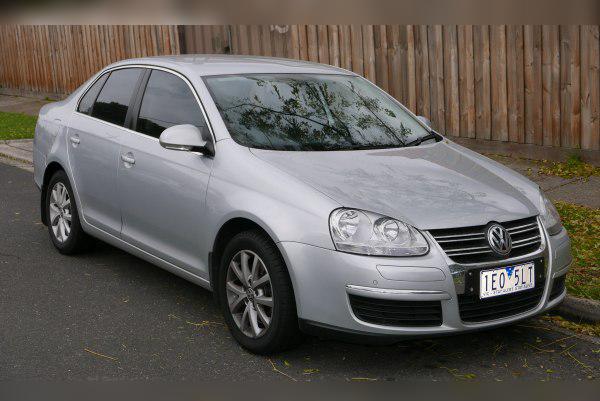
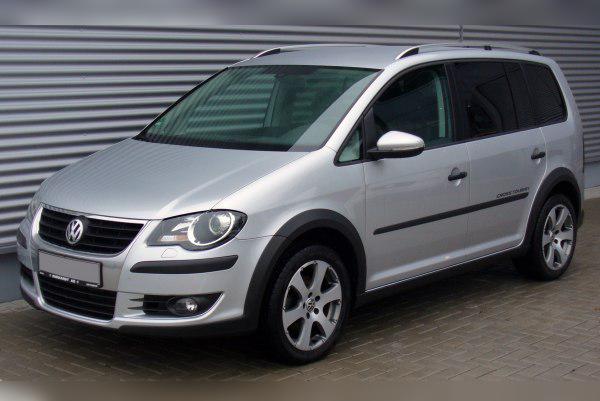
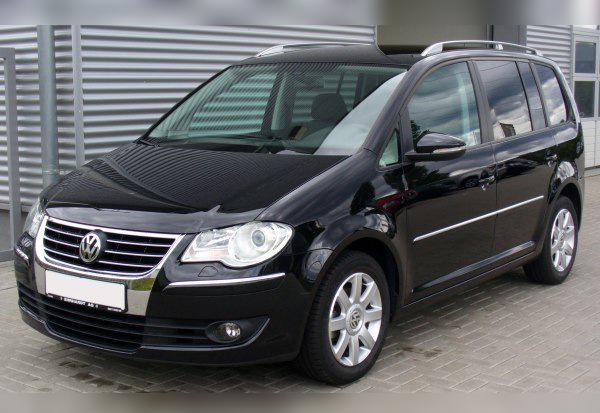
1.6 MPI (BSE, BSF) Engine: Experiences, Problems, Fuel Consumption and Used Car Buying Guide
Key points (TL;DR)
If you don’t have time to read the entire technical report, here’s what you need to know about the 1.6 MPI (102 hp) engine from the VAG group:
- Old-school design: This is a simple, naturally aspirated petrol engine with 8 valves. No turbo, no direct injection, no expensive injectors.
- Perfect for LPG: One of the best engines for LPG (autogas) conversion. It handles it perfectly.
- Reliability: Extremely high. This is an engine that can cover huge mileage with minimal maintenance.
- Performance: Here lies the problem. The engine is sluggish, especially in heavier bodies (Touran, Caddy). It’s not built for racing.
- Fuel consumption: Quite thirsty in the city and on the motorway due to short gearbox ratios.
- Maintenance: Cheap. Parts are widely available and every mechanic knows how to work on it.
Contents
- Introduction and Models
- Technical Specifications
- Reliability and Maintenance
- Specific Parts and Costs
- Fuel Consumption and Performance
- LPG and Tuning
- Gearbox and Transmission
- Used Car Buying Tips and Conclusion
Introduction: The Last Mohican of Simplicity
The engines with codes BSE and BSF represent the peak of evolution of the old Volkswagen 1.6 naturally aspirated petrol units. They were installed in the period when turbo engines (TSI) started to dominate, but remained in the lineup as a “safe option” for conservative buyers, fleets and taxi operators. Their simplicity is their biggest advantage.
You’ll find them in a wide range of vehicles, from the compact Golf V and VI, through the Jetta sedan, all the way to family people carriers such as the Touran and Caddy. For drivers who are afraid of expensive failures on modern diesels and complicated petrol engines, this engine is often the first choice.
Technical Specifications
| Parameter | Data |
|---|---|
| Engine displacement | 1595 cc (1.6 L) |
| Power | 75 kW (102 hp) at 5600 rpm |
| Torque | 148 Nm at 3800 rpm |
| Engine codes | BSE, BSF (most common), CCSA, CMXA |
| Injection type | MPI (Multi-Point Injection) – Indirect |
| Aspiration | Naturally aspirated (No turbo) |
| Number of valves | 8 (SOHC – single camshaft) |
| Emissions standard | Euro 4 / Euro 5 (Depending on model year and vehicle) |
Reliability and Maintenance
Timing belt or chain?
This engine uses a timing belt. That’s good news because the system is simple and quiet. The factory replacement interval is 120,000 km or 5 years, although in practice, due to vehicle age and the quality of aftermarket parts, it’s recommended to do the major service at 90,000 km or at most every 5 years. A snapped belt will cause piston-to-valve contact, which is a catastrophic failure.
Most common failures and symptoms
Although very reliable, the BSE/BSF engine has its quirks:
- Ignition coils and leads: The most common issue. The engine starts running rough, misfires, and the “Check Engine” light comes on. Often a single coil or the entire coil pack fails.
- Intake manifold gaskets: The rubber gaskets on the intake manifold harden from heat. The engine draws in unmetered air, which results in unstable idle and increased fuel consumption. This is a cheap repair, but it often confuses diagnostics.
- Secondary air system: The secondary air pump (used to heat up the catalytic converter faster) can become noisy or fail, triggering a fault code.
- Cracking plastic coolant flanges: The thermostat housing and plastic coolant flanges become brittle with age and crack, leading to coolant leaks.
Oil: Capacity and Consumption
The sump holds approximately 4.5 litres of engine oil. The recommended grade is 5W-40 (VW 502.00 standard), while in colder climates 5W-30 can be used.
Does it burn oil? Yes, 1.6 MPI engines are known to “drink” some oil, especially on the motorway at high revs. Consumption of up to 0.5 litres per 1,000 km is considered “normal” according to factory documentation, although in practice anything over 2–3 litres between services (over 10,000 km) is a sign that valve stem seals or piston rings are worn. Regular oil level checks are mandatory!
Spark plugs
As this is a petrol engine, spark plugs are crucial. They should be replaced every 60,000 km. If you run the car on LPG, it’s recommended to shorten the interval to 30,000–40,000 km to protect the ignition coils.
Specific Parts (Costs)
Flywheel and Clutch
This is one of the biggest advantages of this engine. In versions with a manual gearbox, it almost exclusively uses a solid (conventional) flywheel. This means the clutch kit is significantly cheaper because there is no expensive dual-mass flywheel to fail. In DSG versions (less common with this engine, but present in the Golf 6), the situation is different and there is a flywheel specific to DSG gearboxes.
Fuel injection system and Turbo
The engine does not have a turbocharger. This eliminates the potential cost of turbo refurbishment, which can run into several hundred euros. The fuel system is classic MPI (injection into the intake manifold). The injectors are extremely robust, tolerant of poorer fuel quality and rarely fail. Injector cleaning is cheap and straightforward maintenance.
DPF, EGR and Emissions
As a petrol engine, it does not have a DPF filter or AdBlue system, which is a huge relief for city driving. It does have an EGR valve that can get clogged (symptoms: poorer throttle response, engine fault code), but it can often be cleaned without replacement. The catalytic converter is present and can be damaged if the car is driven with misfires (bad plugs/coils), but in general it is long-lasting.
Fuel Consumption and Performance
Real-world consumption (City and Highway)
Don’t let the small displacement fool you – this is not an economical engine by today’s standards.
- City driving: Expect between 9 and 11 l/100 km. In heavy vehicles such as the Caddy or Touran, in winter and heavy traffic, it can go up to 12 litres.
- Country roads: This is where it’s most economical, using around 6.5–7.5 l/100 km at speeds up to 90 km/h.
- Motorway (130 km/h): Due to the lack of a 6th gear (on manual gearboxes), the engine revs high, so consumption rises to around 8–9 l/100 km.
Is the engine “lazy”?
Honestly – yes, it is. With 102 hp and only 148 Nm of torque, this engine struggles with the weight of bodies such as the Golf Variant, Touran or Caddy Maxi. For overtaking you need to shift down (often two gears) and rev the engine above 4,000 rpm. If the car is full of passengers and luggage and the air conditioning is on, motorway inclines become a challenge. For city driving it is perfectly adequate.
Behaviour on the motorway
The biggest downside of this engine on the motorway is noise. With the five-speed manual gearbox, at 130 km/h the engine runs at around 4,000 rpm. This creates cabin noise and increases fuel consumption. It’s not an ideal long-distance cruiser, but it will get you from point A to point B without fuss.
Additional Options and Modifications
LPG Conversion
This is the best LPG candidate in VW’s more recent history. The MPI injection system, metal engine components and hydraulic lifters make it perfect for LPG conversion. Installation is simple, systems are cheap (no need for an expensive direct-injection LPG system), and the savings are huge given the high petrol consumption.
Chip Tuning (Stage 1)
Forget about it. On a naturally aspirated engine without a turbo, “chipping” is a waste of money. The gain is in the range of 5–8 hp, which you won’t feel in real driving. You’re better off investing that money in quality tyres or a full major service.
Gearbox
Types of gearboxes
- Manual (5-speed): The most common option. Codes 0AF or similar. Very precise and reliable.
- Automatic (Tiptronic – 6-speed): Classic Aisin automatic with a torque converter. Fitted to Golf V, Jetta V, Touran. Comfortable, but increases fuel consumption.
- DSG (7-speed – DQ200): Installed in newer models (Golf VI, Caddy facelift). This is a dual-clutch (dry) gearbox. It’s quicker and more economical than the classic automatic, but potentially more expensive to maintain.
Gearbox failures and maintenance
Manual gearbox: Generally indestructible, but on older series (Golf 5) it sometimes happened that the differential rivets failed (less often on 1.6 than on 1.4/1.9 models) or that the bearings became noisy. The oil in the manual gearbox is “lifetime” from the factory, but it’s recommended to replace it every 150,000 km.
DSG (DQ200): Known for issues with the mechatronics unit and clutch pack. Repairs are expensive (depending on the market, but generally costly). The oil in the mechatronics and gearbox is changed according to specific procedures.
Conventional automatic: If the oil is not changed, the valve body (hydraulic block) fails. Oil and filter should be replaced every 60,000 km.
Used Car Buying and Conclusion
What to check before buying?
- Idle speed: When the engine is warm, it should idle smoothly at around 650–800 rpm. If the needle “hunts”, it’s probably drawing unmetered air or the throttle body/EGR is dirty.
- Oil cap: Remove the cap while the engine is running. There shouldn’t be excessive blow-by, and there must be no “mayonnaise” (emulsion) on the cap, which would indicate coolant mixing with oil (unless the car is only driven on very short trips in winter).
- Cold start: Listen to the engine at first start. A knocking sound that disappears after a few seconds is usually the hydraulic lifters (acceptable if it stops quickly). Persistent knocking can be a sign of piston slap, which sometimes appears on these engines with very high mileage.
Final verdict
The VW 1.6 MPI (BSE/BSF) is an engine for people who see a car as a means of getting from point A to point B with minimal headaches. It’s not fast, it’s not modern, it uses more fuel than you’d like, but it will rarely leave you stranded.
Buy it if: You mostly drive in the city, plan to install LPG, want cheap maintenance and are afraid of turbo and injector failures.
Avoid it if: You often drive on the motorway, enjoy dynamic driving and overtaking, or tow heavy trailers with models such as the Caddy or Touran.
Was this content useful to you?
Your opinion helps us to improve the quality of the content.