CBZA Engine
- Engine
- 1197 cm3
- Aspiration
- Turbocharger, Intercooler
- Fuel
- Petrol (Gasoline)
- Fuel injection system
- Direct injection
- Power
- 86 hp @ 4800 rpm
- Torque
- 160 Nm
- Cylinders
- 4
- Valves
- 16, 4 per cylinder
- Cylinders position
- Inline
- Oil capacity
- 3.6 l
# Vehicles powered by this engine
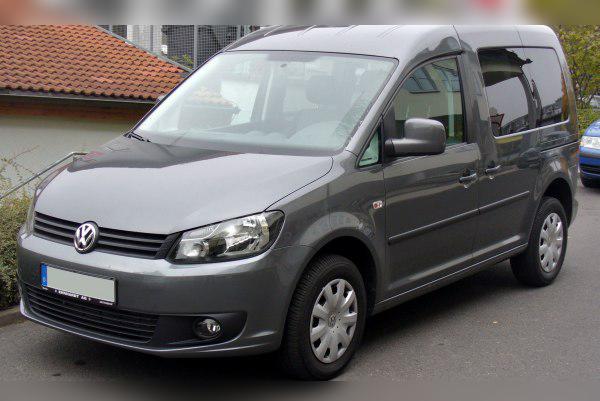
Volkswagen 1.2 TSI (CBZA) 86 HP: Experiences, Problems and Maintenance
Key points (TL;DR)
- Timing system: The engine uses a timing chain (EA111 series). This is the weakest point of the engine – it tends to stretch and jump if not replaced in time.
- Power in the Caddy: 86 HP is the lower limit for a vehicle of this size and aerodynamics. Excellent for city driving, but struggles under load on open roads.
- Turbocharger: Common issue with the electronic actuator (wastegate valve), which can seize.
- Oil consumption: Known to consume oil, especially if driven aggressively on the highway.
- Direct injection: Carbon buildup on intake valves is normal at higher mileage.
- Recommendation: Buy only if the chain has been replaced with the new, revised version and if the service history is impeccable.
Contents
Introduction and application
The engine with the code CBZA belongs to the famous (and somewhat notorious) EA111 family of Volkswagen engines. It is a 1.2 TSI petrol engine which in the VW Caddy III (facelift) model came as a modern replacement for the old naturally aspirated 1.4 and 1.6 engines. Its task was a tough one: to provide more torque with lower fuel consumption and emissions.
This is “downsizing” in the full sense of the word – a small turbo engine in a large, boxy delivery van or family MPV body. Although 86 HP looks modest on paper, the turbocharger drastically changes the driving characteristics compared to the old naturally aspirated engines, making it more lively in city conditions. However, as a used-car buyer, you must be aware that this engine requires more meticulous maintenance than its simpler predecessors.
Technical specifications
| Specification | Data |
|---|---|
| Engine code | CBZA |
| Displacement | 1197 cc (1.2 L) |
| Power | 63 kW (86 HP) at 4800 rpm |
| Torque | 160 Nm at 1500–3500 rpm |
| Injection type | Direct injection (TSI/FSI) |
| Charging | Turbocharger (single turbo) with intercooler |
| Number of cylinders / valves | 4 / 8 (SOHC – single camshaft) |
| Camshaft drive | Chain (timing chain) |
Reliability and maintenance
Timing system: chain or belt?
The CBZA engine (EA111 generation) uses a timing chain. This is crucial information because the chain is the weakest point of this engine. Factory chains were prone to stretching even at relatively low mileage (sometimes below 100,000 km). The problem is made worse by the hydraulic chain tensioner, which depends on oil pressure.
Symptoms of problems: Metallic rattling or “rustling” at cold start that lasts a few seconds (until the oil builds pressure). If you hear this sound, replacement is urgent. Ignoring it leads to chain skipping and catastrophic engine failure (pistons hitting valves). VW later released a revised chain kit which is more durable, so make sure to check whether it has been installed.
Most common failures
Besides the chain, owners often encounter the following issues:
- High-voltage leads: Spark plug leads are routed in a way that makes them very attractive to rodents (martens), and the insulation can deteriorate from heat, causing engine misfires.
- Oil consumption: Due to the design of the piston rings and the high temperatures that turbo engines reach, oil consumption is common, especially if thin oil is used or the engine is driven hard when cold.
- Carbon buildup: As a direct-injection engine, the intake valves are not “washed” by fuel. Over time, carbon deposits build up, which can reduce power and increase fuel consumption.
Service intervals and oil
Major service: The chain has no prescribed replacement interval (“maintenance-free” according to the factory), but in practice it should be replaced preventively between 100,000 and 120,000 km, or as soon as the first noise appears. The auxiliary (serpentine) belt set is replaced at a similar mileage.
Minor service and oil: The engine takes about 3.6 to 3.9 litres of oil (depending on filter size). The recommended grade is 5W-30 that meets the VW 504.00 specification.
Editor’s tip: Forget about “LongLife” intervals of 30,000 km. On this engine, change the oil strictly every 10,000 to 12,000 km or once a year. This will extend the life of the chain and turbo.
Oil consumption
According to the (overly tolerant) factory specifications, consumption of up to 0.5 litres per 1,000 km is considered normal. In practice, a healthy engine should not consume more than 0.5 to 1 litre per 10,000 km (between two services). If you have to top up a litre every 1,000–2,000 km, the engine is due for an overhaul (rings or valve stem seals).
Spark plugs
Spark plugs are scheduled for replacement at 60,000 km (or every 4 years). However, due to the sensitive ignition coils on 1.2 TSI engines, it is advisable to replace them every 30,000–40,000 km. Use only high-quality iridium or platinum plugs (NGK or Bosch) according to the catalogue number. Poor-quality plugs can quickly destroy the ignition coil.
Specific parts (costs)
Flywheel
Good news: the 86 HP CBZA version, in most cases – and especially in the Caddy with the 5-speed gearbox – uses a solid flywheel (single-mass). This significantly reduces clutch replacement costs compared to stronger diesels or more powerful petrol engines. (Note: Always check by VIN, as there are rare exceptions.)
Injection system
The engine uses a Bosch high-pressure direct injection system. The injectors are precise but sensitive to poor fuel quality. Symptoms of a faulty injector include rough running, black smoke and a petrol smell from the exhaust. The price of a new injector is high (market-dependent: expensive), so it is advisable to occasionally use fuel system cleaning additives.
Turbocharger
The engine has a small single turbocharger. Its lifespan is closely linked to regular oil changes. A specific issue on 1.2 TSI engines is the electronic actuator (boost pressure regulator). It is common for the wastegate lever to seize or develop excessive play, resulting in loss of power and illumination of the “Check Engine” light (EPC fault). A repair kit (shim) is available, but sometimes the entire actuator must be replaced.
DPF and EGR
Being a petrol engine, it does not have a DPF filter (that’s a diesel concern). However, it does have a catalytic converter and an exhaust gas recirculation system (similar to EGR, often implemented via variable valve timing or an external valve depending on the sub-version). It does not suffer from clogging issues like diesels, but the catalytic converter can be damaged if the engine burns a lot of oil or if combustion is poor. This engine does not use AdBlue.
Fuel consumption and performance
Real-world consumption (Caddy body)
Do not expect miracles. The Caddy is heavy and has the aerodynamics of a brick, and the 1.2-litre engine has to rev to get it moving.
- City driving: Realistically between 8.5 and 10.5 l/100 km. In heavy winter traffic it can go up to 11 l/100 km.
- Country roads: This is where it is most economical, around 6.0–7.0 l/100 km at speeds up to 80–90 km/h.
- Motorway (130 km/h): Consumption rises sharply due to air resistance; expect around 8.5–9.5 l/100 km.
Is the engine “sluggish”?
For an empty Caddy in the city – no. The 160 Nm of torque is available from just 1500 rpm, so the car feels eager off the line. However, as soon as you load it up or carry more passengers, the engine’s limitations become apparent. Overtaking on country roads requires downshifting and high revs. If you plan to use the Caddy for towing a trailer or transporting heavy loads, this engine is not the ideal choice.
Behaviour on the motorway
This is not its natural habitat. The gearbox is usually a 5-speed, which means that at 130 km/h the engine runs at relatively high revs (often over 3000–3200 rpm). This creates cabin noise and increases fuel consumption. Cruising is comfortable up to about 110–120 km/h.
Additional options and modifications
LPG conversion
Not an ideal candidate. Due to direct injection (injectors are in the cylinder), a standard sequential LPG system cannot be installed. A dedicated system for DI engines must be used, which either injects liquid gas (very expensive) or uses a “blended” system where, for example, 80% LPG and 20% petrol are used to cool the petrol injectors.
Cost-effectiveness: Because of the high installation cost (market-dependent: around 800–1200 EUR) and the petrol consumption while running on LPG, the conversion only makes sense if you drive more than 20–30,000 km per year.
Chiptuning (Stage 1)
This engine can be remapped. The 86 HP version is a software-limited variant of the more powerful 105 HP model (CBZB). With a safe Stage 1 remap, you can get around 105–115 HP and about 190–200 Nm of torque.
Warning: Although the engine can handle it, keep in mind that the extra power puts additional stress on the chain and turbo. If you tune it, shorten oil change intervals to 8,000 km and use top-quality fuel.
Gearbox
Types of gearboxes
With the CBZA (86 HP) in the Caddy, you most commonly get a 5-speed manual gearbox (series code 0AH or similar). There are also versions with a 7-speed DSG gearbox (DQ200 with dry clutches), but these are more often paired with the more powerful 105 HP version.
Manual gearbox issues
Manual gearboxes are generally reliable. The most common faults are oil leaks at the driveshaft seals or gear selector seals. On high-mileage vehicles, gearbox bearings can wear (a whining noise that changes with speed).
Clutch cost: As there is no dual-mass flywheel, the clutch kit (pressure plate, disc, release bearing) is reasonably priced (market-dependent: not expensive).
Automatic (DSG) gearbox issues
If you come across a car with a DSG (DQ200), be extremely cautious. This is a gearbox with “dry” clutches, notorious for mechatronics failures and rapid clutch wear in city driving. Repairs are very expensive.
Gearbox servicing
Although VW claims the oil in the manual gearbox is “lifetime fill”, it is recommended to replace it every 60,000 to 80,000 km. It is a small expense (about 2 litres of 75W-90 oil) and significantly prolongs the life of synchros and bearings.
Used car buying and conclusion
What to check before buying?
- Cold start (CRUCIAL): Insist that the engine is completely cold when you arrive. Start it and listen. If you hear chain rattling for more than 1–2 seconds – walk away or negotiate the price to cover a full timing system replacement.
- Turbo actuator: Check for diagnostic trouble codes related to boost pressure control.
- Service history: Check at what mileage the chain was replaced (if it was) and which oil has been used.
- Idle: The engine should idle smoothly. Rough idle can indicate dirty valves (carbon buildup) or problems with injectors/spark plugs.
Conclusion
A VW Caddy with the 1.2 TSI (CBZA) engine is a good choice for light urban deliveries, service technicians, or as a family vehicle for shorter trips. In such conditions it is quieter, more comfortable and warms up faster in winter than a diesel.
However, it is not recommended for those who cover high motorway mileage or constantly drive fully loaded – in those scenarios TDI engines will always be a better choice in terms of fuel consumption and longevity. If you decide to buy one, be prepared for a preventive chain replacement and regular, high-quality maintenance. That is the price of modern technology in a small package.
Was this content useful to you?
Your opinion helps us to improve the quality of the content.