Panther Engine
- Engine
- 1996 cm3
- Aspiration
- Turbocharger, Intercooler
- Fuel
- Diesel
- Fuel injection system
- Diesel Commonrail
- Power
- 170 hp
- Torque
- 390 Nm
- Cylinders
- 4
- Valves
- 16, 4 per cylinder
- Cylinders position
- Inline
- Valvetrain
- DOHC
- Systems
- Start & Stop System, Particulate filter
# Vehicles powered by this engine
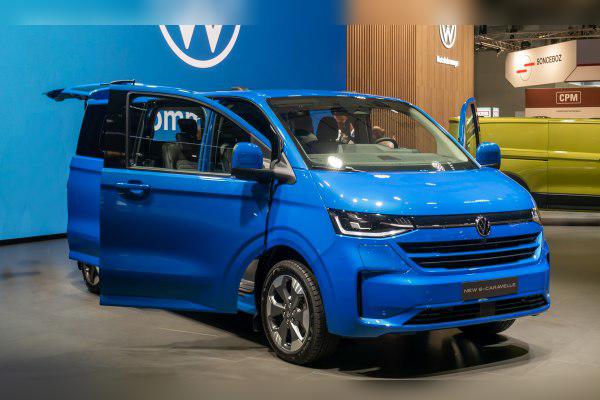
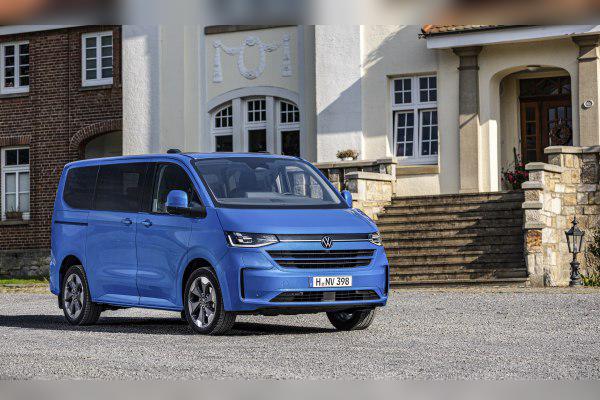
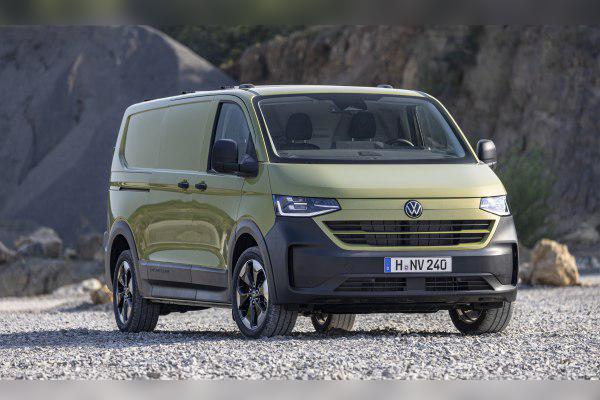
Key points in short (TL;DR)
- Engine origin: Although it carries a VW badge, this is Ford’s “Panther” (EcoBlue) 2.0 diesel engine, because the new T7 Transporter was developed in cooperation with Ford (twin brother of the Ford Transit Custom).
- Timing belt: The engine uses a specific “belt-in-oil” system (Wet Belt / Belt-in-Oil) or a conventional belt depending on the exact revision, which requires strict adherence to the engine oil specification.
- AdBlue system: As with most modern diesels, the exhaust aftertreatment system is sensitive; AdBlue fluid heaters and injectors are potential weak points.
- Power and torque: With 170 hp and 390 Nm, this is an optimal match for the heavy van body, offering a good balance between fuel consumption and pulling power.
- Gearbox: The automatic gearbox in this version is a conventional 8‑speed automatic (torque converter), not VW’s dual‑clutch DSG. It is very comfortable, but requires regular oil changes.
- Injection sensitivity: Piezo injectors require top‑quality fuel; it is recommended to avoid suspicious fuel stations.
Contents
VW T7 2.0 TDI (Ford Panther) 170 hp – Experiences, issues and maintenance
The arrival of the new generation of Volkswagen Transporter and Caravelle models (designation T7 in cargo and passenger versions outside the Multivan series) brought a major change under the bonnet. Due to the strategic partnership between Volkswagen and Ford (the so‑called “Project Cyclone”), the new Transporter is a technological twin of the new Ford Transit Custom. This means that the engine we are talking about here is not the classic VW 2.0 TDI (EA288), but rather Ford’s 2.0 EcoBlue diesel engine, internally known under the code name “Panther”.
This is important to know because maintenance, parts and typical failures differ from what owners of older VW vans are used to. The 170 hp version represents the “golden middle” of the range, offering enough power for heavy loads and motorway driving, with acceptable running costs.
Technical Specifications
| Parameter | Value |
|---|---|
| Engine displacement | 1996 cc (2.0 L) |
| Power | 125 kW (170 hp) |
| Torque | 390 Nm at 1750–2500 rpm |
| Engine code family | Panther / EcoBlue family (variants YN, YM...) |
| Injection type | Common Rail (Piezo injectors, 2000+ bar) |
| Turbo | VGT (Variable Geometry Turbocharger) |
| Camshaft drive | Timing belt (often “Wet Belt” – in oil) |
Reliability and Maintenance
Does this engine have a timing belt or a chain?
This is the most critical point of the “Panther” engine. This engine uses a timing belt, but in many variants it uses “belt‑in‑oil” (Wet Belt / Belt‑in‑Oil) technology to drive the camshafts or the oil pump. This system is quieter and theoretically reduces friction, but it is extremely sensitive to oil quality. Older versions of this engine (in Fords before 2019/2020) had issues with belt degradation, with particles clogging the oil pump strainer. In newer T7 models the system has been improved, but caution is still necessary.
What are the most common failures on this engine?
In addition to potential belt problems if not maintained properly, owners report issues with the AdBlue system (tank heaters, fluid crystallisation), oil leaks at the crankshaft seal and occasional problems with injector electronics. Also, as with any modern diesel, the EGR valve tends to clog if the vehicle is used exclusively for city deliveries.
At what mileage should the major service be done?
The factory recommendation is often very optimistic (up to 240,000 km or 10 years in some markets). As an experienced technical editor, I recommend the following: Perform the major service (replacement of belt, tensioners, water pump) at a maximum of 150,000 to 160,000 km or 6–7 years. The risk of belt failure or degradation is too high to wait for the factory limit.
How many litres of oil does this engine take and which grade is recommended?
The sump holds a large amount of oil, usually between 8 and 9 litres (yes, you read that correctly, the sump is huge to allow for extended service intervals). You must use 0W‑30 oil that meets the specific Ford standard (e.g. WSS‑M2C950‑A). Warning: Using the wrong oil in an engine with a “wet belt” can lead to belt degradation and engine failure within just a few thousand kilometres.
Does it consume oil between services?
A healthy Panther engine should not consume a significant amount of oil. Consumption up to 0.5 L per 10,000 km is acceptable. However, a more common problem is rising oil level. If DPF regenerations are frequently interrupted (city driving), unburnt fuel runs down into the sump and dilutes the oil. This is dangerous for crankshaft bearings and the turbo. Check the dipstick regularly.
How long do the injectors last and how do they hold up?
The Piezo injectors on this engine are precise but sensitive. The expected service life is around 200,000 – 250,000 km with good‑quality fuel. Symptoms of problems include “ticking” noises from the engine on cold start, rough idle or increased smoke. Replacing all four injectors is expensive (very expensive, depending on the market), so it is advisable to use fuel system cleaning additives from time to time.
Specific Parts (Costs)
Does the engine have a dual‑mass flywheel?
Yes, this engine is paired with a dual‑mass flywheel, regardless of whether the gearbox is manual or automatic (although in automatics the torque converter also absorbs shocks, the flywheel is still present in a specific form). Replacement is a standard procedure at mileages above 200,000 km.
Does the engine have a turbocharger and what is its service life?
The 170 hp version usually uses a single variable‑geometry turbocharger (VGT). Service life is long (over 250,000 km) if you follow the turbo cool‑down procedure after hard driving and change the oil regularly. It is not known for premature failures, except in cases where the oil feed lines become clogged.
Does this model have a DPF filter or an EGR valve?
Yes, it has both DPF and EGR, and since it meets Euro 6d (or newer) standards, the system is complex. The EGR valve often gets clogged with soot at around 100,000 – 150,000 km, which causes loss of power. The DPF filter has a large capacity, but if the vehicle is driven only in the city (delivery use), it will clog faster than intended.
Does this engine use AdBlue?
Yes, it has an AdBlue system. This is one of its weaker points. The system is sensitive to low temperatures and urea quality. Failures of the AdBlue fluid pump or the tank heater are common. Repair often requires replacing the entire tank module, which can be expensive (depending on the market).
Fuel Consumption and Performance
What is the real‑world fuel consumption in city driving?
This is a large and heavy vehicle (Caravelle/Transporter). In heavy city traffic, real‑world consumption is between 9 and 11 litres per 100 km. With a light right foot and an empty vehicle, it can drop to around 8.5 litres, but don’t expect miracles.
Is this engine “lazy” for the weight of the body?
No, the 170 hp and 390 Nm version is perfectly adequate. It’s not a sports car, but it has enough torque to pull a fully loaded van uphill without strain. The engine is flexible and pulls well from around 1600 rpm. Unlike the base 110 hp version, this variant allows for safe overtaking on country roads.
How does the engine perform on the motorway?
This is the engine’s natural habitat. At 130 km/h, thanks to the 8‑speed automatic gearbox, the engine spins at a low 2000 – 2200 rpm. The cabin is well insulated, and fuel consumption on the open road drops to around 7.5 – 8.5 l/100 km, depending on aerodynamic drag (roof racks, load).
Additional Options and Modifications
How far can this engine be safely “chipped” (Stage 1)?
The 170 hp Panther engine can be raised via software (Stage 1) to about 190–200 hp and 450 Nm of torque. However, I do not recommend remapping if the vehicle is under warranty or if you are not sure about the condition of the belt/oil pump. The power increase puts extra load on the engine’s thermal management, and in engines with a “wet belt”, high oil temperatures accelerate belt degradation.
Gearbox
Which gearboxes are fitted?
In the VW T7 with this engine, the automatic gearbox is NOT a DSG. It is a conventional 8‑speed automatic gearbox with a torque converter (from Ford/ZF cooperation). There is also an option of a 6‑speed manual gearbox.
What are the most common gearbox issues?
Automatic (8‑speed): It is very reliable and offers much smoother low‑speed driving than a DSG (parking, stop‑and‑go). Failures are rare, mostly related to overheating when towing heavy trailers without adequate cooling.
Manual: Standard clutch issues if the vehicle is driven in heavy stop‑and‑go city traffic under load.
At what mileage should the gearbox be serviced?
For the 8‑speed automatic, the recommended oil change interval is every 60,000 to 80,000 km. Although manufacturers often claim the oil is “filled for life”, that is a marketing trick. Changing the oil dramatically extends the life of the hydraulic valve body.
Buying Used and Conclusion
Buying a VW T7 with the 170 hp engine is generally a good decision for those who need a modern, powerful and comfortable workhorse or family transporter. However, you must be aware that you are buying Ford mechanics in a VW suit.
Before buying, be sure to check:
- Service history: Has it been filled exclusively with 0W‑30 oil to the correct specification? If the wrong oil has been used, the engine is a “ticking time bomb” because of the timing belt.
- Belt/drive noise: Any strange rattling noise on cold start can indicate a timing drive problem.
- AdBlue system: Use diagnostics to check for any faults related to NOx sensors or the urea pump.
- DPF condition: Check the particulate filter load via diagnostics.
Conclusion: This engine is intended for drivers who cover a lot of kilometres on open roads. It is not ideal for short city trips (because of the DPF and oil dilution). If you maintain it regularly (more often than the factory suggests) and pay attention to fuel and oil quality, it will serve you for hundreds of thousands of kilometres, with excellent comfort provided by the 8‑speed automatic.
Was this content useful to you?
Your opinion helps us to improve the quality of the content.