Panther Engine
- Engine
- 1996 cm3
- Aspiration
- Turbocharger, Intercooler
- Fuel
- Diesel
- Fuel injection system
- Diesel Commonrail
- Power
- 150 hp
- Torque
- 360 Nm
- Cylinders
- 4
- Valves
- 16, 4 per cylinder
- Cylinders position
- Inline
- Valvetrain
- DOHC
- Systems
- Start & Stop System, Particulate filter
# Vehicles powered by this engine
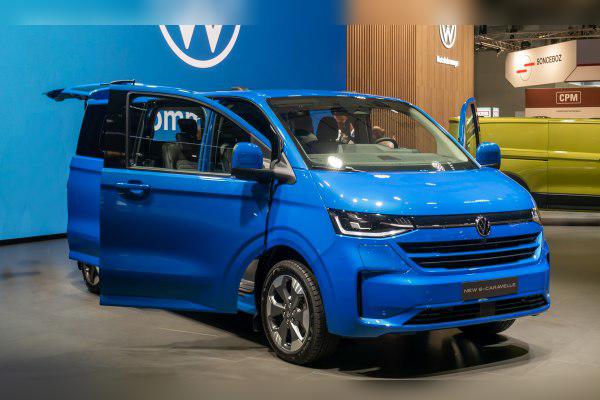
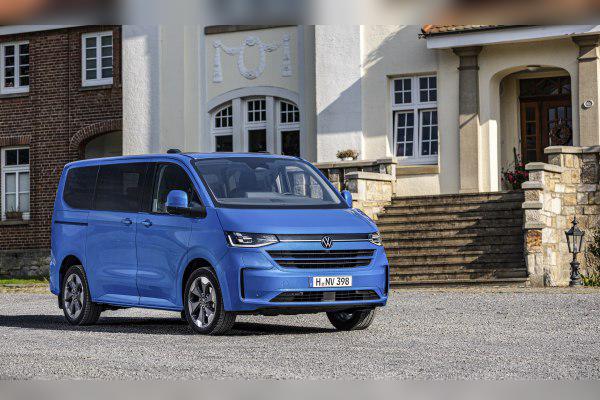
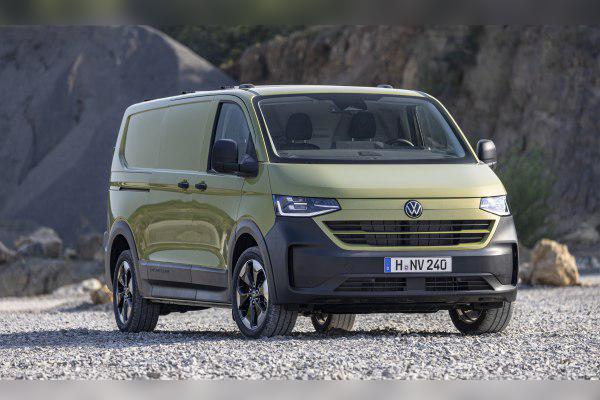
2.0 TDI (Ford Panther) in the VW T7 Transporter – Experiences, problems, fuel consumption and buying used
Key points (TL;DR)
- Engine origin: Although it carries the TDI badge on the tailgate of the VW T7 Transporter, this is actually Ford’s 2.0 EcoBlue (“Panther”) engine, the result of VW–Ford cooperation.
- Belt-in-Oil (BIO): The most controversial aspect of this engine. The timing belt runs in oil, which requires strict adherence to the oil specification to avoid belt delamination and clogging of the oil pump.
- AdBlue system: As with most modern diesels, the exhaust aftertreatment system is sensitive to crystallization and heater failures.
- Performance: With 150 hp and 360 Nm, this is the “sweet spot” – sufficient for hauling loads, and more economical than the Bi-Turbo versions.
- Gearbox: The automatic in this model is not a DSG, but a conventional 8‑speed automatic transmission (also a Ford design), which is very comfortable but requires regular oil changes.
- Maintenance: The large oil sump (a lot of oil at each change) increases the cost of a minor service, but extends oil life.
Contents
- Introduction: Ford heart in a VW body
- Technical specifications
- Reliability and maintenance
- Specific parts and costs
- Fuel consumption and performance
- Additional options and modifications
- Gearbox (manual and automatic)
- Buying used and conclusion
Introduction: Ford heart in a VW body
If you’re looking at a new Volkswagen Transporter T7 or Caravelle T7, it’s important to know what you’re actually buying. Due to the strategic partnership between Volkswagen and Ford (project “Cyclone”), the commercial versions of the T7 (panel van and Caravelle) are technical twins of the Ford Transit Custom. This means that the engine under the bonnet is not the famous VW EA288 TDI, but Ford’s advanced diesel unit codenamed “Panther” (commercially known as the 2.0 EcoBlue).
This engine was designed to meet the strictest emission standards and provide the high torque needed for heavy vehicles. While purists may frown at this, the engine itself is robust, but it comes with specific engineering solutions that require a different maintenance approach than what owners of older VW vans are used to.
Technical specifications
| Feature | Value |
|---|---|
| Engine displacement | 1996 cc (2.0 L) |
| Power | 110 kW (150 hp) |
| Torque | 360 Nm at 1,500 – 2,500 rpm |
| Engine code | Panther / EcoBlue family |
| Injection system | Common Rail (up to 2200–2500 bar), piezo injectors |
| Charging type | Variable-geometry turbocharger (VGT) + intercooler |
| Camshaft drive | Belt-in-Oil timing belt |
Reliability and maintenance
Does this engine have a timing belt or a chain?
This is the most important technical characteristic of the “Panther” engine. It uses a timing belt running in oil (Belt-in-Oil) to drive the camshafts (although some of the very latest revisions may differ, most 2.0 EcoBlue engines in this application use this solution).
Why does this matter? The idea is to reduce friction and noise, and to make the belt last as long as the engine. However, in practice the belt material can start to fray and break down if the wrong oil is used or oil change intervals are stretched too far. Rubber particles from the belt then end up in the sump and clog the oil pump strainer, which leads to a drop in oil pressure and catastrophic engine failure (seized crankshaft or turbo). This is not to scare you, but to warn you: Use only the factory‑specified oil!
What are the most common failures on this engine?
Besides the potential belt issue, owners encounter the following:
- AdBlue system problems: Heater failures in the urea tank or crystallization at the AdBlue injector. The symptom is a “Check Engine” light and a countdown of remaining kilometres until the engine will no longer start.
- Oil leaks at seals: Occasionally there are leaks at the junction between engine and gearbox.
- DPF filter clogging: If the vehicle is used exclusively for city delivery (stop‑and‑go), regenerations do not complete successfully.
At what mileage should the major service be done?
The manufacturer often quotes optimistic intervals of over 200,000 km or 10 years for replacement of the “wet” belt. However, experienced mechanics recommend replacement at a maximum of 150,000 to 160,000 km or every 6–7 years. The replacement procedure is expensive and complicated (varies by market, but is significantly more expensive than a conventional “dry” belt) because it requires a lot of disassembly work.
How many litres of oil does this engine take and which grade is recommended?
For its displacement, this engine has a huge oil capacity – it takes around 9 to 10 litres of oil (depending on the exact sump variant).
Mandatory grade: 0W‑30 with the specific Ford specification (usually WSS‑M2C950‑A). Warning: Using a generic 5W‑30 or oil without this specification will destroy the timing belt!
Does it consume oil between services?
Panther engines are generally “tight” and oil consumption is minimal (below 0.5 litres per 10,000 km). If the engine consumes significantly more oil, this is often a sign of a turbo or piston ring problem, not normal behaviour.
How long do the injectors last and how reliable are they?
The injectors are piezoelectric and sensitive to fuel quality. Expected service life is around 200,000 – 250,000 km. Symptoms of failing injectors include rough engine operation (“knocking”) on cold start, increased smoke under hard acceleration and uneven idle. Replacing a full set of injectors is a very expensive item.
Specific parts (costs)
Does the engine have a dual‑mass flywheel?
Yes. The 150 hp version with a manual gearbox definitely has a dual‑mass flywheel. In the case of the automatic (which uses a torque converter), the system is different and there is no conventional dual‑mass flywheel that fails like on manuals, but a flexible drive plate which is much more durable.
Does the engine have a turbocharger (or two) and what is their lifespan?
The 150 hp version uses a single turbocharger with variable geometry (VGT). This is a more reliable solution than the Bi‑Turbo system (used on higher‑output versions of 170+ hp). With regular oil changes and proper cooldown after motorway driving, the turbo’s lifespan is generally equal to the engine’s lifespan.
Does this model have a DPF filter or an EGR valve that often clogs?
It has both systems. The EGR valve (exhaust gas recirculation) is more prone to soot build‑up, especially in city driving, which leads to loss of power. The DPF filter is robust, but requires regular runs on open roads. Replacing the DPF is extremely expensive, so professional cleaning is recommended if it becomes clogged.
Does this engine have AdBlue and what does its maintenance look like?
Yes, it has an SCR system with AdBlue fluid. The system is prone to issues. Heater failures in the AdBlue tank or dosing pump failures are common. It is recommended to use anti‑crystallization additives with every AdBlue fill to prevent costly failures.
Fuel consumption and performance
What is the real‑world fuel consumption in city driving?
The VW Transporter/Caravelle T7 is a heavy vehicle with the aerodynamics of a brick. In the city you can expect consumption of 8.5 to 10.5 litres/100 km, depending on traffic, load weight and whether it has an automatic or manual gearbox (the automatic uses slightly more).
Is this engine “lazy” for the weight of the body?
No, the 150 hp and 360 Nm version is the ideal balance. It’s no sports car, but it’s not sluggish either. The engine pulls well from low revs (around 1500 rpm). For overtaking on country roads it is perfectly adequate, even when the van is fully loaded.
How does the engine behave on the motorway and at what revs does it cruise at 130 km/h?
This is the natural habitat of this vehicle. Thanks to the high torque and (especially with the automatic) long gear ratios, the engine is not stressed. At 130 km/h, the engine runs at about 2,000 – 2,200 rpm (depending on the gearbox). Motorway consumption is around 7.5 to 9 litres/100 km, depending on wind and load.
Additional options and modifications
How far can this engine be safely “chipped” (Stage 1)?
The 150 hp Panther engine is software‑detuned compared to the higher‑output versions. A Stage 1 remap can safely raise power to around 180 – 185 hp and torque to over 400 Nm.
Warning: Although the engine can handle this, the extra power puts additional strain on the automatic gearbox and the cooling system. On vehicles under warranty, this will immediately void the warranty.
Gearbox
Which manual and automatic gearboxes are fitted to this engine?
- Manual: 6‑speed gearbox (precise, but with long gear lever throws, typical for commercial vehicles).
- Automatic: This is NOT a VW DSG (Doppelkupplung). In the T7 Transporter/Caravelle (Ford platform) an 8‑speed automatic with a torque converter is used (ZF/Ford design origin).
What are the most common failures of the manual and automatic gearboxes?
Manual: Very reliable. Problems are rare and mostly related to the shift cables or second‑gear synchro on vehicles that are driven aggressively.
Automatic: Considered more reliable than DSG in stop‑and‑go traffic because it has no clutches that wear out. However, it can develop harsh shifts (jerks) if the oil is not changed regularly or if the gearbox software is not updated.
Does this model have a dual‑mass flywheel and how much does clutch replacement cost?
Manual models have a dual‑mass flywheel. A clutch kit with flywheel is a costly item (varies by market, but expect a serious expense). Symptoms include rattling when switching the engine off or vibrations in the clutch pedal.
At what mileage should the gearbox be serviced and the oil changed?
- Manual: An oil change is recommended at 100,000 km, even though the manufacturer often claims it is “lifetime”.
- Automatic: Mandatory oil and filter change every 60,000 to 80,000 km. This is crucial for the longevity of the valve body and torque converter.
Buying used and conclusion
When buying a used VW T7 with this engine, pay attention to the following:
- Service history (oil): Was 0W‑30 with the correct Ford specification used? If you have no proof, this is a risk because of the “wet” belt.
- Chain/belt noise: Although it has a belt, the engine also has a chain linking the camshafts. Listen for rattling from the top of the engine on cold start.
- Gearbox: The automatic must shift imperceptibly. Any jolt when engaging ‘D’ or ‘R’ is a red flag.
- AdBlue: Use diagnostics to check for faults related to the reducer pressure or heaters.
Conclusion:
The Panther (2.0 EcoBlue) engine in the VW T7 body is a modern, strong and refined workhorse. The 150 hp version is the best choice for most users. Although the Belt‑in‑Oil timing system is a debatable engineering move that requires meticulous maintenance, with proper care this engine can cover hundreds of thousands of kilometres. If you’re looking for a comfortable cruiser or a reliable work van, this is a good choice, provided you are not careless with servicing.
Was this content useful to you?
Your opinion helps us to improve the quality of the content.