Panther Engine
- Engine
- 1996 cm3
- Aspiration
- Turbocharger, Intercooler
- Fuel
- Diesel
- Fuel injection system
- Diesel Commonrail
- Power
- 110 hp
- Torque
- 310 Nm
- Cylinders
- 4
- Valves
- 16, 4 per cylinder
- Cylinders position
- Inline
- Valvetrain
- DOHC
- Systems
- Start & Stop System, Particulate filter
# Vehicles powered by this engine
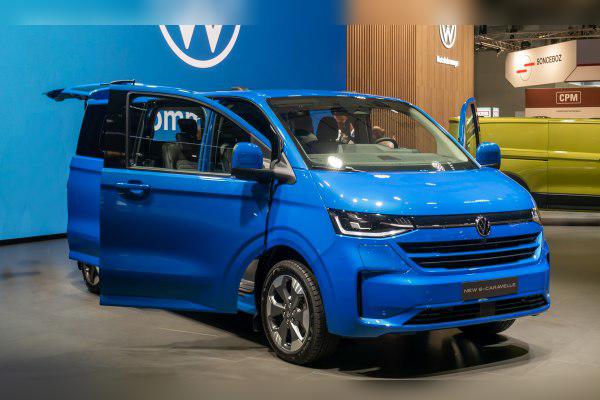
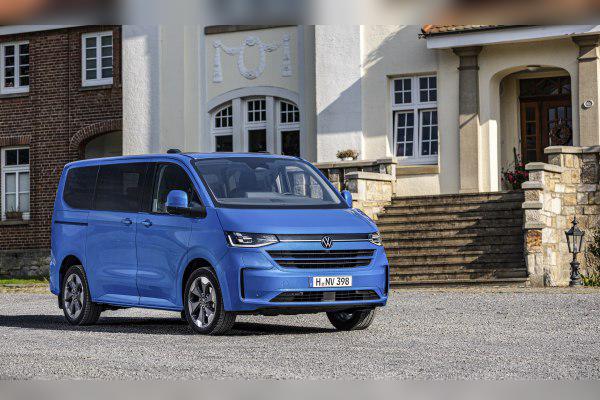
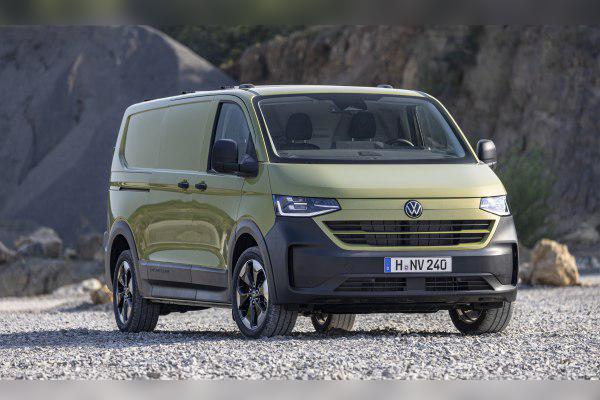
2.0 TDI (Panther/EcoBlue): Experiences, issues, fuel consumption and maintenance in the VW T7 series
Key points in short (TL;DR)
- Engine origin: Although it carries the TDI badge in VW models, "Panther" is actually a Ford 2.0 EcoBlue engine, installed due to the cooperation on the new T7 Transporter.
- Timing system: The most critical point. It uses a belt-in-oil timing system. It requires strictly specific oil and regular replacement to prevent clogging of the oil pump strainer.
- Injectors: Sensitive piezoelectric injectors. They can fail early if poor-quality fuel is used.
- Power: 110 hp is the “workhorse” version. Excellent torque (310 Nm) for city driving, but it lacks breath on the motorway under full load.
- AdBlue system: Frequent issues with AdBlue heaters and pumps, as well as crystallization.
- Recommendation: Ideal for urban delivery and relaxed driving. For heavier towing, look for more powerful versions (150+ hp).
Contents
Introduction: Ford heart in a VW body
When we talk about the engine with the code name "Panther" in the Volkswagen Transporter or Caravelle T7, we are entering a new era of commercial vehicles. This is not the classic Volkswagen EA288 engine we are used to in the Golf or Passat. Due to the strategic partnership between Ford and Volkswagen (Project Cyclone), the new VW Transporter T7 shares its platform and mechanics with the Ford Transit Custom.
So, the engine we are talking about is actually the Ford 2.0 EcoBlue diesel. This is important to know because of parts sourcing and specific maintenance requirements that differ from classic TDI engines. The 110 hp version is the entry-level option, designed primarily for efficiency and fleet sales rather than performance.
Technical specifications
| Characteristic | Data |
|---|---|
| Name / Engine code | Panther (Ford EcoBlue 2.0) |
| Displacement | 1996 cc (2.0 L) |
| Power | 81 kW (110 hp) at 3500 rpm |
| Torque | 310 Nm at 1500–2250 rpm |
| Fuel type | Diesel (Euro 6d-TEMP / Euro 6d) |
| Charging | Turbocharger (VGT – variable geometry) |
| Injection | Common rail (2000+ bar) |
Reliability and maintenance
Timing belt or chain?
This is the most important technical question for this engine. The Panther engine uses a belt-in-oil timing system to drive the camshafts (and often a separate small belt for the oil pump). Although the manufacturer specifies long replacement intervals (often over 200,000 km or 10 years), in practice this has proven to be the engine’s “Achilles’ heel”. The belt material degrades over time, and tiny rubber particles can clog the oil pump strainer, leading to a drop in oil pressure and catastrophic engine failure.
Most common failures
In addition to the mentioned belt issue, owners encounter the following problems:
1. AdBlue system issues: Heater failures in the tank and clogged urea injectors are common.
2. Oil leaks: Often occur at the valve cover or crankshaft seals.
3. DPF regeneration: If the vehicle is driven exclusively in the city (stop-and-go), the DPF struggles to regenerate passively, which leads to diesel mixing with engine oil (rising oil level).
Service intervals and oil
Major service: Although the factory recommends longer intervals, experienced mechanics advise replacing the timing belt (and checking the oil pump strainer) at 150,000 to 160,000 km or after 6–7 years. The risk of the belt snapping or crumbling is too high to wait for the factory limit.
Engine oil: This engine takes a large amount of oil, usually around 9 liters (yes, you read that right, the oil pan is huge in order to extend service intervals). Only 0W-30 oil that meets the specific Ford WSS-M2C950-A specification is recommended. Warning: Using the wrong oil drastically accelerates timing belt degradation!
Oil consumption
Panther engines generally do not consume much oil between services. Consumption of up to 0.5 liters per 10,000 km is acceptable. If it consumes more, this may indicate a problem with the turbocharger or piston rings, but more often it is a leak rather than oil being burned.
Injector lifespan
The injectors are piezoelectric and operate at extremely high pressure. Average lifespan is around 200,000–250,000 km. Symptoms of faulty injectors include rough idle (“misfiring”), increased smoke under acceleration and harder starting. They are sensitive to fuel quality, so replacing the fuel filter at every minor service is strongly recommended.
Specific parts (costs)
Dual-mass flywheel
Yes, versions with a manual gearbox have a dual-mass flywheel. Its lifespan depends on driving style and how heavily the van is loaded, but it usually lasts between 150,000 and 200,000 km. Replacing the clutch kit together with the flywheel is expensive (very costly) because this is a commercial vehicle with more robust components.
Turbocharger
The 110 hp version uses a single variable-geometry turbocharger. It is not as prone to failure as the bi-turbo setups on more powerful models. With regular oil changes, its lifespan exceeds 250,000 km. Rebuilding is possible and prices are moderate (depending on the market).
Emissions systems: DPF, EGR, AdBlue
The engine is equipped with a full emissions control package.
EGR valve: Prone to soot build-up, which manifests as power loss and the “Check Engine” light. Cleaning is possible, but replacement is a more permanent solution.
DPF filter: Located close to the engine for faster warm-up. If the vehicle is driven mainly on open roads, it rarely causes problems before 300,000 km.
AdBlue: This is the most common source of headaches. The system is complex, and the heaters in the AdBlue tank often fail. Repair often requires replacing the entire tank module, which is expensive. Proper maintenance means using quality fluid and avoiding running the tank completely dry.
Fuel consumption and performance
Real-world fuel consumption
Despite the vehicle’s high weight (Caravelle/Transporter T7 are heavy vehicles), this engine is quite economical.
City driving: Expect between 8.0 and 9.5 l/100 km, depending on traffic and load.
Open road: At 80–90 km/h, consumption drops to around 6.5 l/100 km.
Is the engine “sluggish”?
With 110 hp and 310 Nm, this is a basic engine. In an empty vehicle (panel van) it feels quite lively thanks to the high torque available low down. However, in a Caravelle full of passengers and luggage, the engine feels “sluggish” when overtaking and on inclines. It is not intended for spirited driving, but for calm transport from point A to point B.
Behaviour on the motorway
At 130 km/h the engine runs at a comfortable 2200–2400 rpm (depending on the gearbox). The cabin is well insulated, but the engine lacks power reserves for strong acceleration at these speeds. Cruising is comfortable, but any acceleration requires downshifting (with the manual gearbox).
Additional options and modifications
Remapping (Stage 1)
This is an excellent candidate for a remap. Since the Panther engine is basically the same hardware as the more powerful versions (130 or even 150 hp, with minor differences in turbos/injectors depending on model year), a Stage 1 remap can safely raise power to about 140–150 hp and torque to 380–400 Nm. This drastically changes the vehicle’s character and makes driving under load much easier. Of course, this assumes that the clutch and cooling system are in good condition.
Gearbox
Types of gearboxes
With this engine in the T7 Transporter you will most commonly find:
Manual: 6-speed gearbox (precise, with robust shifts).
Automatic: It is important to note that since this is a Ford-based platform, the automatic gearbox is usually an 8-speed torque-converter automatic (not a DSG dual-clutch unit like in the VW Multivan on the MQB platform).
Gearbox issues
Manual: Very reliable. The most common problems are related to the shift cables (difficulty engaging first or reverse) and the aforementioned dual-mass flywheel.
Automatic: The 8-speed automatic is comfortable, but can have slight jerks when cold. It requires an oil change every 60,000–80,000 km to prevent failures in the valve body.
Buying used and conclusion
When buying a used VW T7 with this engine, it is crucial to check the following:
1. Service history: Was 0W-30 oil used according to the specification? If not, walk away from that vehicle due to the timing belt risk.
2. Timing noise: Listen to a cold start. Any rattling or knocking may indicate a problem with the timing system.
3. AdBlue: Use diagnostics to check for any faults related to the “reductant heater” or “pump”.
Conclusion
The VW Transporter T7 with the 2.0 TDI (Panther 110 hp) engine is a workhorse. It is aimed at drivers whose priorities are low fuel consumption, large cargo space and the comfort of a modern van rather than speed. If you change the oil regularly (and use the correct oil!) and do not ignore AdBlue system warnings, this engine can cover hundreds of thousands of kilometres. However, due to the belt-in-oil technology, maintenance is more demanding and more expensive than on older generations of diesels.
Was this content useful to you?
Your opinion helps us to improve the quality of the content.