EA288MAR / DMZA Engine
- Engine
- 1968 cm3
- Aspiration
- BiTurbo, Intercooler
- Fuel
- Diesel
- Fuel injection system
- Diesel Commonrail
- Power
- 204 hp @ 4000 rpm
- Torque
- 450 Nm
- Cylinders
- 4
- Valves
- 16, 4 per cylinder
- Cylinders position
- Inline
- Valvetrain
- DOHC
- Oil capacity
- 7.4 l
- Systems
- Start & Stop System, Particulate filter
# Vehicles powered by this engine

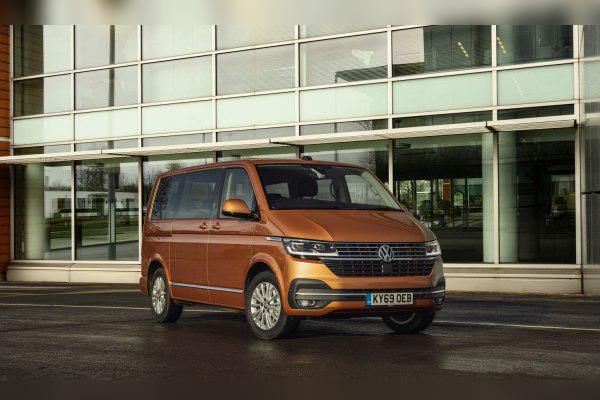
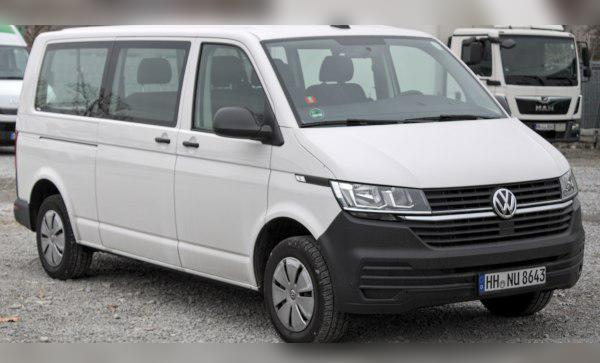
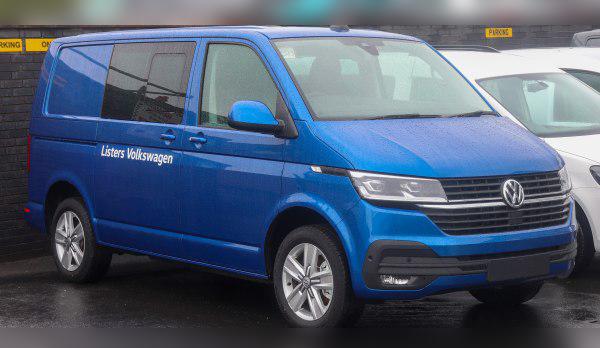
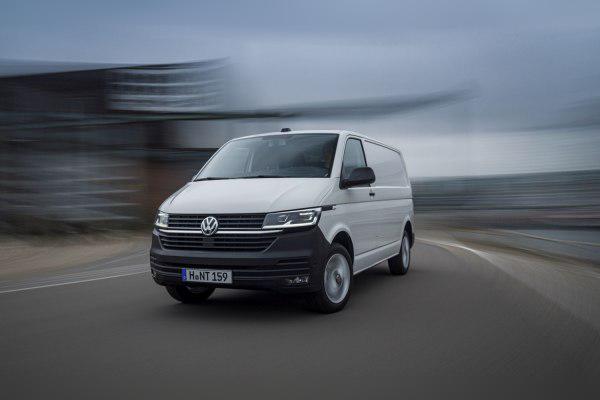
In short (TL;DR)
- Top option: With 204 hp and 450 Nm, this is the peak of the T6.1 platform range – ideal for heavy loads and towing trailers.
- Complexity: The BiTurbo system (two turbochargers) delivers great performance, but also doubles the cost if a turbocharger fails.
- AdBlue system: Modern Euro 6d-TEMP standards mean a complex exhaust aftertreatment system that is sensitive to city driving.
- Gearbox: Comes exclusively with the DSG7 (DQ500) gearbox in this configuration, which is extremely robust but requires regular oil changes.
- Oil consumption: Although better than the notorious predecessor (CFCA engine from the T5), it still requires regular oil level checks.
- Recommendation: Buy only if you really need this power and if you have the budget for proper maintenance. For pure city delivery use, this is overkill and a potential headache.
Contents
- Introduction and use cases
- Technical specifications
- Reliability, Maintenance and Failures
- Specific parts and Injection system
- Fuel consumption, Performance and Driving feel
- Modifications and Tuning
- Gearbox and Drivetrain
- Buying tips and Conclusion
Introduction: The king of van transport in the T6.1 generation
The engine with the code DMZA (part of the EA288MAR or EA288 Nutz family) represents the very top of the range in the facelifted Volkswagen Transporter and Caravelle (T6.1) from 2019 onwards. It is a two‑liter diesel that, thanks to twin turbocharging, delivers an impressive 204 hp.
This powerplant is not made for light flower delivery around town. Its purpose is clear: to power heavy Caravelle passenger vans on long motorway trips, or Transporter models loaded to the max, often in combination with 4MOTION all‑wheel drive. It is the successor to the CXEB engine (from the T6), designed to meet stricter emission standards and solve some of the teething problems of its predecessor. Still, high power from a small displacement in a heavy vehicle always comes with certain compromises, which we will discuss in detail.
Technical specifications
| Category | Data |
|---|---|
| Engine code | EA288MAR / DMZA |
| Displacement | 1968 ccm (2.0 TDI) |
| Power | 150 kW / 204 hp |
| Torque | 450 Nm at 1400–2250 rpm |
| Charging type | BiTurbo (Two turbochargers in series) + Intercooler |
| Injection | Common Rail (2500 bar) |
| Camshaft drive | Timing belt |
| Emission standard | Euro 6d-TEMP / Euro 6d |
Reliability and Maintenance: What to expect at the workshop?
When talking about maintaining the 2.0 BiTDI engine in the T6.1, forget the stories about the “Golf 2”. This is a high‑tech machine that does not forgive neglect.
Timing belt and Major service
This engine uses a timing belt to drive the camshafts. Factory intervals are often optimistically set at 210,000 km for Western European markets. However, considering the load these vans are subjected to (high air resistance, weight), the warm recommendation of every experienced mechanic is to do the major service at a maximum of 150,000 km or every 5–7 years.
In addition to the timing belt, there is also a small belt running in oil that drives the oil pump (the so‑called “belt in oil”), a solution that requires strictly following oil change intervals to prevent belt material degradation.
Oil: The engine’s bloodstream
This is no joke. The engine takes a large amount of oil, approximately 7.4 liters (always check by VIN, as sumps vary). Only 0W-30 or 5W-30 grades that meet the strict VW 507.00 specification are recommended.
Does it consume oil? Yes. BiTDI engines are known to “drink” some oil, especially when driven hard on the motorway. Consumption of about 0.5 liters per 2,000–3,000 km can be considered acceptable for an engine with some mileage. If it burns a liter per 1,000 km, you have a problem (piston rings or turbochargers). The T6.1 (DMZA) is better in this regard than the old T5.1 (CFCA) engines, which were seizing up en masse, but I still advise checking the oil level at every second refuel.
Most common failures and symptoms
- Coolant leaks: Often from the thermostat housing or water pump. The symptom is a dropping level in the expansion tank and a sweet smell under the bonnet.
- EGR cooler: Although improved, it can still crack, letting coolant into the cylinder (white smoke from the exhaust).
- Intercooler pipe failure: Due to the high pressure generated by the two turbochargers, plastic pipes can fail, causing a sudden loss of power and a loud hissing sound when accelerating.
Specific Parts and Costs
BiTurbo system
The “BiTDI” badge means you have two turbochargers – a smaller one for low revs (quick response) and a larger one for higher revs (power). This eliminates turbo lag but doubles the potential issues. Their lifespan is around 200,000–250,000 km with good maintenance.
Failure symptoms: Siren‑like whistling, blue smoke from the exhaust, or the engine going into safe mode under hard acceleration. Overhauling or replacing both turbos is a very expensive job (depends on the market, but you’re looking at thousands of euros).
Injection system
The DMZA uses a Common Rail system with piezoelectric injectors operating at pressures up to 2500 bar. The injectors are generally durable and can last over 250,000 km if good‑quality fuel is used.
Symptoms of bad injectors: Rough idle (“tak-tak” sound), hard cold starts, or black smoke under full throttle.
Emissions: DPF, EGR and AdBlue
This is the Achilles’ heel of modern diesels.
- DPF and EGR: If the van is driven mostly in the city (stop‑and‑go), the DPF clogs quickly because it doesn’t get a chance to regenerate. The symptom is a warning light on the dash and increased fuel consumption.
- AdBlue: The T6.1 has a complex SCR system for exhaust gas treatment. Failures of the AdBlue tank heater or pump due to urea crystallisation are common. The NOx sensor also tends to fail. Maintenance involves regularly topping up AdBlue and occasionally using additives to prevent crystallisation.
Dual‑mass flywheel
Yes, this engine has a dual‑mass flywheel. Given the huge 450 Nm of torque, the flywheel is under heavy stress, especially if the vehicle often tows a trailer or is overloaded. Failure is recognised by metallic rattling when switching off the engine or vibrations at idle that disappear when you rev it slightly.
Fuel Consumption and Performance
Don’t expect a 2‑ton‑plus brick with 204 hp to sip fuel like a lighter.
- City driving: Real‑world consumption in heavy traffic is between 10 and 12 l/100 km. With a heavy right foot and 4MOTION, it can go higher.
- Country roads: This is where it’s most economical, you can get it down to about 7.5–8.5 l/100 km.
- Motorway (130 km/h): Due to its “brick” aerodynamics, consumption is around 9–10 l/100 km.
Is the engine sluggish? Absolutely not. This is the most agile engine in the range. Acceleration is convincing, and overtaking on country roads is safe even when the van is fully loaded. At 130 km/h the engine is relaxed thanks to the 7th gear of the DSG gearbox, usually spinning at around 2,000–2,200 rpm, which makes for quiet and comfortable cruising.
Additional Options and Modifications
Chiptuning (Stage 1)
This engine has the potential to “unlock” additional power. A safe Stage 1 remap can raise power to about 240–250 hp and torque to over 500 Nm.
Warning: Although the engine can handle it, keep thermal load in mind. In vans, engine bay cooling is more difficult than in passenger cars. Also, the extra power further stresses the already hard‑worked DPF and turbochargers. It’s recommended to do this only with top‑tier tuners and after checking the condition of the turbos beforehand.
Gearbox: DSG only
With the 204 hp engine in the T6.1 generation, you get an automatic 7‑speed DSG gearbox by default. The gearbox code is DQ500.
- Reliability: The DQ500 is a “wet” DSG (clutches run in oil) and is considered the strongest and most reliable DSG gearbox that the VW Group installs in vehicles with a transverse engine. It is designed to handle up to 600 Nm, so the stock 450 Nm are no problem.
- Service: Oil and filter changes in the gearbox are mandatory every 60,000 km. This is not a recommendation, this is an order if you want the gearbox to last.
- Failures: Mechanical failures of the gears themselves are rare. Problems can occur with the mechatronics (the gearbox brain) if the oil is not changed regularly, or with the flywheel. Replacing the clutch pack is expensive (depends on the market, but it’s one of the pricier jobs).
Buying Used and Conclusion
Before buying a Volkswagen T6.1 with this engine, make sure you do the following:
- Cold start: Listen to the engine when it is completely cold. There should be no chain rattling (although it has a belt, there is a chain linking the two camshafts) or uneven running.
- Diagnostics: Check the DPF status (ash load) and injector corrections.
- AdBlue: Check for any fault codes related to the urea dosing system.
- Test drive: Go out on an open road and floor it. The van must pull linearly, without hesitation and without going into limp mode.
Conclusion: The 2.0 BiTDI (204 hp) is a fantastic engineering achievement that turns an ordinary van into a fast long‑distance cruiser. It is aimed at those who cover a lot of kilometres on open roads, tow heavy trailers, or simply want a big power reserve. For companies focused on city deliveries, the lower‑powered single‑turbo version (150 hp) is a much more rational and reliable choice, with fewer potential (and expensive) failures.
Was this content useful to you?
Your opinion helps us to improve the quality of the content.