EA288MAR / DNAB Engine
- Engine
- 1968 cm3
- Aspiration
- Turbocharger, Intercooler
- Fuel
- Diesel
- Fuel injection system
- Diesel Commonrail
- Power
- 110 hp
- Torque
- 250 Nm
- Cylinders
- 4
- Valves
- 16, 4 per cylinder
- Cylinders position
- Inline
- Valvetrain
- DOHC
- Oil capacity
- 7.4 l
- Systems
- Start & Stop System, Particulate filter
# Vehicles powered by this engine

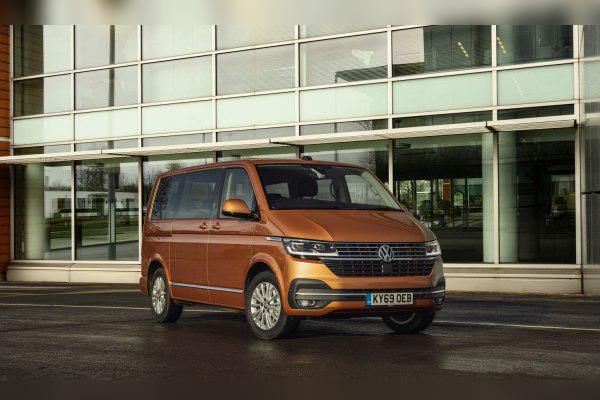
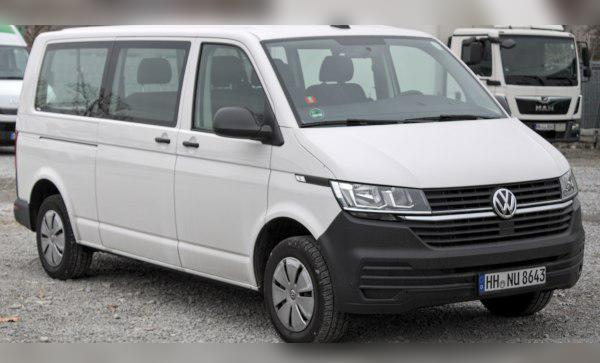
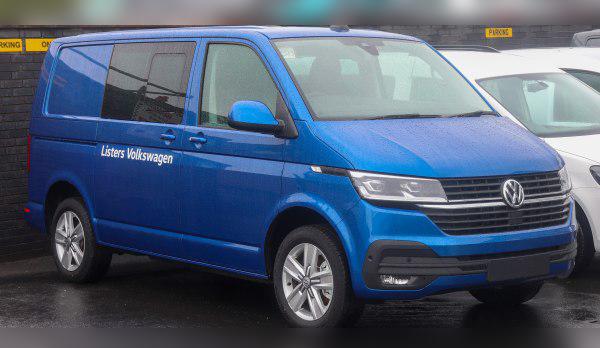
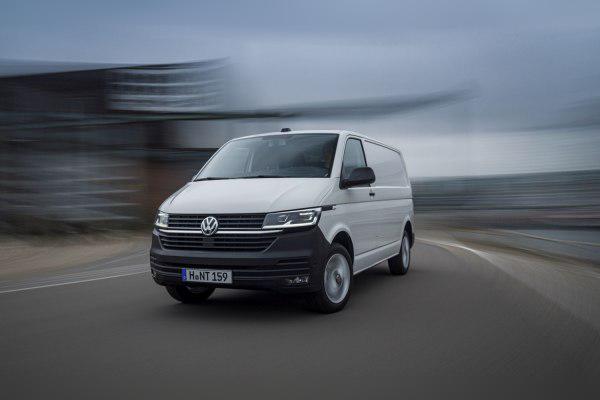
VW 2.0 TDI (EA288MAR / DNAB) 110 HP – Experiences, problems, fuel consumption and used-buying guide
Key points (TL;DR)
- Base engine: This is the entry-level option for the T6.1; reliable, but 110 HP is “borderline” for a heavy van, especially under load.
- AdBlue system: As with most modern Euro 6d engines, the AdBlue system (injectors, heaters, sensors) is the most sensitive point.
- Timing drive: Uses a timing belt with a long replacement interval, but it’s recommended to shorten the interval.
- Gearbox: Often comes with a 5-speed manual gearbox, which means high revs and noise on the motorway.
- Maintenance: Requires a large amount of oil for this displacement, which helps longevity but makes minor services more expensive.
- Purpose: Ideal for city deliveries and short trips; not a champion for long motorway journeys.
Contents
Introduction: EA288MAR in T6.1 models
When Volkswagen introduced the facelift of the T6 in 2019, known as T6.1, refreshed 2.0‑liter diesels appeared under the bonnet. The engine code DNAB with 110 HP (81 kW) belongs to the modernized EA288 family (often referred to as EA288MAR or Evo). This is the “workhorse” for companies, tradesmen and transporters who don’t need race-car performance, but durability and lower purchase costs.
This unit is a direct successor to the older 2.0 TDI engines with 102 HP, but adapted to strict emission standards (Euro 6d-TEMP and newer). It is installed in a wide range of Transporter and Caravelle body styles, from passenger versions to high-roof panel vans.
Technical specifications
| Specification | Data |
|---|---|
| Engine displacement | 1968 cc (2.0 L) |
| Power | 81 kW / 110 HP |
| Torque | 250 Nm at 1500–3000 rpm |
| Engine code | DNAB (EA288MAR series) |
| Injection type | Common Rail (2000+ bar) |
| Charging system | Turbocharger with variable geometry (VGT) + intercooler |
| Emission standard | Euro 6d-TEMP / Euro 6d |
Reliability and maintenance
Belt or chain?
The EA288MAR (DNAB) engine uses a timing belt for the valve timing. This is the traditional and, in the opinion of many mechanics, quieter and more reliable solution than a chain on VW diesels. The water pump is also driven by the timing belt.
Major and minor service
The factory interval for the major service (replacement of the timing kit and water pump) is set very optimistically at 210,000 km. However, experience shows that the water pump (especially the variable one with a flap) can start leaking or seizing earlier. Due to the harsh operating conditions of vans, it is strongly recommended to do the major service at 150,000 to 180,000 km or at most every 7 years.
As for the minor service, this engine takes a large amount of oil – around 7.0 to 7.4 liters (check precisely by VIN, as sumps differ on commercial vehicles). This is good for cooling and oil longevity. Only fully synthetic oil of grade 0W-30 or 5W-30 that meets the strict VW 507.00 specification is recommended. Although VW allows “Long Life” intervals of 30,000 km, for long engine life change the oil every 10,000 - 15,000 km.
Oil consumption and failures
Modern 2.0 TDI engines have solved the high oil consumption issues that plagued some older generations. Consumption of 0.5 to 0.8 liters per 10,000 km is considered completely normal and acceptable, especially if the vehicle is often driven under full load or at high speeds. Anything over 1 liter in a few thousand kilometers requires checking the turbocharger or piston rings.
The most common failures include:
- Coolant leaks at the thermostat housing or water pump.
- Problems with NOx sensors and the AdBlue dosing system.
- Clogged EGR cooler on vehicles driven exclusively in the city (stop‑and‑go traffic).
Injector longevity
The injectors are Bosch Common Rail. On this 110 HP version they are less stressed than on the biturbo versions. With good-quality fuel and regular fuel filter changes, the injectors easily last 250,000 - 300,000 km. Symptoms of bad injectors are rough idle (“knocking”), increased smoke and difficult starting.
Specific components (costs)
Dual-mass flywheel and clutch
Yes, this engine has a dual-mass flywheel, even in this lower 110 HP version. It is necessary to absorb diesel engine vibrations and protect the gearbox. Its lifespan largely depends on driving style and load, but typically it lasts around 200,000 km. Replacing the clutch kit with the flywheel is quite expensive (very costly, depends on the market), but it is an unavoidable maintenance expense on any modern diesel.
Turbo, DPF and EGR
The engine uses a single turbocharger with variable geometry. The turbo is reliable if you respect cool‑down after driving under load and change the oil regularly. Failures are less frequent than on BiTDI (biturbo) models.
The vehicle is equipped with a DPF filter and an EGR valve. Since 110 HP Transporters are often used for city deliveries, DPF clogging is a real risk if the vehicle is never “blown out” on the open road. The symptom is the DPF warning light and the car going into limp mode (safety mode with reduced power).
AdBlue system
This model has an AdBlue system (SCR catalyst). The VW T6.1 uses an advanced dosing system to meet the standards. Problems are common: urea crystallization can clog the dosing injector or damage the pump in the tank. Maintenance means topping up only quality AdBlue and occasionally using additives against crystallization. Repairs to this system can be expensive (depends on the market).
Fuel consumption and performance
Is 110 HP enough?
To be honest – barely. With 250 Nm of torque, this engine is adequate for an empty van or light load in city conditions. However, the Transporter T6.1 is a heavy vehicle (over 2 tons with passengers/cargo). The engine can be described as “lazy” when overtaking on open roads and it requires patience on uphill sections.
Real-world fuel consumption
- City driving: Expect between 8.5 and 10.0 l/100 km. The heavy body takes its toll at every pull‑away from the lights.
- Open road: At 80–90 km/h consumption can drop to around 6.5 - 7.0 l/100 km.
- Motorway (130 km/h): Here the poor aerodynamics and (often) lack of a 6th gear become obvious. Consumption jumps to 9.0 - 11.0 l/100 km, and cabin noise is noticeable.
Revs on the motorway
If paired with the 5‑speed gearbox, at 130 km/h the engine spins at a fairly high 2800–3000 rpm, which increases noise and fuel consumption. This is not an ideal engine for long‑distance drivers.
Additional options and modifications
Chip tuning (Stage 1)
This engine has great potential to be “unlocked”. Since the DNAB is actually a detuned version of the more powerful 2.0 TDI engines (it often shares the same block and head hardware with the 150 HP version, although the turbo and injectors may differ), a Stage 1 remap is very popular. It can safely be raised to 140–150 HP and about 340 Nm. This modification drastically changes the character of the vehicle and makes it much nicer to drive, and can even slightly reduce fuel consumption in normal driving. Caution: Check whether your clutch and gearbox (especially the 5‑speed) can handle the extra torque.
Gearbox: Manual vs DSG
Which gearboxes are fitted?
With the 110 HP engine in the T6.1 you most often get a 5‑speed manual gearbox. It is a robust gearbox, but it chronically lacks a sixth gear for motorway driving. There are also versions with a 7‑speed DSG automatic (DQ381 or DQ500, depending on year and spec), which is an excellent choice but rare with this power output.
Gearbox failures
- Manual (5‑speed): Very reliable. Failures are rare, mostly related to synchro wear if shifted aggressively. The gearbox oil is “lifetime” according to the factory, but replace it every 150,000 km.
- DSG (automatic): More sensitive. It requires mandatory oil and filter changes every 60,000 km. If this is not done, the mechatronics (the gearbox brain) and clutches fail. DSG repairs are very expensive (very costly, depends on the market).
Buying used and conclusion
What to check before buying?
- Flywheel noise: Listen for metallic knocking when switching off the engine or a change in sound when you press the clutch at idle.
- AdBlue history: Use diagnostics to check for any fault codes related to the “reductant system” or NOx sensors.
- DPF condition: Check the soot mass via diagnostics. If it is close to the limit, you are facing the cost of cleaning or replacement.
- Air conditioning: On the T6.1, AC compressors often fail or the rear AC pipes (on Caravelle models) corrode.
Final conclusion
The VW 2.0 TDI (110 HP) in the T6.1 body is a rational choice for local transport, hotels (airport transfers) and tradespeople. It is not a racer, but it is durable and capable of covering high mileages with proper maintenance.
If you plan to tow heavy trailers or drive on the motorway every day, it is strongly recommended to look for the more powerful 150 HP version which comes with a 6‑speed gearbox. For everything else, this engine will, with regular servicing and good-quality fuel, serve you well for many years.
Was this content useful to you?
Your opinion helps us to improve the quality of the content.