EA288 / CXHC Engine
- Engine
- 1968 cm3
- Aspiration
- Turbocharger, Intercooler
- Fuel
- Diesel
- Fuel injection system
- Diesel Commonrail
- Power
- 110 hp
- Torque
- 250 Nm
- Cylinders
- 4
- Valves
- 16, 4 per cylinder
- Cylinders position
- Inline
- Valvetrain
- DOHC
- Oil capacity
- 7.4 l
- Systems
- Start & Stop System, Particulate filter
# Vehicles powered by this engine

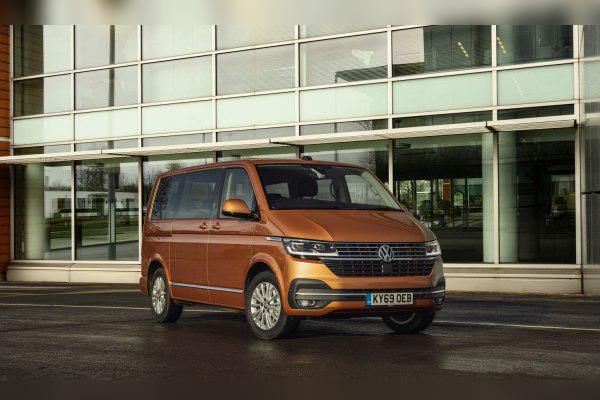
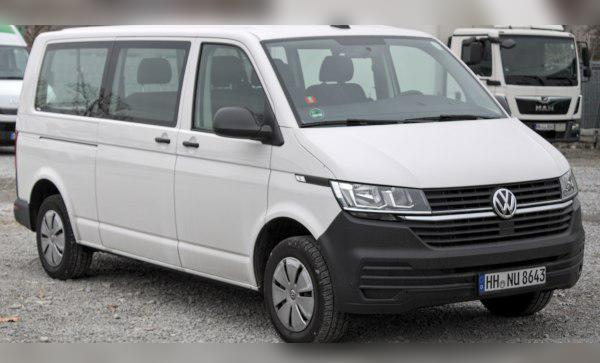
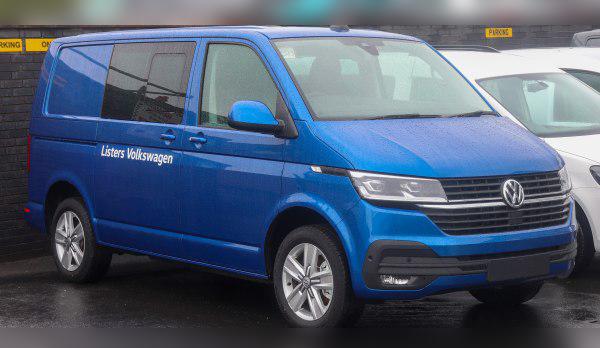
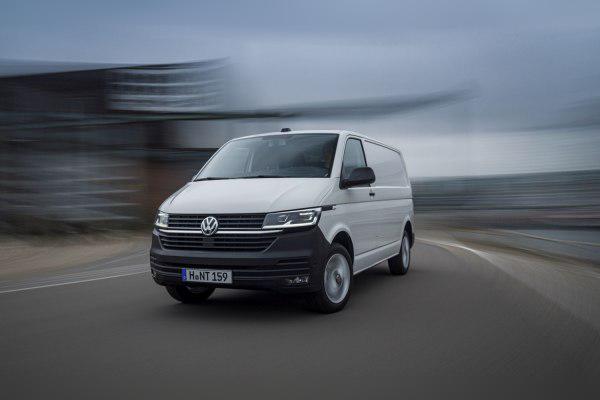
VW 2.0 TDI (CXHC) 110 HP in T6.1: Experiences, Problems, Fuel Consumption and Buying Guide
The Volkswagen Transporter T6.1 (facelift of the T6) brought refreshed design, new technology, and a shift to stricter emissions standards with engines from the EA288 series. The specific version we’re talking about, with the code CXHC and an output of 110 HP (81 kW), is the entry ticket into the world of modern vans. It is often found in fleet vehicles, courier services, and as a “workhorse” for transporting workers.
This engine was designed to meet Euro 6d-TEMP (and newer) standards, which means it is packed with exhaust after-treatment systems. Although 110 HP sounds modest for a vehicle that weighs around 2 tons empty, in practice this powertrain behaves in a specific way. In the following text we analyze in detail whether this is the right choice for you.
Key points in short (TL;DR)
- Reliability: Mechanically a very robust engine (EA288 base), but the peripherals (sensors, AdBlue) are known to cause issues.
- Power: 110 HP is enough for city and country roads, but the engine feels “lazy” on the motorway and under full load.
- Emissions: The AdBlue system is mandatory and is one of the more expensive items to maintain/repair.
- Major service: The timing is via a belt, not a chain.
- Gearbox: Most commonly paired with a 5-speed manual gearbox, which really misses a sixth gear for quieter motorway cruising.
- Recommendation: Ideal for urban deliveries and tradesmen; best avoided if you plan to tow heavy trailers or do constant long motorway trips.
Contents
- Technical Specifications
- Reliability and Maintenance
- Specific Parts and Costs
- Fuel Consumption and Performance
- Additional Options and Modifications
- Gearbox
- Buying Used and Conclusion
Technical Specifications
| Name / Engine code | EA288 / CXHC |
| Displacement | 1968 ccm (2.0 l) |
| Power | 81 kW (110 HP) @ 3200-4250 rpm |
| Torque | 250 Nm @ 1500-3000 rpm |
| Injection type | Common Rail (Direct injection) |
| Charging | Turbocharger (VGT) + Intercooler |
| Emissions standard | Euro 6d-TEMP / Euro 6d (with AdBlue) |
| Camshaft drive | Timing belt |
Reliability and Maintenance
Timing belt or chain?
The 2.0 TDI (CXHC) engine uses a timing belt to drive the camshafts. This is good news, as belts on newer VW engines have proven to be a quieter and more reliable solution than the old, problematic chains.
Major service (timing belt service)
The factory recommendation for timing belt replacement is often optimistic and can state up to 210,000 km for markets with “Western” road quality. However, experienced mechanics strongly recommend doing the major service between 150,000 km and 160,000 km, or at the latest after 5 to 7 years of age. A snapped belt leads to catastrophic engine damage (pistons hitting valves), so prevention is crucial. The water pump must always be replaced together with the belt.
Oil: Capacity and consumption
This is a very important point for T6.1 owners. The oil sump has a large capacity because vans are subjected to higher loads.
- Oil quantity: The engine takes approximately 7.0 to 7.4 liters of oil (always check the exact amount during replacement, as it depends on the filter and the way the oil is drained).
- Viscosity and standard: Only fully synthetic oil 0W-30 or 5W-30 that meets the strict VW standard VW 507.00. Due to the DPF filter, you must not use oils that do not meet this norm (“Low SAPS” oils are required).
- Oil consumption: These engines can consume some oil, especially when driven under load on the motorway. Consumption of up to 0.5 liters per 1,000 km is considered “normal” according to factory documentation, but in practice a healthy engine should not need more than 0.5 to 1 liter between two minor services (every 10–15k km). If it uses more, check the turbo or piston rings.
Most common failures
Although the core mechanics (pistons, crankshaft, block) are extremely strong, problems tend to occur around the engine:
- Water pump (variable): A common issue on EA288 engines. The pump has a “shutter” that regulates coolant flow to help the engine warm up faster. This shutter can get stuck, leading to engine overheating.
- Coolant leaks: Often from the thermostat housing or the EGR cooler.
- Exhaust gas temperature sensors: Due to high temperatures during DPF regeneration, these sensors often fail, triggering the “Check Engine” light.
- Injectors: This CXHC engine uses electromagnetic (solenoid) injectors, which are generally more durable than piezo injectors. They can last over 250,000 km without issues, provided you use quality fuel. Symptoms of failure include rough idle, smoke, and harder starting. Rebuilding is possible and cheaper than with piezo types.
Specific Parts (Costs)
Dual mass flywheel
Yes, this engine has a dual mass flywheel, regardless of whether it is paired with a manual or automatic gearbox. Its role is to dampen diesel engine vibrations. Its lifespan is between 150,000 and 200,000 km, but in heavy vehicles such as the Caravelle/Transporter, stop-and-go city driving can wear it out earlier. Symptoms include rattling when switching off the engine and vibrations in the clutch pedal.
Turbocharger
The CXHC engine uses a single turbocharger with variable geometry (VGT). It is not a bi-turbo (bi-turbo is used on more powerful 150+ HP versions). Service life is long, often over 250,000 km with regular oil changes. Failures are usually related to the turbo actuator (electronics) or clogged geometry from city driving.
DPF, EGR and AdBlue (The biggest costs)
This is the Achilles heel of modern diesel vans:
- DPF filter: The T6.1 has a large DPF. If you only drive in the city, regenerations will not be able to complete, which leads to clogging. Cleaning is possible, but replacement is very expensive.
- EGR valve: Prone to soot build-up. Symptoms include loss of power and “jerking” while driving.
- AdBlue system: The T6.1 has an AdBlue system and it is a frequent source of headaches. Problems include:
- Failure of the heater in the AdBlue tank (in winter).
- Crystallization of urea at the dosing nozzle.
- Failure of the AdBlue pump.
Fuel Consumption and Performance
Is the engine “lazy”?
With 110 HP and 250 Nm, to be realistic – it is somewhat lazy for the T6.1 body, especially in the long-wheelbase version or when the vehicle is fully loaded. In an empty van around town, the torque is sufficient to keep up with traffic smoothly. However, overtaking on country roads requires planning and dropping down a gear. Uphill driving with full load will demand patience.
Real-world fuel consumption
- City driving: Expect between 8.5 and 10 liters/100 km. The heavy body takes its toll at every traffic light start.
- Open road (country roads): This is where the engine is most economical, with consumption dropping to 6.5 – 7.5 liters/100 km.
- Motorway (130 km/h): Due to the large frontal area (aerodynamic drag) and the lack of a 6th gear (on the manual), consumption rises to 8.5 – 9.5 liters/100 km.
Motorway cruising
If you have the 5-speed gearbox, at 130 km/h the engine revs quite high (close to 3,000 rpm), which creates cabin noise and increases fuel consumption. The ideal cruising speed for this engine is around 110–120 km/h.
Additional Options and Modifications
Chip tuning (Stage 1)
The 110 HP engine is often a software-detuned version of the more powerful units. It can safely be raised to 140–150 HP and about 320–340 Nm of torque.
Warning: Although the engine can handle it, the 5-speed gearbox and clutch are the weaker links. If you drive a tuned van aggressively, you will significantly shorten the life of the dual mass flywheel. Also, be careful regarding warranty and emissions testing (exhaust emissions).
Gearbox
Types of gearboxes
With the 110 HP engine in the T6.1 you will most commonly find:
- 5-speed manual (5G): Standard option. Robust and precise, but really misses that sixth gear to lower revs on the motorway.
- 7-speed DSG (DQ500): Less common with 110 HP (more common with 150 HP), but it does exist. This is a “wet” DSG gearbox, one of the most durable VW makes.
Failures and maintenance
- Manual gearbox: Very reliable. Failures are rare and mostly related to the clutch kit. Replacing the clutch kit with the dual mass flywheel is an expensive job (depends on the market, but it is among the pricier repairs). According to VW, the oil in the manual gearbox is “lifetime”, but it is recommended to replace it every 150,000 km.
- DSG gearbox: Requires regular servicing (oil and filter change) every 60,000 km. If this is neglected, the mechatronics can fail, which is extremely expensive.
Buying Used and Conclusion
What to check before buying?
- Cold start: The engine should start immediately, without long cranking and without clouds of white or blue smoke. Rattling for the first 5 seconds can point to hydraulic lifters, but if the knocking doesn’t stop – suspect the flywheel or injectors.
- AdBlue history: Ask the owner if there have been any problems with the AdBlue pump or sensors. Use diagnostics to check for any fault codes related to NOx sensors.
- Timing belt: Ask for proof of replacement. If there is no documentation, immediately factor the cost of a major service into the purchase price.
- Clutch: Try starting uphill. If the clutch bites very high or slips, it is due for replacement.
Conclusion: Who is this engine for?
The VW Transporter/Caravelle T6.1 with the 2.0 TDI (110 HP) is a rational choice for urban logistics, worker transport on shorter routes, and families who are not in a hurry. It is not a racer, nor is it a tug for yachts or large trailers.
If you need a vehicle that will spend 80% of its time on the motorway at speeds of 140 km/h, look for the 150 HP version with a 6-speed gearbox. But for a reliable working day in urban and suburban conditions, this engine (with regular maintenance of the expensive emissions system) will serve you for hundreds of thousands of kilometers.
Was this content useful to you?
Your opinion helps us to improve the quality of the content.