EA288 / CXEB Engine
- Engine
- 1968 cm3
- Aspiration
- BiTurbo, Intercooler
- Fuel
- Diesel
- Fuel injection system
- Diesel Commonrail
- Power
- 204 hp @ 4000 rpm
- Torque
- 450 Nm
- Cylinders
- 4
- Valves
- 16, 4 per cylinder
- Cylinders position
- Inline
- Valvetrain
- DOHC
- Oil capacity
- 7.4 l
- Systems
- Start & Stop System, Particulate filter
# Vehicles powered by this engine

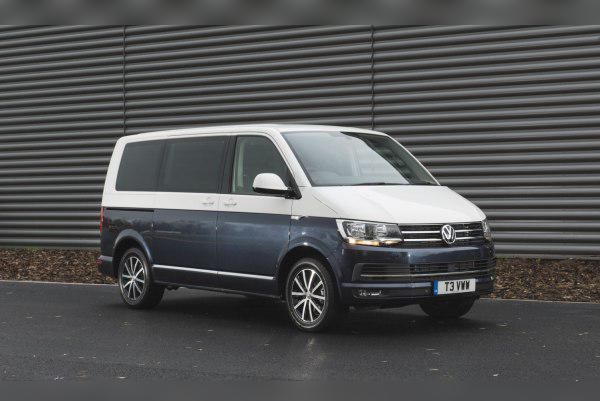
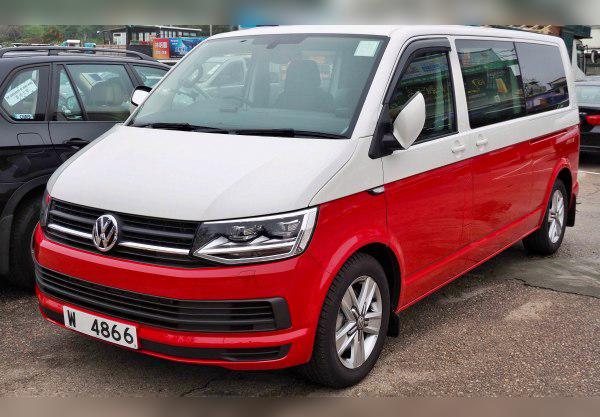
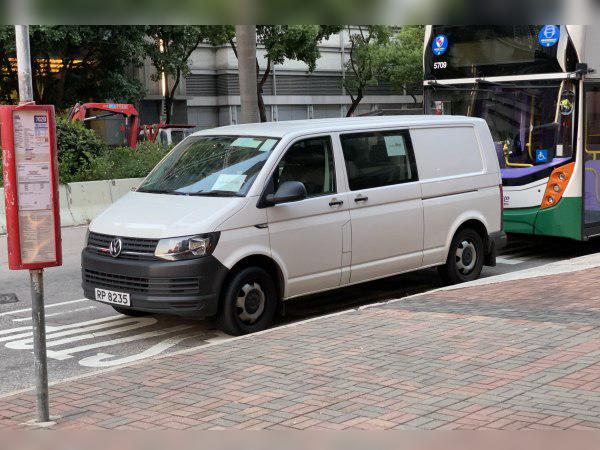
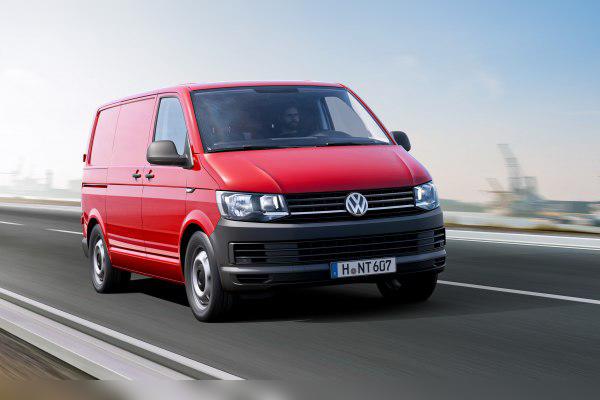
Key points in short (TL;DR)
- Performance: This is the most powerful diesel in the T6 range. With 450 Nm of torque, this engine “plays” with the heavy Multivan and Caravelle body.
- Main issue (CRITICAL): CXEB engines produced up to the end of 2018 have a factory defect on the EGR cooler that leads to catastrophic oil consumption and cylinder damage.
- Bi-Turbo system: Two turbochargers provide linear acceleration with no “turbo lag”, but they double the potential maintenance costs.
- Gearbox: The DQ500 DSG gearbox (7-speed) is extremely robust and one of the best components of this powertrain.
- Fuel consumption: Not low. Expect an average of around 9–10 l/100 km, because physics (weight and the “brick” aerodynamics) does its thing.
- Recommendation: Buying this engine is “Russian roulette” if you don’t have proof that the engine has already been replaced or that the revised version of the EGR cooler (Version D) has been installed.
Contents
Introduction: King of vans with feet of clay?
Volkswagen’s 2.0 BiTDI with the CXEB code and 204 horsepower represents the top of the range in the T6 generation (Transporter, Caravelle, Multivan). These models are synonymous with luxury passenger transport, VIP shuttles and long-distance family trips. The engineers’ idea was clear: offer passenger-car performance in a van body.
However, this engine carries the title of one of the most controversial VW units of the last decade. While drivers enjoy brutal acceleration and all-wheel drive (4MOTION), owners often spend sleepless nights worrying about the notorious oil consumption. This is not an engine for those who want a “fill up and drive” approach without a deep pocket for maintenance.
Technical Specifications
| Parameter | Data |
|---|---|
| Engine displacement | 1968 ccm (2.0 l) |
| Power | 150 kW (204 hp) |
| Torque | 450 Nm at 1400–2400 rpm |
| Engine code | CXEB (EA288 family) |
| Injection type | Common Rail (Piezo injectors) |
| Charging | Bi-Turbo (Two turbochargers in series) |
| Emission standard | Euro 6 (with AdBlue system) |
Reliability and Maintenance: Where is the problem?
This is the most important part of the text. If you are considering buying a T6 with this engine, read carefully.
Does this engine have a timing belt or a chain?
The EA288 CXEB engine uses a timing belt. This is good news because the system is generally quieter and cheaper to replace than complex chains. The water pump is also replaced as part of the major service.
What are the most common failures on this engine? (CXEB Warning)
The biggest problem with this engine is the EGR cooler (exhaust gas recirculation cooler). On models produced roughly up to the end of 2017/beginning of 2018, the internal structure of the cooler is made of aluminum which corrodes and flakes off over time.
Symptoms and consequences: Tiny pieces of aluminum and oxide go directly into the cylinders. They act like sandpaper, scoring the cylinder walls and destroying the piston rings. The result is drastic oil consumption (often over 1L per 500–1000 km), loss of compression and, ultimately, complete engine failure. The only solution is replacement of the complete engine (block, head) and installation of the revised EGR cooler (part number ending with the letter “D”).
At what mileage should the major service be done?
The factory recommendation is often optimistic and states 210,000 km. However, given the load on a van (high weight, towing trailers, many engine hours at idle), experienced mechanics strongly recommend doing the major service (belt, tensioners, water pump) at a maximum of 150,000 to 160,000 km or every 5–6 years.
How many liters of oil does this engine take and what is recommended?
Due to its design and the need for better cooling and lubrication, this engine takes a large amount of oil – around 7.4 liters. You must use 5W-30 with the VW 507.00 specification. Do not experiment with other oils because of the sensitive DPF filter.
Does it consume oil between services?
On a healthy CXEB engine, consumption of up to 0.5L per 10,000 km is acceptable. However, as stated above, a sudden increase in oil consumption is alarm number 1. If you have to top up oil at every other fuel fill, the engine has probably already suffered cylinder damage.
How long do the injectors last and how reliable are they?
The injectors are piezo-electric (high-pressure Common Rail system, up to 2000+ bar). They are generally reliable and can last over 200,000–250,000 km with good-quality fuel. Symptoms of failure are rough idle, harder starting or increased smoke. They are sensitive to poor diesel, so replacing the fuel filter at every minor service is mandatory.
Specific Parts (Costs)
Does the engine have a dual-mass flywheel?
Yes. Both manual and DSG versions have a dual-mass flywheel. On heavy vehicles like the T6, the flywheel is under huge stress, especially if the vehicle is often fully loaded or used for towing. A “clattering” sound when switching off the engine or vibrations at idle are signs it needs replacing. This is a costly item (depends on the market, but expect a serious expense).
Turbochargers: Two units, double the trouble?
The engine has a Bi-Turbo configuration: one smaller turbo for low revs (quick response) and one larger for high revs (power). This system is complex. Although the turbos themselves are not extremely failure-prone, the system of vacuum hoses and valves that control them can cause problems, leading to loss of power (“limp mode”). Overhauling a Bi-Turbo system is significantly more expensive than a single turbo.
DPF and AdBlue issues
The T6 meets the Euro 6 standard, which means it has a DPF filter, EGR valve and SCR catalyst (AdBlue).
AdBlue: The system is known for failures of the heater in the AdBlue tank or failure of the pump itself. When the system fails, the onboard computer starts counting down the remaining kilometers after which you will not be able to start the engine. Repairs are expensive because the entire tank module is often replaced.
DPF: If the vehicle is driven mostly on open roads, the DPF lasts a long time. In stop-and-go city driving, regenerations are frequent. An increased oil level in the sump can be a sign of failed DPF regenerations (diesel fuel diluting the oil).
Fuel Consumption and Performance
Real-world consumption (City and Highway)
Forget the factory figures. The T6 is a “brick” on wheels weighing over 2 tons (empty).
City driving: Expect between 10 and 12 l/100 km, depending on traffic and how heavy your right foot is. In winter, even more.
Highway (130 km/h): This is where the engine shines. Thanks to the 7th gear on the DSG, consumption is around 8.5 to 9.5 l/100 km. If you drive at 150 km/h+, consumption rises exponentially due to air resistance.
Is the engine “lazy”?
Absolutely not. With 450 Nm and 204 hp, this is the right measure for the T6. Overtaking is safe even when the van is full of passengers and luggage. 0–100 km/h is under 10 seconds (for an empty vehicle), which is impressive for this class.
Additional Options and Modifications
Chip Tuning (Stage 1)
The engine can be remapped to around 240–250 hp and 500+ Nm. However, great caution! Due to the already high thermal load and EGR issues, remapping is not recommended unless you have solved the cooling problem and the engine is in perfect condition. The power increase puts additional stress on the DPF and turbos.
Gearbox: Manual and Automatic (DSG)
Which gearboxes are fitted?
- 6-speed manual: Precise, robust. Failures are rare, mostly related to the clutch kit and flywheel.
- 7-speed DSG (DQ500): This is a “wet clutch” gearbox designed to handle high torque (up to 600 Nm).
Gearbox failures and maintenance
DSG DQ500 is probably the most reliable part of this vehicle. It rarely fails if maintained properly.
Service: The oil and filter in the DSG gearbox must be changed every 60,000 km. This is not a recommendation, it is an obligation if you want the gearbox to last. Neglect leads to mechatronic failure, which costs a small fortune (very expensive).
Versions with 4MOTION all-wheel drive also have a Haldex coupling on the rear axle. It also requires regular oil changes (every 3 years or 40–60k km), otherwise you lose drive to the rear wheels.
Buying Used and Conclusion
Buying a VW T6 with the 2.0 BiTDI (204 hp) engine is a double-edged sword. On one hand, you get probably the best and fastest van in its class, with an excellent DSG gearbox and great 4x4 system.
On the other hand, the risk of engine failure due to the EGR cooler is huge on models made before 2019.
What to check before buying?
- Service history (Crucial): Check whether the engine has already been replaced under warranty. If it has, that’s a plus.
- EGR version: Try to find out (through an authorized dealer or visually if possible) whether the car has the “D” revision EGR cooler. If it’s the old version, the engine is a ticking time bomb.
- Oil consumption: Ask the owner directly. Check the exhaust – is it excessively sooty and oily?
- Diagnostics: Check injector corrections and DPF status (how many grams of ash it contains).
Final verdict: This engine is intended for those buying a newer van (2019+ model year) or those willing to pay for top performance while accepting higher maintenance risks. For more peace of mind and lower costs, the weaker 150 hp version (with a single turbo and fewer thermal issues) is often a more rational choice, although significantly slower.
Was this content useful to you?
Your opinion helps us to improve the quality of the content.