EA288 / CXHB, CXGC Engine
- Engine
- 1968 cm3
- Aspiration
- Turbocharger, Intercooler
- Fuel
- Diesel
- Fuel injection system
- Diesel Commonrail
- Power
- 114 hp
- Torque
- 250 Nm
- Cylinders
- 4
- Valves
- 16, 4 per cylinder
- Cylinders position
- Inline
- Valvetrain
- DOHC
- Oil capacity
- 7.4 l
- Systems
- Start & Stop System, Particulate filter
# Vehicles powered by this engine

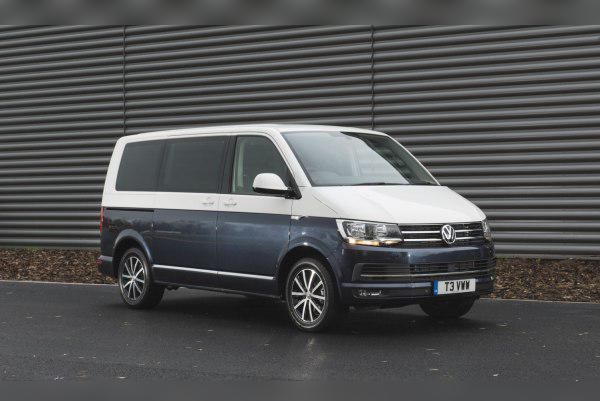
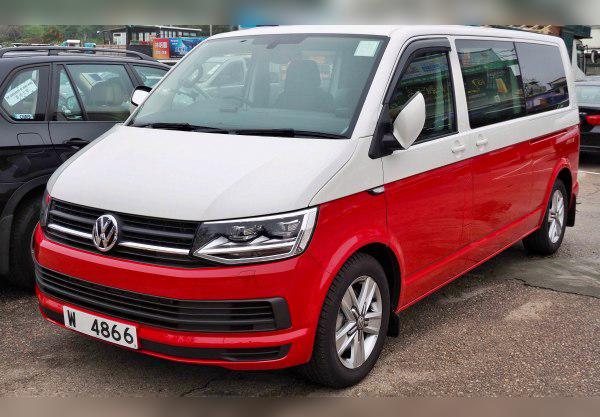
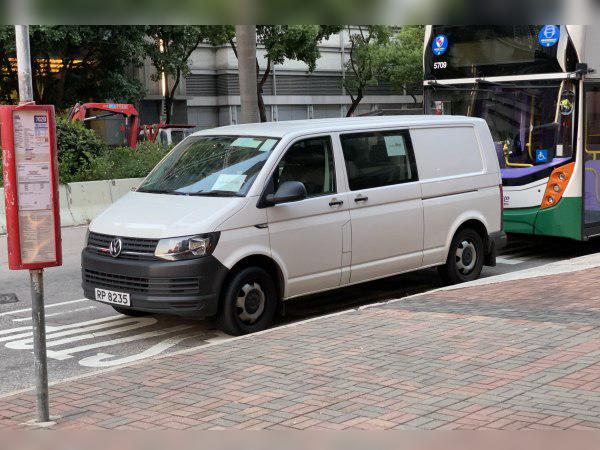
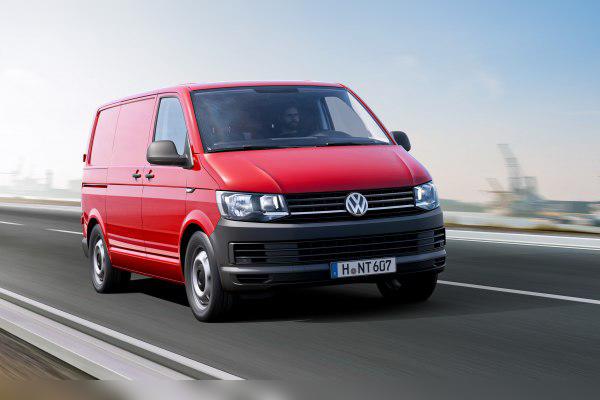
VW 2.0 TDI (EA288 / CXHB, CXGC) 114 HP in the T6 Transporter – Real-World Experience, Problems, Fuel Consumption and Buying Guide
Key points in short (TL;DR)
- Power vs Weight: With 114 HP (84 kW) and 250 Nm, this is the base engine. It’s sufficient for an empty van, but under full load on inclines the lack of power is noticeable.
- AdBlue System: The biggest “weak spot” of the T6 generation. Problems with AdBlue tank heaters, urea injectors and sensors are common and expensive to fix.
- Chip Tuning Potential: This is a software-“detuned” engine. Mechanically it’s almost identical to the more powerful versions, so a Stage 1 remap easily brings it to 150+ HP.
- Major Service: The timing is driven by a belt. The factory interval is too long; it’s recommended to shorten it to protect the water pump.
- Gearbox: Most often paired with a 5-speed manual. It really lacks a 6th gear on the motorway, which increases noise and fuel consumption at higher speeds.
- Maintenance: More expensive than on older T5 models due to the complexity of the Euro 6 system, but the mechanical part of the engine (pistons, crankshaft) is very durable.
Contents
- Introduction and use cases
- Technical specifications
- Reliability and maintenance
- Specific components (AdBlue, Turbo, Injectors)
- Fuel consumption and performance
- Additional options and modifications (tuning)
- Gearbox and drivetrain
- Buying used and conclusion
Introduction: A workhorse in modern clothes
The 2.0 TDI engine with codes CXHB and CXGC belongs to the modern EA288 family of diesel units, adapted for commercial vehicles (Nutzfahrzeuge). Installed in the Volkswagen T6 (Transporter, Caravelle, Multivan), this engine is the entry ticket into the world of modern VW vans. With 114 horsepower, it’s not meant for racing, but for economical operation in urban and suburban conditions.
What makes this engine interesting on the used market is the fact that it is structurally “over‑engineered” for this power level. It shares many components with significantly more powerful variants (140 or 150 HP), which theoretically guarantees longevity, provided that the complex exhaust aftertreatment system is properly maintained.
Technical specifications
| Parameter | Data |
|---|---|
| Engine displacement | 1968 cc (2.0 l) |
| Power | 84 kW (114 HP) at 3200–4000 rpm |
| Torque | 250 Nm at 1500–2750 rpm |
| Engine codes | CXHB, CXGC (EA288 series) |
| Injection type | Common Rail (direct injection) |
| Charging | Turbocharger with variable geometry, intercooler |
| Emissions standard | Euro 6 (with AdBlue system) |
Reliability and maintenance
Belt or chain?
This engine uses a timing belt to drive the camshafts. That’s good news because the system is quieter and generally more predictable than a chain. However, the water pump is part of the timing belt drive, and it’s a known weak point of the EA288 generation.
Major service and intervals
The factory interval for timing belt replacement is often optimistically set at 210,000 km. As an experienced editor, I advise you to ignore that. In real van use (heavy loads, city driving, many engine hours), the belt and water pump should be replaced at no more than 150,000–160,000 km or 5–6 years of age. The water pump on these engines has a variable “shutter” (to help the engine warm up faster), which can seize and cause overheating.
Oil and oil consumption
This engine holds a large amount of oil, which is excellent for cooling and longevity. Capacity is around 7.4 liters (check precisely by VIN, as oil pans differ on commercial vehicles). Only 0W-30 or 5W-30 oil that meets the strict VW 507.00 specification is recommended because of the DPF.
As for oil consumption, EA288 engines are better than their predecessors. Consumption of up to 0.5 liters per 10,000 km is perfectly acceptable. If it uses more than that (e.g. a liter every few thousand km), this may indicate worn piston rings or a leaking turbo. The VW manual says that up to 0.5 L/1000 km is “within limits”, but in practice a healthy engine should not require topping up between regular services (10–15k km).
Injector longevity
The injectors are piezo-electric (Bosch or Continental, depending on the batch). They are generally reliable and often last over 250,000 km without issues. Symptoms of failure are rough idle, harder starting and increased fuel consumption. Refurbishment is possible, but replacing them with new OEM injectors is expensive (very expensive option).
Specific components (Costs and failures)
Dual-mass flywheel
Yes, in the T6 this engine almost always comes with a dual‑mass flywheel (DMF), even in this weaker 114 HP version. Although the 250 Nm torque figure is relatively modest, the vehicle weight and load create large inertial forces. The flywheel usually fails between 150,000 and 200,000 km. Symptoms are a metallic “clattering” noise when switching off the engine and vibrations in the clutch pedal.
AdBlue, DPF and EGR – The unholy trinity of problems
This is the most critical section for T6 owners.
AdBlue: The system is mandatory for Euro 6 compliance. Problems are common: failure of the heater in the AdBlue tank, urea crystallization at the injector, and NOx sensor failures. Repairs are expensive, and ignoring them can lead to the ECU preventing the engine from starting.
DPF and EGR: The low‑pressure EGR valve is located after the DPF and is prone to clogging, especially in city driving. If the van is used only in stop‑and‑go traffic, the DPF struggles to regenerate passively. Expect problems if you don’t take it on the open road at least once a week.
Turbocharger
The engine uses a single turbocharger, usually with variable geometry (VGT) to provide torque at low revs. Service life is long, often over 250,000 km, provided quality oil is used and change intervals are respected. A whistling noise from the turbo is the first sign of wear.
Fuel consumption and performance
City driving
Don’t expect miracles. The T6 is heavy (around 2 tons empty). In real city driving, fuel consumption ranges from 8.5 to 10 l/100 km. If the vehicle is loaded or driven aggressively, this figure easily goes above 11 liters.
Is the engine “lazy”?
Objectively – yes. 114 HP in a Transporter or Caravelle body is the bare minimum. In town it’s perfectly adequate thanks to 250 Nm available low down, but as soon as you hit the highway with passengers or cargo, overtakes need to be well planned. Uphill sections require frequent downshifts.
Motorway and cruising
This is the weak point of this version, primarily because of the gearbox (see section below). At 130 km/h the engine revs relatively high (often close to or above 3000 rpm, depending on the gearbox), which creates cabin noise and pushes fuel consumption to around 8–9 l/100 km. It’s not an ideal long‑distance cruiser if high speed matters to you.
Additional options and modifications
Stage 1 chip tuning (remap)
Here we come to the best trait of this engine. The 114 HP version (CXHB/CXGC) is often mechanically identical or very similar to the 150 HP version. The factory has limited power only via software.
Safe increase: With a quality Stage 1 remap this engine can be taken to 140–160 HP and over 320–340 Nm of torque without any mechanical changes. This drastically changes the character of the vehicle – overtakes become easier, and fuel consumption often drops in normal driving because the engine “struggles” less. Strongly recommended if you plan to carry loads.
Gearbox
Manual gearbox (5-speed)
The 114 HP engine is most commonly paired with a 5‑speed manual gearbox. It’s a robust unit, but the lack of a sixth gear is a major downside for open‑road driving. Failures are rare, but wear of the 2nd and 3rd gear synchros can occur if the vehicle is used for delivery work. An oil change in the gearbox is recommended every 80,000–100,000 km, even though VW often claims it’s “filled for life”.
Automatic gearbox (DSG)
Less common, but you can find this engine paired with a DSG gearbox (usually the 7‑speed DQ500, which is very durable as it can handle huge torque).
DSG maintenance: Mandatory oil and filter changes every 60,000 km. If this is ignored, the mechatronics (an expensive repair) and clutch packs suffer. The DSG offers much better comfort and usually keeps the engine in its optimal operating range.
Clutch replacement costs
Replacing the clutch kit together with the dual‑mass flywheel is a significant expense (medium to very expensive, depending on market and choice of parts – LuK, Sachs). Labor is also costly because access on the T6 is quite demanding.
Buying used and conclusion
When buying a T6 with this engine, pay attention to the following:
- Cold start: Listen for knocking from the gearbox area (dual‑mass flywheel) or rattling from the chain/belt area.
- Diagnostics: Always check DPF status (ash load) and AdBlue system functionality. Any error related to “Reductant” or “NOx sensor” means a potential bill of several hundred euros.
- Signs of leaks: Remove the plastic engine cover and inspect around the injectors and valve cover.
- Service history: Check whether the timing belt has been replaced on time.
Conclusion
VW 2.0 TDI (114 HP) in the T6 is a rational choice for companies, tradespeople and large families who drive at moderate speeds and don’t tow heavy trailers. Although it lacks power in stock form, its tuning potential makes it a “hidden gem” because you can buy it cheaper than the 150 HP model and get similar performance with a modest investment.
If you can live with the AdBlue system (or sort it out) and maintain the vehicle regularly, this engine will cover hundreds of thousands of kilometers without needing to be opened.
Was this content useful to you?
Your opinion helps us to improve the quality of the content.