EA288 / CXGB Engine
- Engine
- 1968 cm3
- Aspiration
- Turbocharger, Intercooler
- Fuel
- Diesel
- Fuel injection system
- Diesel Commonrail
- Power
- 102 hp
- Torque
- 250 Nm
- Cylinders
- 4
- Valves
- 16, 4 per cylinder
- Cylinders position
- Inline
- Valvetrain
- DOHC
- Oil capacity
- 7.4 l
- Systems
- Start & Stop System, Particulate filter
# Vehicles powered by this engine


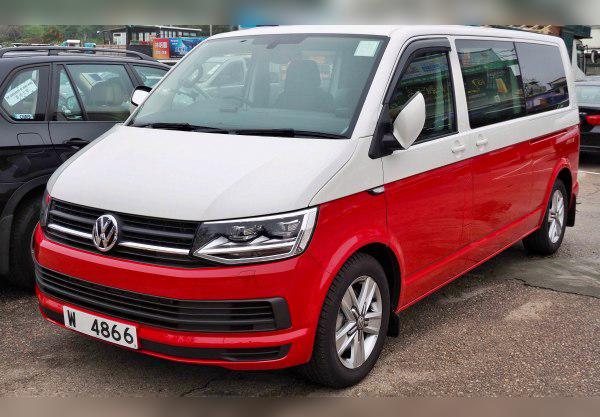
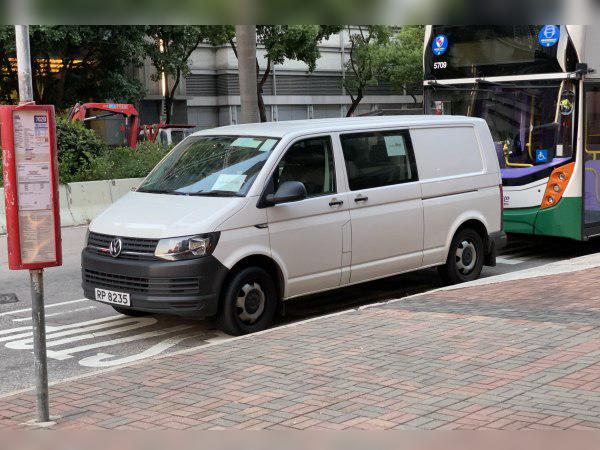
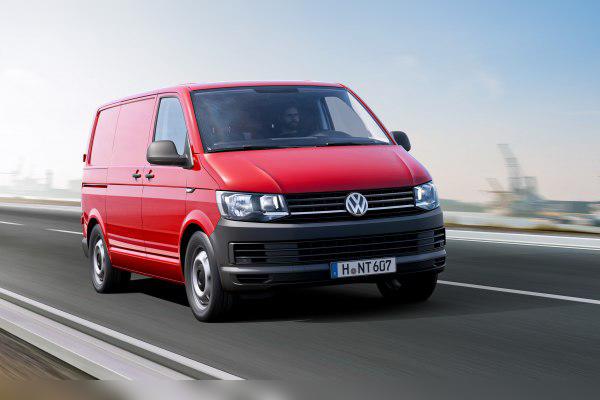
2.0 TDI (EA288) CXGB 102 HP: Experiences, problems, fuel consumption and maintenance in the VW T6
This is the engine that drives the world of logistics and tradesmen across Europe. If you’re looking at a Volkswagen Transporter T6 or Caravelle with the CXGB code (2.0 TDI with 102 HP), you’re looking at one of the most common, but also one of the most debated variants. Is it too weak for this body? How reliable is the new EA288 compared to the old “Pumpe-Düse” legends? As someone who has spent years analyzing the VAG group, I’ll break down the myths here and give you the raw technical facts.
Key points in short (TL;DR)
- Durability: The engine is mechanically very robust and can cover huge mileage with regular maintenance.
- Performance: With 102 HP in a 2‑ton van, the engine is “lazy”. It lacks power for overtaking on open roads.
- Gearbox: Most often comes with a 5-speed gearbox, which means high revs and a noisier drive on the motorway.
- Emissions: The AdBlue system is the Achilles’ heel of this model (heaters, pumps, sensors).
- Major service: Driven by a timing belt; intervals are long, but it’s recommended to shorten them due to the load.
- Recommendation: Ideal for city delivery and tradesmen. Not recommended for long family motorway trips due to noise and the lack of a 6th gear.
Contents
- Technical Specifications
- Reliability and Maintenance
- Specific Parts and Costs
- Fuel Consumption and Performance
- Gearbox and Drivetrain
- Additional Options and Modifications
- Buying Used and Conclusion
Technical Specifications
| Feature | Value |
|---|---|
| Engine code | EA288 / CXGB |
| Displacement | 1968 cc (2.0 L) |
| Power | 75 kW (102 HP) at 3000–3750 rpm |
| Torque | 250 Nm at 1500–2750 rpm |
| Injection type | Common Rail (Direct) |
| Induction | Turbocharger with variable geometry + intercooler |
| Emissions standard | Euro 6 (with AdBlue system) |
Reliability and Maintenance
The CXGB engine belongs to the modern EA288 family of diesels. This is not the same engine as the older EA189 (notorious because of Dieselgate), but a completely redesigned unit adapted to Euro 6 standards. Overall, it is considered a reliable engine, but it requires strict maintenance.
Timing belt or chain?
This engine uses a timing belt to drive the camshaft. This is good news because the system is quieter and generally more predictable than a chain.
At what mileage is the major service done?
Volkswagen factories often state optimistic intervals of 210,000 km for timing belt replacement. Ignore this figure. Considering that the T6 is used under load (commercial usage), every experienced mechanic will recommend doing the major service at 150,000 km to a maximum of 180,000 km or every 5 to 7 years, whichever comes first. A snapped belt leads to total engine failure.
Also, pay attention to the water pump. On EA288 engines, the pump has a variable housing that can get stuck, which leads to overheating. Always replace the pump with every major service.
Oil: Capacity and consumption
This engine takes a considerable amount of oil – about 7.4 liters (including the filter). The large oil sump is an advantage because the oil retains its properties longer and cools the engine better under load.
Viscosity: Only 5W-30 with VW 507.00 specification. Due to the DPF filter, you must not use oils that do not meet “Low SAPS” standards.
As for oil consumption, EA288 engines are significantly better than their predecessors. Consumption of up to 0.5 liters per 10,000 km is acceptable, especially if the vehicle is driven fully loaded. If it uses a liter every 2–3 thousand kilometers, this indicates a problem with piston rings or the turbo.
Most common failures
- AdBlue system: The biggest headache for T6 owners. Heaters in the tank, urea dosing pumps and NOx sensors tend to fail. Repairs are expensive.
- EGR valve: Due to exhaust gas recirculation, the EGR cooler and the valve itself can clog with soot, especially if the vehicle is driven only in the city.
- Coolant leaks: Often from the thermostat housing or the water pump itself.
Injectors
This model uses electromagnetic (solenoid) Common Rail injectors (usually Bosch or Delphi, depending on the series). They have proven to be very durable and often exceed 300,000 km without overhaul. Symptoms of bad injectors are rough idle (“hammering”), increased smoke under acceleration and hard starting.
Specific Parts (Costs)
Does the engine have a dual-mass flywheel?
Yes. Even though it has only 102 HP, the T6 is a heavy vehicle and is subjected to high loads when setting off. The dual-mass flywheel serves to neutralize diesel engine vibrations and protect the gearbox. Its lifespan is usually between 150,000 and 200,000 km, depending on driving style (city driving wears it out faster).
Turbocharger
The CXGB engine uses a single turbocharger with variable geometry. It is not as prone to failure as the Bi-Turbo variants (180/204 HP), which had catastrophic oil consumption issues. With regular oil changes and allowing the turbo to cool down after fast driving, the turbo will last as long as the engine.
DPF, EGR and AdBlue
This model is packed with emissions equipment.
DPF: It must regenerate. If you only drive short distances (door-to-door delivery), the DPF will clog quickly.
AdBlue: Yes, it has it. The system is sensitive to urea crystallization if the vehicle stands for a long time or is driven in low temperatures. Maintenance involves topping up quality fluid, and failures are, unfortunately, frequent and expensive (depending on the market, but pumps and sensors are not cheap).
Fuel Consumption and Performance
Is this engine “lazy”?
Let’s be honest: Yes, it is. 102 HP and 250 Nm of torque is the lower limit of decency for a vehicle that weighs almost 2 tons empty and can exceed 3 tons when fully loaded.
In the city it is quite adequate thanks to the short gearbox ratios. It pulls away from traffic lights well. However, as soon as you get onto open roads, the lack of power becomes obvious. Overtaking trucks on single carriageways requires planning, a run-up and courage.
Fuel consumption
- City driving: Expect between 8.0 and 9.5 l/100 km. If the vehicle is loaded and traffic is heavy, it can go over 10 liters.
- Open road (80–90 km/h): This is where it is most economical; it can go down to about 6.5–7.0 l/100 km.
- Motorway (130 km/h): Due to the lack of a 6th gear and poor aerodynamics (“driving a brick”), consumption jumps to 9.0–10.0 l/100 km.
The engine on the motorway
This is the weakest point of the 102 HP and 5-speed gearbox combination. At 130 km/h the engine revs quite high (often close to or above 3000 rpm), which creates noise in the cabin and increases fuel consumption. Cruising is comfortable up to 110–120 km/h. Anything above that is torture for both the engine and the passengers.
Gearbox
Types of gearboxes
With the 102 HP (CXGB) engine, a 5-speed manual gearbox comes as standard. It can very rarely be found in combination with a DSG automatic at this power level (DSG is usually reserved for 150 HP+), but there are special orders. We’ll focus on the manual.
Gearbox problems
The 5-speed manual gearbox is robust, but not indestructible.
Most common failures: Bearing wear in the gearbox after high mileage (you can hear a whining noise). Also, the shift linkage can develop play, making gear changes imprecise.
Maintenance: Although VW says the gearbox oil is “lifetime fill”, it is recommended to change the gearbox oil every 100,000 km. This is a small cost that significantly extends the life of the bearings.
Clutch replacement cost
The clutch kit with dual-mass flywheel is a significant expense. Prices vary (very expensive at the dealer, acceptable with aftermarket parts such as LuK or Sachs), but you should expect this to be one of the bigger maintenance costs every 150–200k km.
Additional Options and Modifications
Can this engine be “chipped” (Stage 1)?
Yes, and with excellent results. The CXGB engine is software “detuned”. Hardware-wise it is very similar to the more powerful versions (although there are differences in the turbo and injectors on the strongest models).
A safe Stage 1 remap can raise power from 102 HP to about 140–150 HP, and torque from 250 Nm to 320–340 Nm.
Warning: Although the engine can handle this increase without issues, the 5-speed gearbox and clutch become the weakest link. If you remap, avoid sudden full-throttle acceleration at low revs so you don’t destroy the flywheel and clutch.
Buying Used and Conclusion
When buying a used T6 with this engine, pay attention to the following:
- Cold start: The engine must start immediately, without long cranking. Listen to the sound of the belt and any possible flywheel knocking while the engine is cold.
- AdBlue faults: Always plug in diagnostics. If you see faults related to the “Reductant system”, “NOx sensor” or “AdBlue heater”, prepare for a cost of several hundred euros.
- Mixed driving test: Take it on the motorway. If at 100 km/h you hear a strong whining noise, the gearbox bearings are near the end of their life.
- Service history: Check when the major service was done. If there is no proof, do it immediately.
Final conclusion
The VW T6 with the 2.0 TDI (102 HP) engine is a workhorse, not a long-distance cruiser. It is intended for companies, tradesmen and urban distribution where speeds rarely exceed 90 km/h. For those purposes it is excellent, reliable and relatively economical.
If you plan to buy a Caravelle for family trips across Europe or you need a Transporter that often tows a heavy trailer on the motorway, avoid this engine and look for the 150 HP (110 kW) version with 6 gears. The difference in driving comfort and noise at 130 km/h is “like night and day”.
Was this content useful to you?
Your opinion helps us to improve the quality of the content.