EA189 / CAAD Engine
- Engine
- 1968 cm3
- Aspiration
- Turbocharger, Intercooler
- Fuel
- Diesel
- Fuel injection system
- Diesel Commonrail
- Power
- 114 hp @ 3500 rpm
- Torque
- 250 Nm
- Cylinders
- 4
- Valves
- 16, 4 per cylinder
- Cylinders position
- Inline
- Valvetrain
- DOHC
- Oil capacity
- 7 l
- Coolant
- 11 l
- Systems
- Start & Stop System, Particulate filter
# Vehicles powered by this engine
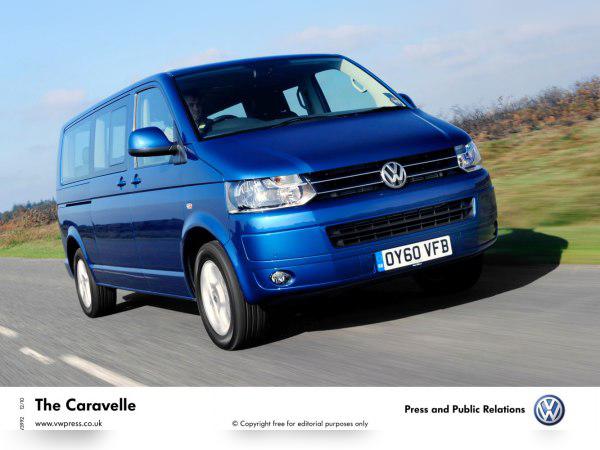
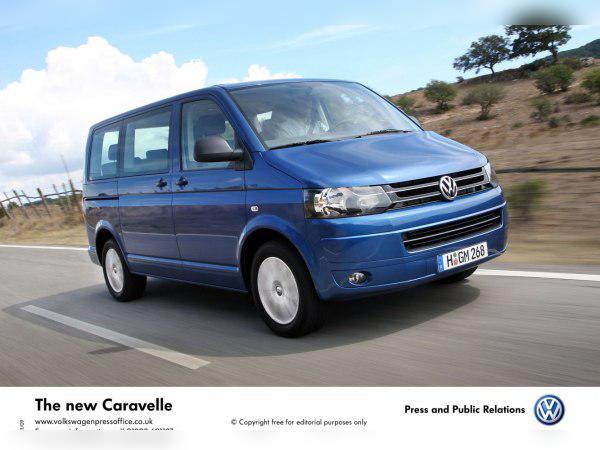
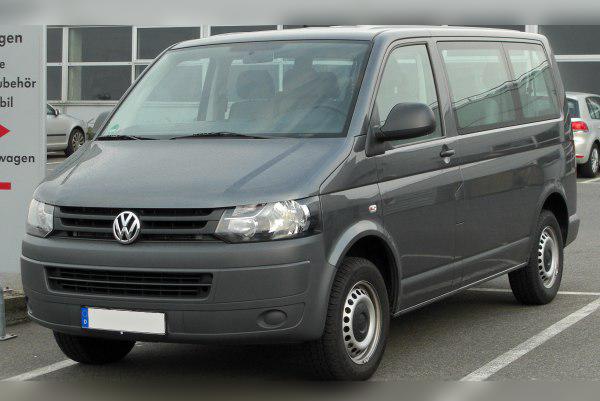
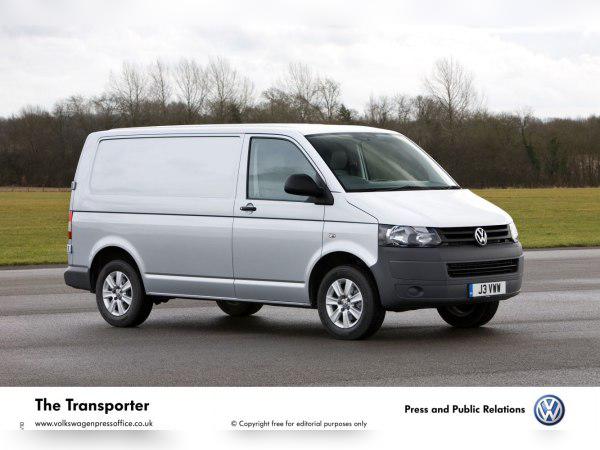
VW 2.0 TDI EA189 (CAAD) 114 HP: Experiences, Problems, Fuel Consumption and Maintenance
The engine with the code CAAD belongs to the famous EA189 series of Volkswagen diesels and represents the “golden middle” in the range for the facelifted Transporter T5 (T5.1 or GP). Unlike the older PD (Pumpe-Düse) engines, this is a Common Rail unit that offers quieter operation and a more refined driving experience.
With its 114 horsepower, this engine is not intended for racing, but for long-term use in commercial vehicles. It is often found in BlueMotion Technology (BMT) models that are optimized for lower fuel consumption. However, like every modern diesel, it comes with specific maintenance requirements and potentially expensive failures if neglected.
Key points (TL;DR)
- Reliability: Generally a very reliable engine, significantly better than the notorious BiTDI (180 HP) from the same generation that burns oil.
- Biggest weakness: The EGR valve and EGR cooler are weak points; coolant leaks are a common symptom.
- Power: 114 HP is at the lower limit for a heavy van (especially L2H2 or L2H3 variants). It requires patience when overtaking.
- Gearbox: Comes with a 5-speed manual gearbox that is robust, but lacks a 6th gear on the motorway.
- Potential: Since this is a software-detuned version of a more powerful engine, it is very easy to “chip” it to 140+ HP.
- Recommendation: Ideal for city deliveries and tradespeople; for towing trailers or long motorway journeys, look for a more powerful version.
Contents
- Technical Specifications
- Reliability and Maintenance
- Specific Parts and Costs
- Fuel Consumption and Performance
- Gearbox and Drivetrain
- Additional Options and Modifications
- Buying Used and Conclusion
Technical Specifications
| Parameter | Value |
|---|---|
| Engine displacement | 1968 cc (2.0 litres) |
| Power | 84 kW (114 HP) at 3500 rpm |
| Torque | 250 Nm at 1500–2500 rpm |
| Engine code | CAAD (EA189 family) |
| Injection type | Common Rail (Piezo/Solenoid) |
| Charging | Variable-geometry turbocharger (VGT), intercooler |
| Emission standard | Euro 5 (mostly without AdBlue) |
Reliability and Maintenance
Timing belt or chain?
The 2.0 TDI CAAD engine uses a timing belt to drive the camshaft. This is important information because a snapped belt leads to catastrophic engine failure (pistons and valves colliding). The timing belt system also drives the water pump.
At what mileage should the major service be done?
The factory recommendation for timing belt replacement is often optimistic (210,000 km for some markets), but in practice, given the load on van applications, this is strongly not recommended. Experienced mechanics advise doing the major service at a maximum of 150,000 to 160,000 km or every 5 to 6 years, whichever comes first. During the major service, the belt, tensioners, idlers and the water pump must all be replaced.
Oil: Quantity and Consumption
This is a commercial vehicle with a large oil sump. The engine takes around 7.0 litres of engine oil (check precisely when filling, as it can vary by +/- 0.5 L depending on the filter and how well the old oil is drained).
Which oil to use? You must use fully synthetic 5W-30 oil that meets the strict VW 507.00 specification. This is crucial because of the DPF; using the wrong oil will permanently damage the DPF.
Oil consumption: Unlike older PD engines or the infamous BiTDI model, the single-turbo CAAD engine should not consume a significant amount of oil. Consumption of 0.5 litres per 10,000 km is acceptable. If the engine uses a litre per 1,000 km, that points to a problem with the piston rings or the turbo.
Most common failures
Although the engine’s core (block, head, pistons) is very durable and can exceed 500,000 km, the peripherals are problematic:
- EGR valve and cooler: This is the “cancer” of this engine. The EGR cooler often cracks internally, so the engine starts losing coolant (antifreeze) without any puddle under the vehicle. The coolant enters the engine and burns (white smoke). Replacement is quite expensive and complicated due to poor access.
- Exhaust gas temperature sensors: They often fail, which triggers the “Check Engine” light and prevents DPF regeneration.
- High-pressure pump (CP4): Although less common than on the first series of 2.0 TDI engines in passenger cars, the fuel pump can, due to poor-quality fuel, start to wear and send metal shavings through the system, destroying the injectors.
Injectors
The CAAD engine uses Piezo or Solenoid Common Rail injectors (most often Continental/Siemens or Bosch, depending on the series). They are significantly more durable than the old PD elements. The expected service life is over 250,000 km with good-quality fuel. Symptoms of bad injectors include: rough idle (the rev needle fluctuates), harder cold starts and increased smoke when you press the accelerator. Refurbishment is possible, but a new injector is very expensive (depending on the market, expect several hundred euros per piece).
Specific Parts (Costs)
Does the engine have a dual-mass flywheel?
Yes, it does. Although 114 HP is relatively modest, the 250 Nm of torque and the high vehicle mass (especially a loaded Transporter) require a dual-mass flywheel to dampen vibrations. Failure symptoms include metallic knocking when switching the engine off, juddering when moving off from standstill, or a change in noise when you press the clutch at idle. This is one of the more expensive wear items.
Turbocharger
The engine has a single turbocharger with variable geometry. This is good news, as it is much more reliable and cheaper to maintain than the Bi-Turbo (twin-turbo) system in the 180 HP version. The typical lifespan of the turbo is 200,000 - 300,000 km, provided the oil is changed regularly and the engine is not switched off immediately after motorway driving (let it idle for a minute to cool down).
DPF and EGR issues
The model is equipped with a DPF filter (Diesel Particulate Filter) and an EGR valve. As mentioned, the EGR is a weak point and often clogs with soot or starts leaking. The DPF is sensitive to city driving. If the Transporter is used exclusively in stop-and-go conditions (delivery work), the DPF will not be able to regenerate, which leads to clogging. Replacing the DPF is very expensive, while cleaning is only a temporary solution.
AdBlue system
Most T5.1 (facelift) models with the CAAD engine meet the Euro 5 standard and do not have an AdBlue system. This is a big advantage compared to the newer T6 (Euro 6), because AdBlue systems (heaters, pumps, urea injectors) are known for frequent and costly failures. Still, be sure to check the fuel filler area – if there is no blue cap next to the diesel cap, you’re in the clear.
Fuel Consumption and Performance
Is this engine “sluggish”?
To be realistic: Yes, it is. With 114 HP and 250 Nm, this engine struggles with an unladen vehicle weight of almost 2 tonnes (especially long versions or high roofs L2H2/H3). In city driving, thanks to the short gearbox ratios, it will feel lively enough up to 60 km/h. However, as soon as you get onto open roads or load 800 kg of cargo, you will feel the lack of power. Overtaking requires a long stretch of clear road and good judgement.
Real-world fuel consumption
- City driving: Expect between 8.5 and 10 litres/100 km, depending on how heavy your right foot is and the load.
- Country roads: It is possible to get down to around 7.0 - 7.5 litres/100 km at 80-90 km/h.
- Motorway (130 km/h): Fuel consumption rises sharply due to aerodynamic drag (“driving a brick”). Expect around 9.5 - 11 litres/100 km.
Motorway and cruising
Because of the 5-speed gearbox, at 130 km/h the engine spins at a fairly high 2,800 to 3,000 rpm (depending on the final drive ratio). This means the cabin is noisy and fuel consumption is not economical. The ideal cruising speed for this model is 110-120 km/h.
Gearbox
Gearbox type
The 114 HP (84 kW) engine is standardly paired with a 5-speed manual gearbox. The DSG automatic gearbox in this generation (T5.1) was mostly reserved for more powerful versions (140 HP and 180 HP), so a 114 HP model with an automatic is very rare and often the result of later modifications or specific markets.
Most common gearbox issues
The 5-speed manual gearbox is generally reliable, but it has its limits:
- Synchro wear: If gears are hard to engage (especially from 1st to 2nd), the synchros are likely worn.
- Driveshafts: On VW vans, a common problem is the splines on the driveshaft that goes into the gearbox (passenger side) wearing out. The symptom is loss of drive even though the engine is running and a gear is engaged.
- Oil change: Although VW often claims the oil is “lifetime fill”, it is recommended to change the gearbox oil every 80,000 - 100,000 km to preserve the bearings.
Clutch replacement cost
A clutch kit with a dual-mass flywheel is a significant expense. The price of parts (LuK, Sachs, Valeo) falls into the “expensive” range (depending on the market, it often exceeds 500-600 EUR just for parts), plus labour, which is not cheap on a T5 because the front subframe has to be removed.
Additional Options and Modifications
Chiptuning (Stage 1)
This is one of the best aspects of this engine. The CAAD (114 HP) is almost hardware-identical to the CAAC (140 HP) engine. The difference lies only in the factory software. This means that with a simple remap (Stage 1) this engine can safely be raised to 140 HP, or even 165-170 HP and 350+ Nm of torque, without compromising engine longevity. Note: Although the engine can handle the extra power, keep in mind that the 5-speed gearbox and clutch will be under greater stress. A moderate remap to 140 HP is the “sweet spot”.
Buying Used and Conclusion
What to check before buying?
- Cold start: The engine should start immediately, without long cranking and without a cloud of smoke.
- Flywheel noise: Listen for metallic noises at idle that disappear when you press the clutch.
- Coolant loss: Check the expansion tank. If the level is low or there are traces of oil in the coolant, suspect the EGR cooler or the cylinder head.
- Diagnostics: Check the DPF values (ash loading) and injector correction values.
Conclusion
The VW 2.0 TDI (CAAD) with 114 HP is a sensible and rational choice for those who need a work vehicle, not a racer. It is more reliable than the more powerful BiTDI versions and cheaper to maintain (no twin turbos).
It is intended for drivers who spend most of their time in local use, city distribution or transporting lighter loads. If you plan to tow a heavy trailer or constantly drive on the motorway at over 130 km/h, this engine will tire you with noise and lack of power – in that case, look for the 140 HP version with 6 gears. For everyone else, with regular maintenance (and EGR delete if the law allows it), this engine can serve for many years.
Was this content useful to you?
Your opinion helps us to improve the quality of the content.